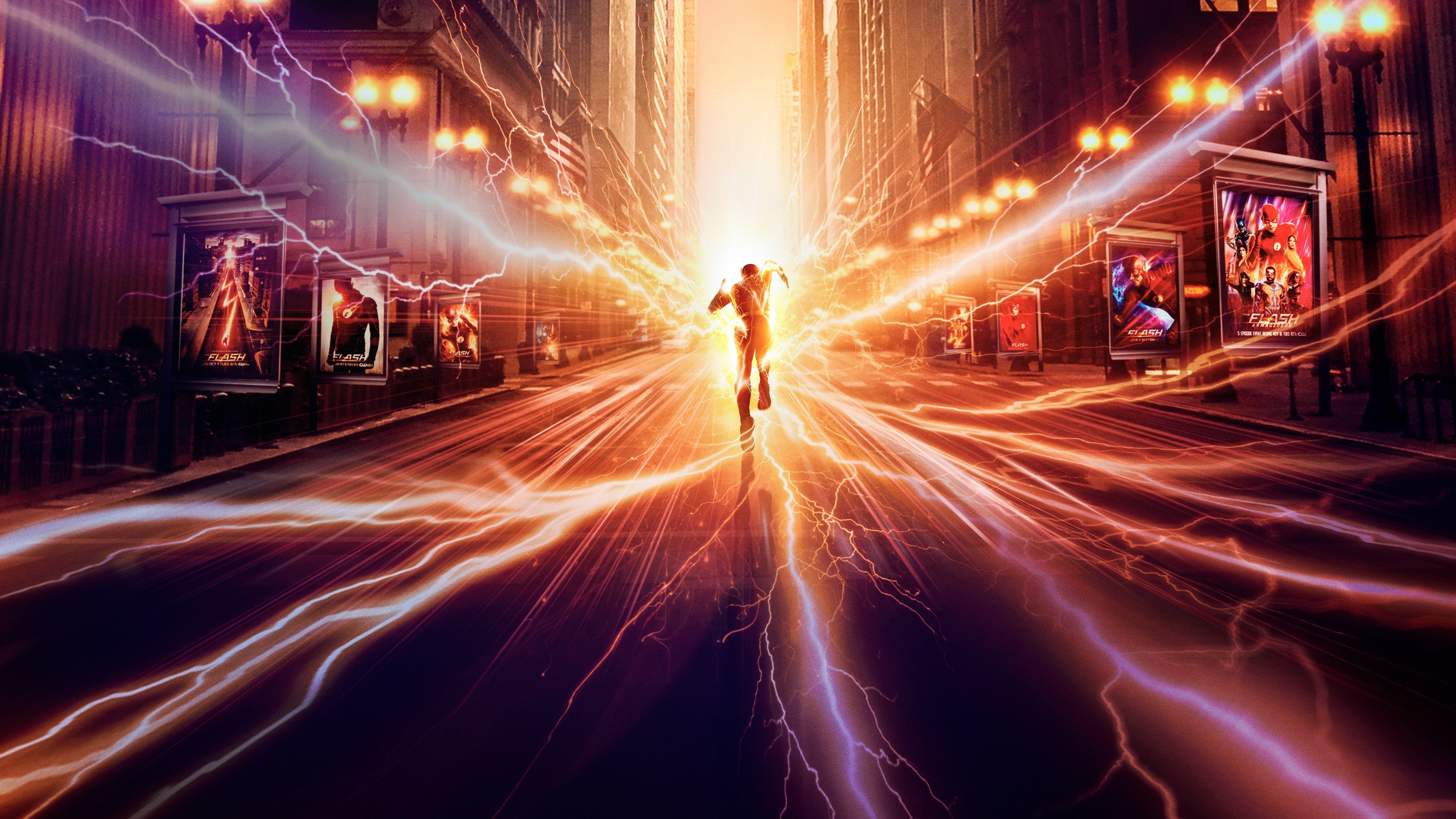

The Flash has always been the most optimistic superhero story in DC's canon. Where Batman broods and Superman lectures, Barry Allen runs headfirst into catastrophe with a grin, powered by grief he refuses to let define him. The 2014 CW series (and its many Arrowverse crossovers) captured that tonal sweet spot: zippy genre fun threaded through with genuine emotional stakes, time-travel paradoxes that reward close watching, and a central performance built on warmth rather than grit. Fans of The Flash are drawn to stories that trust their audience to hold comedy and tragedy at the same time, that treat ensemble casts as genuine families, and that find spectacle in consequence rather than destruction. This guide traces that sensibility across every medium.
Essential The Flash
The show itself, in the order and editions that matter most
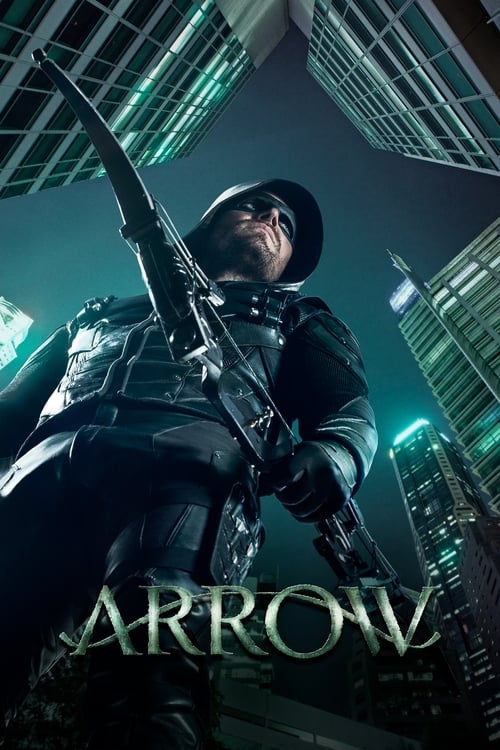
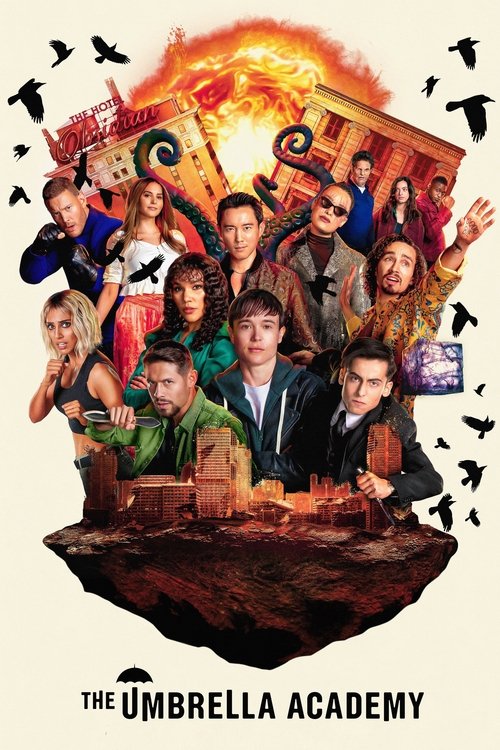
If You Love the Arrowverse Family Dynamic
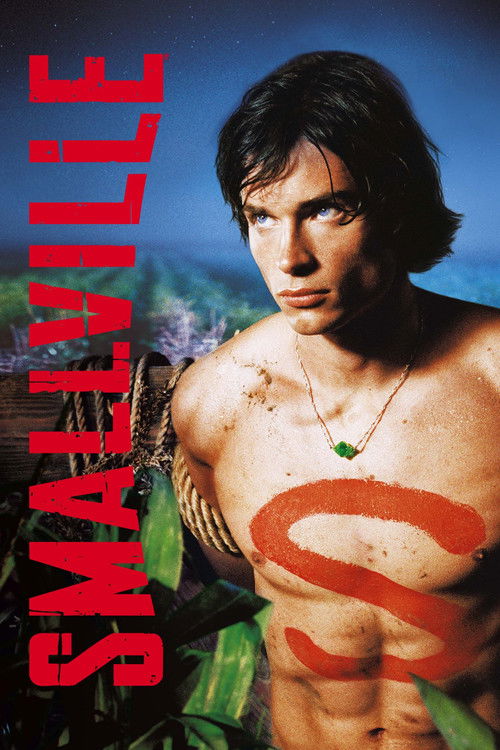
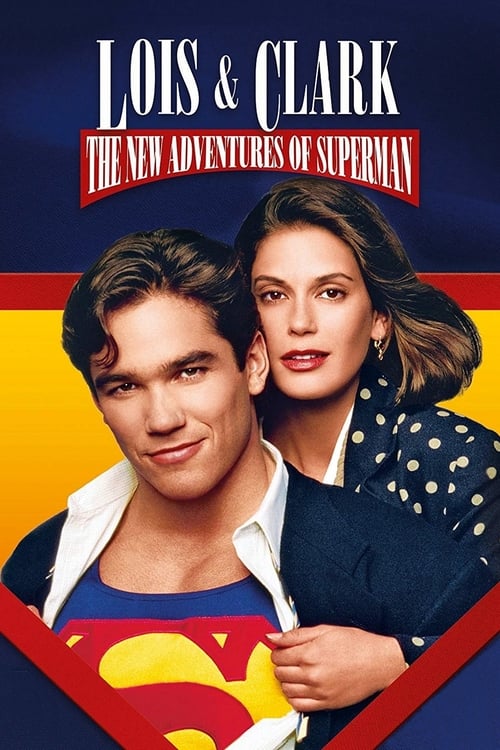
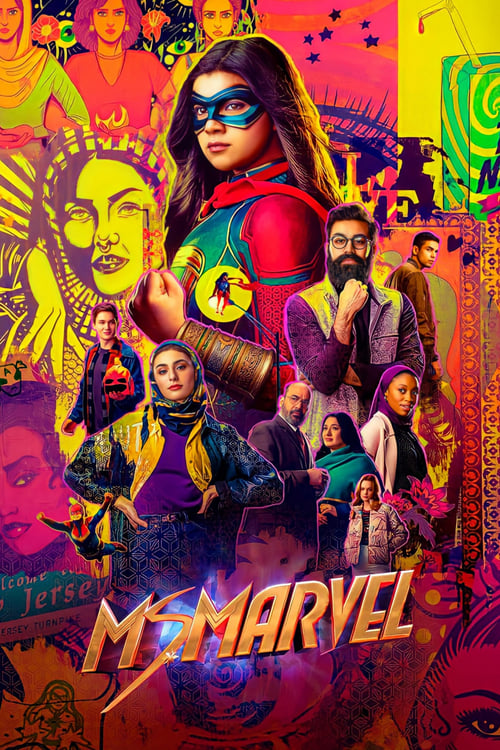
Ensemble superhero shows built on found-family bonds and serialised mythology

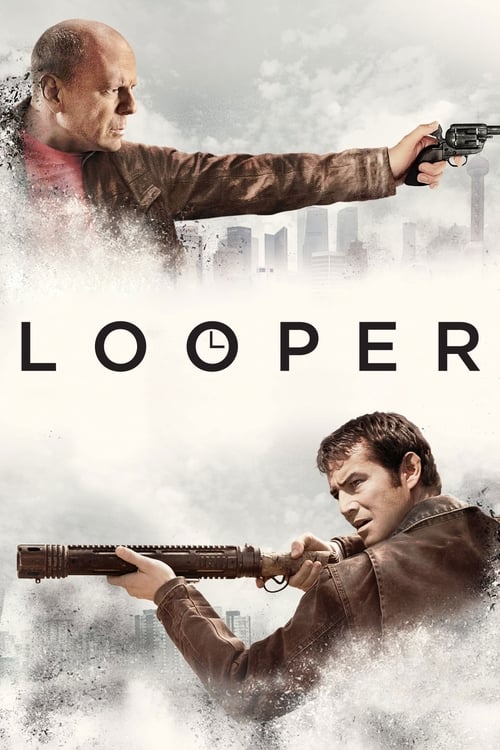
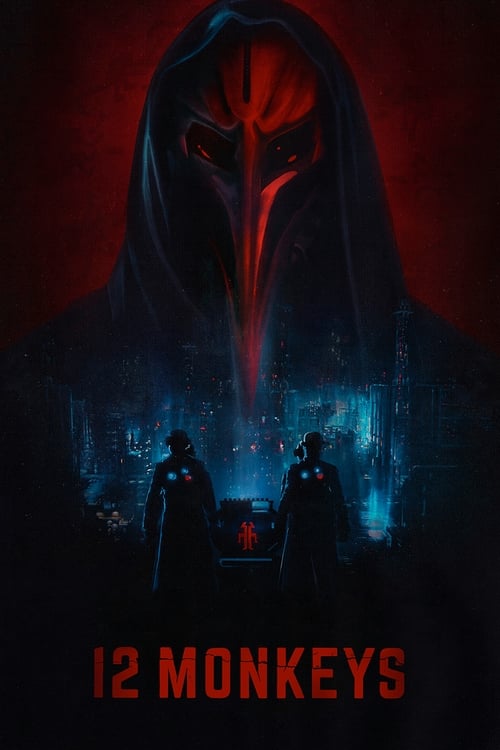
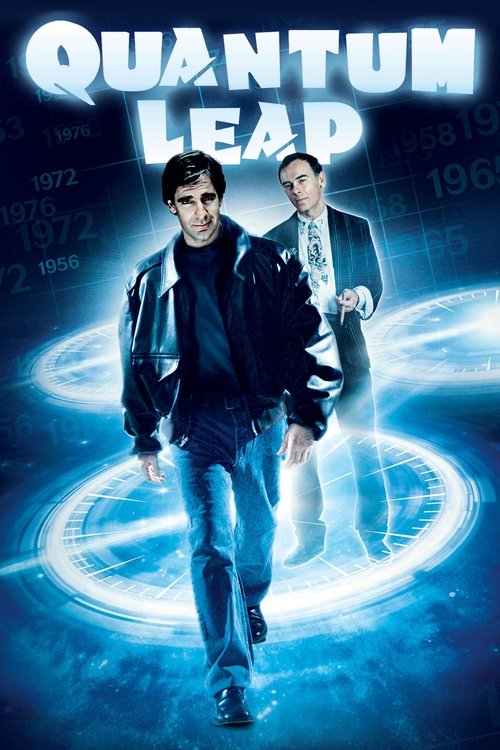
If You Love the Time-Travel Puzzle Box
Films and series where messing with the timeline is both the problem and the point


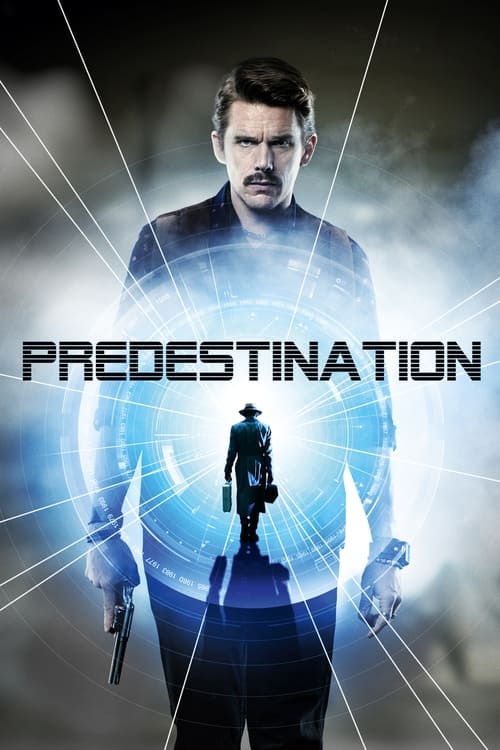
If You Love Running at the Speed of the Plot
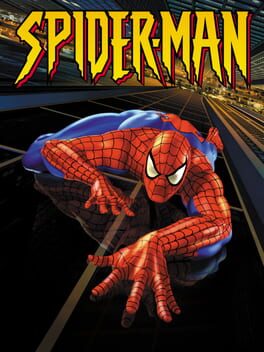
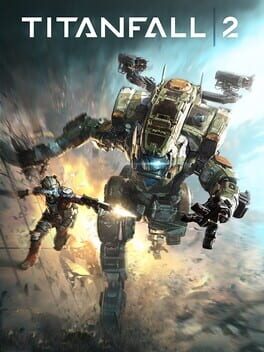
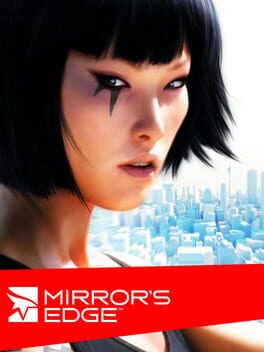
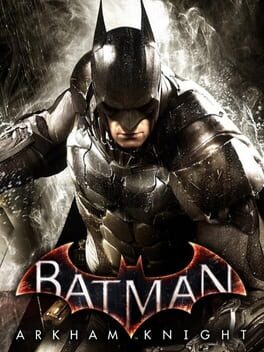
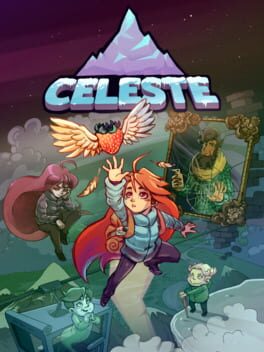
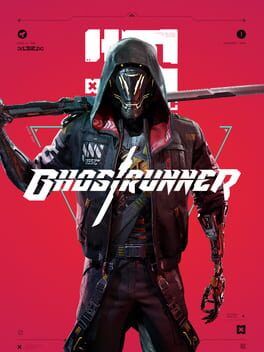
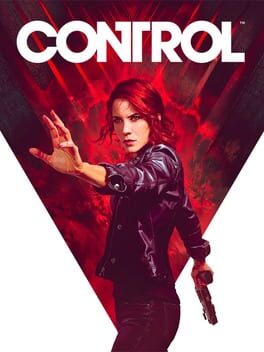
Games that reward momentum, quick reflexes, and covering ground fast

If You Love the Science-Hero Archetype
Books that put a scientist at the centre of a world-scale crisis


Season 1 Is Still the Best Season of Superhero Television
The first season of The Flash (2014) achieves something rare: a villain who is genuinely frightening while the show around him stays light. Tom Cavanagh's Harrison Wells is the template for the mentor-turned-threat, and the season's patient long game rewards binge-watching in a way that serialised superhero TV rarely does. No subsequent season matched the careful pacing of that opening year, and no rival show in the genre has clearly surpassed it.
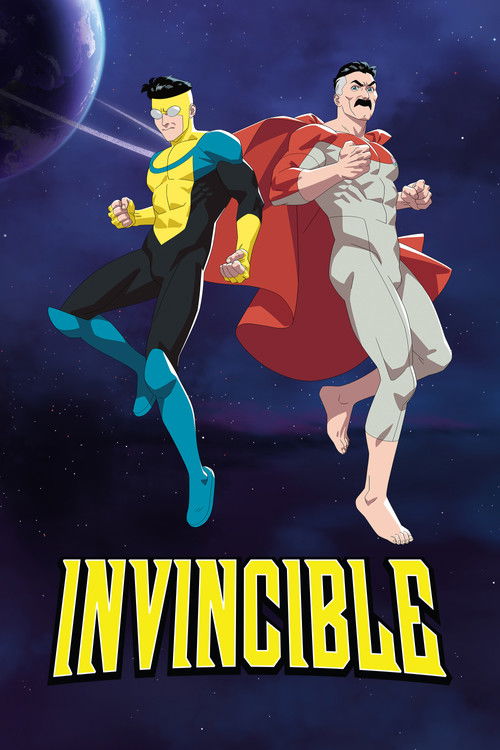
Invincible Is What The Flash Would Be If It Dropped the Safety Net
Robert Kirkman's Invincible (in both comic and animated form) occupies the same tonal register as The Flash for two thirds of its runtime, then dismantles every expectation about superhero storytelling in a way the CW show was never allowed to. If you finished The Flash and wanted the story to go somewhere it obviously couldn't on network television, Invincible is the destination.
Dark Matter (Blake Crouch) Is the Novel the Show Deserved
Blake Crouch's Dark Matter (2016) is not a superhero story, but it is exactly the kind of science-emotional thriller that The Flash aspired to be whenever it got serious about its multiverse mythology. A physicist snapped into an alternate life has to fight his way back through quantum possibility to the family he loves, and the book never lets the high-concept machinery crowd out the human stakes. It reads like a Flash season that was allowed to commit fully to its premise.
The Flash Through Time
- 1940Jay Garrick becomes the first Flash in comics, debuting in Flash Comics #1
- 1956Barry Allen introduced in Showcase #4, launching the Silver Age of comics
- 1990The first live-action Flash TV series premieres on CBS The Flash
- 2009Flash: Rebirth reestablishes Barry Allen as DC's defining speedster
- 2011Flashpoint storyline rewrites the DC universe and inspires later TV adaptations
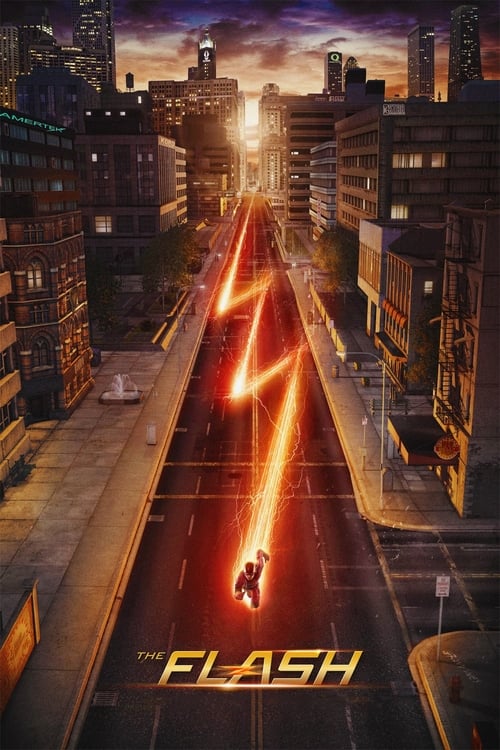
- 2014The CW's The Flash premieres; becomes the network's biggest superhero hit The Flash
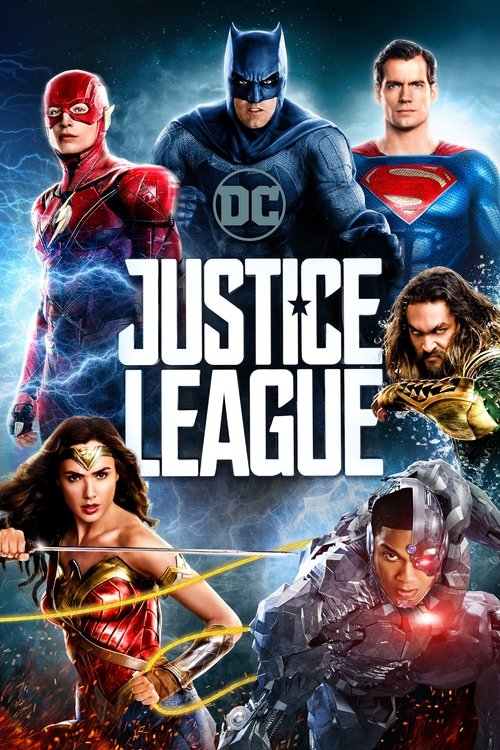
- 2017Barry Allen appears in Justice League on the big screen Justice League
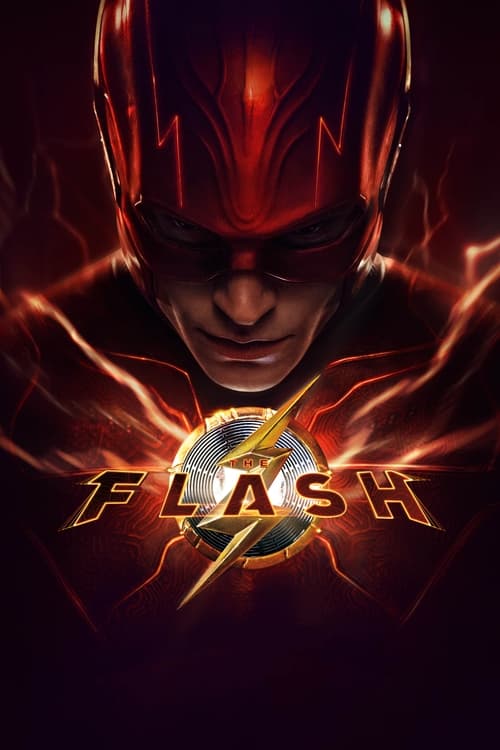
- 2023The Flash theatrical film explores Flashpoint and the DC multiverse The Flash
Barry Allen is not the world's greatest warrior or detective. He's the guy who runs toward the explosion because he genuinely believes he can outrun the shockwave. That uncomplicated courage is why the character has survived for eighty years.CrossBinge editors