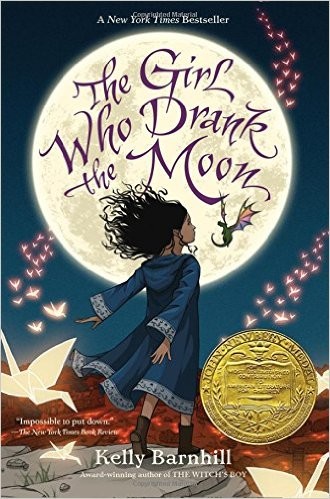

Kelly Barnhill's Newbery-winning novel works because it refuses to separate beauty from danger. The witch Xan feeds moonglow to the forest children she rescues, accidentally filling one baby girl with pure magic she cannot yet control. The town that sacrifices that child every year to appease the Bog Monster has built its whole civic identity on a lie; the monster is grief. What fans are chasing is that specific tonal braid: lush, lyrical prose that reads like a grown-up fairy tale, a monster revealed to be something sadder than evil, a child protagonist whose power comes with a cost she never asked for, and a tenderness toward the aged and the broken. The book insists that love and loss are the same story told from different ends. Everything below follows that thread.
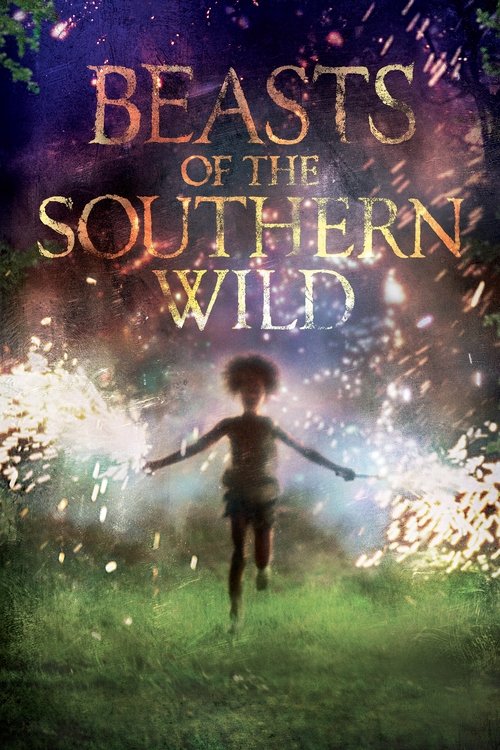
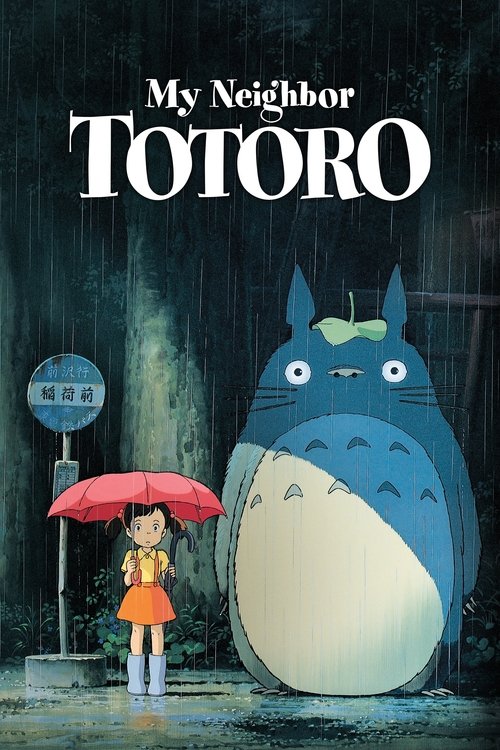
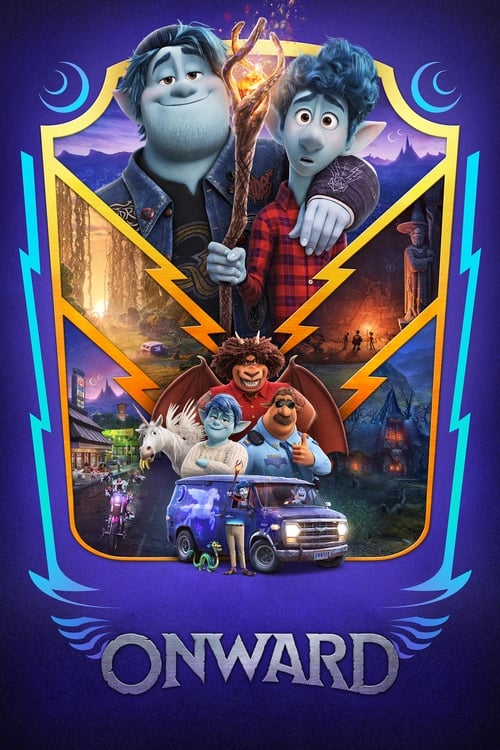
Films for the Fairy-Tale Gothic Heart
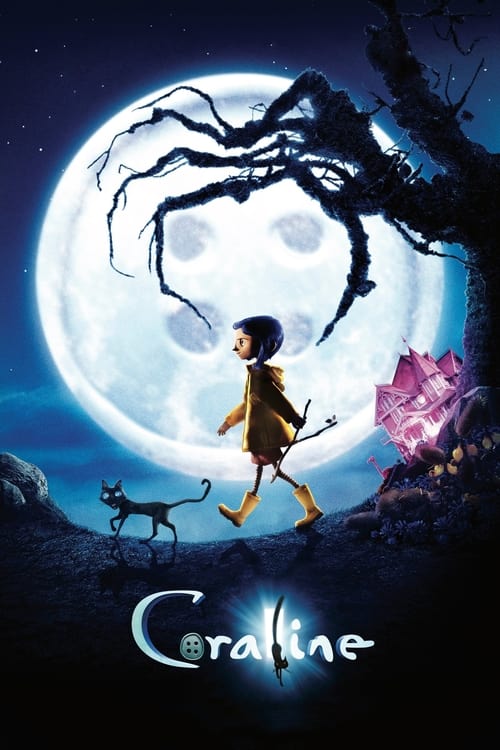
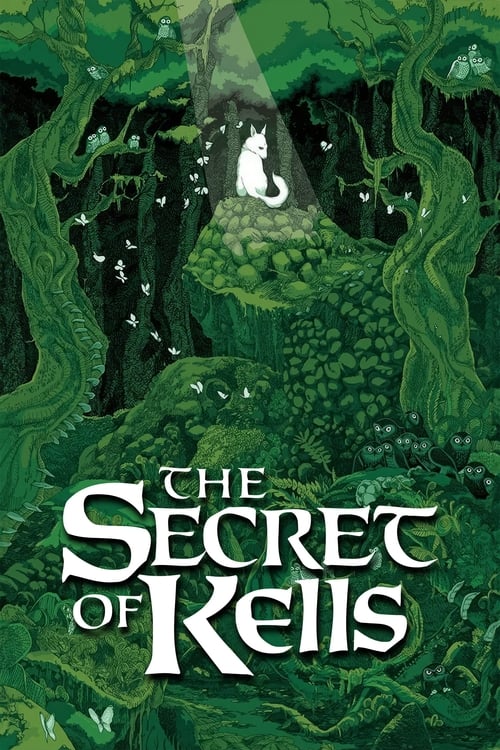
Animated and live-action films that hold enchantment and sorrow in the same frame.

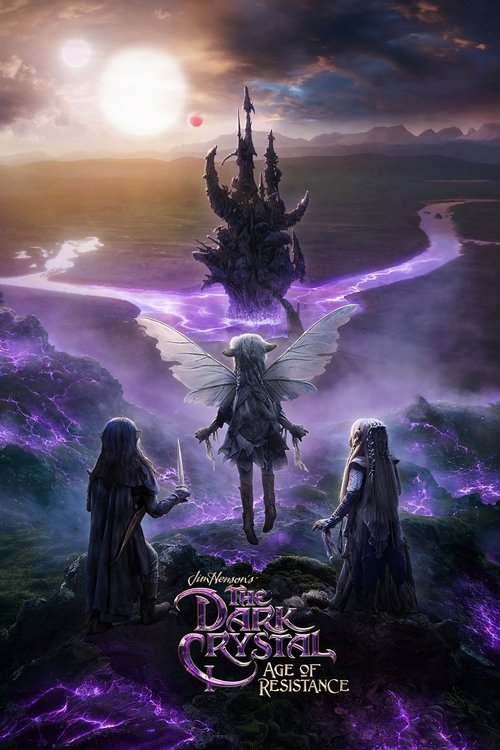
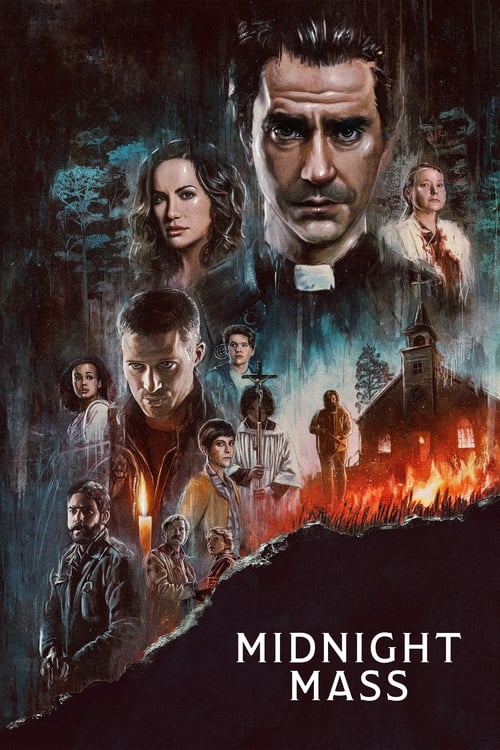
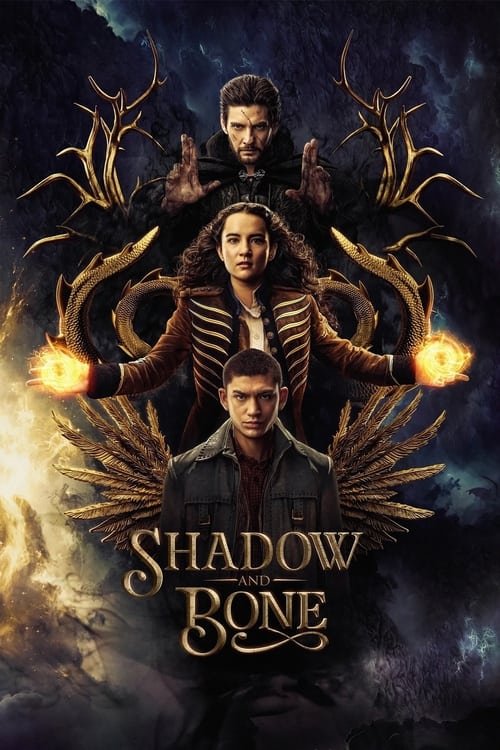
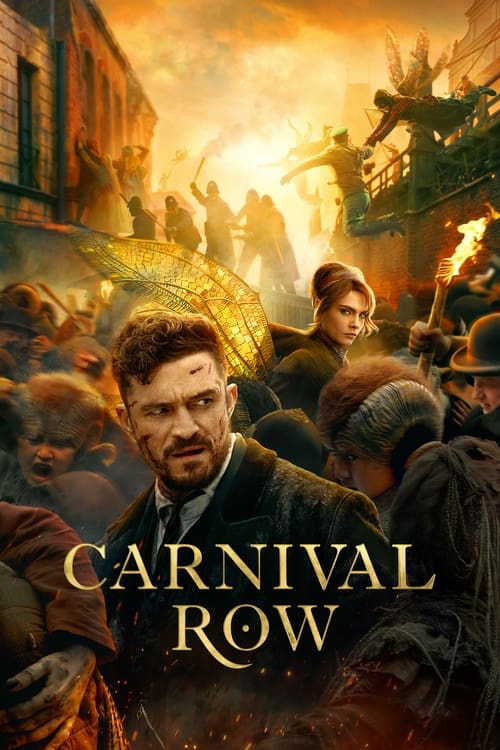
Series That Live in the Liminal
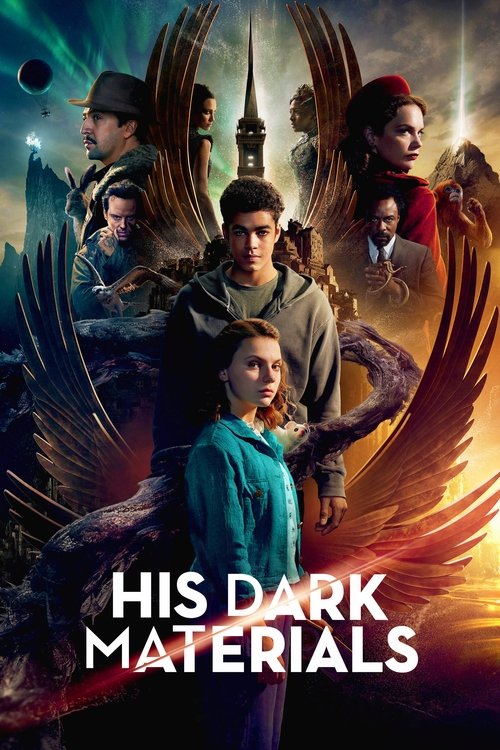
Television and streaming series built on folklore, hidden magic, and communities shaped by old lies.

Games Where Magic Costs Something Real
Games built around wonder, sacrifice, and the weight of old forest magic.
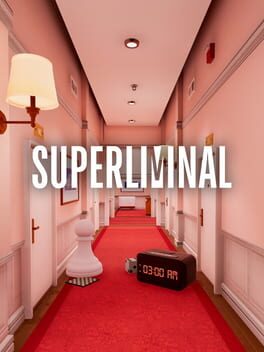
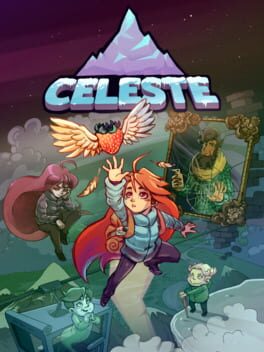
The Villain Is Never the Monster
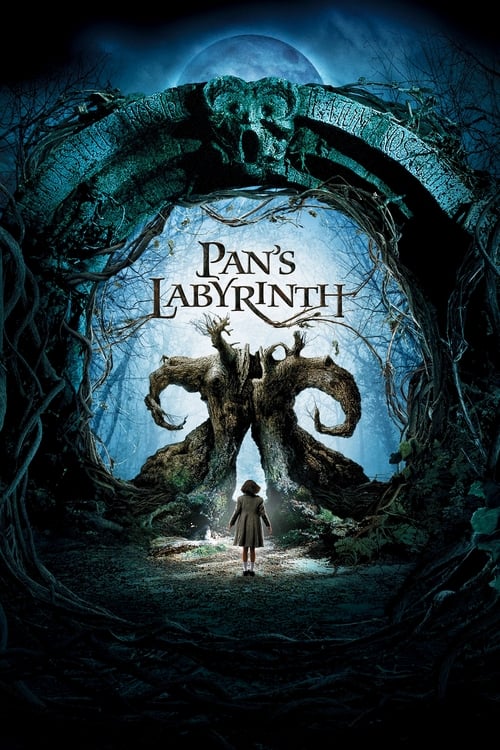
Barnhill's Bog Monster is not evil; it is an old man warped by grief so total it could not contain itself. The real villains are the institutional ones: the Elders who maintain the lie because truth would require them to admit culpability. This is the move the best dark fantasy keeps making. Pan's Labyrinth gives us a fascist captain who is genuinely terrifying while the monster in the labyrinth turns out to be navigable. A Monster Calls literalizes the same dynamic: the creature comes not to devour but to demand honesty from a boy who cannot yet speak his own grief. The monster is always the story we refuse to tell.
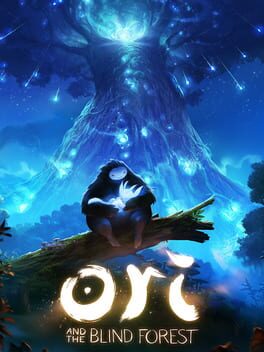
Ori and the Blind Forest Is the Game Version of This Book
Both begin with an act of sacrifice by a parental figure who does not survive the opening. Both center a small creature of light navigating a forest that is dying because something true has been forgotten or suppressed. The emotional architecture is nearly identical: grief as ecology, hope as a physical force that reshapes the world. Ori does it without a word of spoken dialogue; Barnhill does it with sentences that accumulate like sediment. The experience of finishing either one is the same: you feel as though you have been crying inside a song.
Studio Ghibli Invented the Aesthetic This Book Lives In
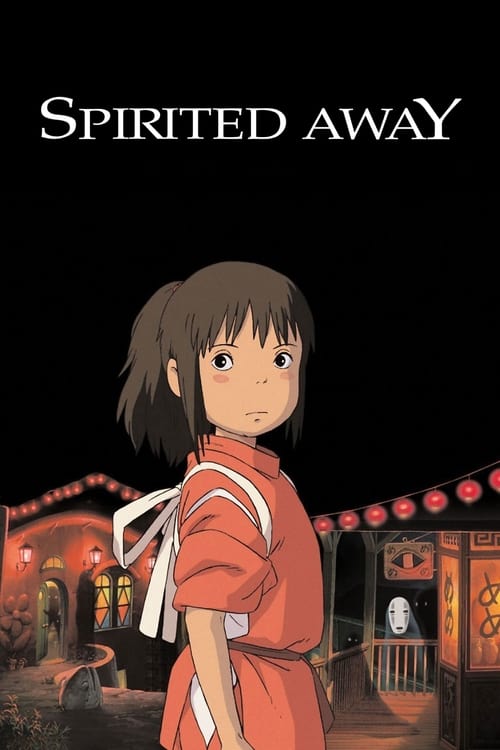
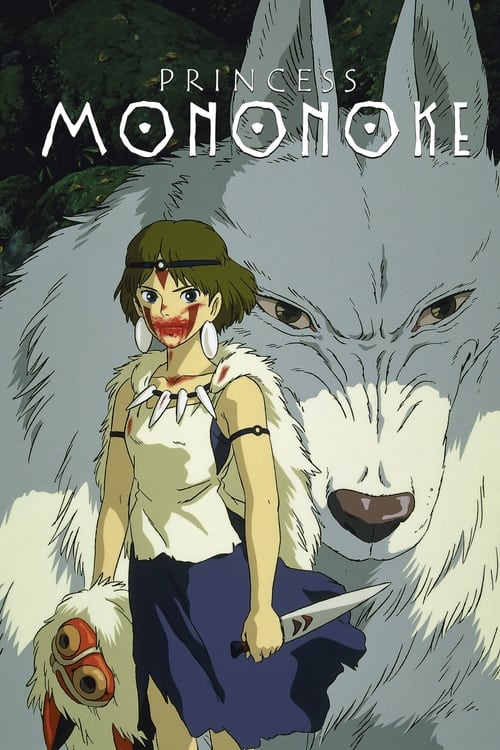
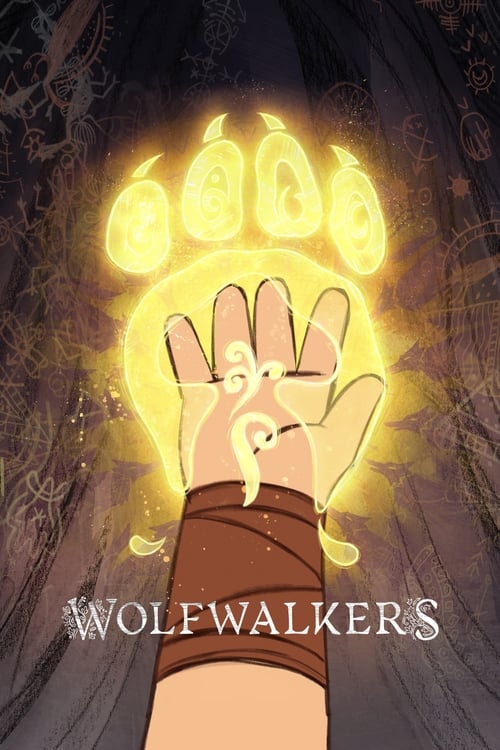
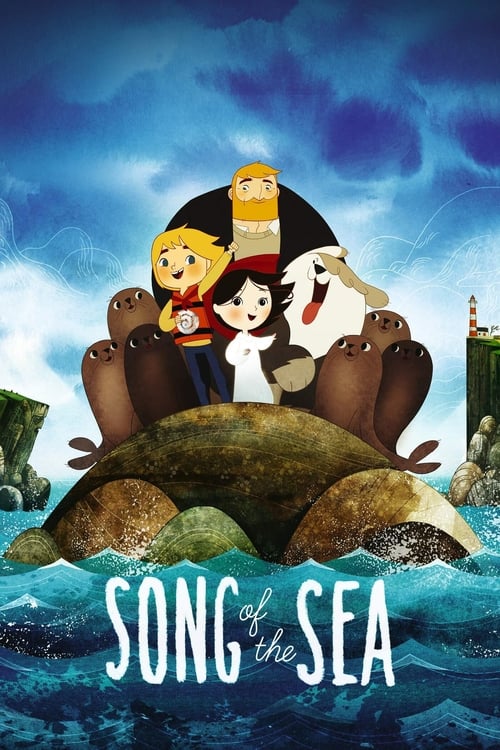
The enchanted-forest logic, the child protagonist with power beyond her understanding, the ancient creature who is neither enemy nor ally but something more like a force of nature with personality: Barnhill did not invent this, and she would probably not claim to. Miyazaki built the visual and emotional grammar that made novels like this legible to a generation of readers. Song of the Sea and Wolfwalkers extended it into Celtic mythology with the same rigorous tenderness. Fans of Barnhill's book who have not seen these films are missing the visual language their own imagination drew on while they read.
A Short History of the Literary Fairy Tale for Adults
- 1812Grimm brothers collect and publish German folk tales, establishing the template that every subsequent literary fairy tale either follows or argues with.
- 1945C.S. Lewis begins the Narnia sequence, the first major English-language children's fantasy to treat the fairy-tale form as philosophically serious. The Lion, the Witch and the Wardrobe
- 1968Ursula K. Le Guin publishes A Wizard of Earthsea, insisting that magic is a discipline with moral consequences and that the true enemy is the self. A Wizard of Earthsea
- 1984Studio Ghibli is founded; Miyazaki begins building an animated body of work that will define enchanted-forest aesthetics for decades.
- 1997Donna Jo Napoli and others prove that dark fairy-tale retellings aimed at young adults can be literary and commercially serious.
- 2006Pan's Labyrinth shows that a fairy-tale film for adults can be simultaneously brutal, beautiful, and morally unambiguous. Pan's Labyrinth
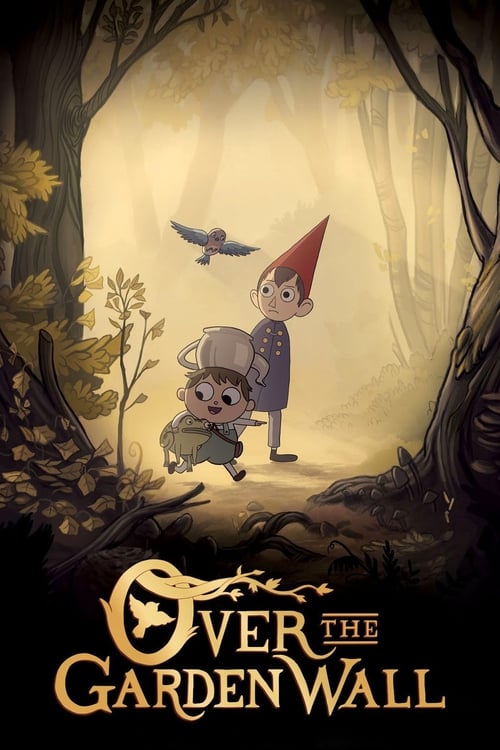
- 2011Over the Garden Wall (later 2014) and a wave of animated short-form work bring the literary fairy-tale tone to episodic television. Over the Garden Wall
- 2016The Girl Who Drank the Moon wins the Newbery Medal, confirming that the literary fairy tale for children can be uncompromisingly strange. The Girl Who Drank the Moon
- 2017Naomi Novik's Spinning Silver extends the Eastern European folk-tale strand into adult fiction with structural rigor.
- 2019Spiritfarer begins development, eventually proving that a game about grief, magic, and letting go can be as emotionally precise as a novel. Spiritfarer
Every story is true. And the truest ones are the ones that hurt the most.Kelly Barnhill, The Girl Who Drank the Moon