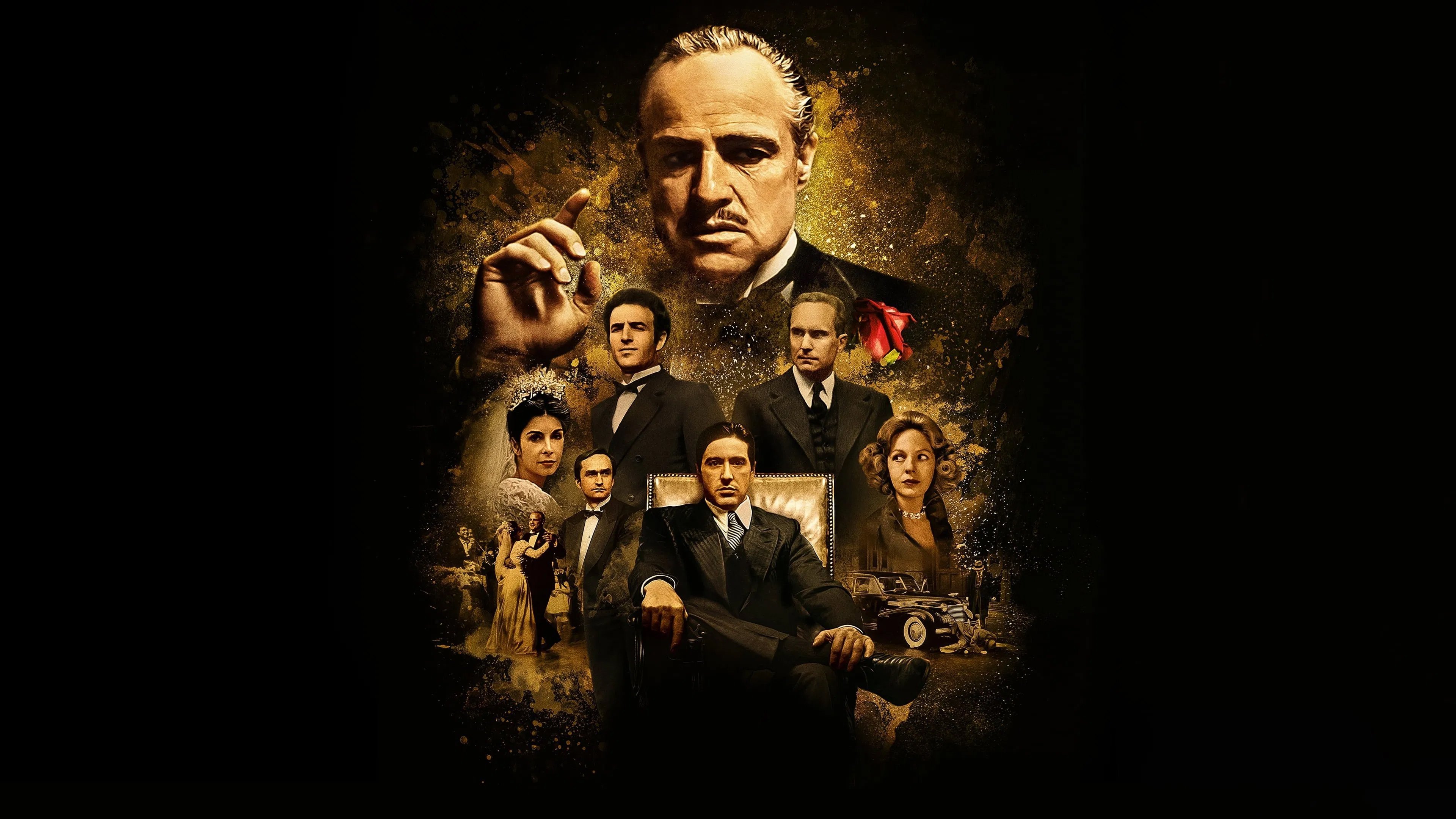

The Godfather is not a gangster movie about violence. It is a film about the seduction of power, the cost of loyalty, and the slow corruption of a man who believed he could keep his hands clean. What Francis Ford Coppola captured in 1972 was something operatic and intimate at once: a family that functions like a nation-state, where every favor carries a price and every betrayal echoes across generations. The through-line fans chase is that weight. The sense that every decision is irreversible. The elegance of men doing terrible things with perfect composure. Whether you find it in novels, prestige television, video games, or music, the Godfather feeling is specific: moral gravity dressed in beautiful clothes.
The Corleone Legacy
The trilogy and its closest kin, for completists
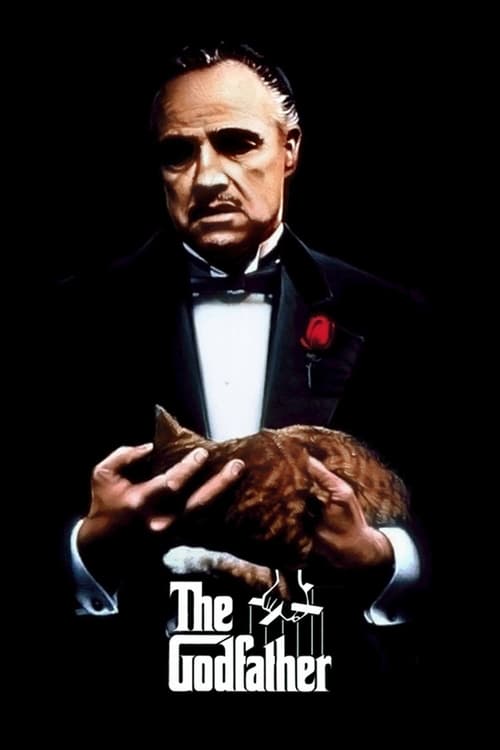
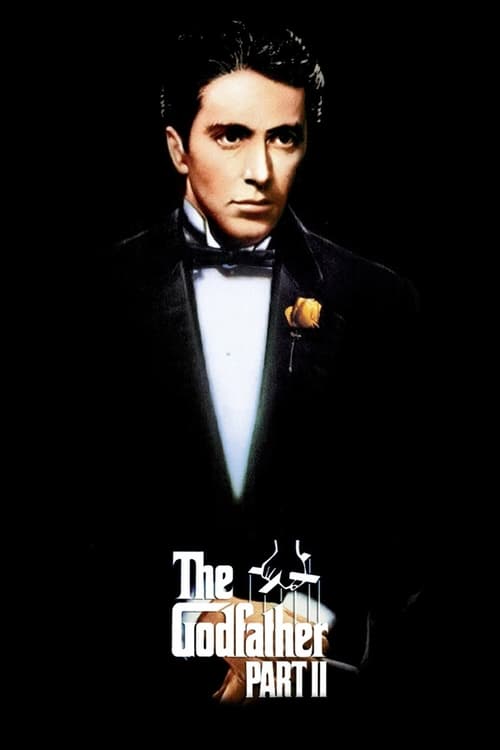


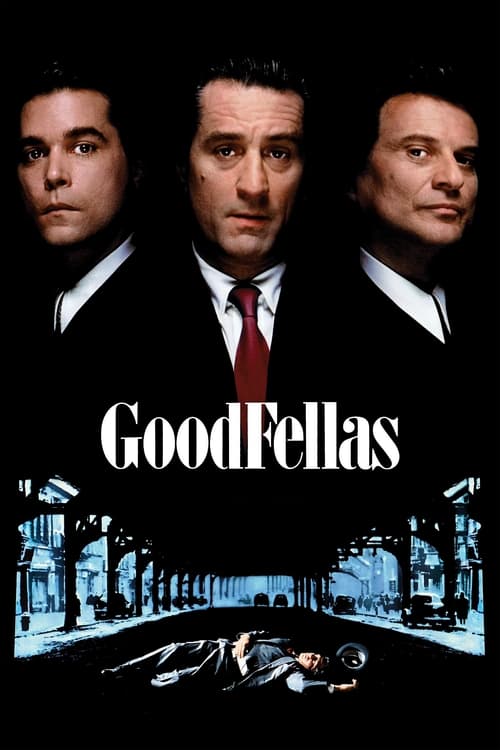
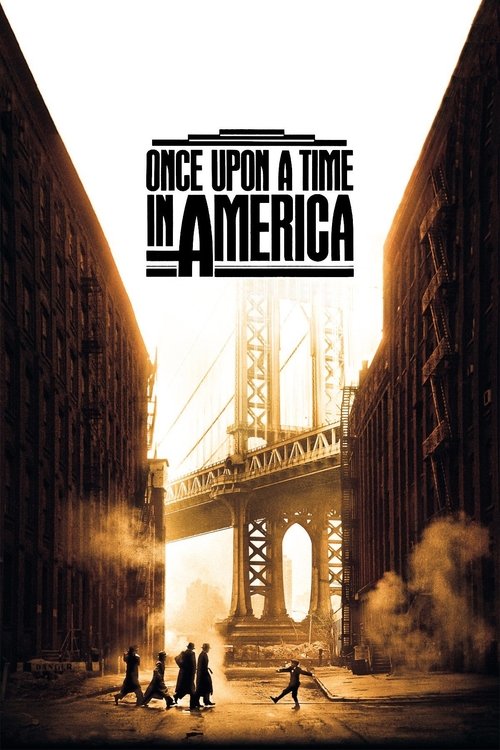
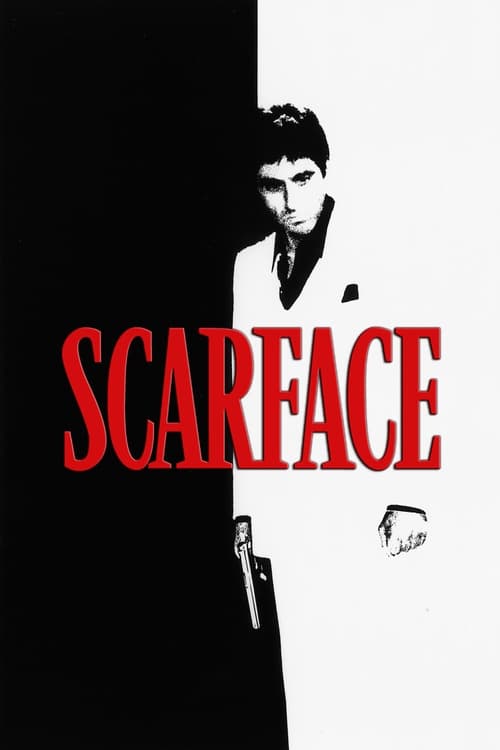
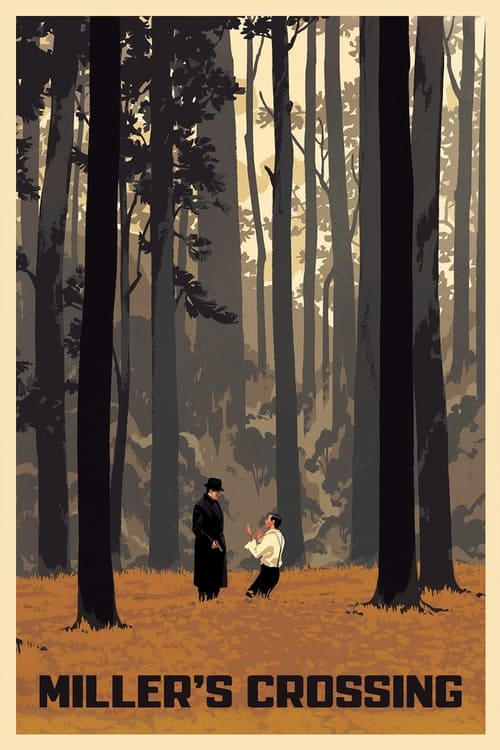
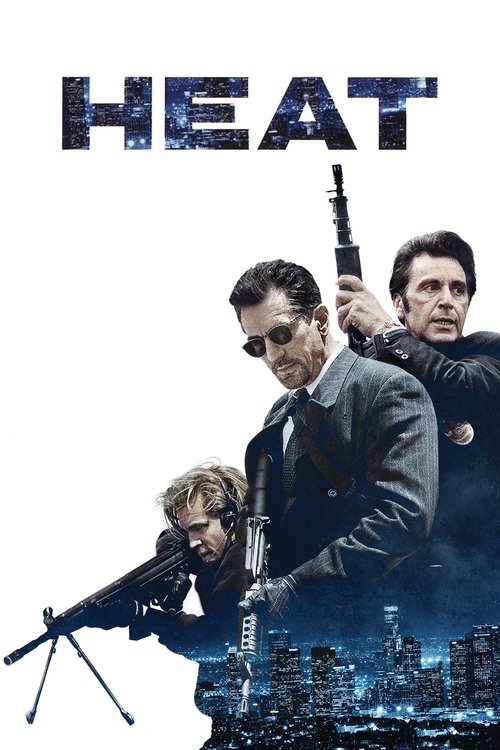
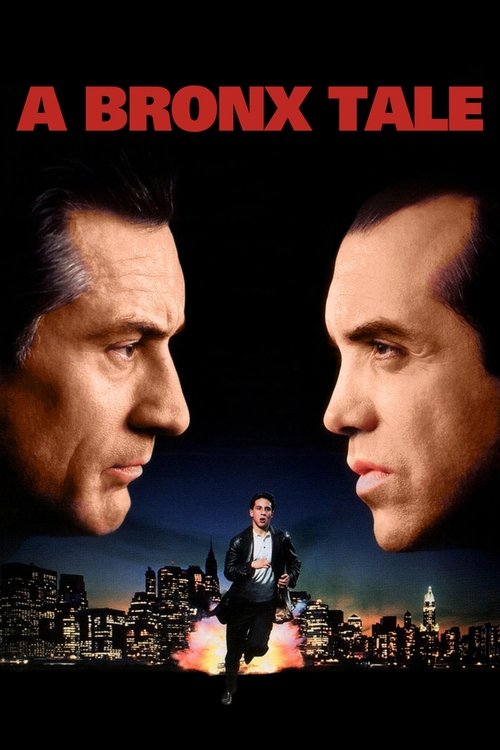
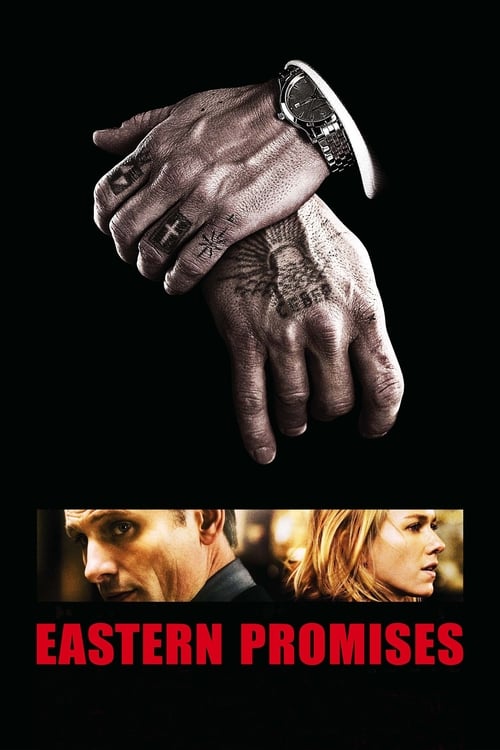
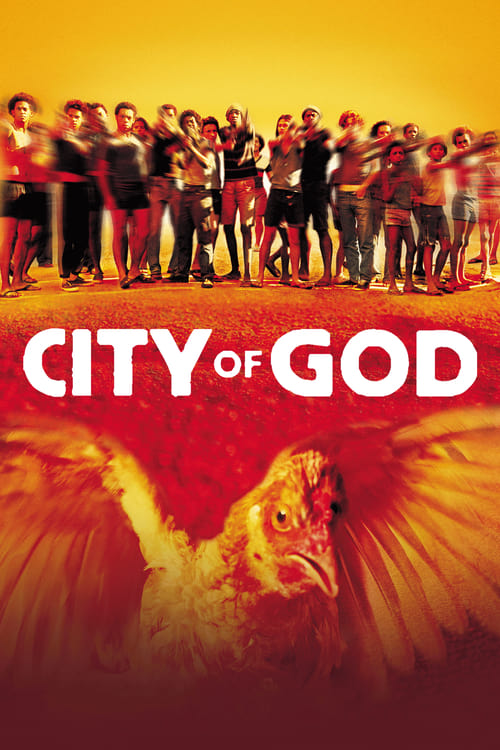
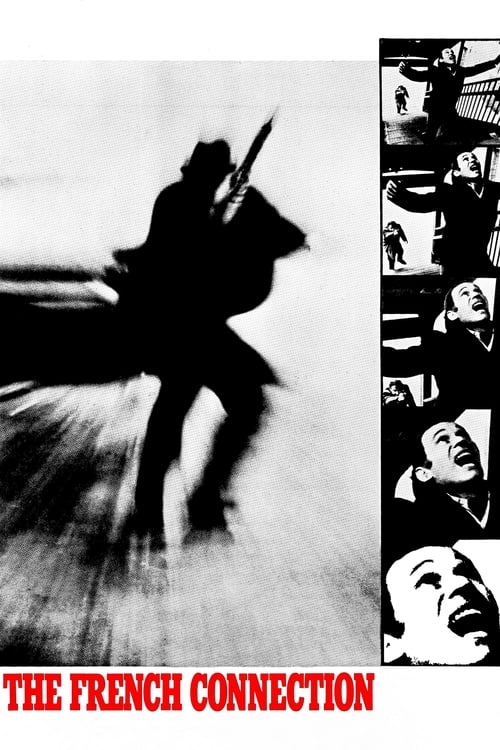
Films That Carry the Same Weight
Crime epics built on loyalty, betrayal, and moral consequence

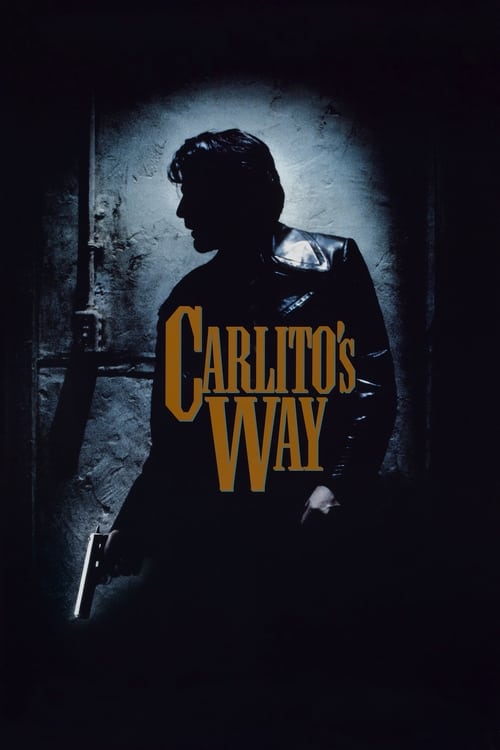
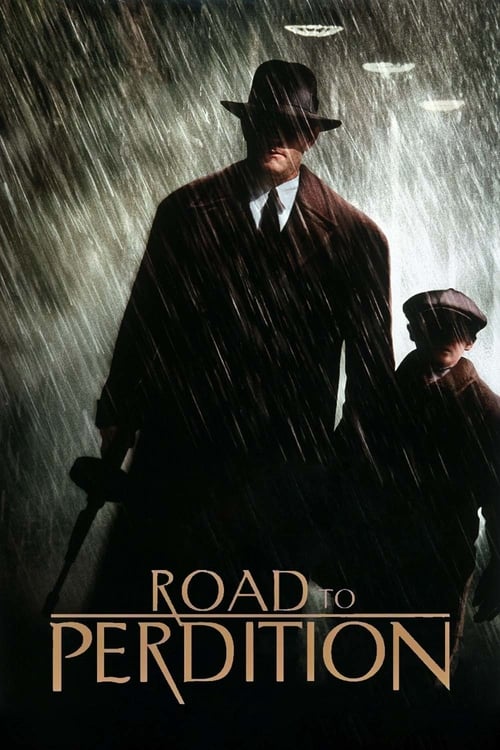
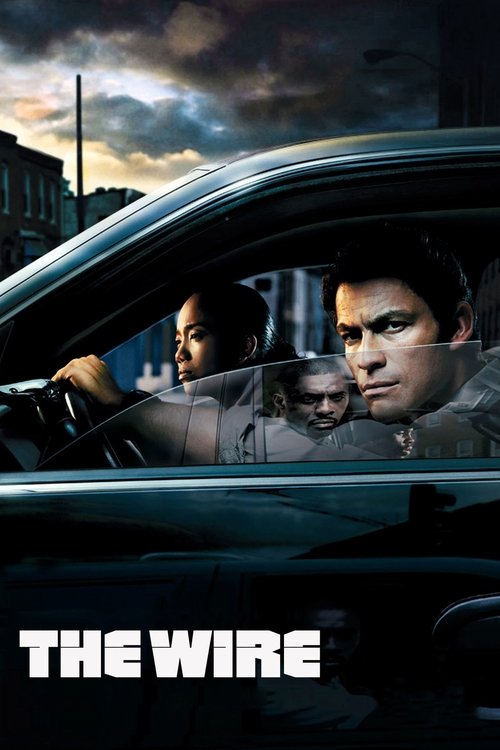
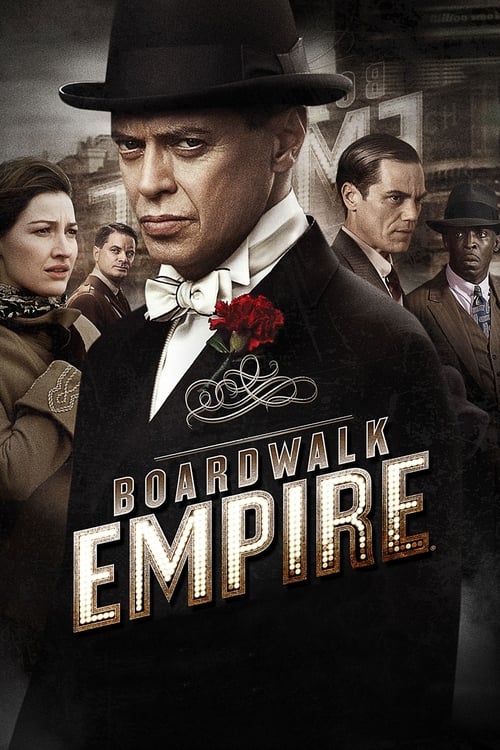
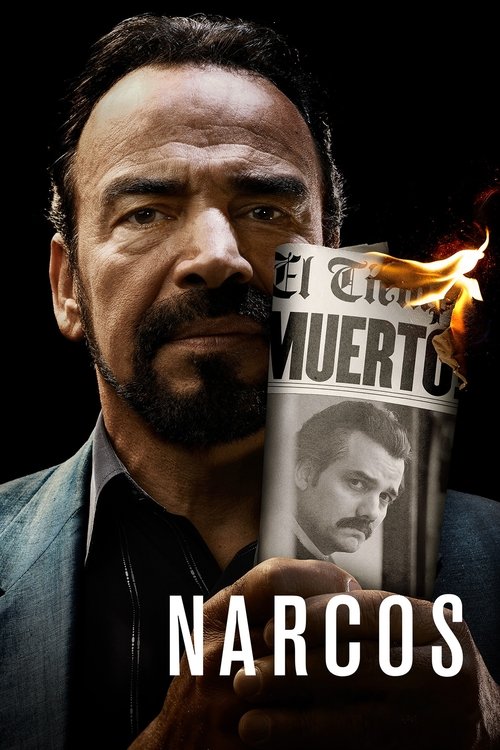
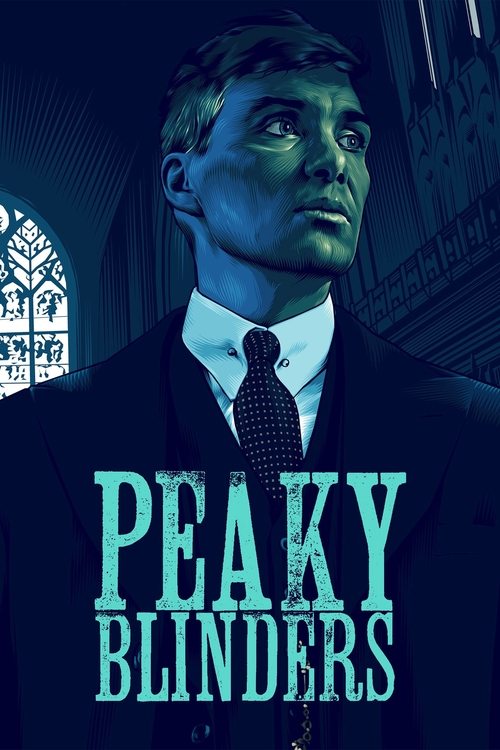
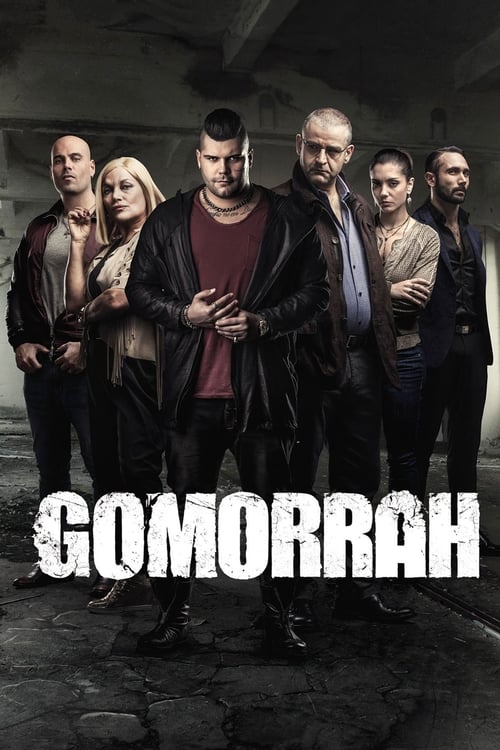
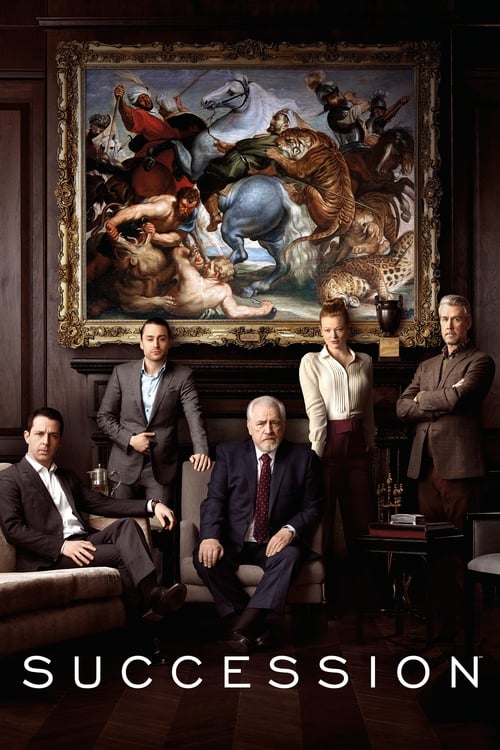
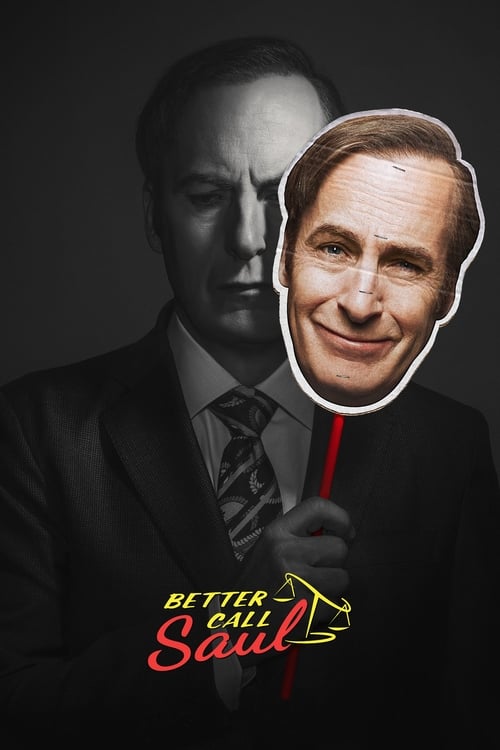
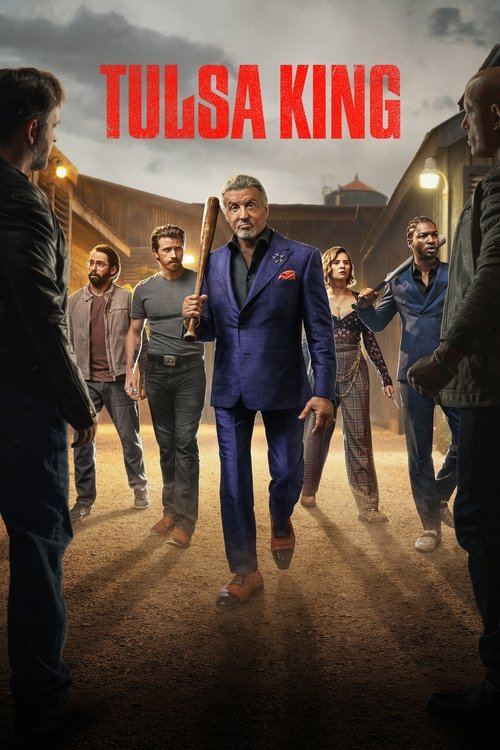
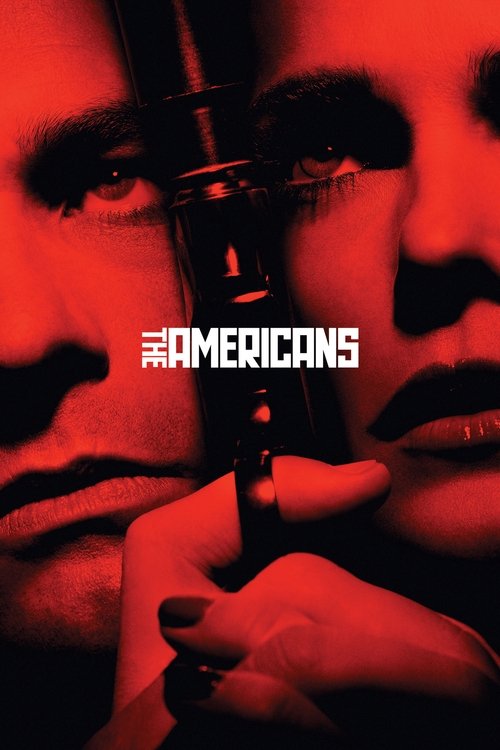
Television That Goes to the Mattresses
Series with the patience and moral complexity of a Coppola saga
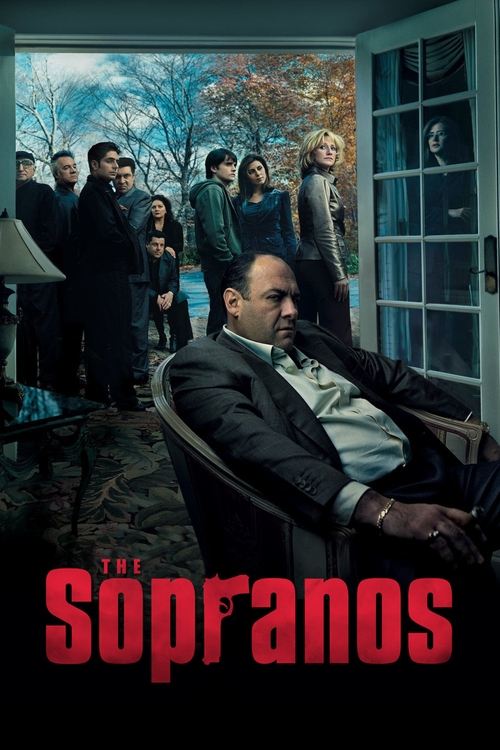
The Sopranos Is the Godfather's True Heir
Every comparison between The Sopranos and The Godfather is ultimately a compliment to both. David Chase built Tony Soprano as a man who watched too many gangster films and believed himself the hero of one, which is precisely the irony Coppola embedded in Michael Corleone. Both works use domestic life, the family dinner table, as the ground zero of moral decay. The difference is that Chase had 86 hours to luxuriate in the rot.
The Literature of Organized Power
Novels that map the same terrain of crime, family, and consequence


Mario Puzo's Novel Is Darker and Stranger Than the Film
The 1969 novel that launched the franchise is rawer, pulpier, and more explicit than Coppola's refined adaptation. Puzo spent more time in Las Vegas, more time inside the logic of the criminal economy, and less time with the elegant visual grammar that Gordon Willis gave the film. Reading it after watching the movie is like finding the rough sketch beneath the painting. Both are essential, and neither quite replaces the other.
Games That Put You Inside the Machine
Interactive power and consequence, from organized crime to empire building
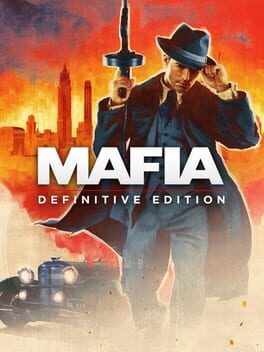
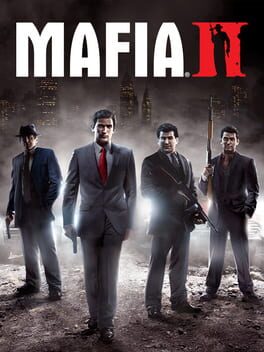
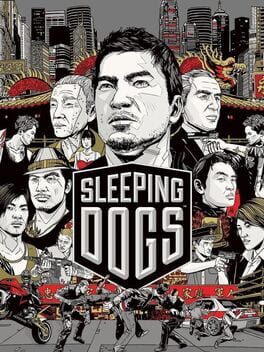
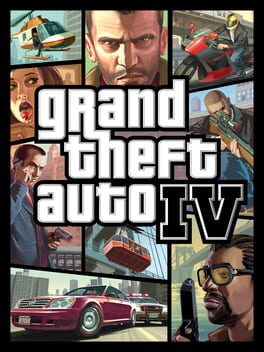
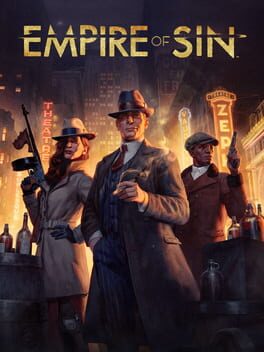
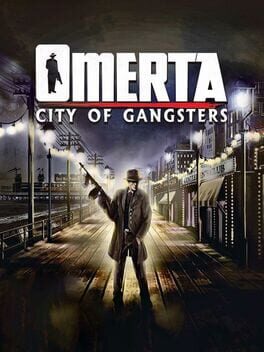
The Mafia Series Is the Closest Games Have Come to This Feeling
The Mafia trilogy, particularly the 2002 original and its 2020 remake, understands something most open-world crime games forget: the weight of belonging to an organization that owns you. The protagonist of Mafia is not a self-made criminal entrepreneur. He is a man recruited into something larger than himself and slowly destroyed by it. That is the Godfather arc. The difference is scale, not sensibility.
Leave the gun. Take the cannoli.Peter Clemenza, The Godfather (1972)
How the Corleone Story Unfolded
- 1969Mario Puzo publishes the source novel The Godfather
- 1972Coppola's film premieres; instant cultural landmark The Godfather
- 1974Part II expands the saga backward and forward in time The Godfather Part II
- 1984Sergio Leone's Once Upon a Time in America redraws the genre Once Upon a Time in America
- 1990Puzo and Coppola close the trilogy The Godfather Part III
- 1999The Sopranos premieres on HBO; the conversation shifts to television The Sopranos
- 2002Mafia becomes the first game to genuinely capture organized-crime drama Mafia
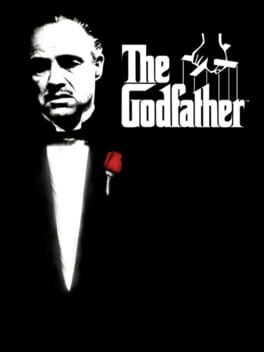
- 2006An official Godfather video game adaptation arrives The Godfather
- 2010Boardwalk Empire brings Prohibition-era organized crime to prestige TV Boardwalk Empire
- 2020Mafia: Definitive Edition resets the bar for crime narrative in games Mafia: Definitive Edition