

What "The Hero of Ages" does that almost no fantasy finale manages is collapse the myth it spent two books building. The hero is not who you thought. The god is not benevolent. The prophecy was a mechanism of control. Brandon Sanderson's 2008 conclusion to the Mistborn trilogy earns its ending not through spectacle alone but through a years-long pay-off of buried logic: every rule of allomancy, every ash-fall, every doomed imperial decree turns out to be load-bearing. Fans of this book are chasing a specific feeling, the slow-burn revelation that the world has been lying to everyone in it, combined with a cast of survivors who choose to pay an impossible price anyway. That combination of rigorous system-building, political aftermath, theological inversion, and earned emotional devastation is what the recommendations below are built around.
Essential Mistborn
The trilogy and the broader Cosmere works that share its DNA most directly


Other Novels Built on Broken Prophecies
Fantasy and SF books where the chosen-one myth is the problem, not the solution


Screen: Empires That Deserve to Fall
Films and series about rotten systems, impossible heists against power, and the people who pay the cost


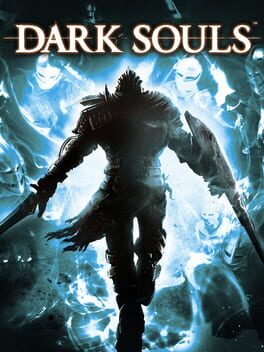
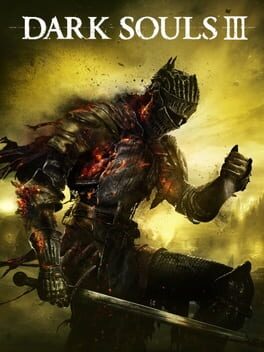
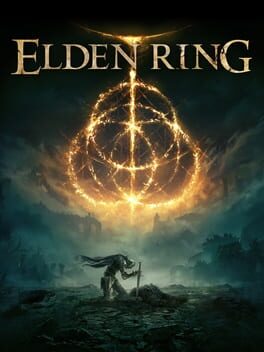
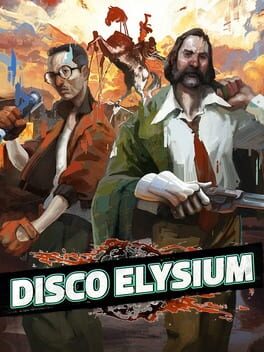
Games Where the Lore Is the Reward
Systems-driven games with theological world-building and endings that reframe everything
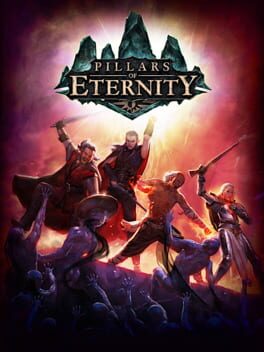
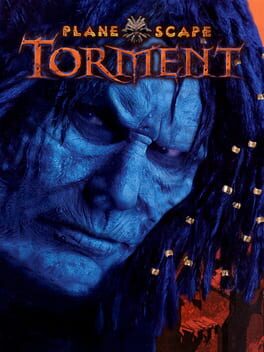
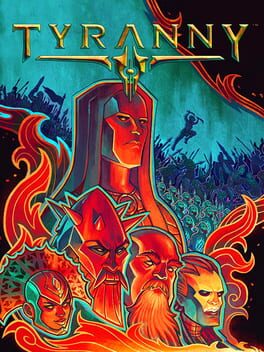
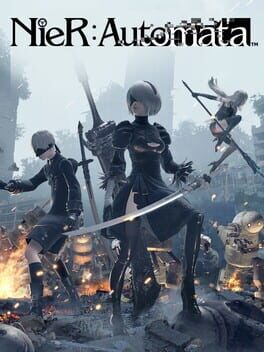

Hard magic systems are a form of literary fairness
Sanderson's First Law states that an author's ability to solve problems with magic is proportional to how well the reader understands it. "The Hero of Ages" is the fullest proof of that principle: the climax works because every element of it was seeded and explained. Readers drawn to this approach are often frustrated by fantasy that reserves the best tricks for the finale without foreshadowing. The satisfaction here is closer to a locked-room mystery than to a traditional epic. The games and novels in these carousels that reward the same instinct are the ones where the rules are kept, even when breaking them would be easier.
The Mistborn Cosmere Timeline
- 2006The heist that started it all
- 2007The siege and the Well The Well of Ascension
- 2008The finale rewrites the trilogy The Hero of Ages
- 2011300 years later: guns and allomancy The Alloy of Law
- 2015Wax and Wayne continue
- 2016The Bands of Mourning arc closes The Bands of Mourning
- 2022Era 2 conclusion
The ash fell because it had to. The mists came because something needed them. And the hero was not the warrior but the one who understood why any of it had to end.On the structure of the Mistborn finale
Political aftermath is harder to write than political uprising
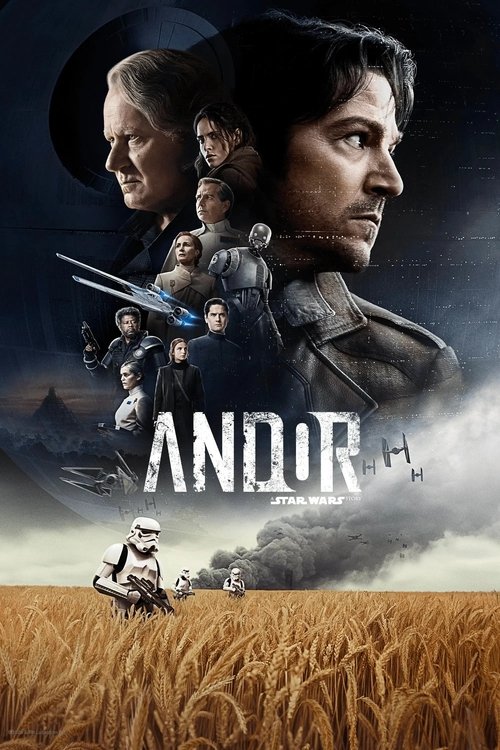
"The Final Empire" is a heist against a god-emperor. "The Hero of Ages" is the story of what comes after the heist succeeds and the world is still dying anyway. Very few fantasy series stay long enough in the rubble to ask what reconstruction looks like under apocalyptic pressure. Elend Venture's arc as a philosopher-king improvising legitimate governance amid ash-falls and koloss armies is more politically interesting than most dedicated secondary-world political fantasy. Readers who respond to this are usually also drawn to "Andor," "Pillars of Eternity," and Joe Abercrombie's work, all of which share the same refusal to let the fall of tyranny mean everything is fine now.
The best apocalypses are ecological
The ash, the mists, the dying plant life: Sanderson chose environmental collapse as his backdrop long before it became a dominant genre concern. The Final Empire is not merely oppressive politically, it is physically ruined, and the question of whether the world itself can be saved runs underneath every volume. That choice makes the stakes feel different from a purely military or dynastic fantasy. The same quality appears in "Nausicaa of the Valley of the Wind," in "Princess Mononoke," and in "Hollow Knight", where the world's sickness is not metaphorical but load-bearing for the plot.