

A respectable piano teacher. A two-story house his family cannot quite afford. A young maid hired to help, and everything that follows. Kim Ki-young's The Housemaid (1960) is one of cinema's great acts of sustained unease: a film that turns a bourgeois domestic fantasy into a pressure cooker, watching class anxiety and sexual transgression build until the walls crack. What fans chase in its wake is that specific combination: a hermetically sealed domestic space, a power structure visibly tilting, desire used as a weapon by the person who supposedly has none, and a director cool enough to keep all of it formally composed right up until the explosion. This is the cinema of the house as trap.
The Class in the House
Films where domestic space becomes a battleground for class resentment, desire, and the violence of inequality.


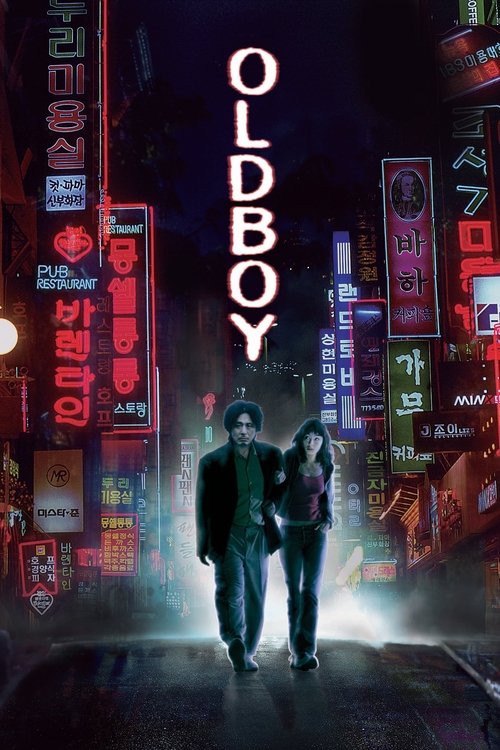
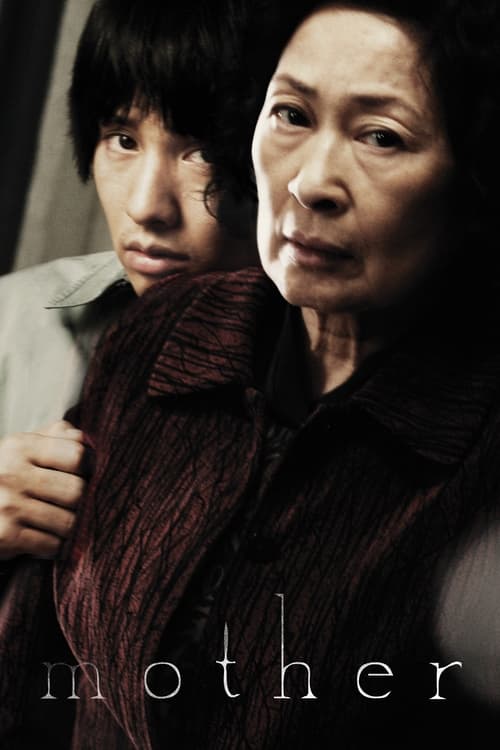
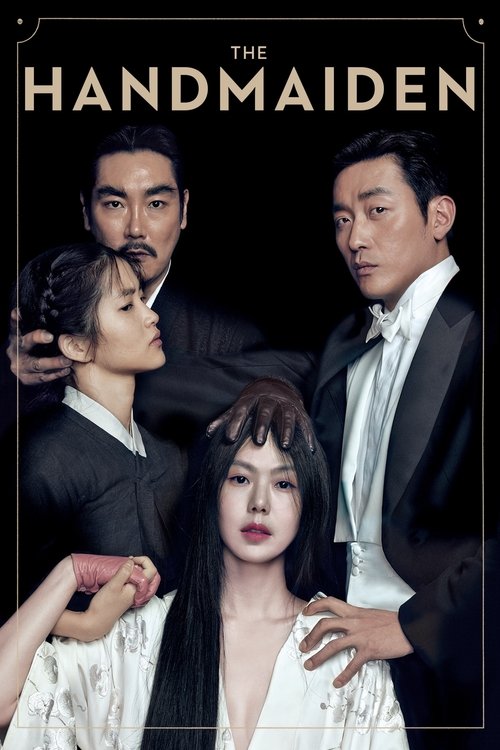
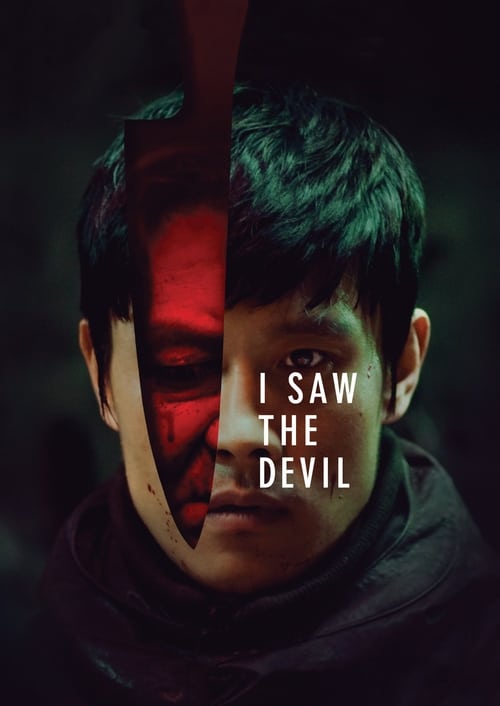
Korean Cinema's Dark Vein
The tradition of psychological intensity and genre audacity that The Housemaid seeded in Korean film.


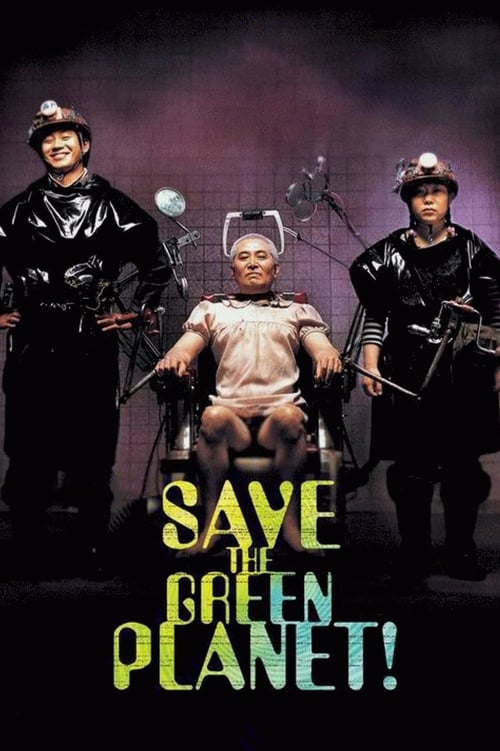
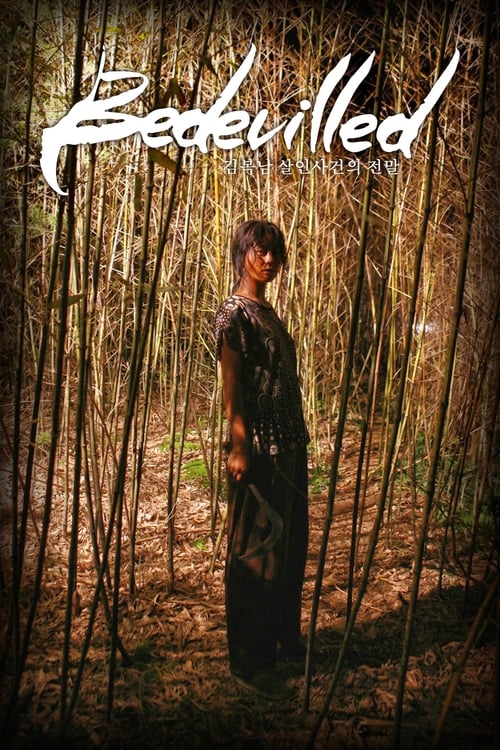
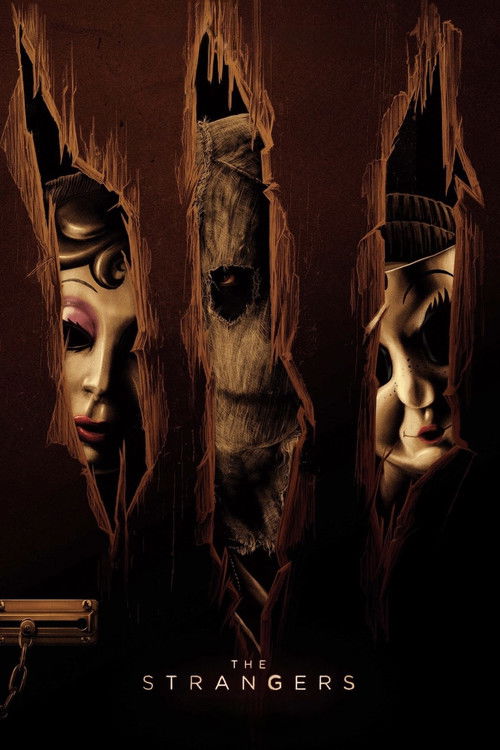
Small Spaces, Unbearable Pressure
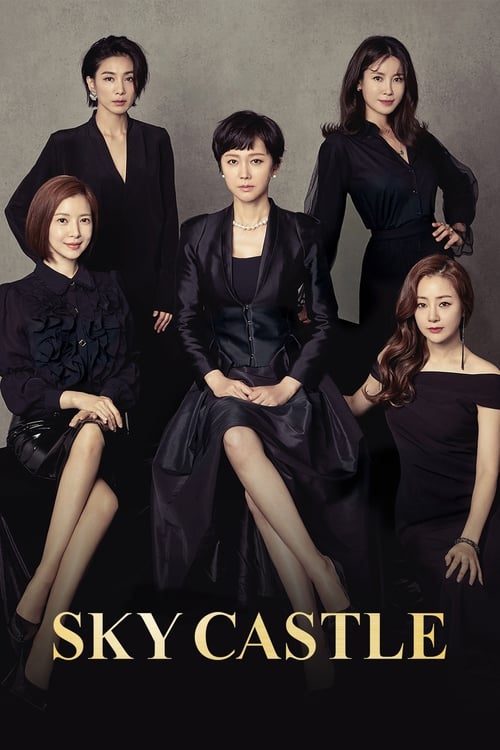
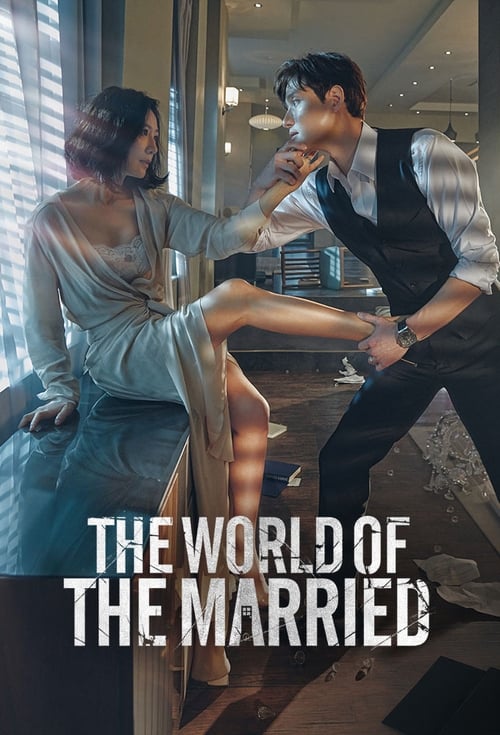
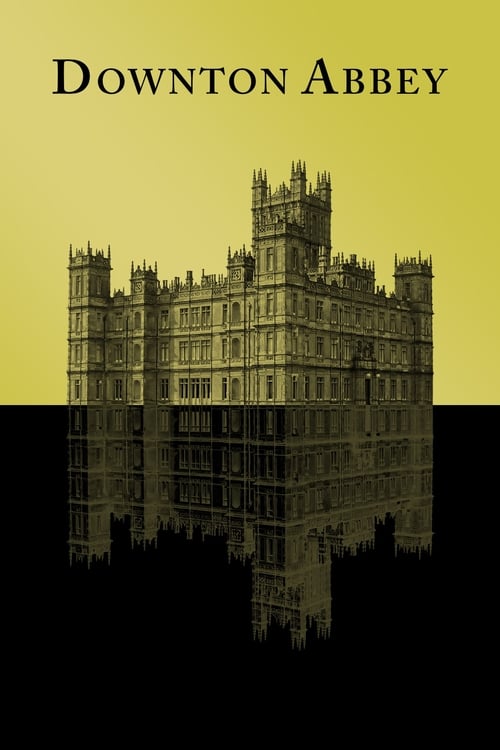
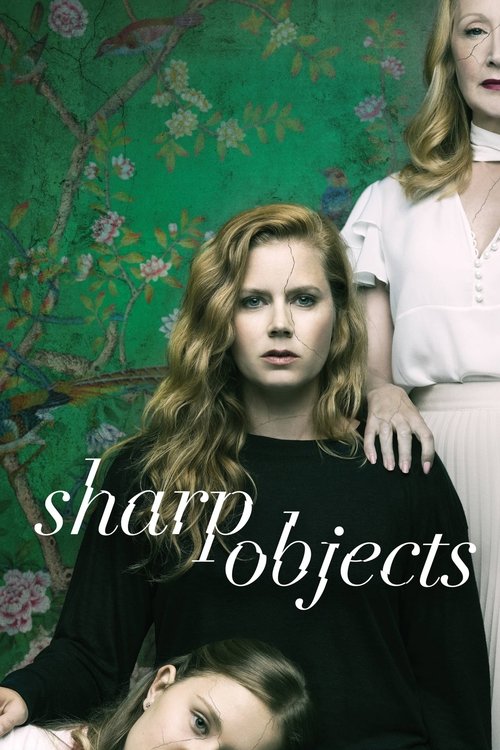
TV dramas and limited series built around the sealed household as a site of psychological warfare.
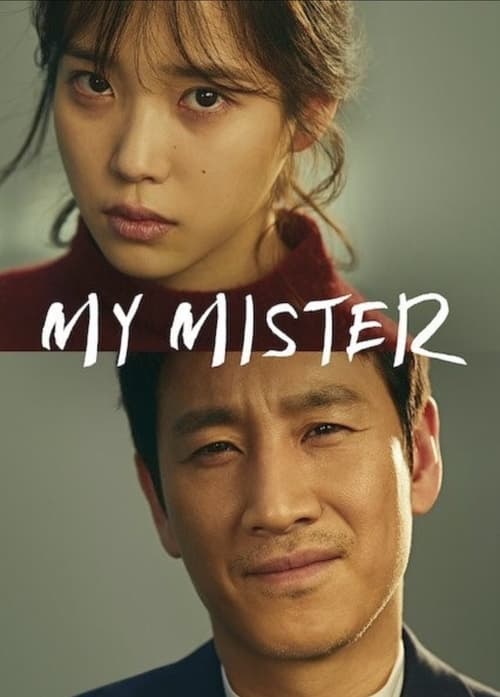




The Novel Behind the Dread
Books that share the film's obsessions: domestic entrapment, class power, desire weaponised against the powerful.


Games of Power and Confined Spaces
Games that put you inside a house, a household, or a social hierarchy where every choice shifts the balance of control.
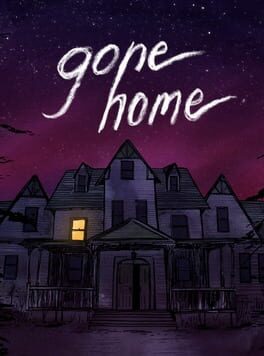


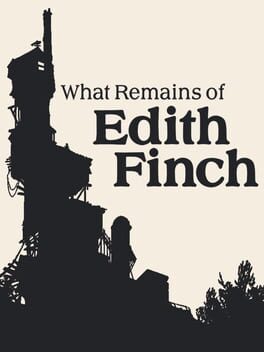

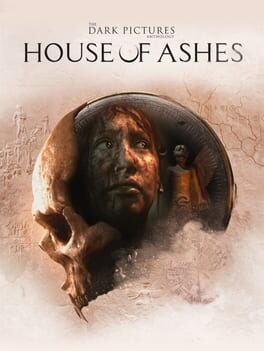


Kim Ki-young Invented the Korean Genre Film
Before Bong Joon-ho, before Park Chan-wook, there was Kim Ki-young, working in the 1960s with a ferocity and formal control that his contemporaries worldwide rarely matched. The Housemaid is not a precursor to Korean genre cinema: it is Korean genre cinema, fully formed. Every later Korean director who has bent domestic realism toward nightmare is working in his shadow, whether they acknowledge it or not.

The Maid Is Never the Monster
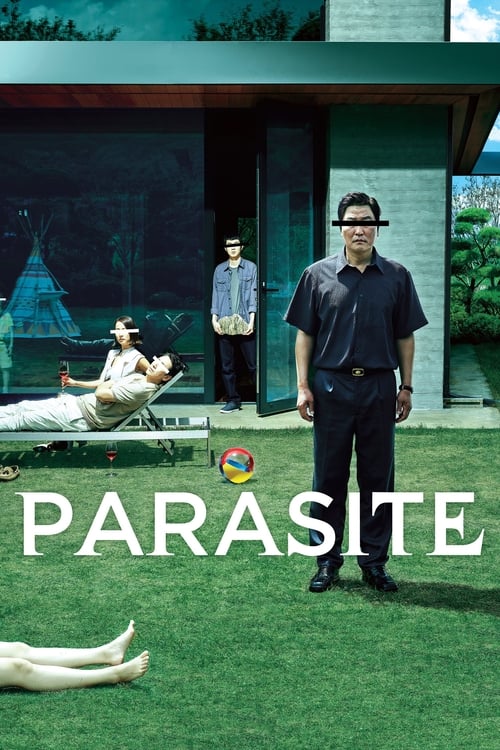
The film's genius is that it refuses to let you settle on a villain. The maid is threatening, but the household that imported her and then tried to discard her is the real source of rot. Kim Ki-young understood that what looks like an intruder narrative is actually a story about what the respectable middle class suppresses, until suppression stops working. Later films in this vein that miss this point end up as simple horror; the ones that get it, like Parasite and The Handmaiden, become something more durable.
Rebecca Is the Closest Literary Equivalent
Du Maurier's novel does something structurally identical to Kim's film: it installs a figure (the first wife, the servants) inside a grand domestic space and watches that figure corrode the new occupant's sense of safety and selfhood. Both works understand that the house itself is a character, and that desire lives in architecture as much as in people. Fans of The Housemaid who have not read Rebecca are missing a direct conversation across decades and continents.

A Lineage of Domestic Dread
- 1938Daphne du Maurier publishes the definitive novel of the uncanny household
- 1940Hitchcock adapts it into his Hollywood debut, setting the template for the genre Rebecca
- 1960Kim Ki-young releases The Housemaid in South Korea, inventing a national genre The Housemaid
- 1971Teorema and its descendants move the intruder-in-the-household idea into European art cinema The Servant
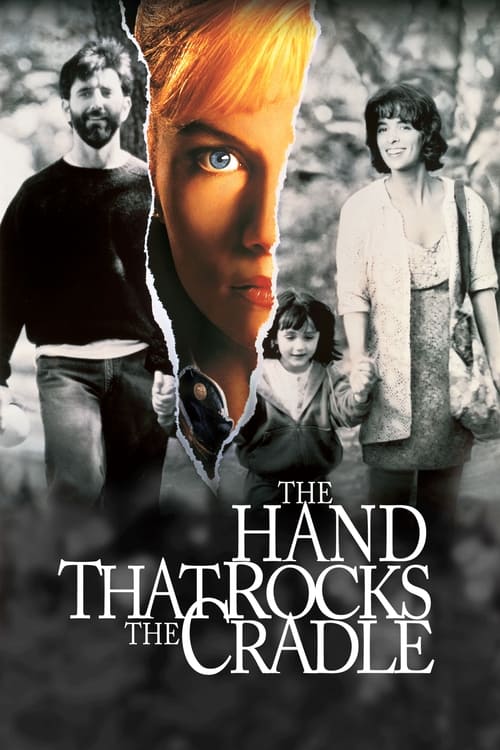
- 1992Hollywood reworks the anxiety into mainstream thriller form The Hand That Rocks the Cradle
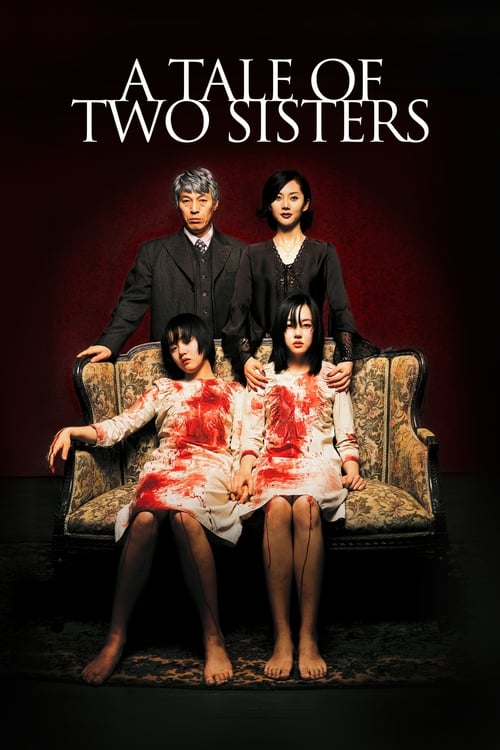
- 2003Korean horror finds its domestic register in a new generation A Tale of Two Sisters
- 2010Im Sang-soo remakes The Housemaid, reintroducing the original to international audiences The Housemaid
- 2019Bong Joon-ho's Parasite brings the class-in-the-house film to a global audience and the Palme d'Or Parasite
- 2022The domestic thriller saturates prestige TV worldwide, with its DNA visible from Sky Castle to Sharp Objects Sharp Objects
A film so precisely calibrated that its staircase feels like a threat every time a character climbs it.CrossBinge editors on The Housemaid (1960)