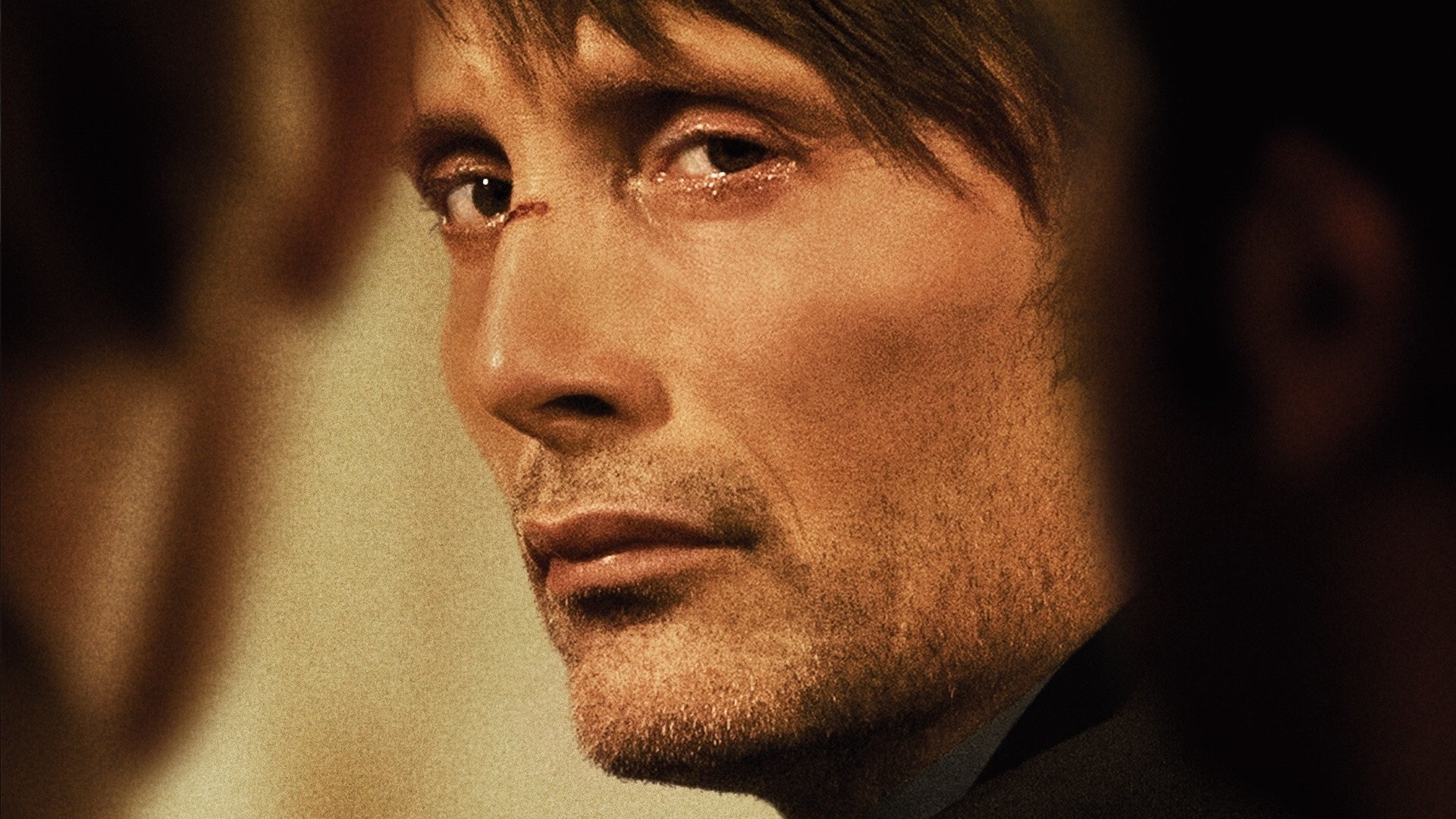

Thomas Vinterberg's The Hunt (2012) earns its place among the great films about institutional cruelty not through bombast but through suffocating precision. Mads Mikkelsen plays Lucas, a Danish kindergarten teacher whose life collapses after a child's offhand remark is misread as evidence of abuse. What the film traces is not a whodunit but something more unsettling: the mechanics of collective belief, how a community's desire for certainty outpaces evidence, and how a man can become a stranger in the village where he was born. The pull for fans is not horror but recognition. The film insists on proximity, forcing you to understand every character who turns against Lucas without letting them off the hook. If you are drawn to stories that use a single rupture to expose the fault lines beneath ordinary life, that hold their nerve through social catastrophe without flinching or sentimentalizing, this guide is built for you.
Essential The Hunt
The film and its closest companions from Vinterberg's own hand
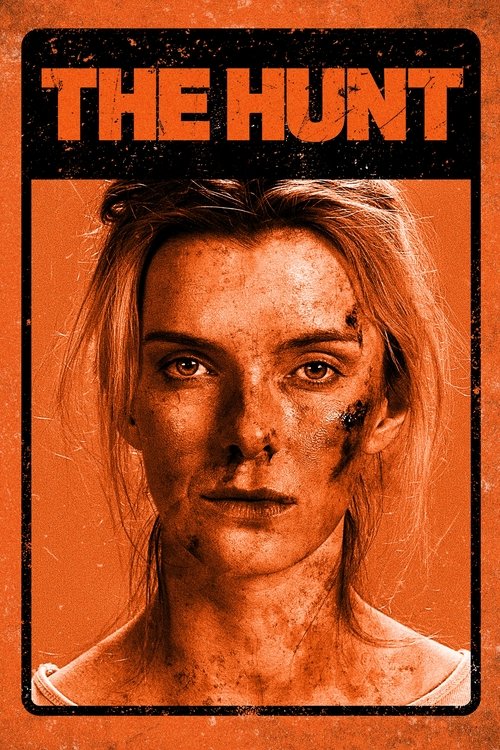
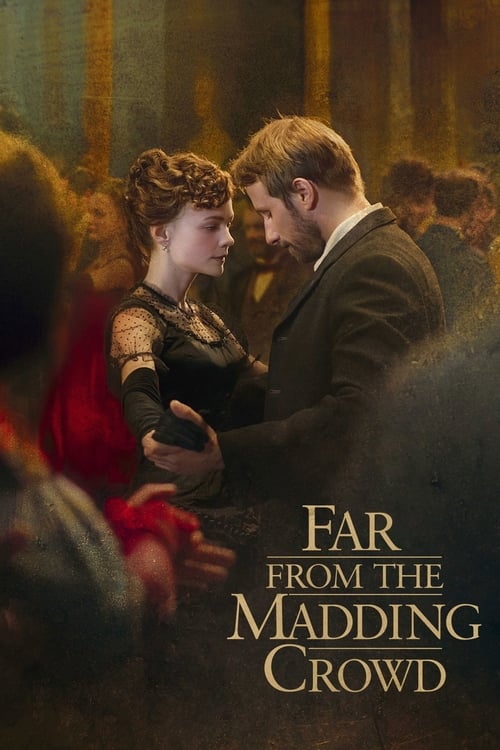
Films That Refuse to Let You Look Away
Slow-burn social pressure, wrongful accusation, and communities that close ranks
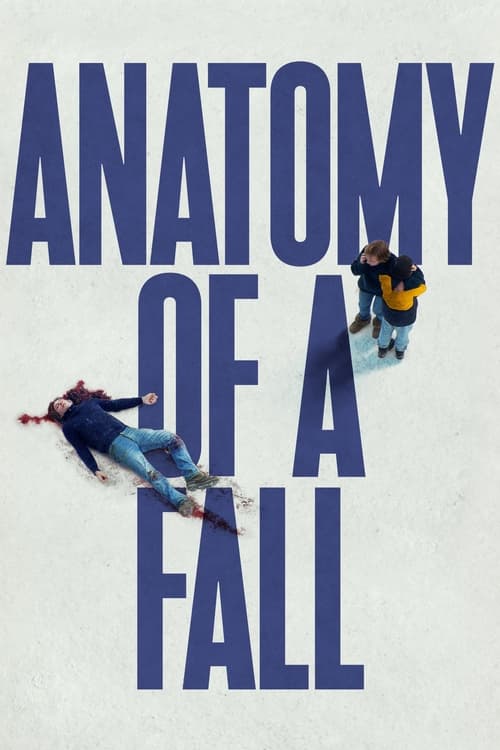

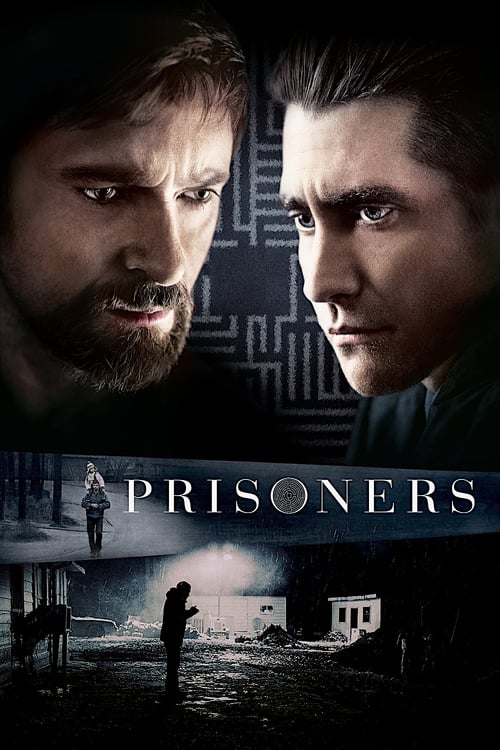
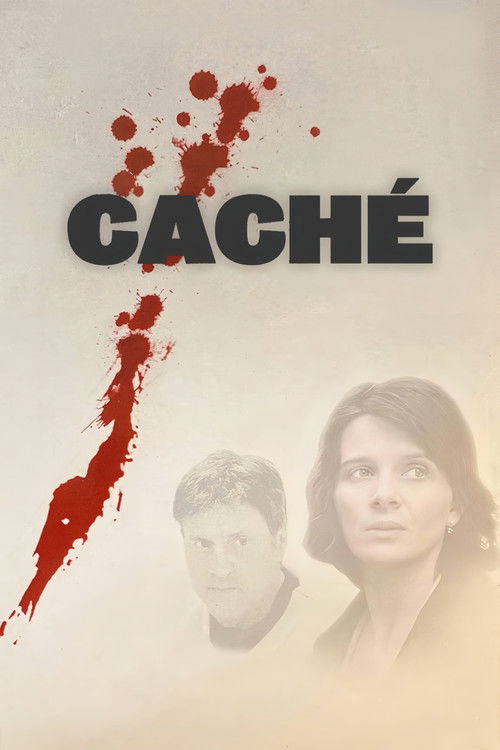
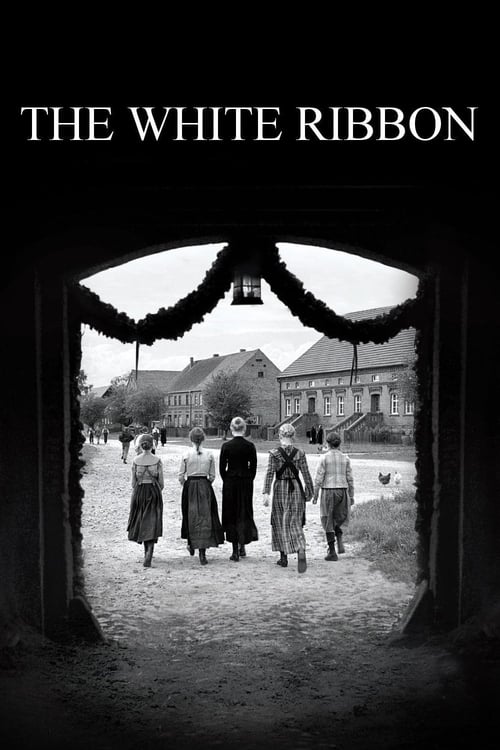
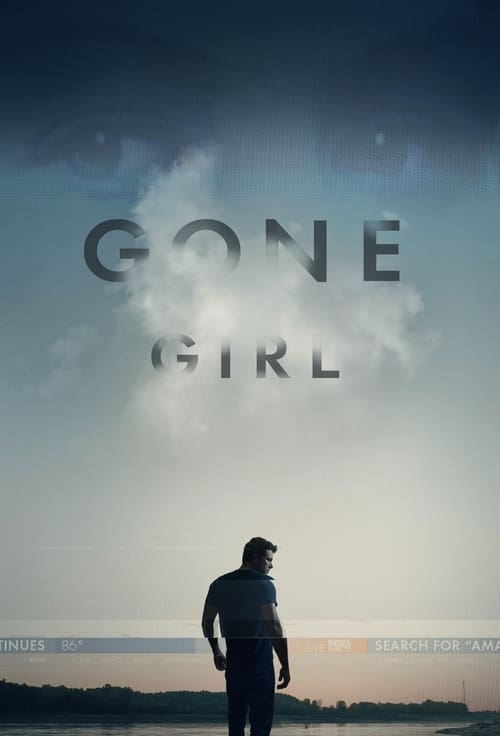
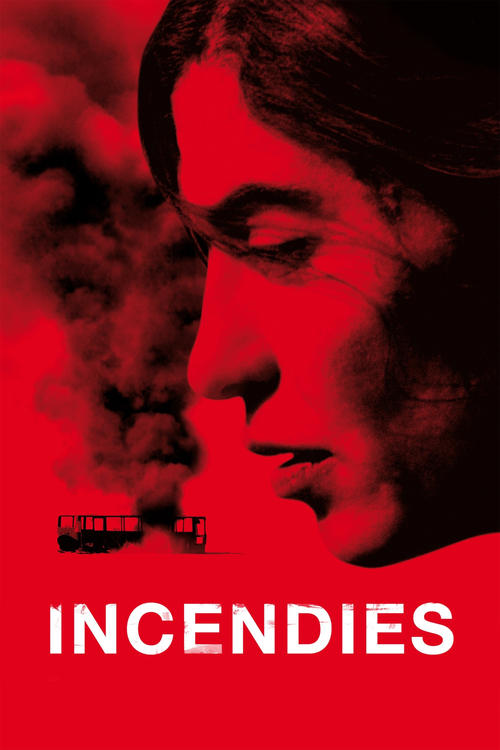
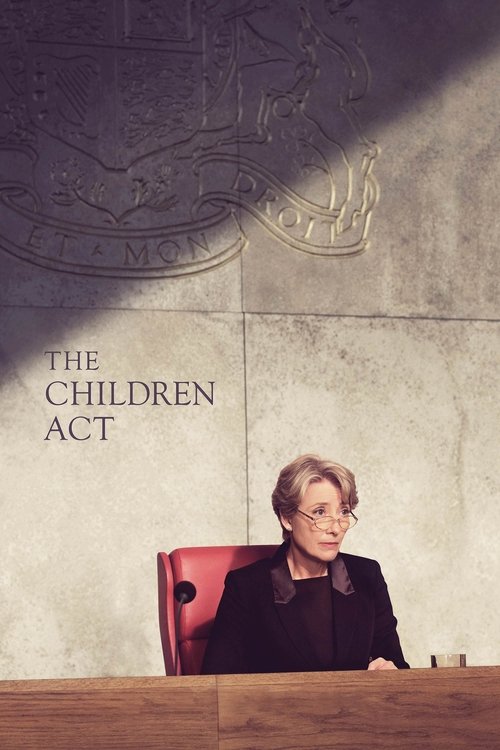
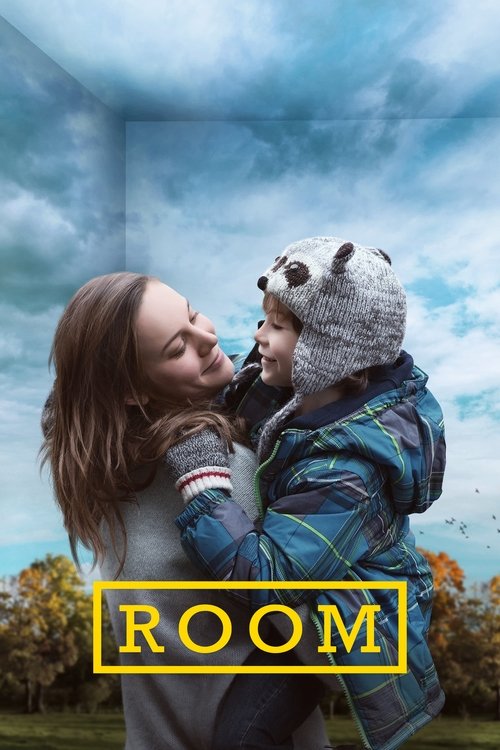
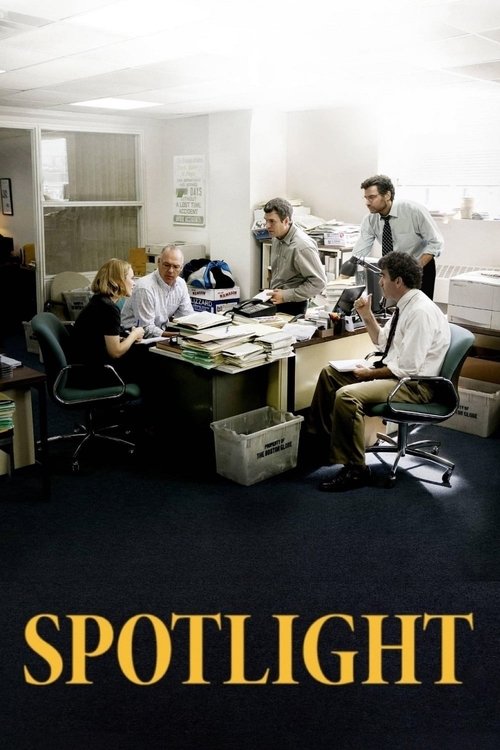

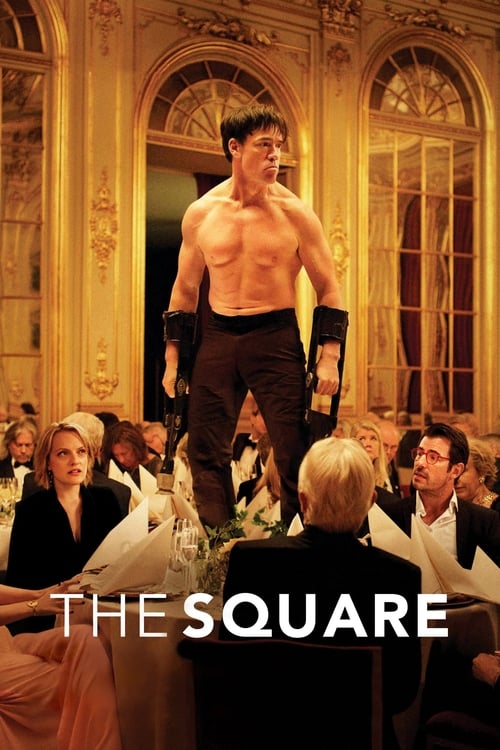
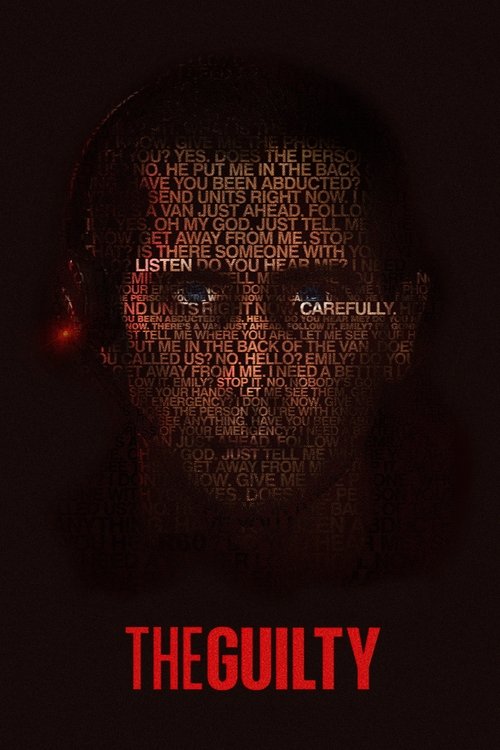
Nordic Unease on Screen
Scandinavian film and television that explores moral rot beneath calm surfaces
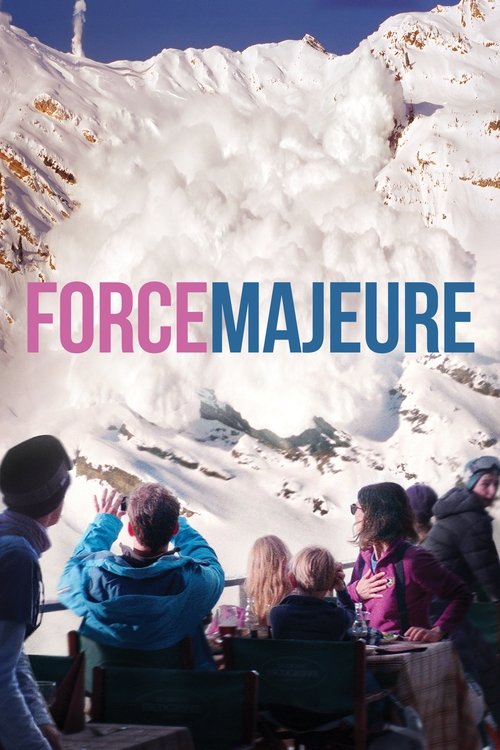

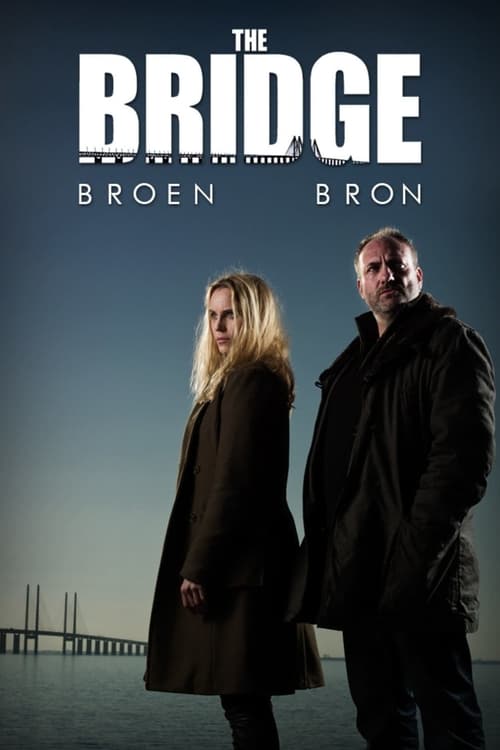
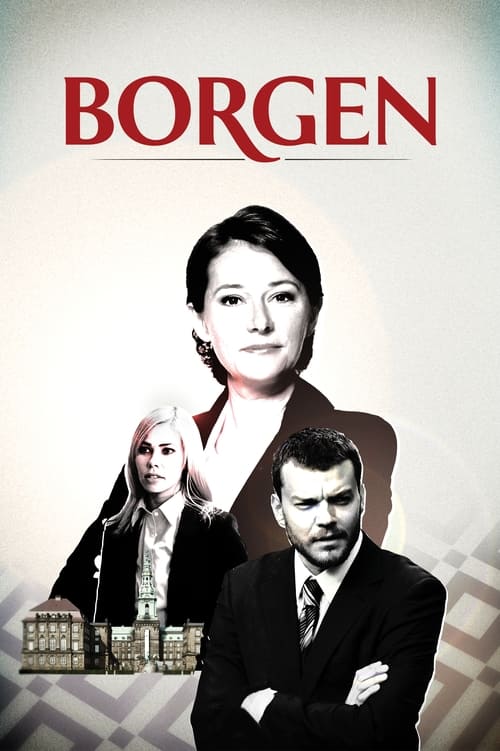
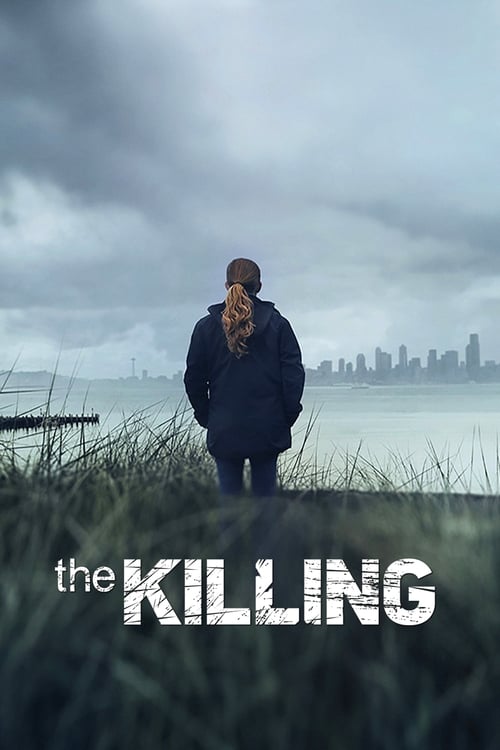
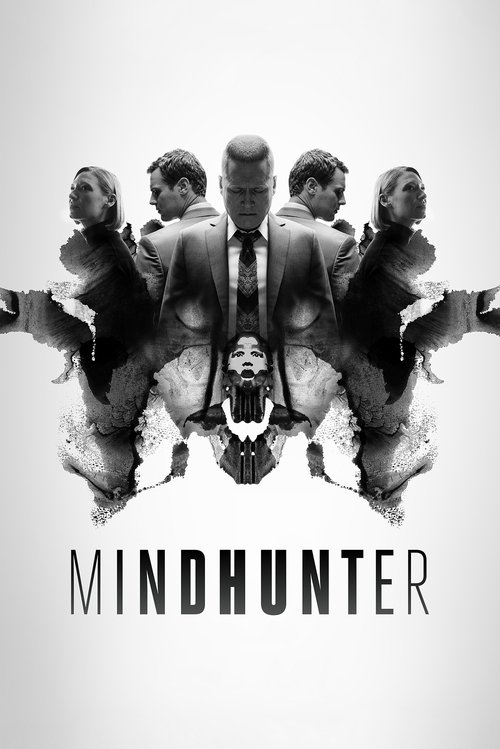
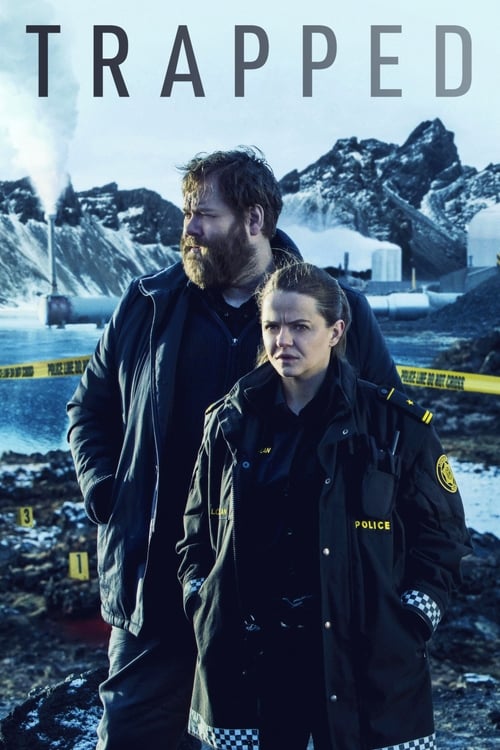
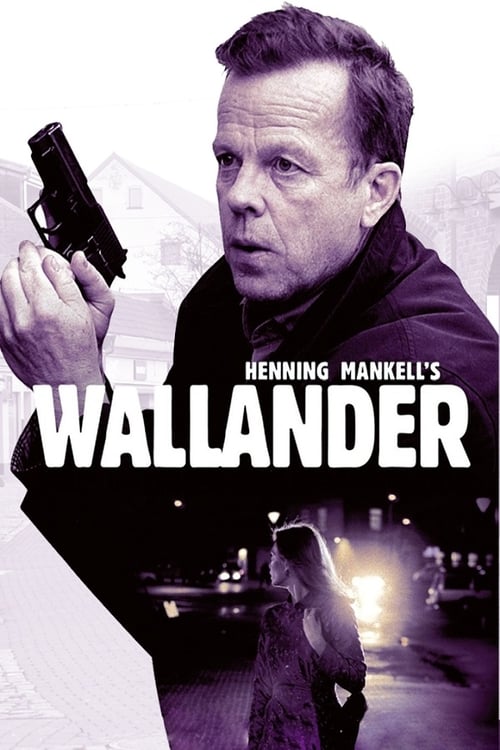
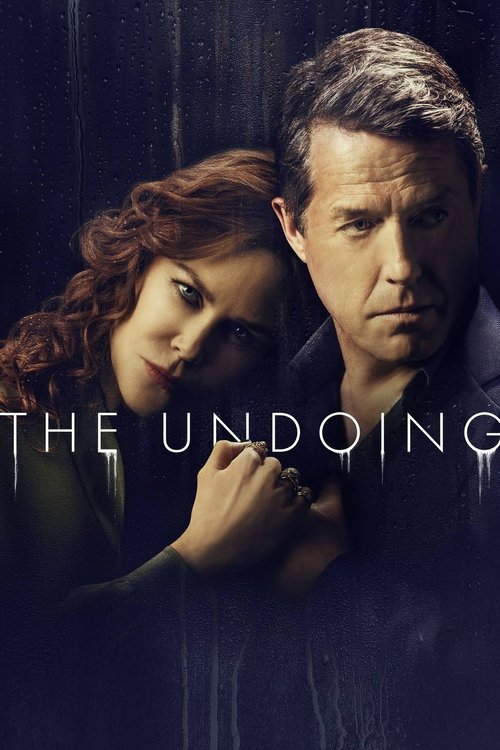
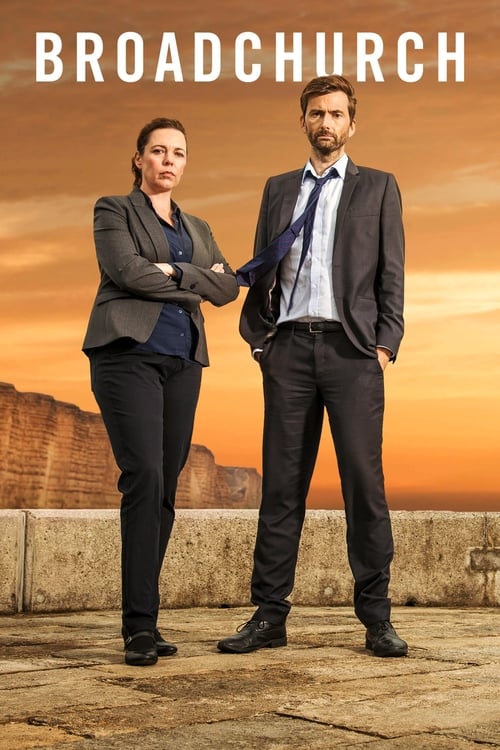
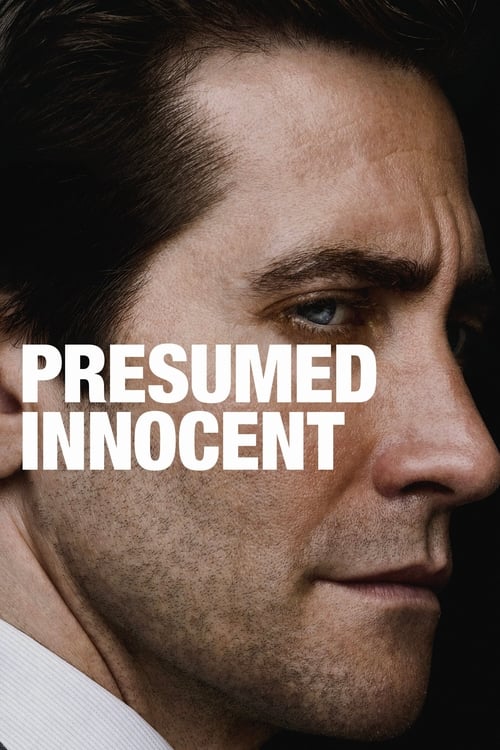
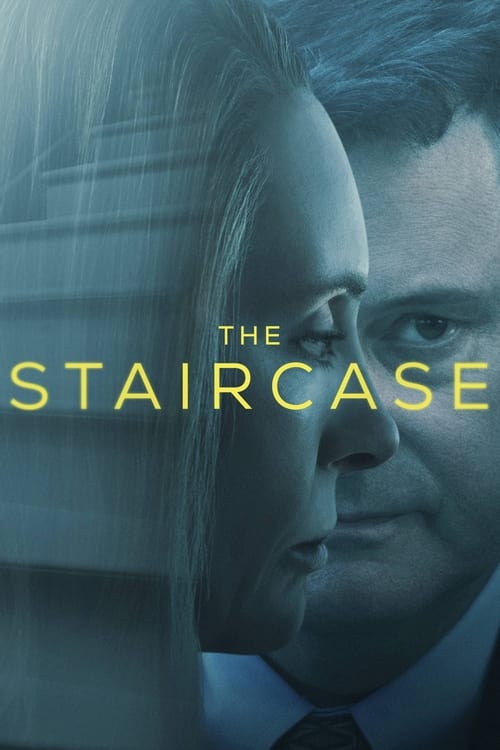
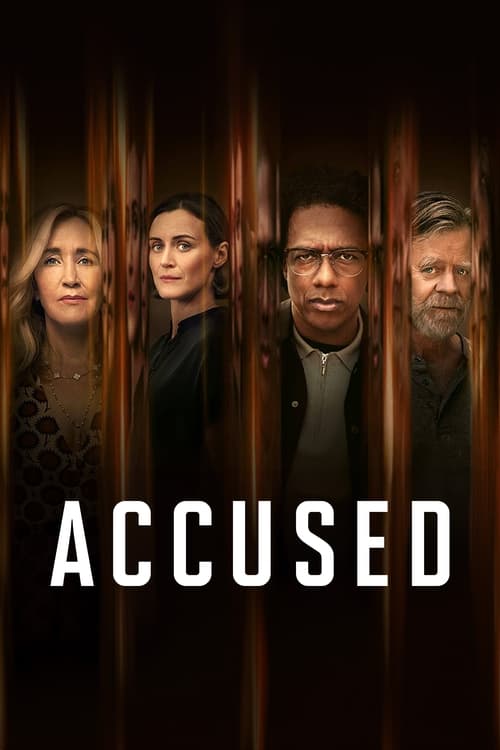
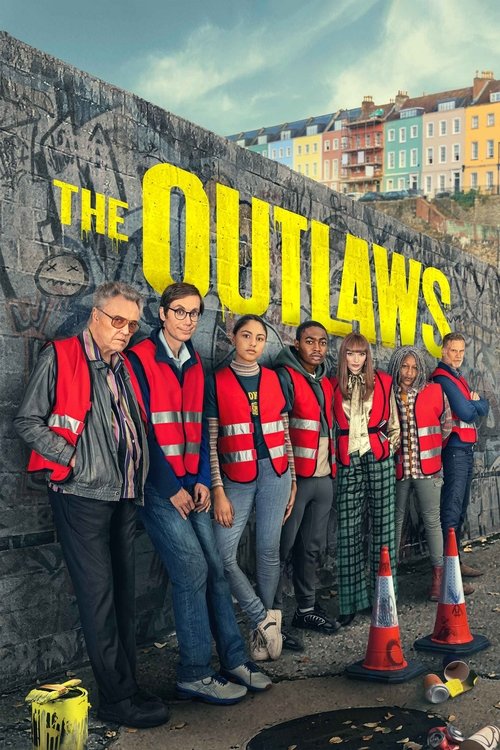
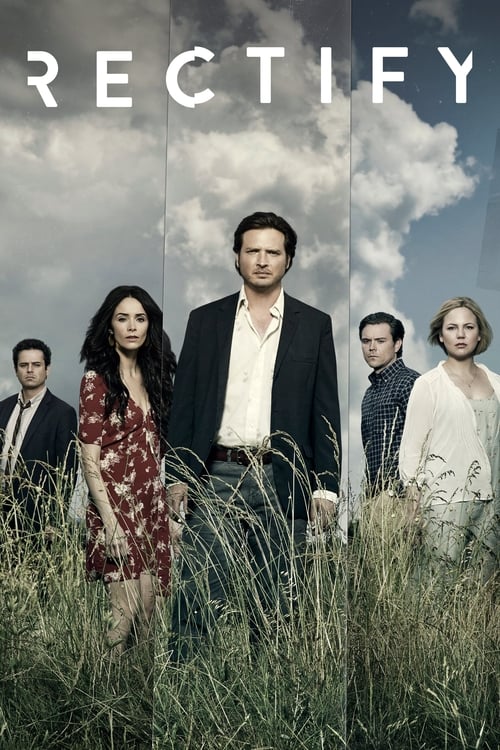
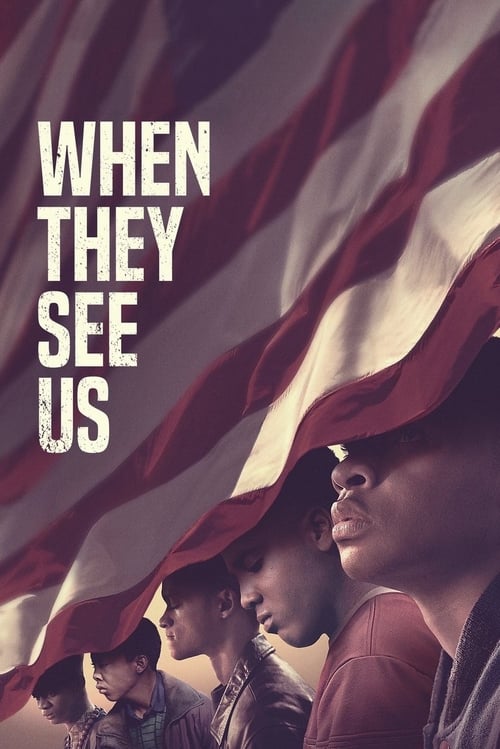
Television That Puts a Community on Trial
Series where truth is contested and social trust fractures in real time
Books About Accusation, Guilt, and the Court of Public Opinion
Novels that put innocence under pressure and communities in the dock


Games Where Judgment Belongs to You
Games built around moral pressure, contested truth, and systems that punish the innocent
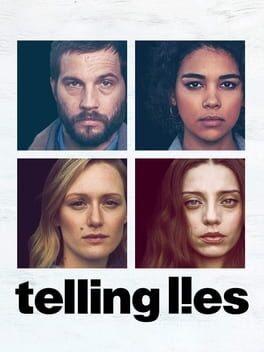

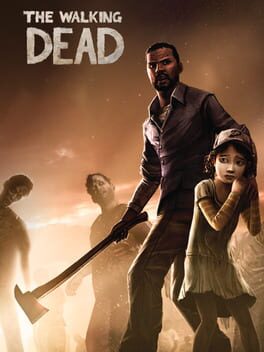
Mads Mikkelsen's Best Performance Is Not in a Franchise
Mikkelsen has delivered iconic genre work across Hannibal, the Bond films, and Marvel, but Lucas in The Hunt is the performance against which the rest should be measured. He conveys a man trying to remain recognizable to himself as everyone around him reconstructs him as a monster. The restraint is total. There is a scene in a supermarket that may be the finest two minutes of European film acting in the last two decades.
The Scariest Films Are the Ones Where No One Is a Villain
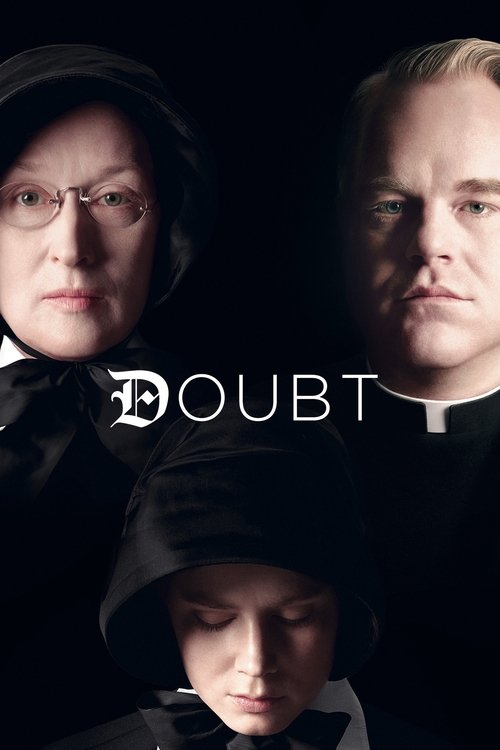
The Hunt belongs to a tradition of social horror in which the terror comes not from a single bad actor but from the aggregate logic of a community. Each individual choice, to believe the child, to exclude Lucas, to smash his window, seems defensible in isolation. The film's real subject is how ordinary moral instincts, protectiveness, solidarity, certainty, become the mechanism of injustice. Doubt (2008) and A Separation operate in similar territory, though neither quite matches Vinterberg's refusal to offer a releasing villain.
Dogme 95 Shaped European Cinema More Than Its Graduates Admit
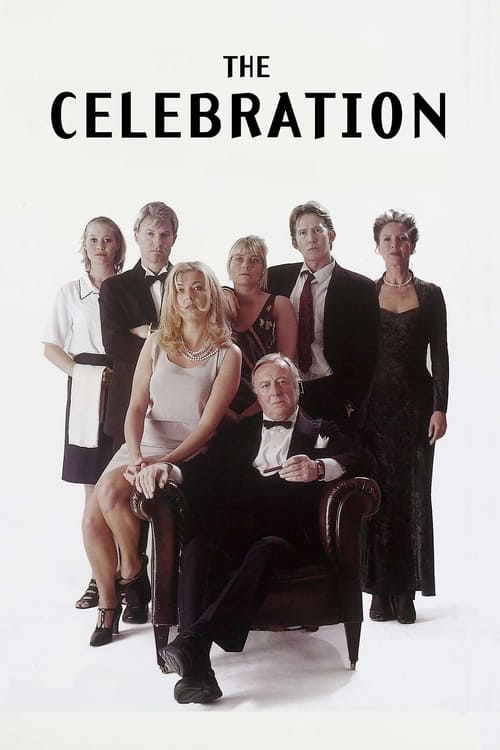
Vinterberg co-authored the Dogme 95 manifesto with Lars von Trier and his debut The Celebration was the first certified Dogme film. The movement's insistence on natural light, location shooting, and directorial anonymity left a permanent mark on European realism, visible in The Hunt's restrained aesthetic even though it was not a Dogme production. The film could not look or feel the way it does without that training. Audiences who respond to its texture should follow the thread back to The Celebration and then outward to the broader wave of 1990s European naturalism.
A Short History of the Social Pressure Film
- 1957Twelve Angry Men establishes the blueprint: a community's certainty versus one dissenting mind 12 Angry Men
- 1960Fritz Lang's M (remade 1951) shows a mob collectively prosecuting a criminal outside law's reach M
- 1993The Celebration (Festen) premieres at Cannes as the first Dogme 95 film, Vinterberg announcing his voice The Celebration
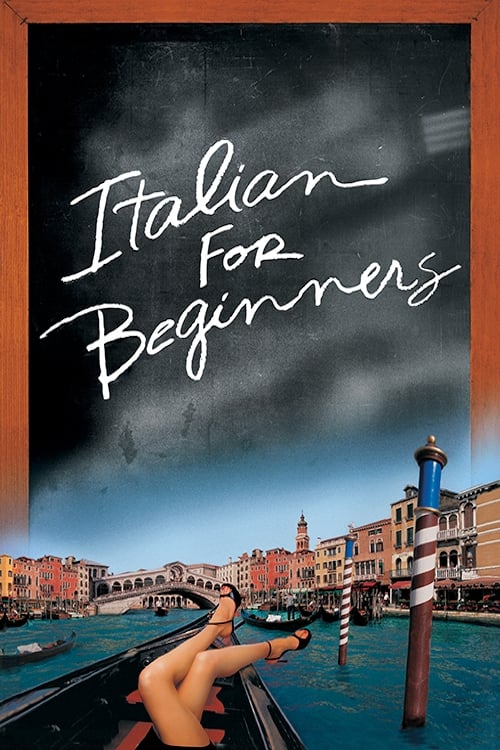
- 1998Dogme 95 wave spreads across European cinema, cementing location-shot social realism Italian for Beginners
- 2008Doubt brings the wrongful-accusation drama into the American institutional context Doubt
- 2011A Separation wins the Academy Award, proving European social realism has a global audience A Separation
- 2012The Hunt premieres at Cannes, Mikkelsen wins Best Actor; becomes Vinterberg's international breakthrough The Hunt
- 2013Broadchurch arrives on British television, extending the community-fracture format into long-form drama Broadchurch
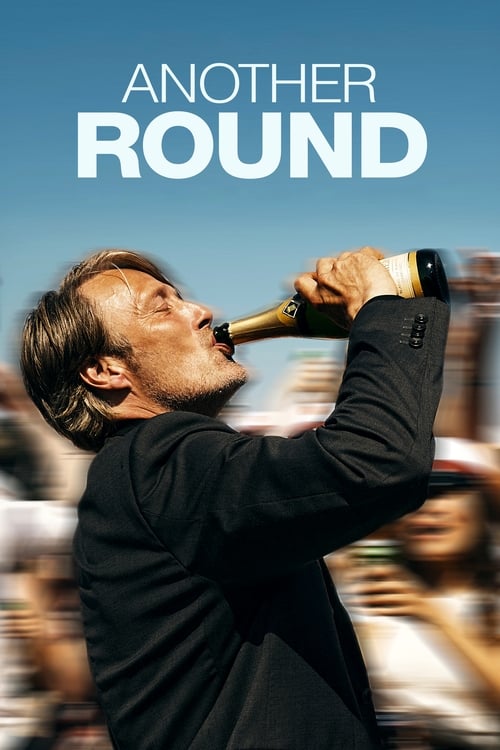
- 2020Another Round reunites Vinterberg and Mikkelsen, winning the Academy Award for Best International Film Another Round
- 2023Anatomy of a Fall continues the European tradition of a trial film where guilt remains genuinely unresolved Anatomy of a Fall
The Hunt is not a film about a false accusation. It is a film about what people need to believe, and what they will destroy to go on believing it.CrossBinge editors