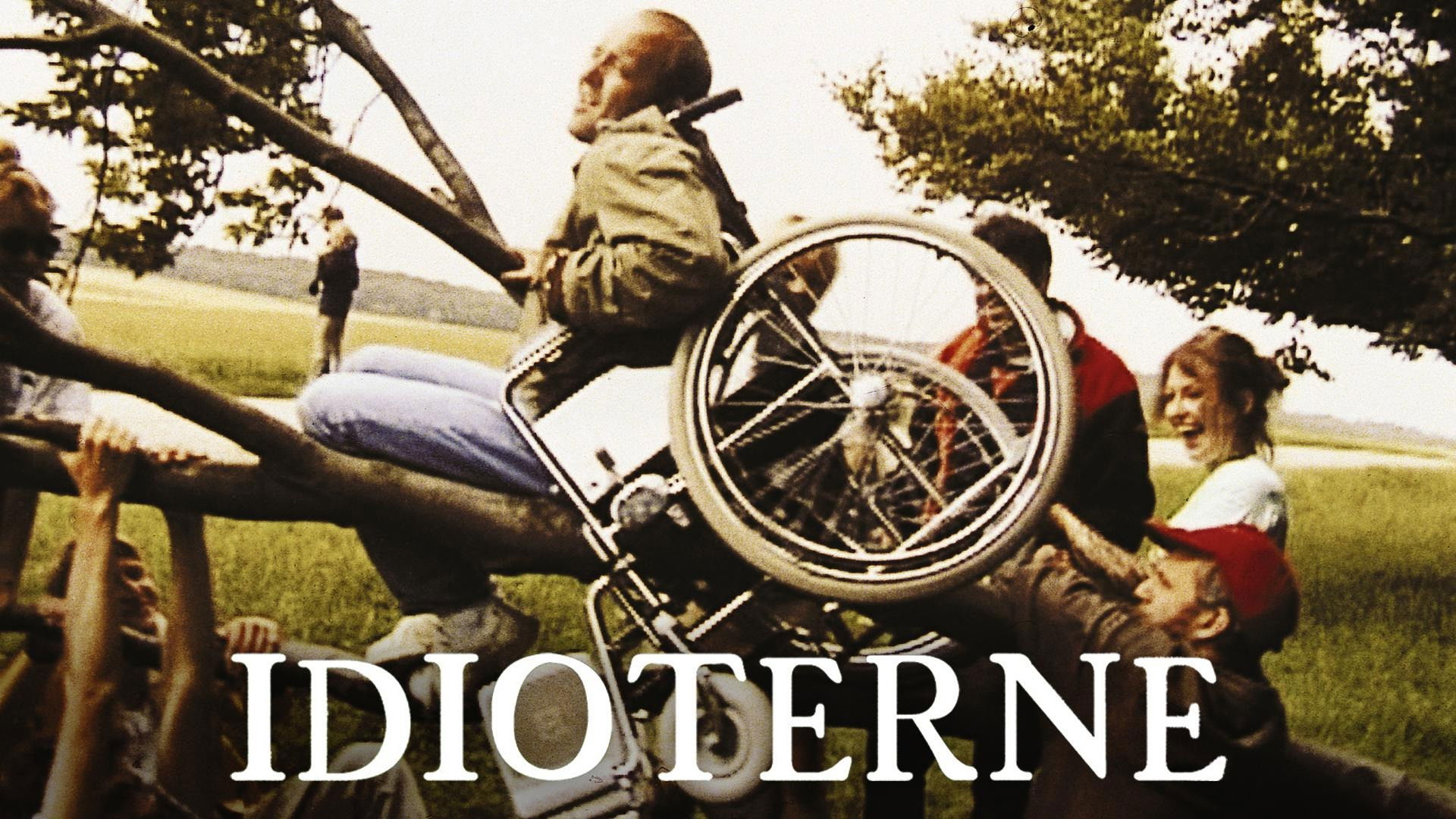

Lars von Trier's The Idiots (Idioterne, 1998) is a film about a commune of adults in Copenhagen who "spass" — performing severe intellectual disability in public, at dinner tables, in swimming pools, in front of strangers who don't know what to do with their discomfort. Shot on a handheld DV camera, without a traditional score, with improvised scenes and visible boom mic shadows, it is one of the most formally confrontational films of the 1990s.
But the provocation is not the point. The point is Karen, the quiet woman who joins the group for reasons she won't explain, and whose final act of spassing — in front of the people who know her best — is not absurd at all. It is devastating. What fans of The Idiots are chasing is that combination: the rawness of the form that makes the emotion feel unearned until suddenly it is completely overwhelming; the comedy that turns without warning into grief; the sense that the social contract is being tested by people who have nothing left to lose.
The Idiots: the Dogme 95 moment in context
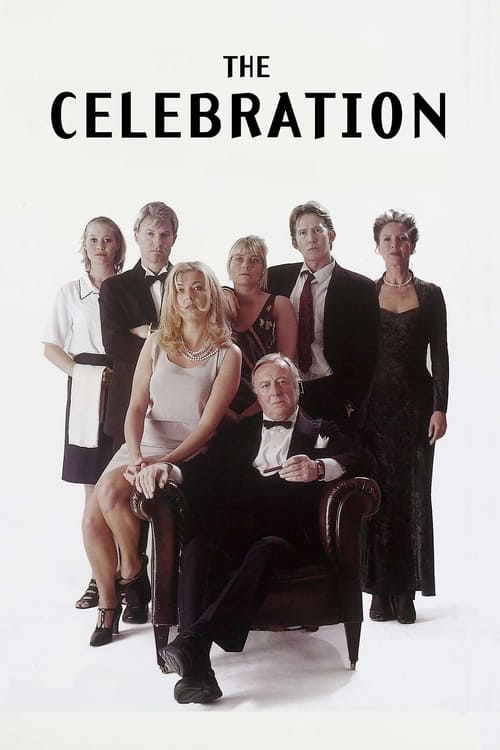
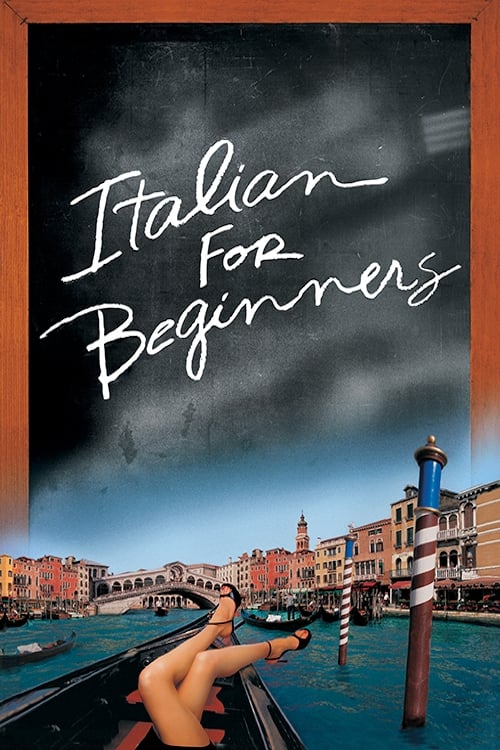
The film itself and its closest kin from the movement that made it possible.

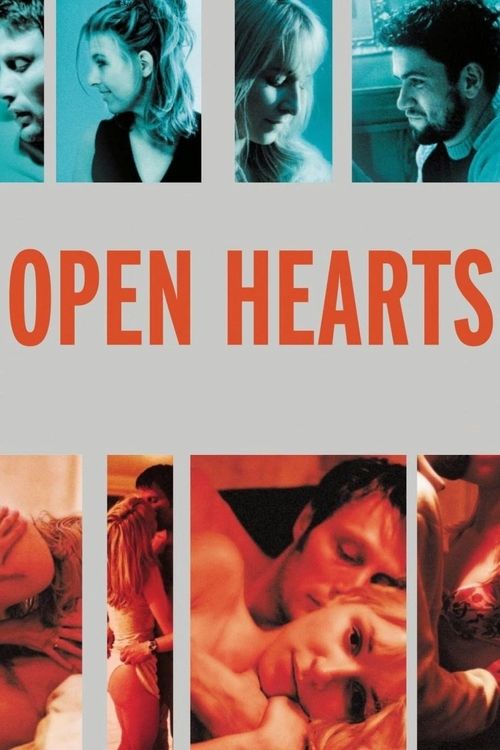
Same director, different obsession
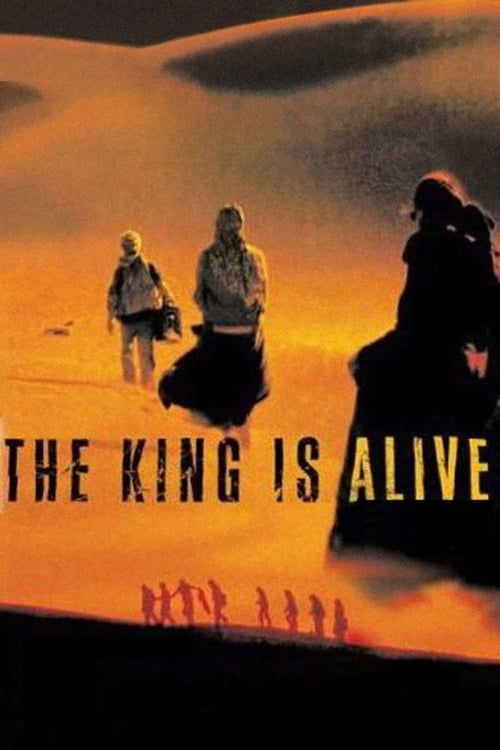
Lars von Trier's other films for viewers who want to understand the full scope of his project.

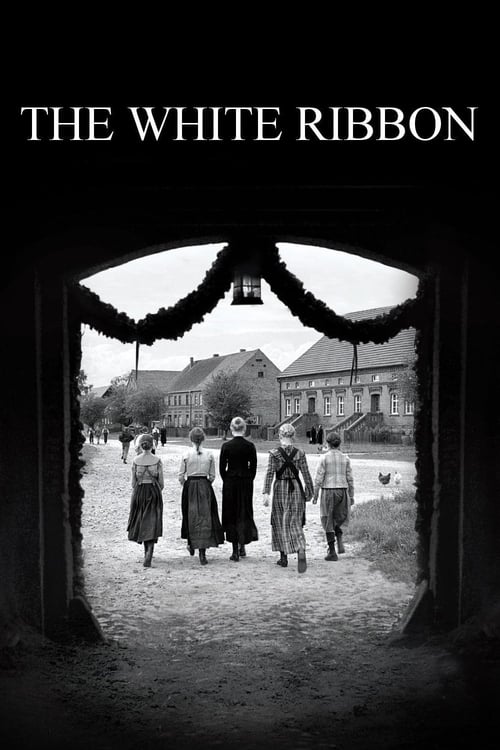
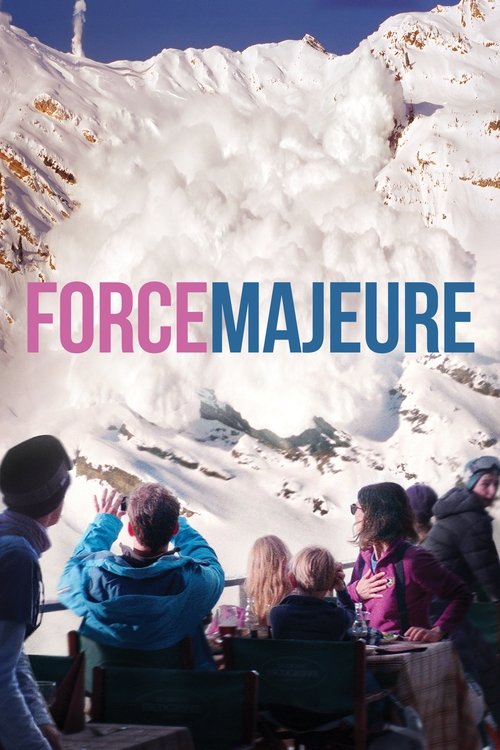
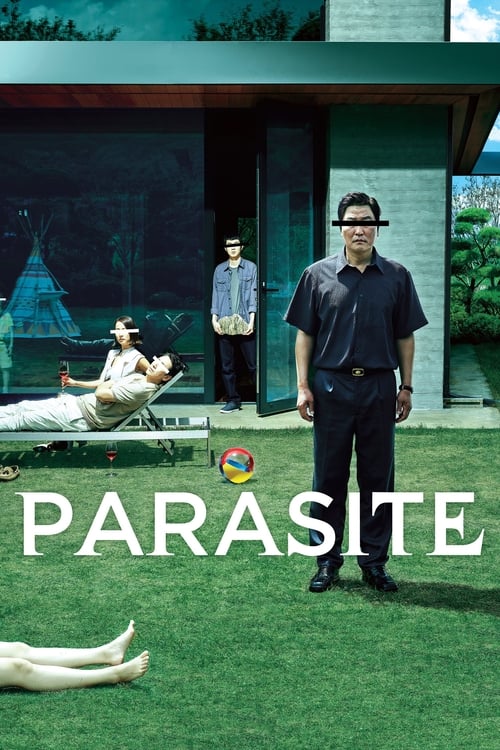
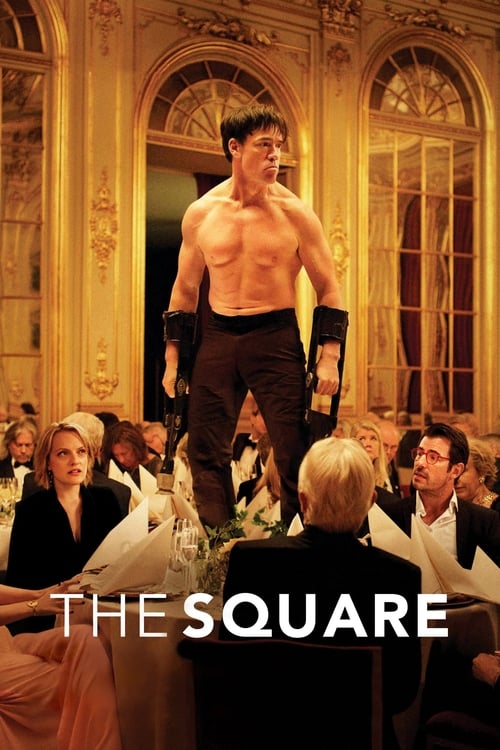
Films that dismantle social norms from the inside
Movies where a group, a rule, or a performance cracks the surface of respectable society.


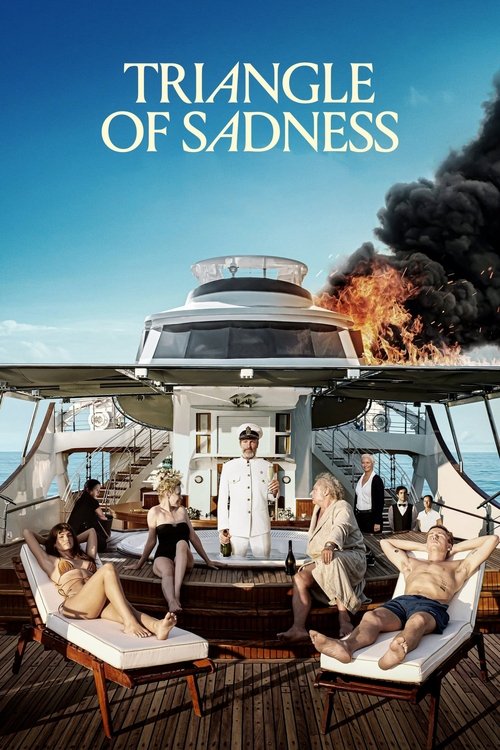
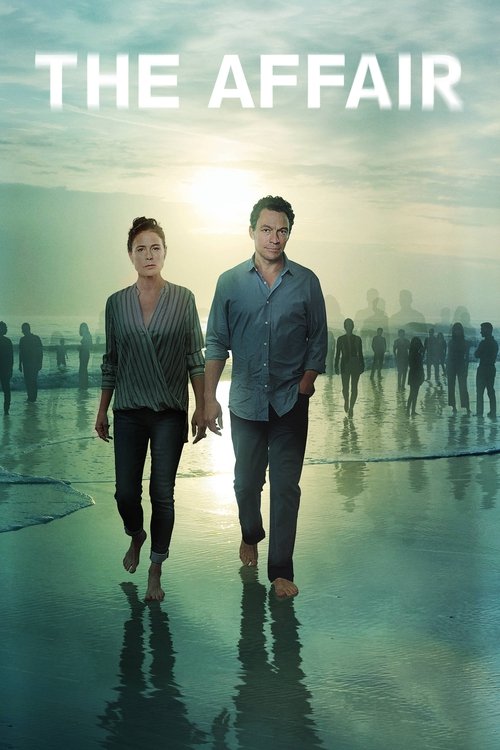
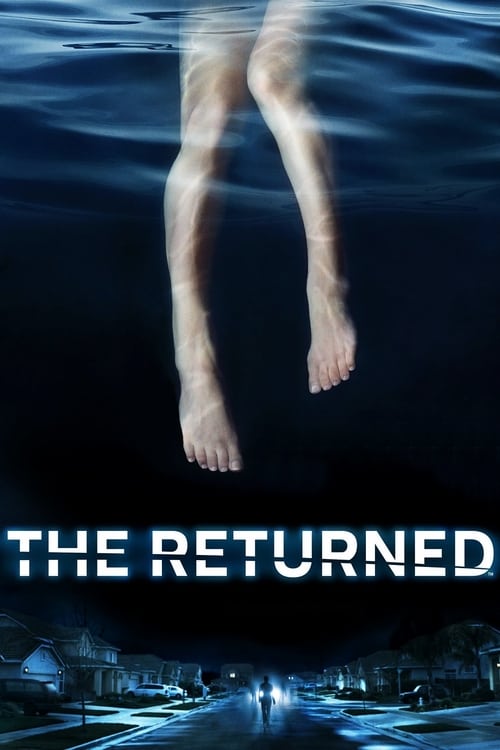
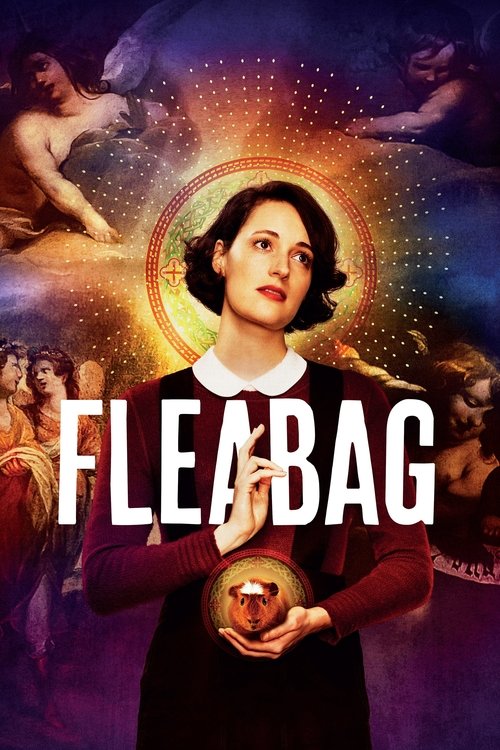
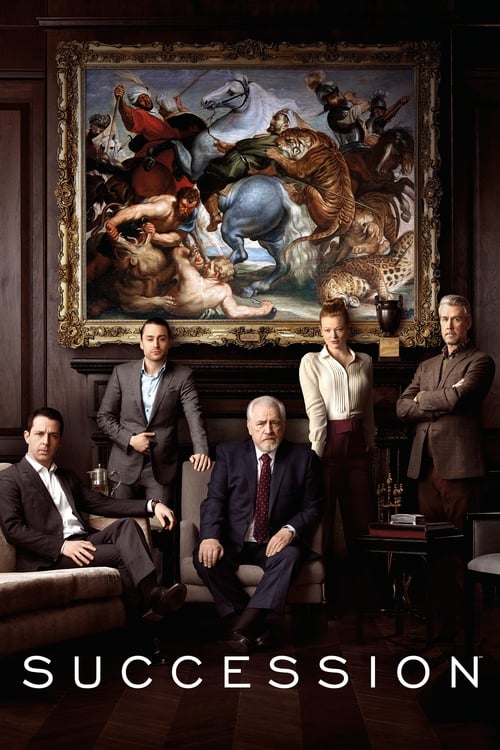
Handheld intimacy on television
Series that use raw, close-quarters filmmaking to get inside collectives, families, or communities under pressure.




Books about groups that go too far
Novels and works of non-fiction where collective behavior, social experiment, or communal logic turns corrosive.


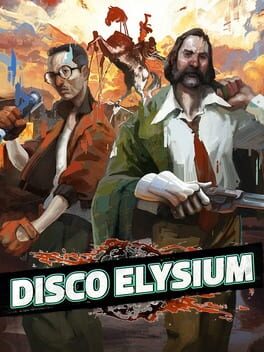
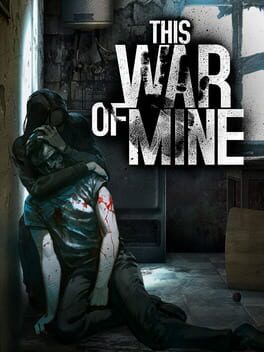
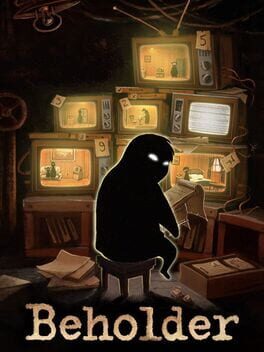
Games about performance, identity, and social friction
Games that put you inside a social system and make you complicit in its cruelty or absurdity.

The music of exposed nerve endings
Albums and scores that share The Idiots' tonal range: stark, uncomfortable, occasionally funny, quietly catastrophic.
The Idiots is a film about grief wearing a disguise
Viewed as pure provocation, The Idiots is interesting. Viewed as a film about Karen, a woman who has suffered an unnameable loss and stumbled into a group of people who perform helplessness as freedom, it is one of the saddest films von Trier ever made. The spassing is not the subject. The subject is what it costs to be a person who cannot show what is broken inside you until you find the most extreme possible frame to do it in.
Dogme 95 was a dead end, and that was the point
The ten Vow of Chastity rules (no artificial lighting, no non-diegetic music, handheld camera only, no genre films) were a provocation against the comfort of craft. The movement produced a handful of genuinely great films and then dissolved, because those constraints, followed strictly, produce a style that cannibalizes itself. What mattered was not the rules but what the rules forced out of the people inside them. The Celebration is the canonical proof. The Idiots is the most extreme test.
Von Trier's best work is always about a woman who will not be saved
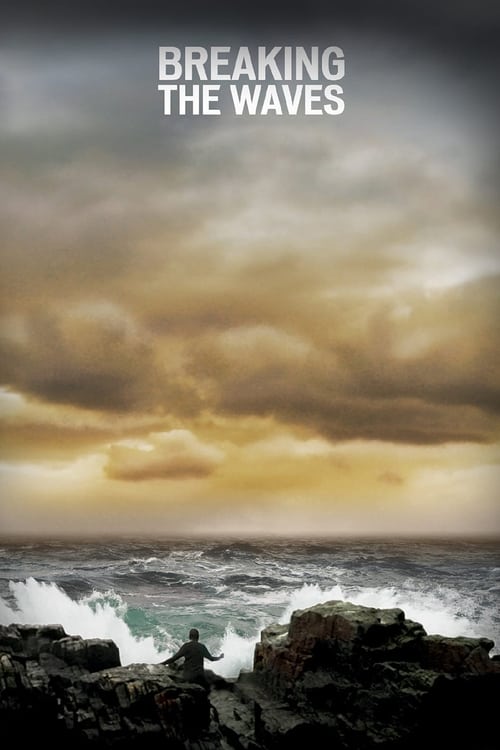
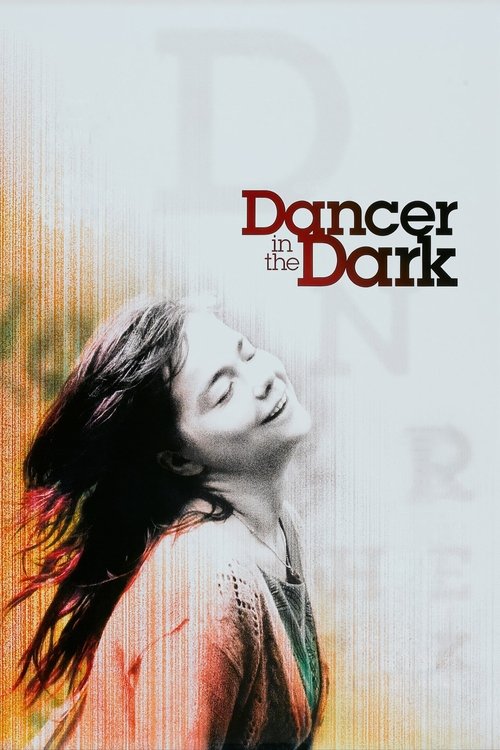
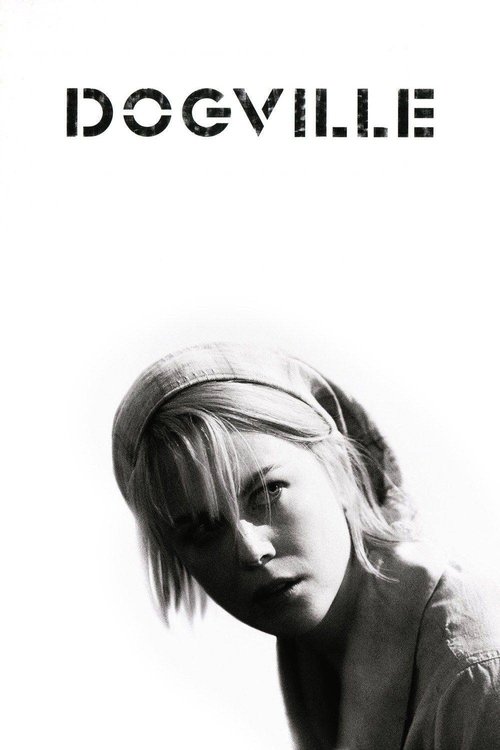
Bess in Breaking the Waves, Selma in Dancer in the Dark, Karen in The Idiots, Grace in Dogville. The pattern is consistent: a woman whose radical sincerity collides with a world that cannot accommodate it, and the film refuses to rescue her. This is sometimes called misogyny and sometimes called tragedy. It is worth watching all four films before deciding, because the cumulative effect is not contempt but something closer to compulsion.
A short history of cinema that broke its own rules
- 1959Breathless establishes the jump cut as a legitimate tool; the camera stops pretending to be invisible. Breathless
- 1962Cassavetes shoots Shadows on the streets of New York with a 16mm camera; no score, no studio, almost no script. Shadows
- 1988Mike Leigh's High Hopes uses improvisation and non-professional performance to excavate class anxiety in Thatcher's Britain. High Hopes
- 1995Lars von Trier and Thomas Vinterberg write the Dogme 95 Manifesto and fax it to press at a Paris film conference. The Idiots
- 1998The Celebration and The Idiots are released within months of each other; both appear at Cannes. Dogme is suddenly the most discussed movement in European cinema. The Celebration
- 2002Gaspar Noe's Irréversible pushes formal transgression into genuine audience hostility; the question of what cinema is allowed to do to viewers becomes unavoidable. Irreversible
- 2007Romanian New Wave peaks with 4 Months 3 Weeks and 2 Days: one location, one day, no score, no commentary, unbearable. 4 Months, 3 Weeks and 2 Days
- 2011Von Trier's Melancholia premieres at Cannes; he is banned from the festival after a press conference. The film is among his most controlled and most beautiful. Melancholia
The idiot is the one who has decided to stop pretending. Everyone else is just waiting for permission.A reading of The Idiots (1998)