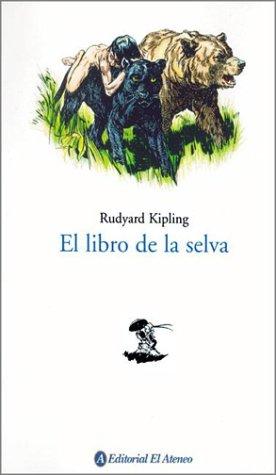

Rudyard Kipling's 1894 collection is deceptively simple: a boy raised by wolves in the Indian jungle, learning the Law of the Pack, navigating predators, and eventually facing the hardest truth that the wild cannot hold him forever. What readers and viewers keep chasing is not the adventure, exactly, but the specific ache of that in-between state: belonging to two worlds and fully owning neither. Mowgli is feral and civilized, animal and human, innocent and wise all at once. That tension has made The Jungle Book one of the most adapted works in history, and its DNA is woven through a wide range of stories about nature, identity, outsiders, and the complicated allure of freedom.
The Jungle Book Itself: Every Version Worth Knowing
From Kipling's original stories to the major adaptations that defined generations.



Wild Children, Lost Boys, and Feral Souls
Books that share Kipling's obsession with children caught between civilization and the wild.


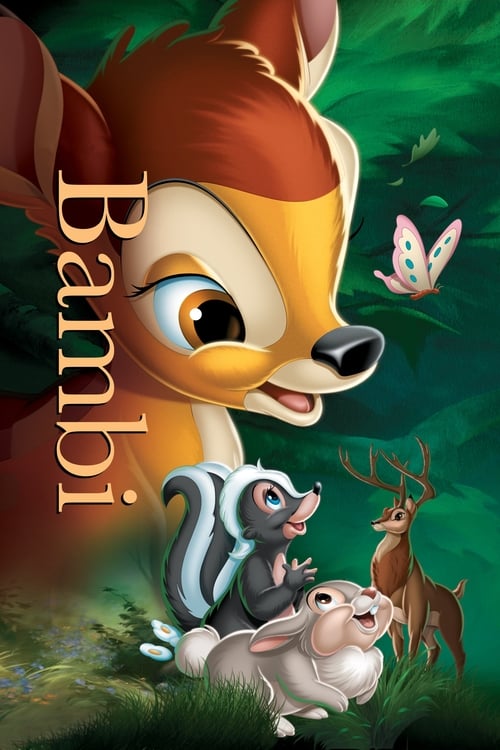
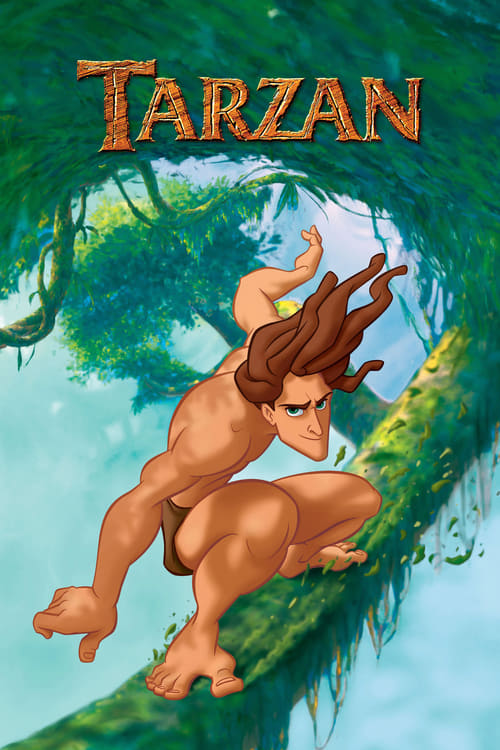
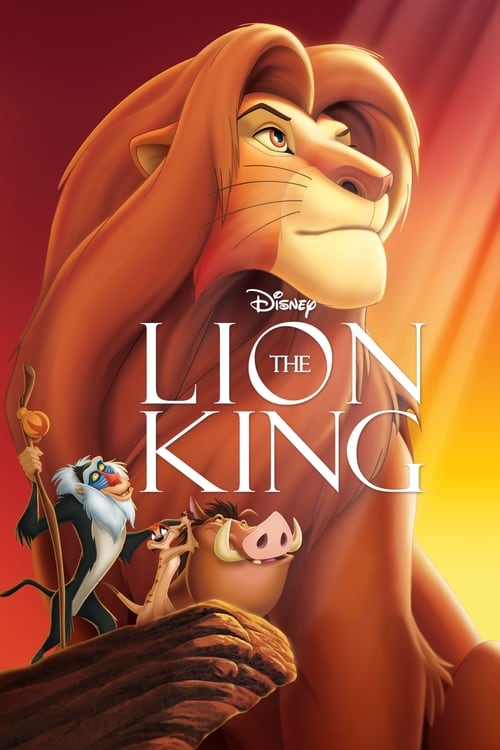
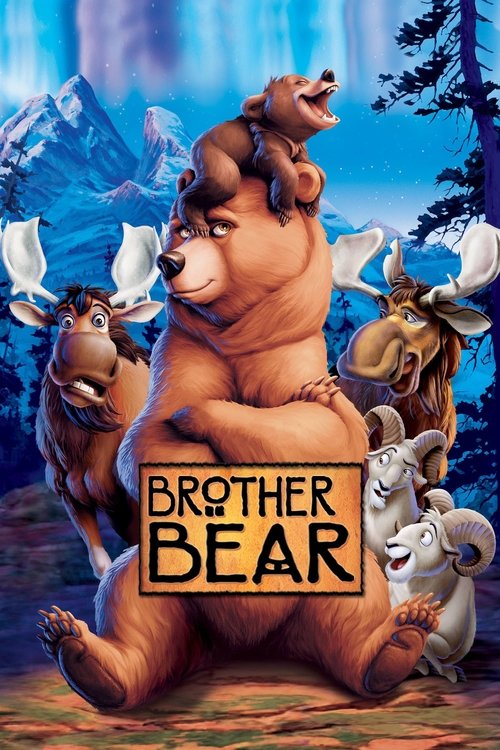
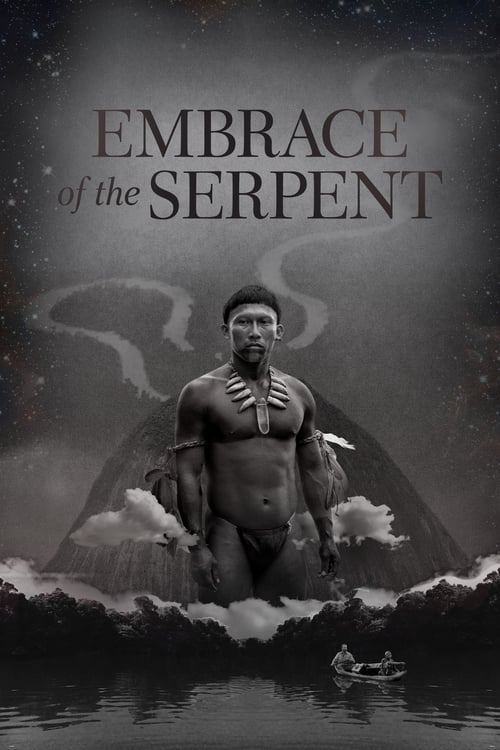
Nature as Character: Films About the Wild and Those Who Live In It
Movies that treat the natural world not as backdrop but as a force with its own logic and law.
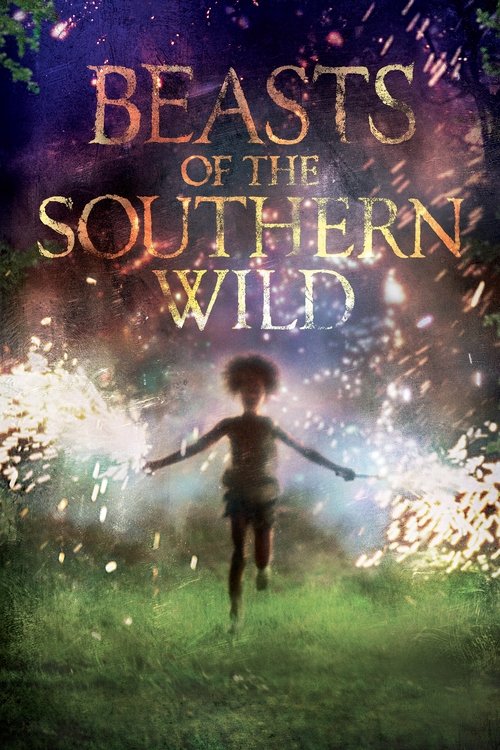
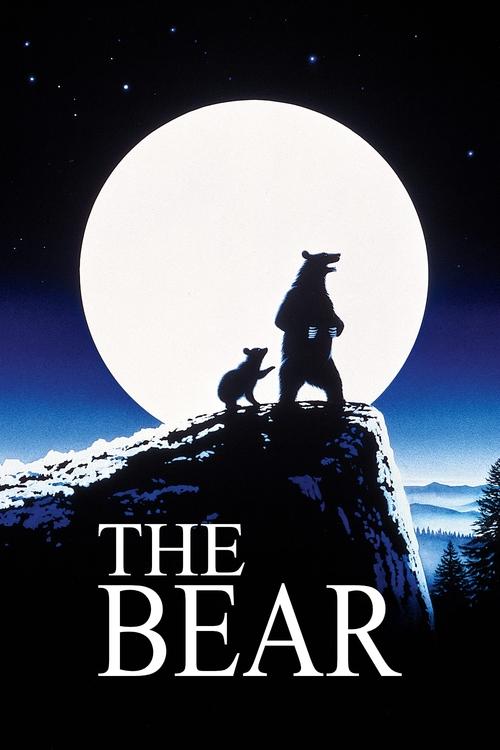
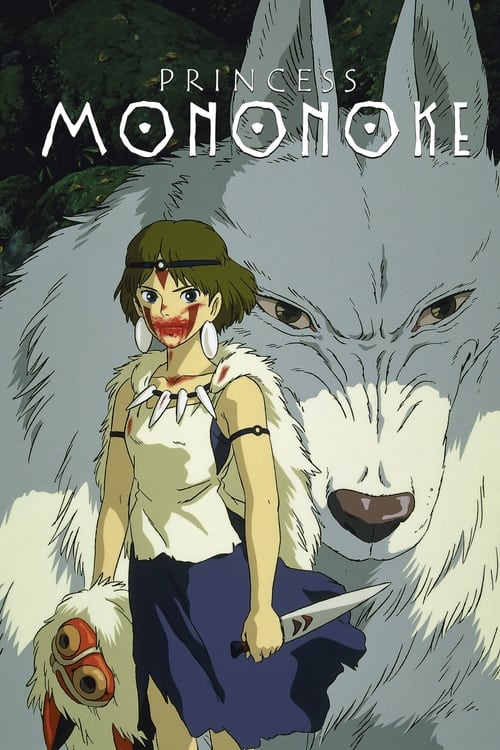
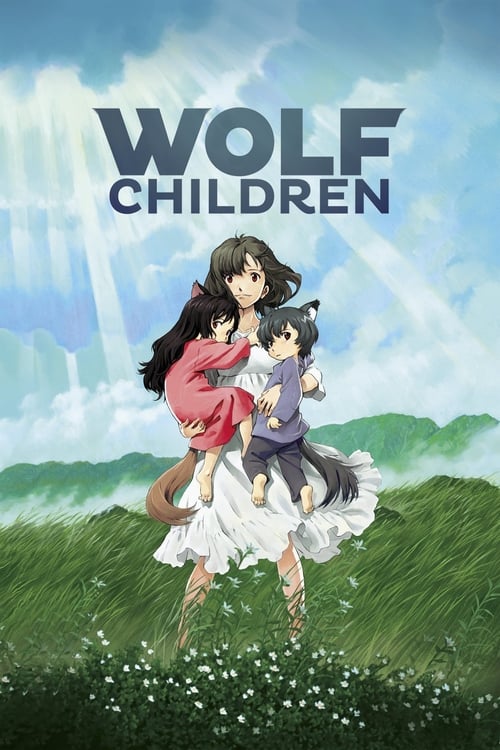

Now Chil the Kite brings home the night / That Mang the Bat sets free / The herds are shut in byre and hut / For loosed till dawn are we.Rudyard Kipling, The Jungle Book (Night Song in the Jungle)
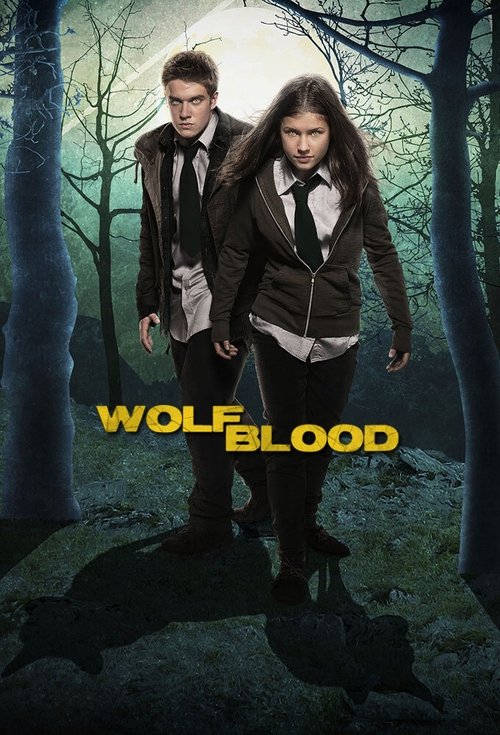
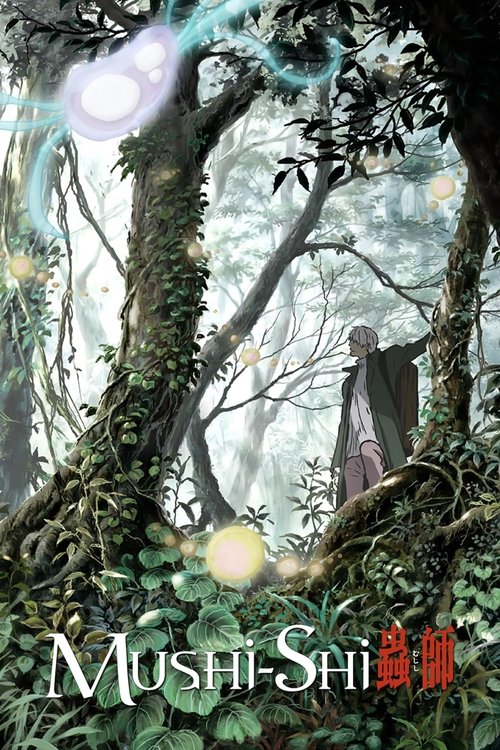
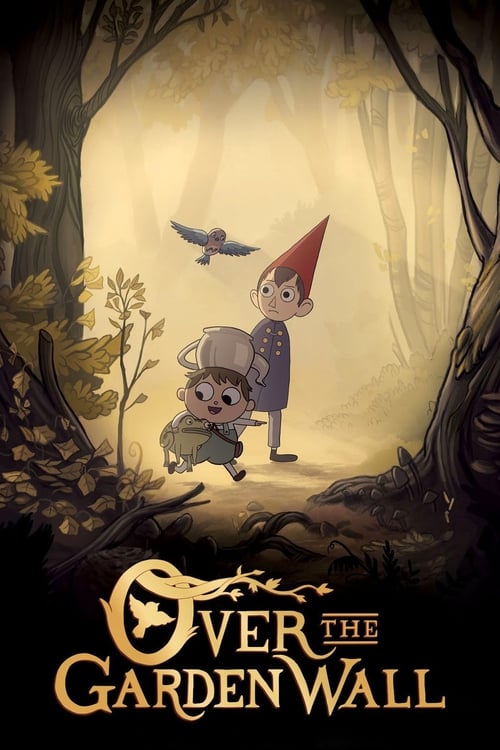
Outsiders and Belonging: TV Series About Worlds With Their Own Rules
Series that build immersive societies, animal or otherwise, where the outsider must learn to survive.


The 1967 Disney film is charming, but it buried the book's real darkness for decades
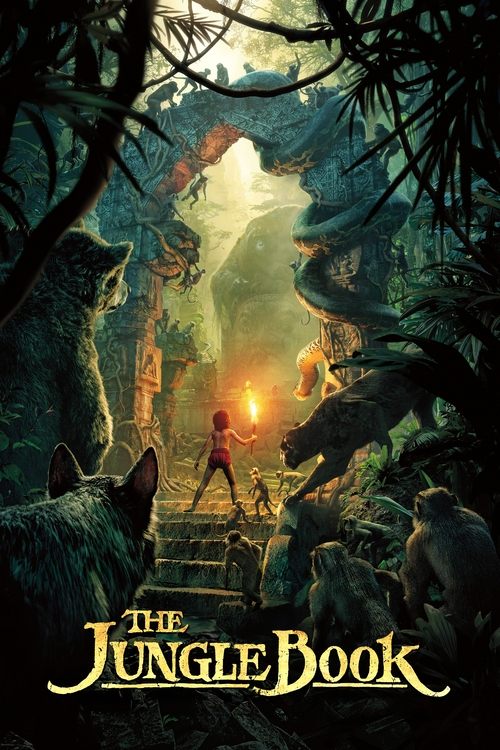
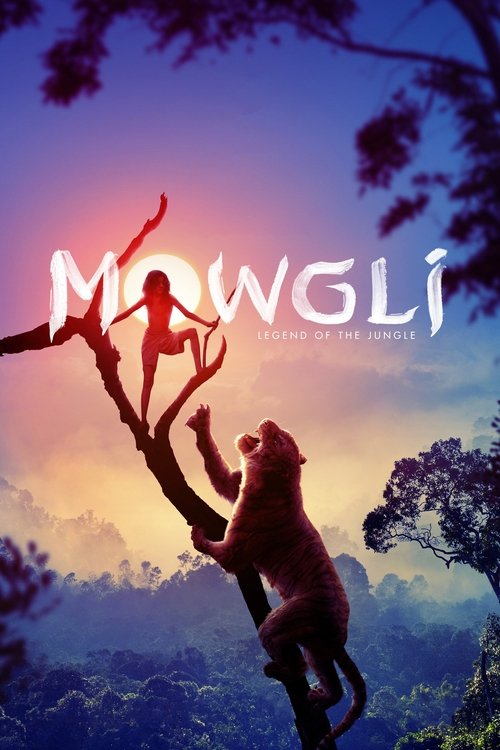
Disney's animated musical is one of the most beloved films the studio ever made, and that is precisely the problem for readers of Kipling. The movie strips away Shere Khan's menace, softens the Law of the Pack into background color, and turns Mowgli's wrenching departure from the jungle into a shrug in the direction of a pretty girl. The result is genuinely joyful, but it traded the book's central ache, the grief of leaving a world you loved, for easy resolution. It took Andy Serkis's 2018 Mowgli: Legend of the Jungle and Jon Favreau's 2016 live-action version, with its restored darkness and weight, to remind audiences what Kipling actually wrote.
Games Where the Environment Is the Antagonist
Games that put you inside a living ecosystem, testing whether you can read and survive its rules.
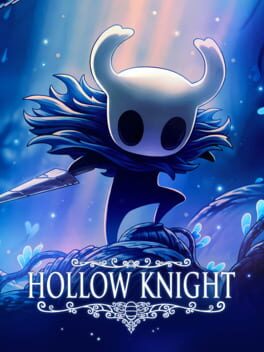
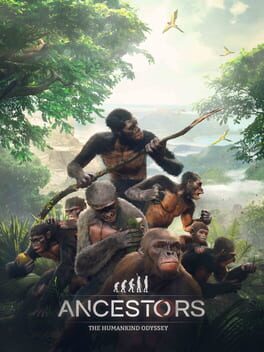
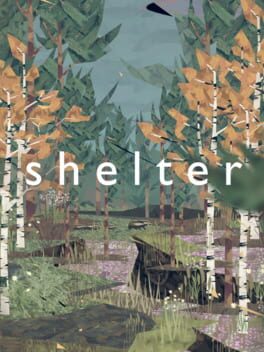
A Century of Mowgli: The Jungle Book on Page and Screen
- 1894Kipling publishes the original stories in magazines, then collected as a book. The Jungle Book
- 1895The Second Jungle Book continues Mowgli's story. The Second Jungle Book
- 1942Sabu stars in the first major live-action Hollywood adaptation. Jungle Book
- 1967Disney's animated musical becomes the studio's last film personally overseen by Walt Disney. The Jungle Book
- 1989TMS Entertainment's anime series brings Mowgli to global television audiences. The Jungle Book
- 1994A live-action Disney adaptation takes a more adventure-driven approach. The Jungle Book
- 2003Disney releases an animated sequel to the 1967 classic. The Jungle Book 2
- 2016Jon Favreau's photo-realistic CGI live-action remake earns a Best Visual Effects Oscar. The Jungle Book
- 2018Andy Serkis directs a darker, more faithful adaptation for Netflix. Mowgli: Legend of the Jungle
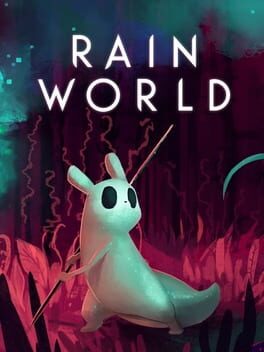
Rain World understands Kipling better than most Jungle Book adaptations do
The indie game Rain World drops you into a ruined ecosystem as a small slugcat, and the world does not care about you. Predators hunt by real behavior, not scripted patterns. The environment cycles through weather that kills. There is no minimap telling you where safety is. You learn the Law of this particular jungle through failure, observation, and hard-won instinct, exactly the way Mowgli learns from Baloo and Bagheera. Rain World is brutal and occasionally unfair in the way that wild ecosystems are actually brutal and occasionally unfair, and finishing it produces the same complicated pride Kipling's boy feels when Shere Khan finally falls.
The real emotional core is the ending, not the adventure
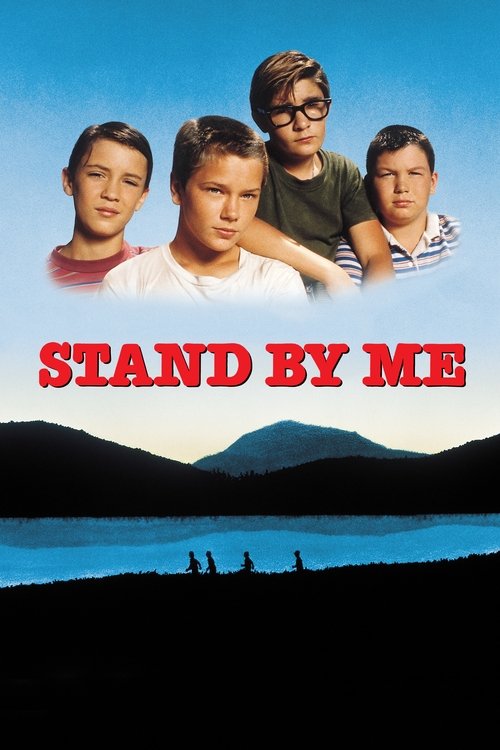
Most adaptations treat Mowgli's departure from the jungle as a happy resolution. Kipling wrote it as a loss. The boy goes back to the village because the jungle itself makes clear he no longer fully belongs, and that departure is genuinely sorrowful for both sides. That specific grief, loving a world you have to leave, is what connects The Jungle Book to stories as different as Peter Pan, Stand by Me, and A River Runs Through It. The adventure is the vehicle. The ending is the point.