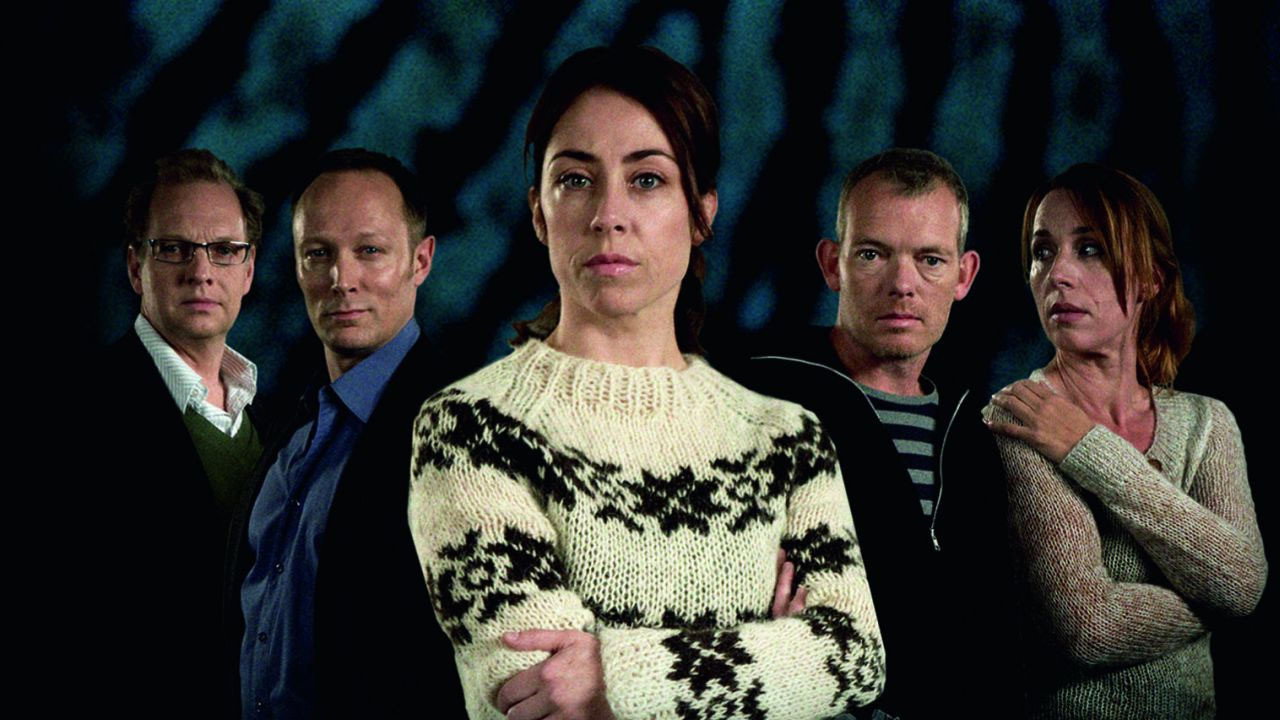

The Killing (Forbrydelsen, 2007) arrived from Denmark and quietly rewired what crime television could be. Sarah Lund's jumpers became fashion icons, but the show's real signature was its weather: perpetual grey rain, overcast skies, and an emotional atmosphere to match. The murder of Nanna Birk Larsen unfolds across 20 episodes, drawing in a bereaved family, a chaotic local election, and an investigator who can't stop even when everyone around her needs her to. What fans respond to is a very specific cocktail: procedural patience, moral ambiguity without cheap resolution, institutions (police, politics, press) shown as messy and self-interested, and grief given the screen time it deserves. The through-line across everything below is that same commitment to treating darkness seriously rather than as spectacle.
Nordic Noir Essentials
The Scandinavian crime wave that The Killing helped launch and that still sets the standard
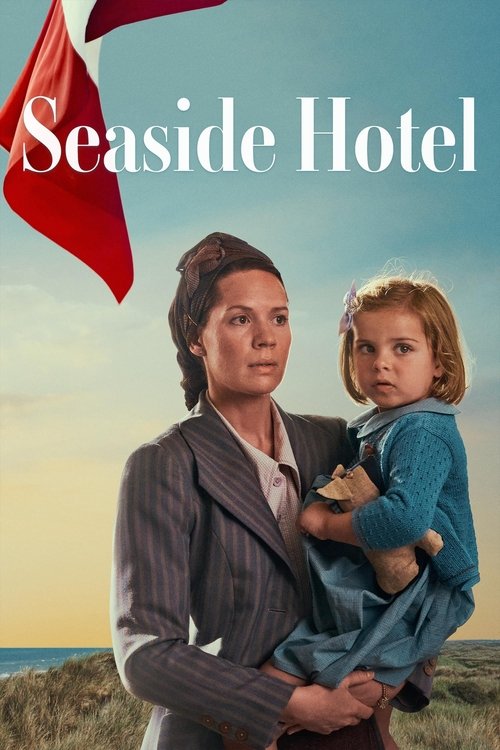
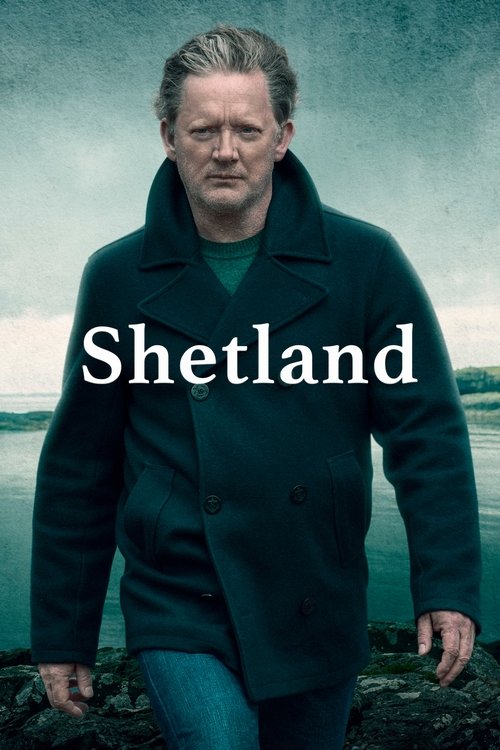
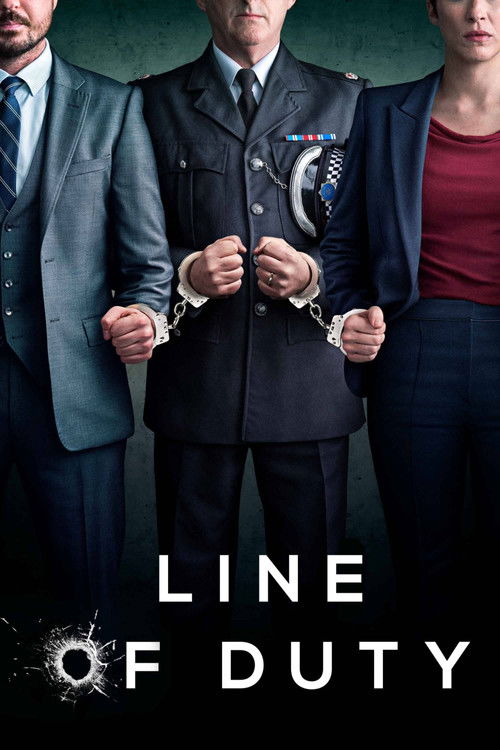
The Long Case: Prestige Crime Series
Serial investigations with the same patience for process, politics, and collateral damage
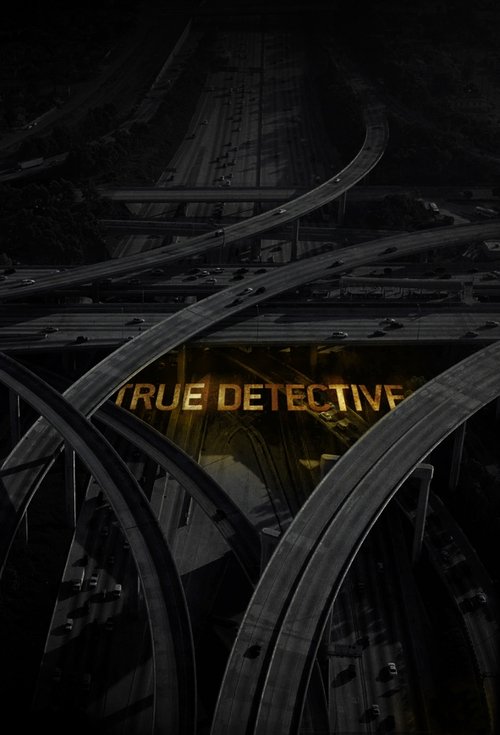
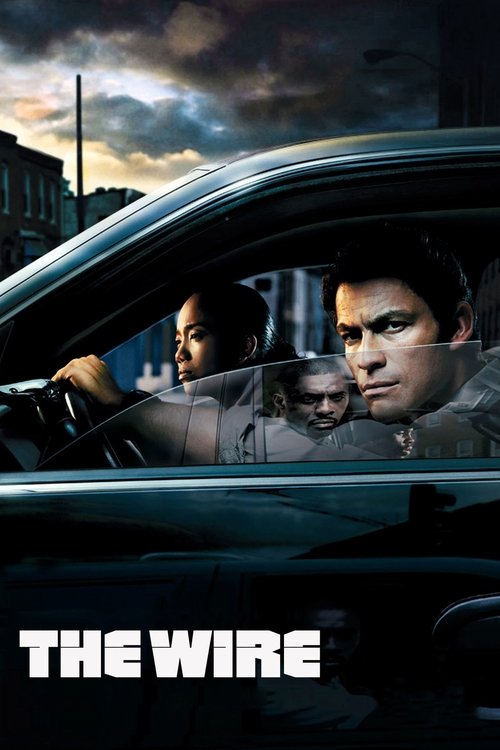
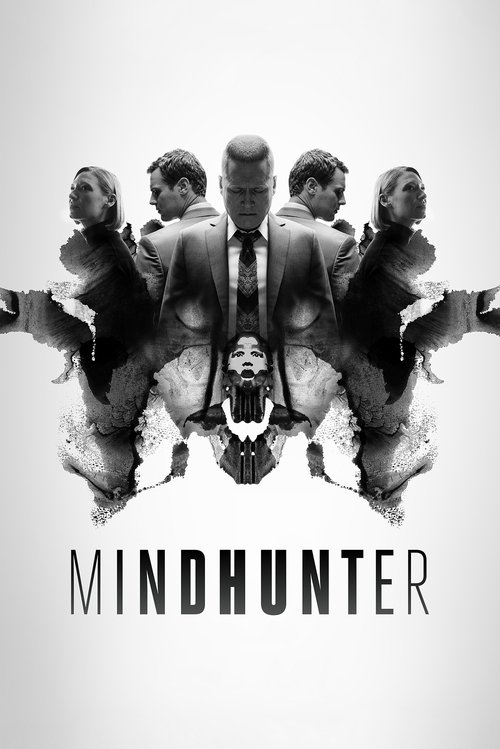

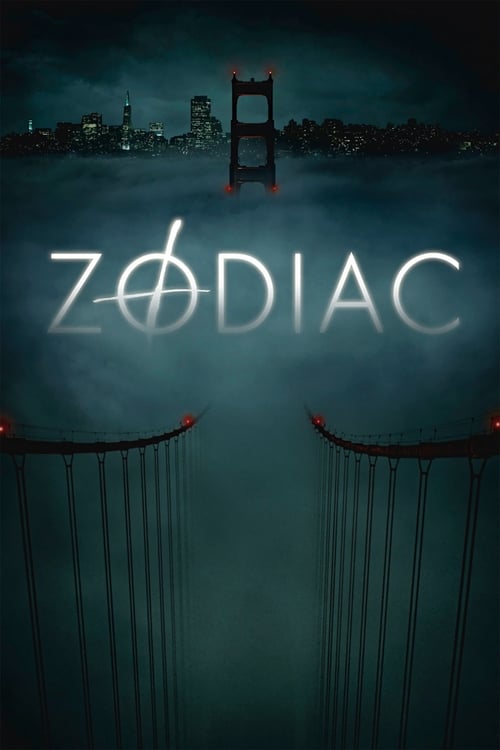
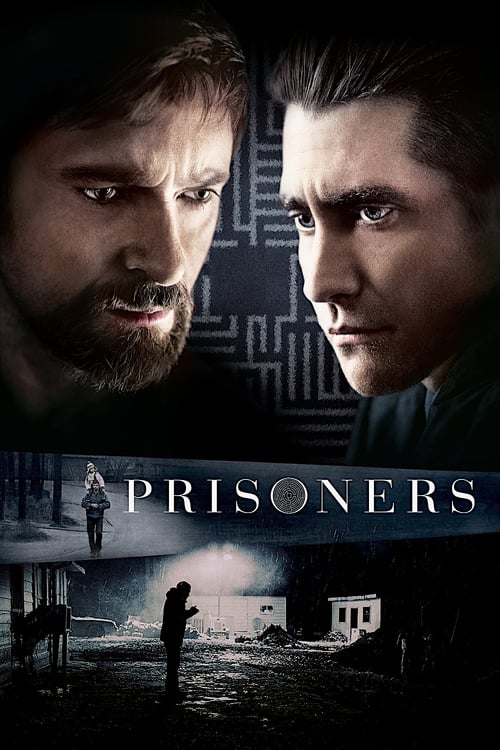
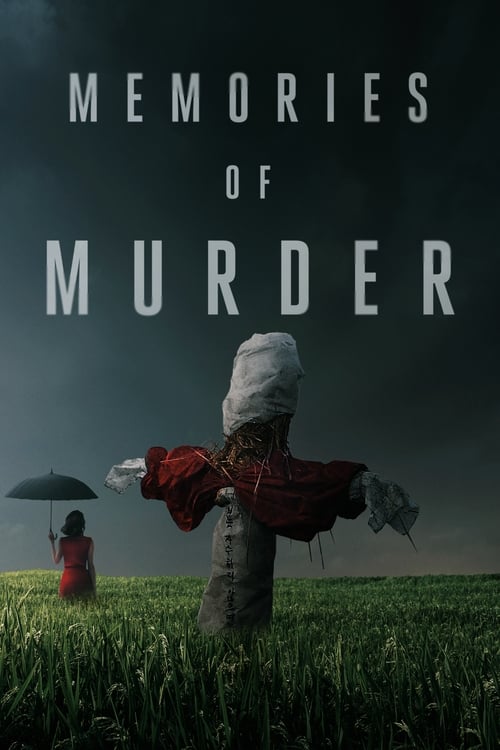
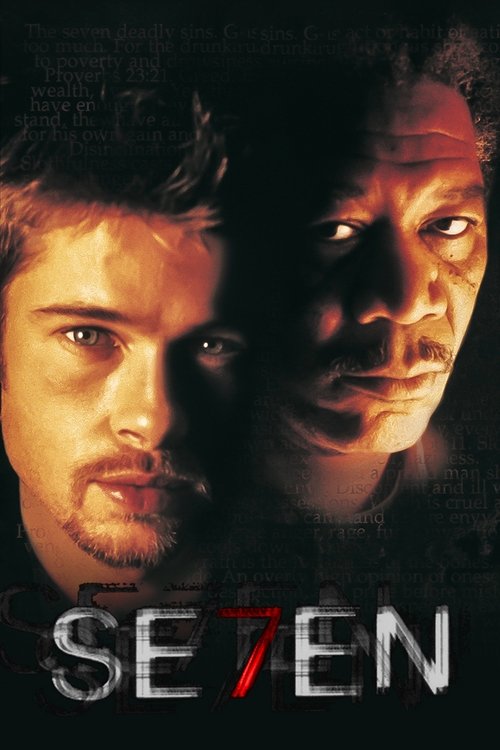
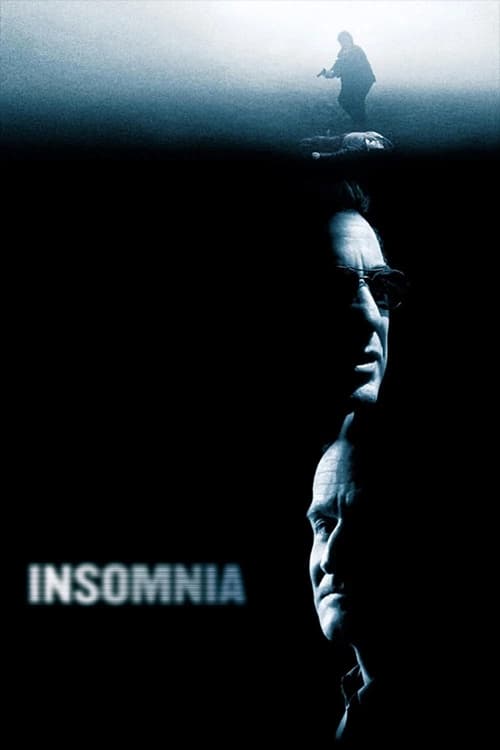
Rain-Soaked Crime Cinema
Films with The Killing's atmosphere: cities as labyrinths, cases that cost the investigator everything
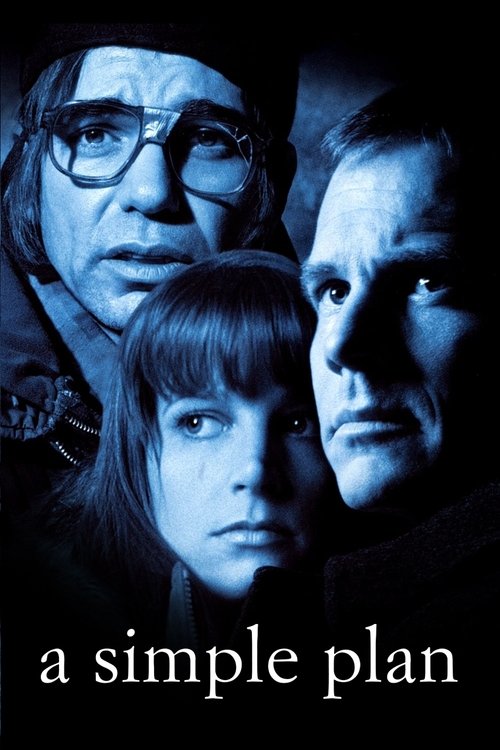
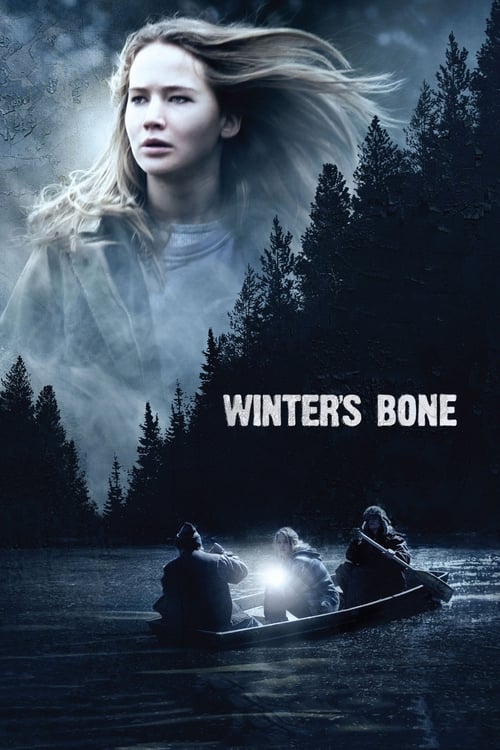
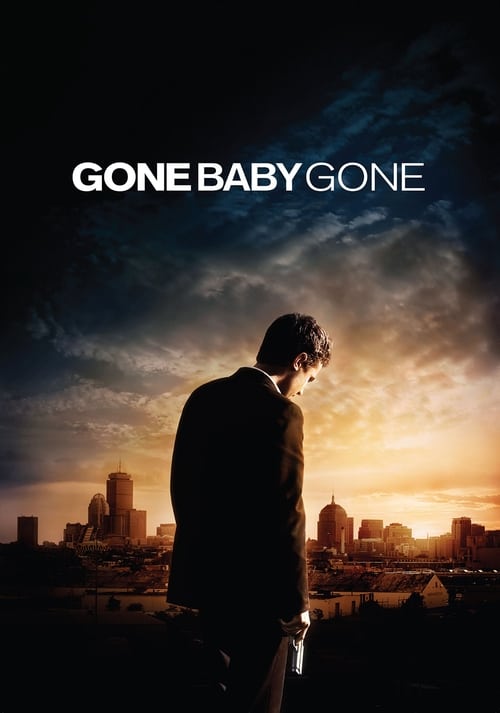
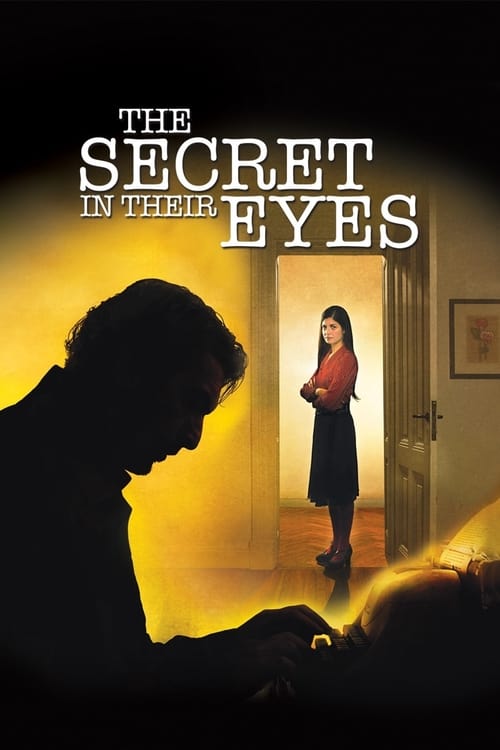
The Novels Behind the Rain
Crime fiction with the same unhurried weight: social systems as suspects, grief as the real subject


Games That Make You Sit With It
Slow-burn mystery and investigative games where uncovering the truth comes at a cost
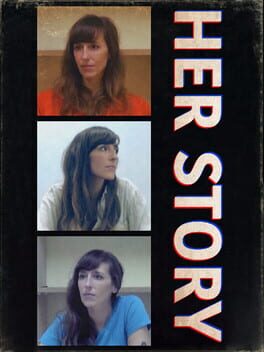
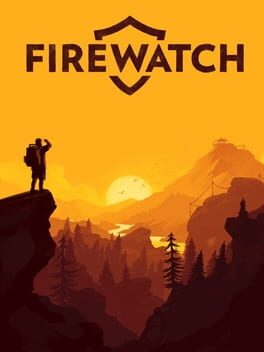
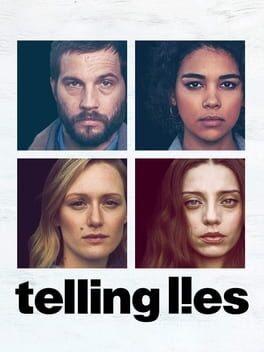
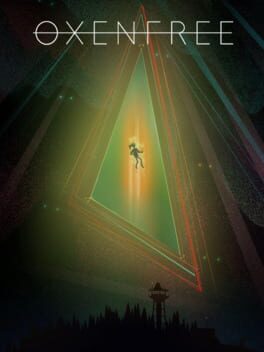
The American remake was better than it had any right to be
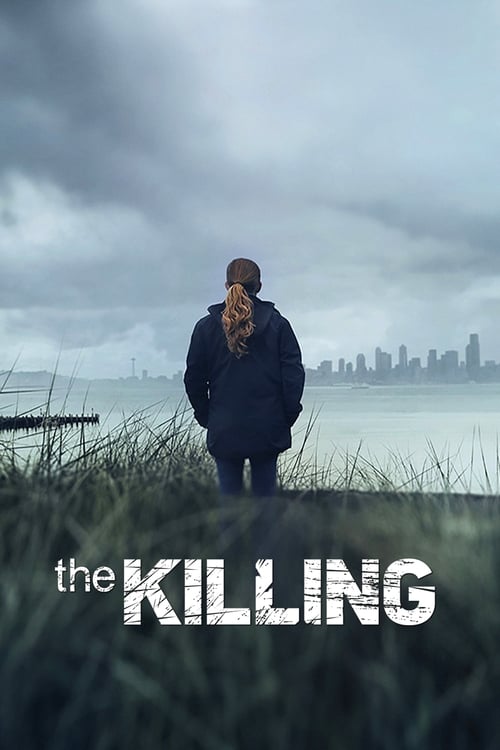
AMC's The Killing (2011) was greeted with some skepticism as another US adaptation of a European prestige series, and its season-one finale produced genuine backlash for not resolving the central case. But rewatched now, the Seattle setting, Mireille Enos's performance, and the show's sustained commitment to the Larsen family's grief hold up remarkably well. Seasons three and four, freed from the original's shadow, are genuinely excellent crime television on their own terms.
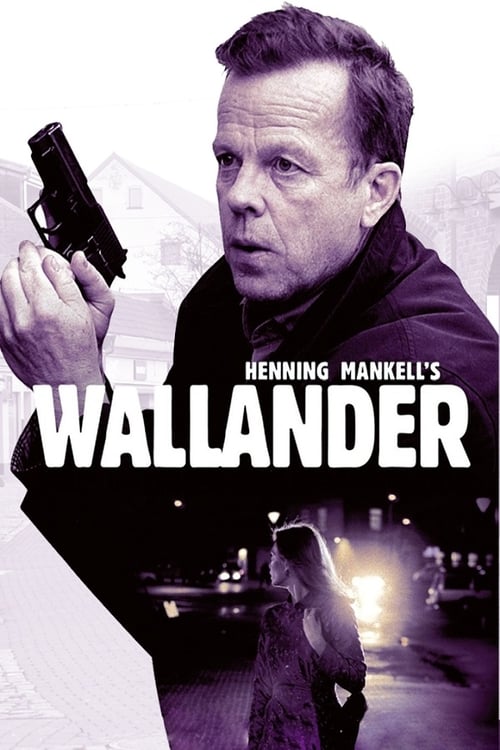
Wallander is the closest Swedish analogue to Sarah Lund
Kurt Wallander is depressive, professionally obsessive, and consistently damaging to his own relationships for exactly the same reasons Lund is. Henning Mankell's novels and the Swedish TV adaptations (starring Krister Henriksson) are the most direct literary and televisual cousins to Forbrydelsen: provincial settings, cases rooted in Swedish social failures, and an investigator whose competence is inseparable from his self-destruction. The Kenneth Branagh BBC version is also worth your time for different reasons.
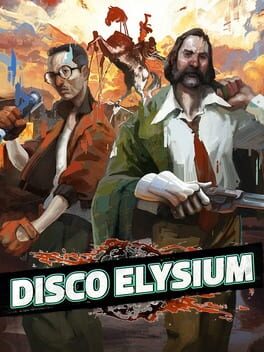
Disco Elysium is the game version of The Killing's worldview
A city scarred by political failure, an investigator who is as much the problem as the solution, institutions that exist primarily to protect themselves, and a case that opens into something much larger about how societies choose to remember and forget. Disco Elysium does not share The Killing's genre conventions but it shares every instinct about what crime stories are actually for. It is one of the few games that takes moral ambiguity as seriously as Forbrydelsen does.
The best crime fiction refuses easy closure
What separates The Killing from procedural comfort food is the refusal to let the solved case undo the damage it caused. Jo Nesbo's Harry Hole novels operate on the same principle: the case is closed but Harry is worse off, and the city around him is not safer or cleaner. The Keeper of Lost Causes by Jussi Adler-Olsen takes a different structural approach (cold cases, dark institutional secrets) but lands in the same emotional territory: procedure as a way of living with things that cannot be fixed.
Nordic Noir on Screen: Key Moments
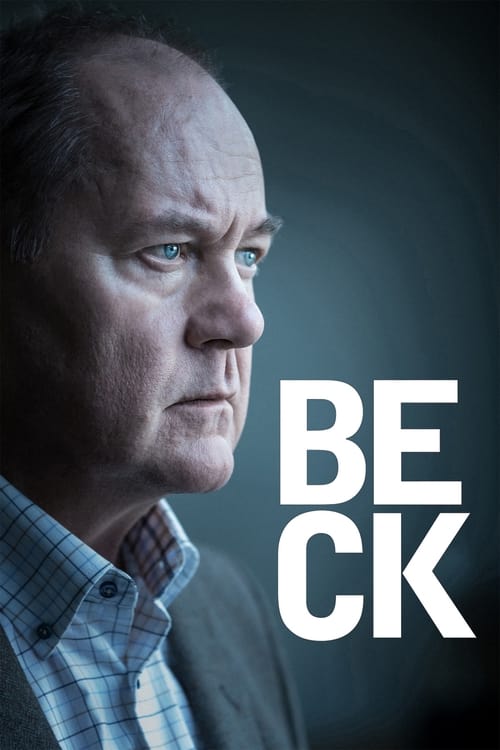
- 1994Beck premieres in Sweden, establishing the template for Scandinavian police procedural television Beck
- 2005Henning Mankell's Wallander novels begin their Swedish TV adaptation with Krister Henriksson Wallander
- 2007Forbrydelsen (The Killing) Season 1 airs on DR1, introducing Sarah Lund and redefining European crime television
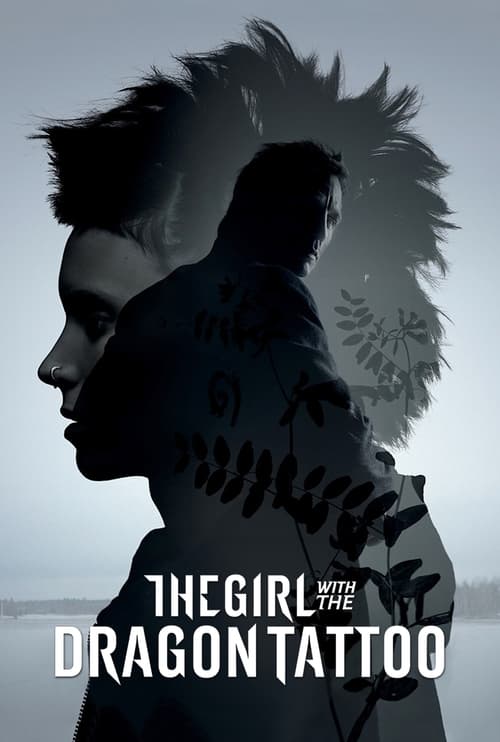
- 2009Stieg Larsson's Millennium trilogy films premiere in Sweden, bringing Nordic Noir to global cinema audiences The Girl with the Dragon Tattoo
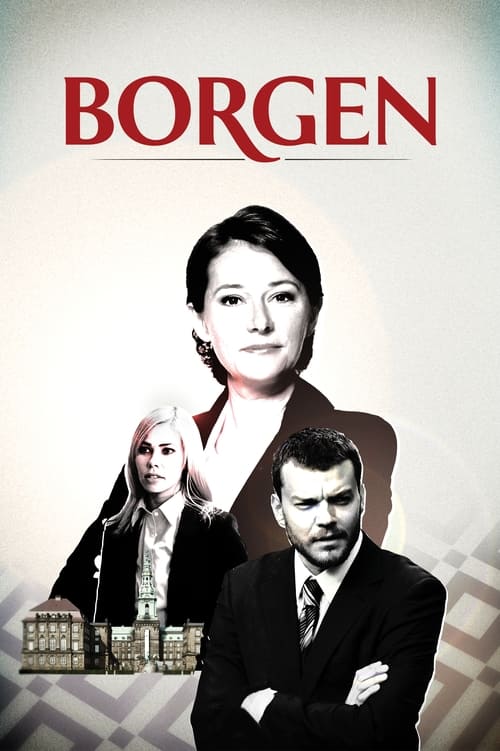
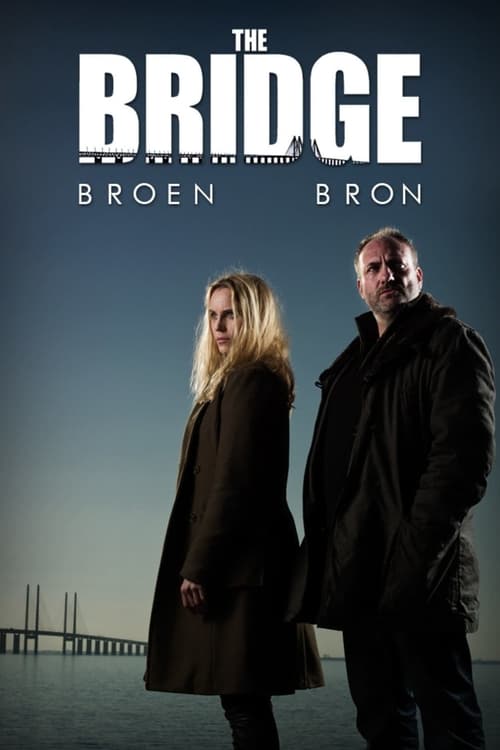
- 2011AMC's American adaptation premieres; The Bridge (Broen) launches in Denmark and Sweden on the same year The Bridge
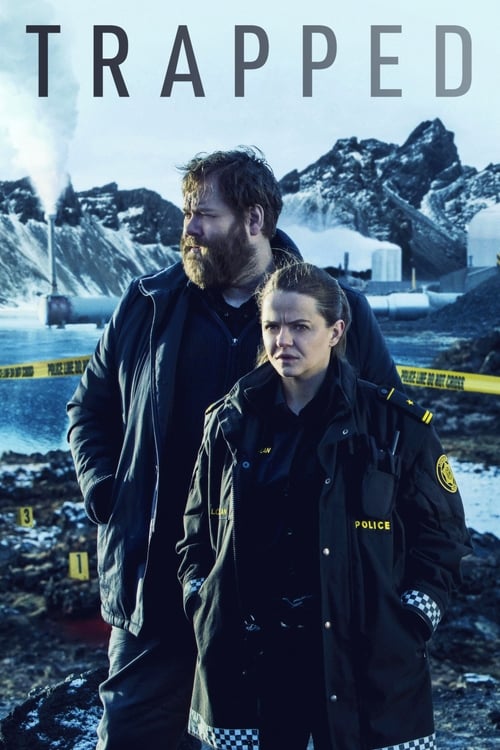
- 2012Trapped premieres in Iceland, extending the subgenre into harsher, more remote landscapes Trapped
- 2015True Detective Season 1 completes its US run; Nordic Noir's formal influence on American prestige TV is now undeniable True Detective
- 2019Disco Elysium arrives and applies Nordic Noir's moral pessimism to the RPG form Disco Elysium
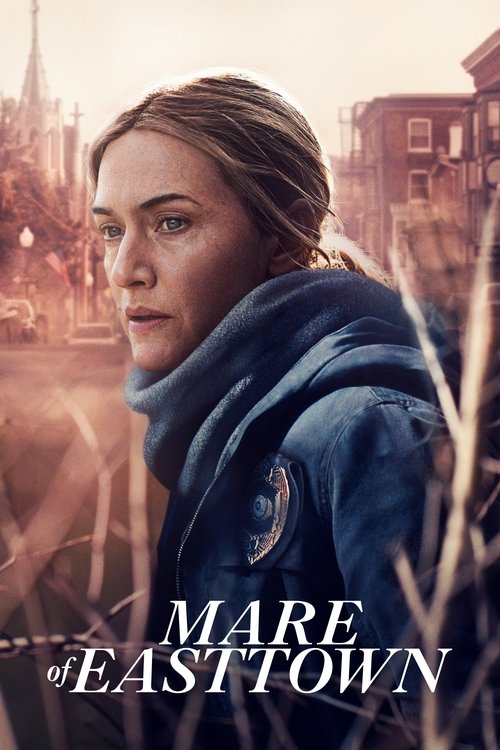
- 2021Mare of Easttown demonstrates the form's continued vitality in an American regional setting Mare of Easttown
The jumper is the character. Sarah Lund's wool sweater became the image that launched a thousand think-pieces, but what it really signaled was a detective who had stopped performing femininity for the audience around her and was just working the case.On Forbrydelsen's visual language and what it meant