Ali Hazel's 2021 debut landed at the intersection of two hungers: the romance reader who wanted the tropes played straight and warm, and the millennial woman who recognized the particular exhaustion of being brilliant but perpetually doubting it. The Love Hypothesis is a fake-dating story set inside academia, where the heroine agrees to pretend to date a forbidding male professor to convince her friend she's moved on. What follows is less about deception and more about two people slowly dismantling the reasons they've each built against being loved. The emotional engine is very specific: competent people who are bad at receiving care, proximity that erodes the defenses, and a payoff that feels earned rather than handed over. Fans of this book tend to be chasing that same combination: the slow burn, the found-family undercurrent of a shared world (here, a grad-school lab), and the conviction that intelligence is not at odds with longing.
Start Here: The Love Hypothesis and Its Closest Kin in Romantasy and Contemporary Romance
Books that share the fake-dating frame, the slow burn, or the academic/professional world where feelings become inconvenient.


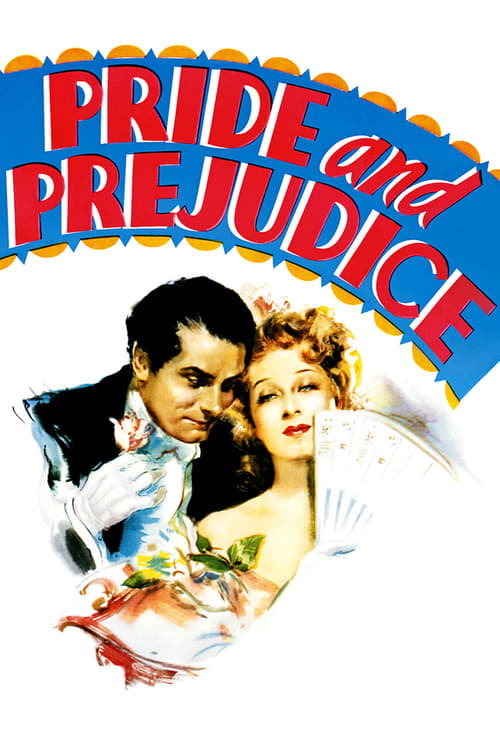
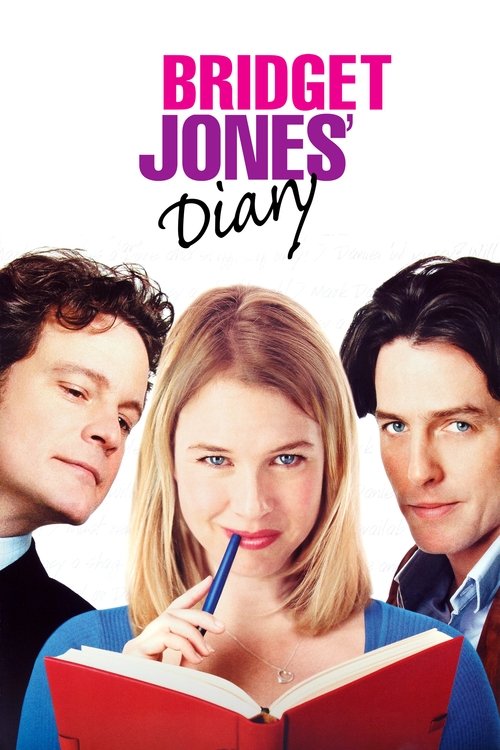
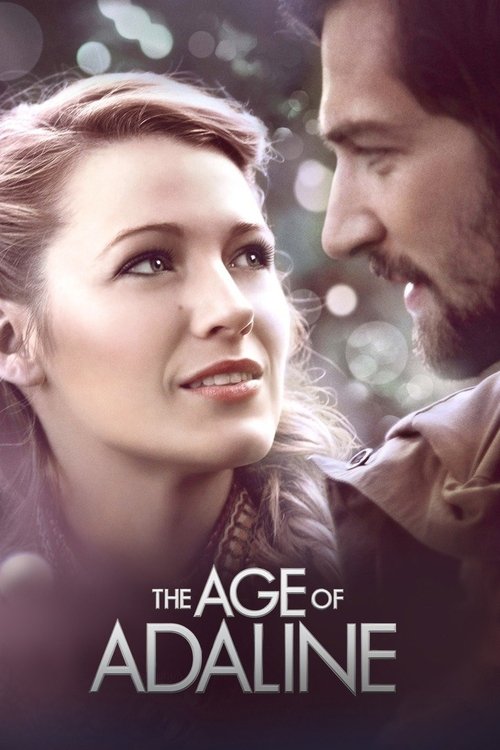
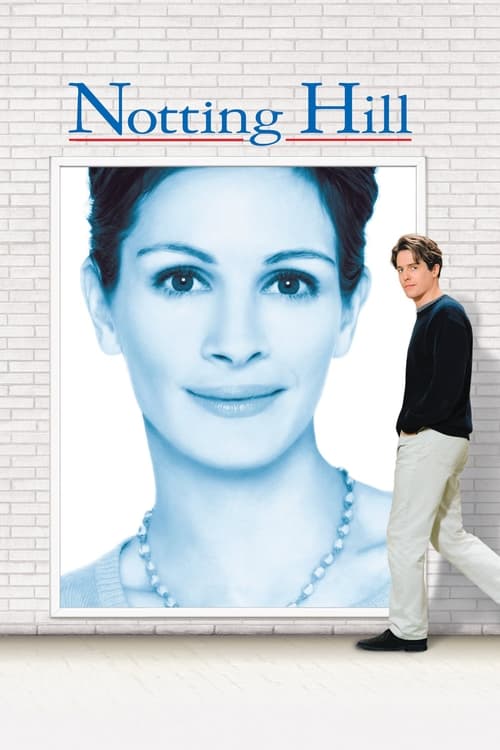
The Chemistry That Builds Slowly: Films for Slow-Burn Romance Fans
Movies where the emotional payoff is proportional to the patience demanded.


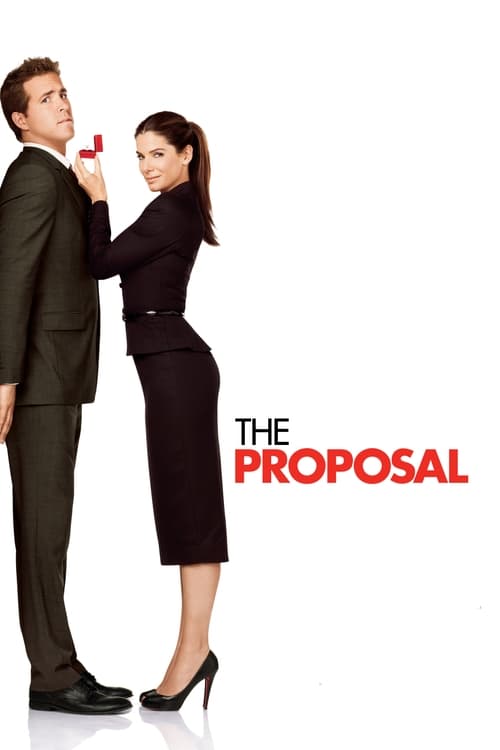



Will They, Won't They: TV Series That Sustain the Tension
Shows that build romantic tension across seasons without losing the warmth of ensemble found-family dynamics.










The Fake-Dating Trope Works Because Honesty Is Too Scary to Choose Freely
The contractual premise of fake dating is not a gimmick. It is the only plausible mechanism by which two emotionally armored people can spend unguarded time together without the risk of rejection hanging visibly in the air. The Love Hypothesis understands this perfectly: Adam and Olive get proximity without confession, closeness without commitment, and by the time the contract expires the feelings are already too far in to retract. It is the same logic that drives every great will-they-won't-they story. The performance of a relationship becomes the permission slip for the real one.
The Slow-Burn Romance: A Short History of a Very Patient Genre
- 1813Jane Austen publishes the blueprint for enemies-to-lovers tension built on misunderstanding, pride, and very slow realizations. Pride and Prejudice
- 1989Harry and Sally prove that friendship and romantic love can occupy the same relationship simultaneously, in one of film's great arguments for the slow burn. When Harry Met Sally...
- 2005The Keira Knightley adaptation reintroduces Darcy and Elizabeth to a generation of readers who come to Austen through the screen first. Pride and Prejudice
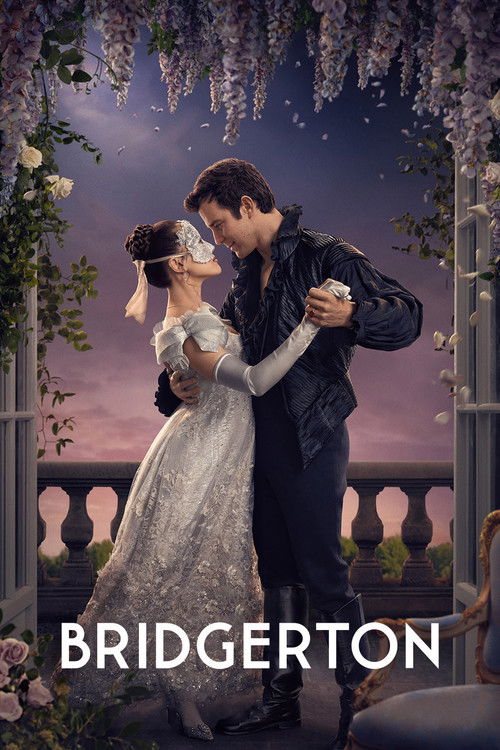
- 2011The first Bridgerton novel is adapted as a Netflix series, proving that Regency-era slow burns translate perfectly to binge-watching. Bridgerton
- 2021Ali Hazel's debut brings the trope into academic science labs, reaching readers who had never thought of themselves as romance fans. The Love Hypothesis
- 2022Emily Henry consolidates her reputation as the dominant voice of the contemporary slow-burn rom-com novel.
The emotional trick of the slow burn is not withholding. It is accumulation. Every scene adds weight until the reader is carrying the same unbearable amount as the characters.On the architecture of romantic tension
Soundtracks for the Feeling: Music That Lives in the Same Emotional Register
Albums and artists whose lyrical mode matches the internal monologue of someone falling reluctantly in love.
The Academic Setting Is Doing More Work Than It Appears To
Graduate school is a pressure cooker that isolates its participants and creates intense loyalty to small groups of people. It is also, structurally, a world in which power differentials are built into the relationships and ambition is constantly at risk of being derailed by emotion. The Love Hypothesis sets its romance inside all of that deliberately. The stakes are not just personal; they are professional and institutional. A reader who finds campus romance more compelling than office romance is probably responding to that specific texture of precarity, where careers and feelings are both provisional.
Games Where Relationships Are the Actual Mechanic
Story-driven games in which romance, friendship, and emotional closeness are built through repeated small choices rather than grand gestures.