

The Marked Woman (1937) is one of the angriest films the studio system ever allowed through the gate. Lloyd Bacon and writers Robert Rossen and Abem Finkel took the Lucky Luciano case, stripped out the comfortable distance of pure history, and put Bette Davis at the center: a clip-joint hostess who has spent years surviving a protection racket by keeping her head down, until the racket kills someone she loves and she has to choose between certain retaliation and a kind of justice that will cost her everything anyway. Humphrey Bogart plays the crusading D.A., but the film is not really about him. It belongs to Davis and to the four other women who stand beside her on the courthouse steps at the end, faces marked, futures uncertain, free in the only sense available to them. What fans carry out of that film is a specific feeling: the sight of people at the bottom of a power structure finding the one lever they can pull, pulling it, and paying the price without flinching. That feeling, that combination of social indictment, female solidarity, and noir fatalism, is the thread that runs through everything below.
Essential Bette Davis
The performances that prove Davis was doing something no one else was doing in the 1930s and 1940s
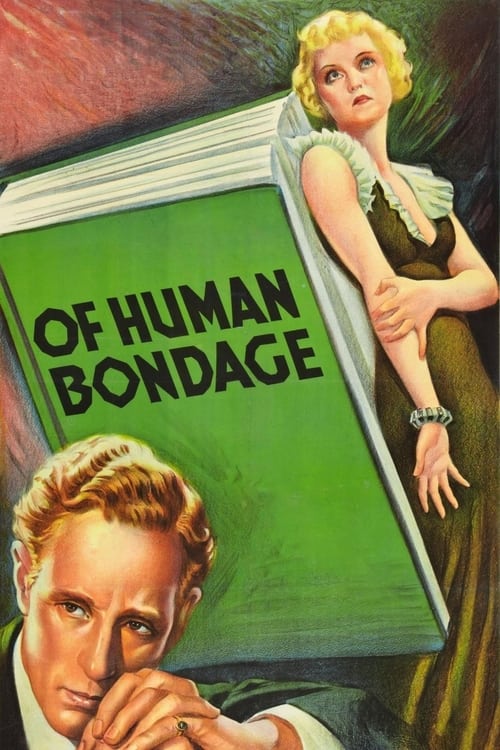
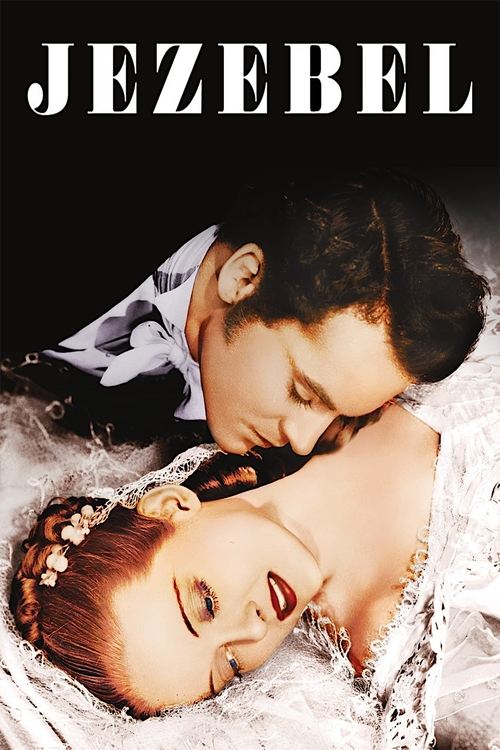
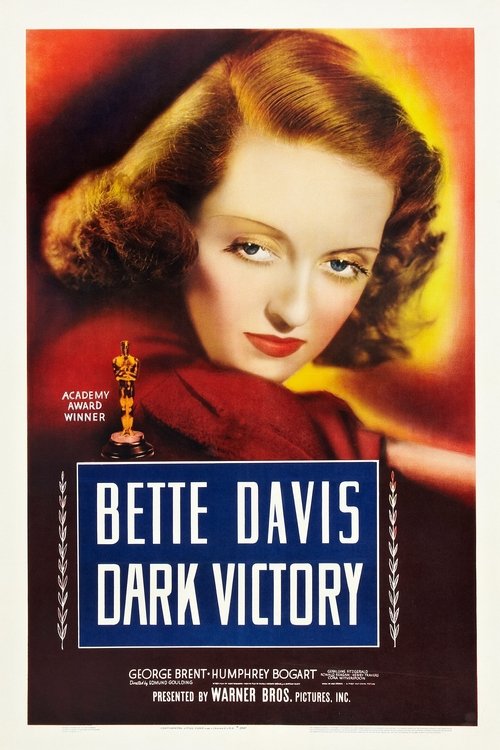
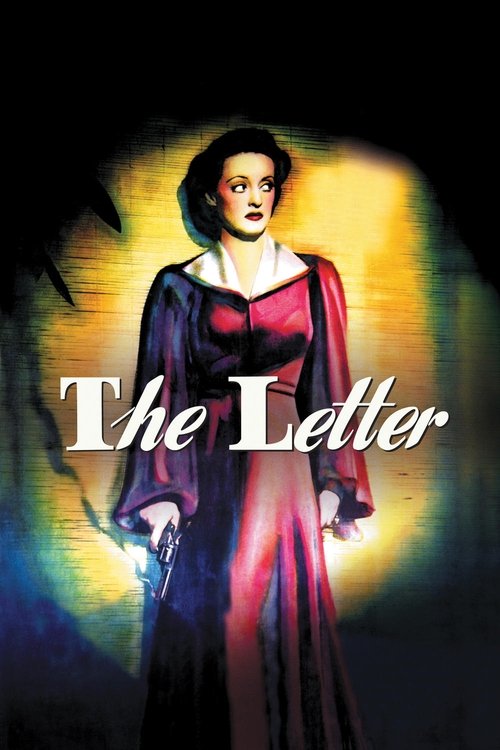
Women Who Fight the Machine
Films where a woman faces an institution, a criminal empire, or a corrupt system and refuses to disappear quietly
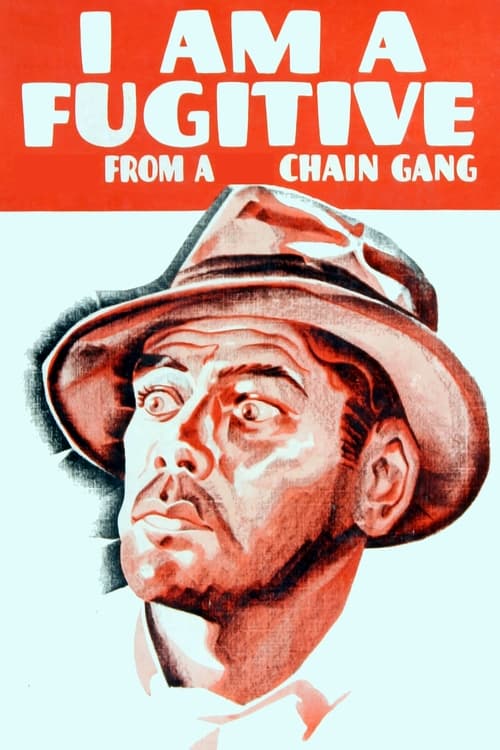
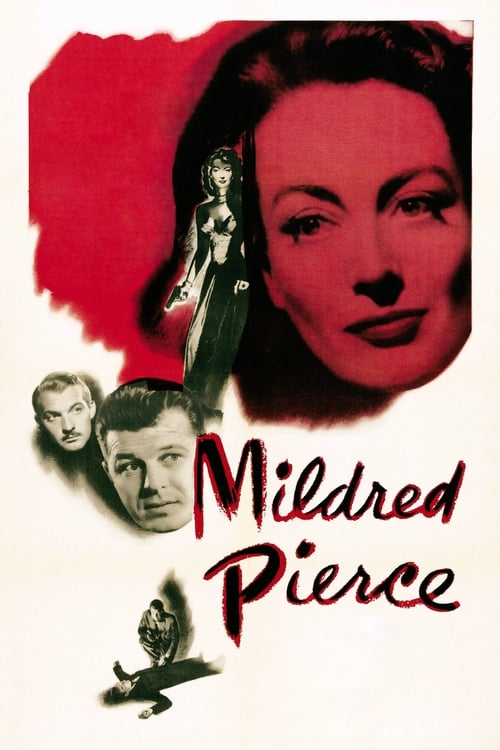
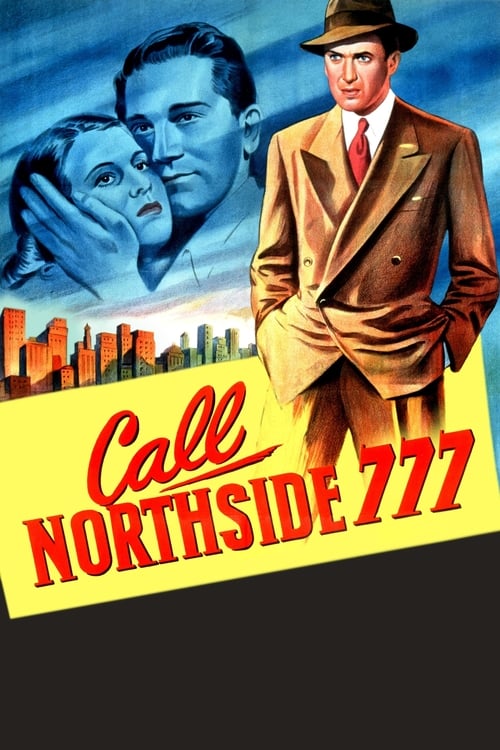
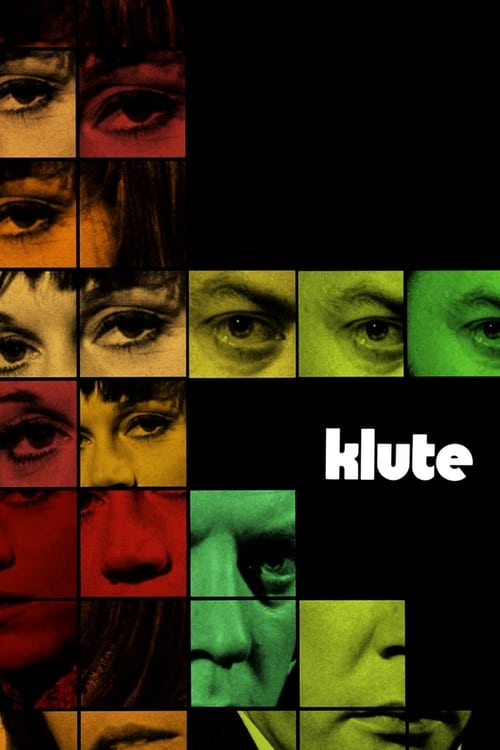




Warner Bros. Noir and Social Crime
The studio machine that made The Marked Woman possible: gritty, fast, morally complicated, shot like newsprint


The picture does not let the D.A. save anyone. The women save each other, and even that salvation is partial, earned through injury, and filmed without sentimentality.On what separates The Marked Woman from the standard crime picture of its era
Television: Corruption, Testimony, Solidarity
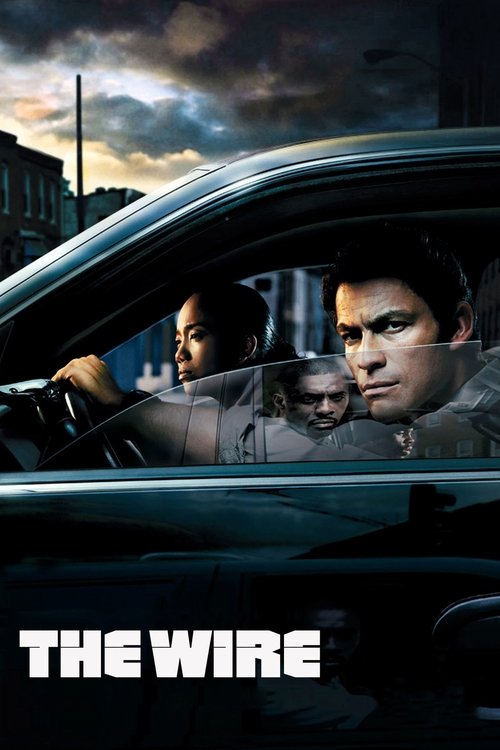
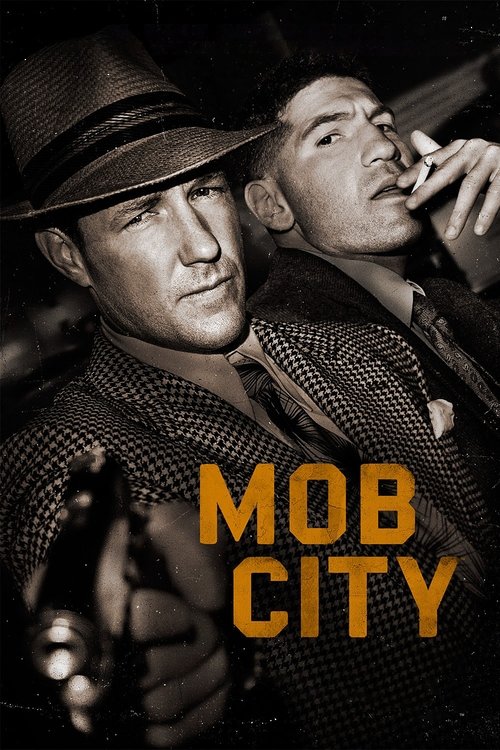
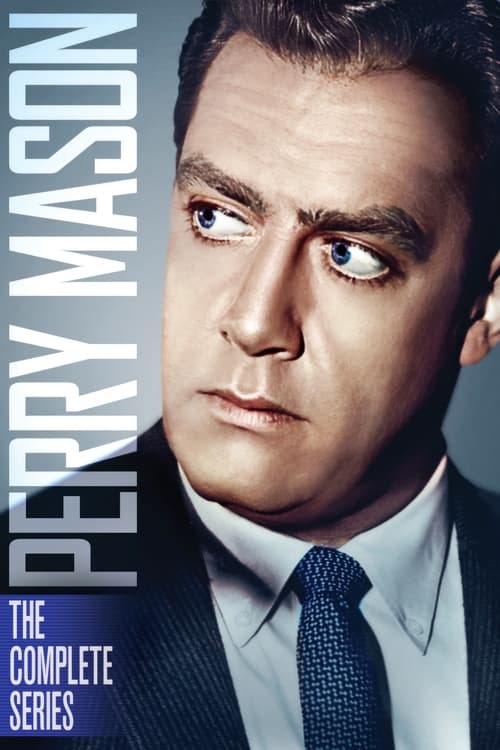
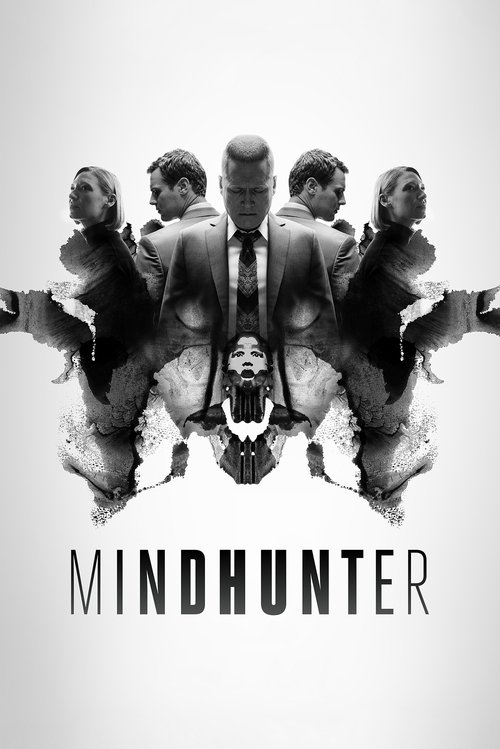
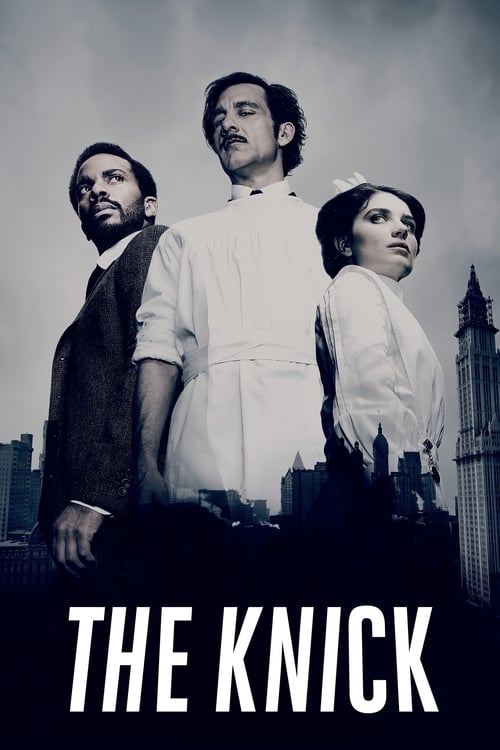
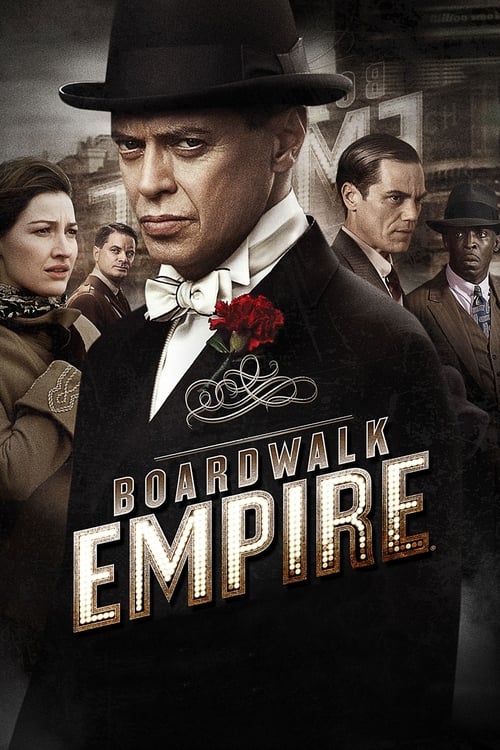
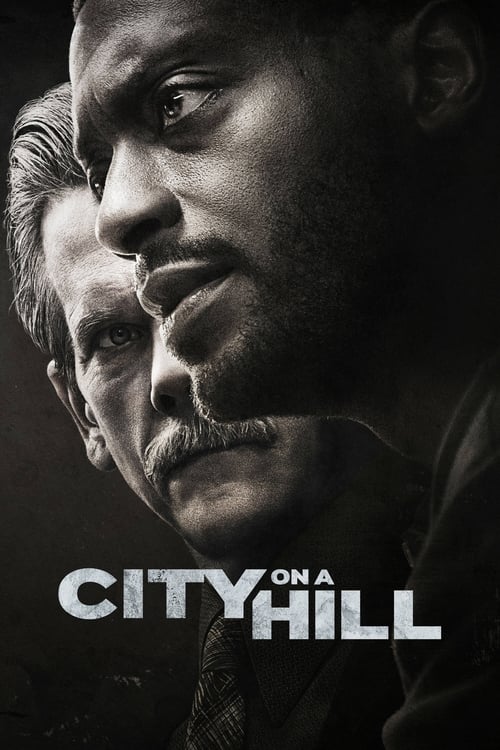
Series that carry the same weight: systems designed to exploit, witnesses who decide to speak, and the cost that follows


The real subject is collective courage, not individual heroism
Mary Dwight would be an interesting character alone. What makes the film extraordinary is that she is never alone. The four other women around her are not background; they have faces, histories, and individual reasons to stay silent. Their decision to testify together is the film's moral center, and it arrives without a rousing speech. The Marked Woman understood something that most crime films still do not: people in danger organize before they act, and the organizing is where the real drama lives.
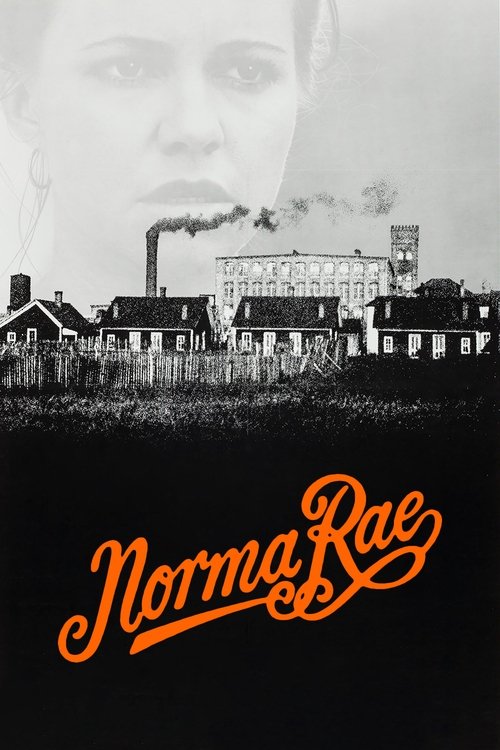
Novels: Crime, Power, and Women Who Witness
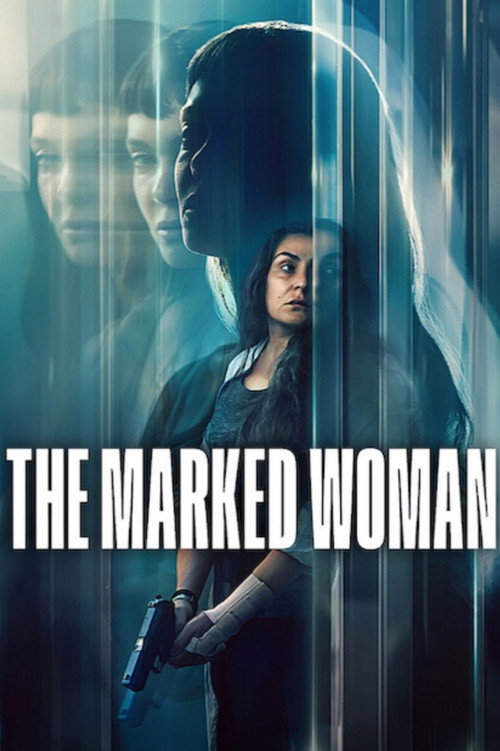
Fiction that shares the film's instinct for putting women inside criminal systems and asking what they do next


Bogart is not the protagonist and the film is better for it
The D.A. played by Bogart is righteous, effective, and largely irrelevant to the film's emotional stakes. He wants convictions; he gets them. Davis wants to survive and to avenge her sister, and the film tracks that want with far more attention and care. Casting Bogart in what looks like the lead role and then making him secondary is the picture's cleverest structural move. It ensures the viewer's sympathy lands exactly where the filmmakers intended: on the women who have the most to lose.
The Real Case Behind the Film
- 1936Thomas Dewey begins his prosecution of Charles 'Lucky' Luciano on compulsory prostitution charges, building his case on testimony from women working in Luciano's network
- 1936Luciano convicted and sentenced to 30 to 50 years; the verdict is front-page news across the country and becomes the template for the film's climax
- 1937Warner Bros. releases The Marked Woman, thinly fictionalizing the case; Bette Davis reportedly cut her own face to convince the makeup team the bandages in the climax were necessary The Marked Woman
- 1946Luciano deported to Italy as part of a wartime deal; Dewey's crusading-prosecutor image carries him to the New York governorship
- 1958Robert Rossen, who co-wrote The Marked Woman, directs The Young Lions, another film about institutional violence and individual conscience The Young Lions
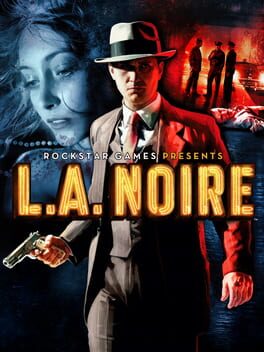
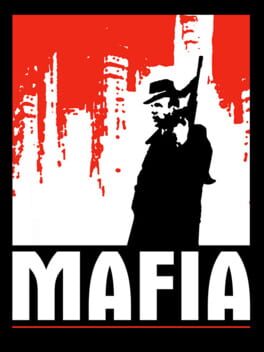
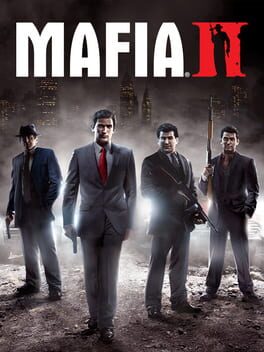
Games: Noir Cities, Organized Crime, Moral Pressure
Games that put you inside corrupt power structures and ask you to decide who you protect


The ending refuses comfort on purpose
The final shot: the five women walking away from the courthouse into rain and indifferent streets, together but not triumphant. The D.A. offered Mary a way out and she did not take it. The film does not explain why, because the explanation is visible in everything that came before it. Solidarity is the only thing she actually owns. The Marked Woman earns one of Hollywood's bleakest closing images by never pretending the law was on these women's side to begin with.