

Patrick Jane is a con man who became a consultant, and the show never lets you forget the difference. What made The Mentalist (CBS, 2008–2015) addictive was not the procedural case-of-the-week structure but the texture underneath it: a razor-sharp outsider who reads people the way most of us read text, a long-game villain arc that earned its payoff, and a lead performance that made arrogance genuinely charming. The appeal is really three things working together: cold-read psychology as entertainment, the slow burn of a decades-spanning nemesis (Red John), and the wit of a man who refuses to take institutions seriously while being completely serious about justice. Fans of that combination tend to want more of all three threads, not just one, and those threads run through crime fiction, psychological thrillers, deception-heavy games, and a long tradition of the brilliant-outsider-who-sees-too-much.
The Brilliant Outsider: Series That Share the DNA
Shows built on one exceptional mind operating just outside the rules






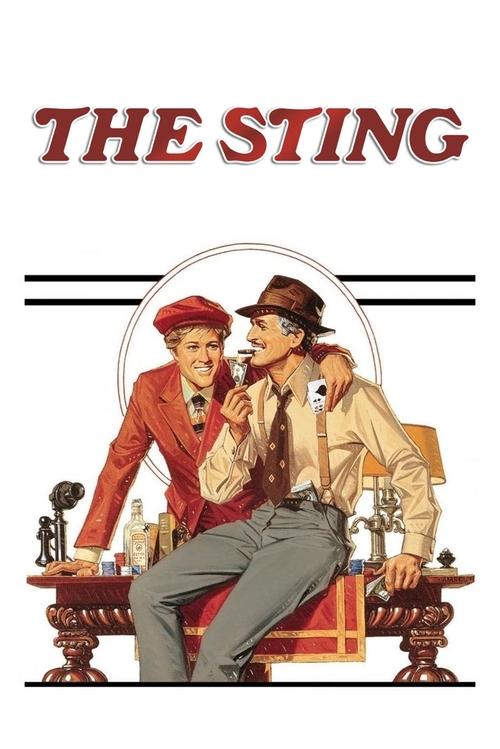
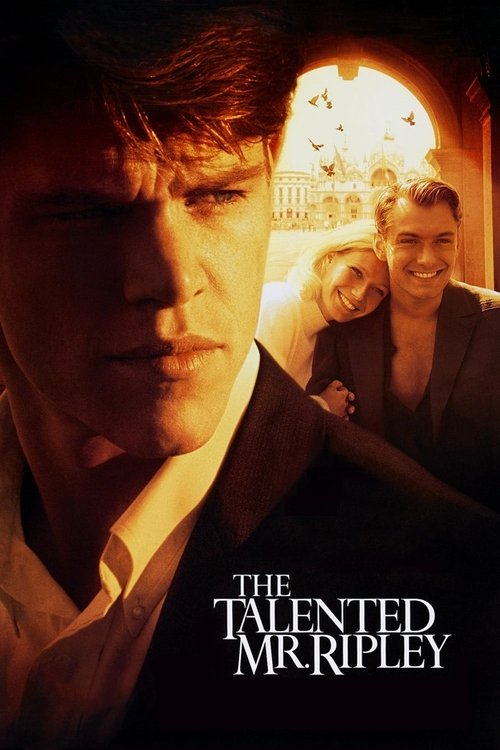
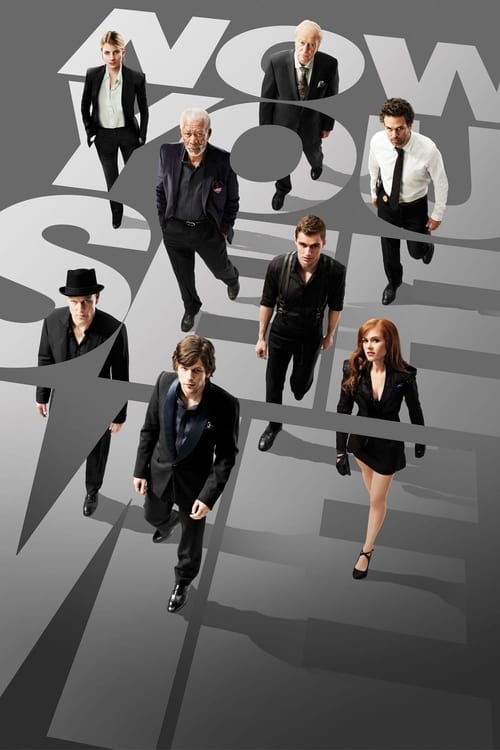
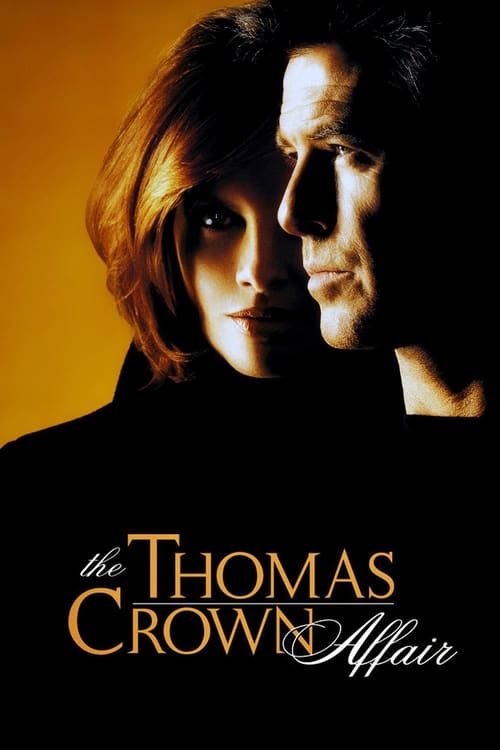
The Long Game: Films About Deception and Reading People
Cinema where the con, the observation, or the psychological duel is the whole point


The Page Version: Crime Fiction and Psychological Thrillers
Books where observation, manipulation, and the outsider detective carry the same charge


Play the Interrogation: Games Built on Reading and Deception
Games where psychological pressure, observation, and manipulation are core mechanics




Red John Works Because the Show Earns It Slowly
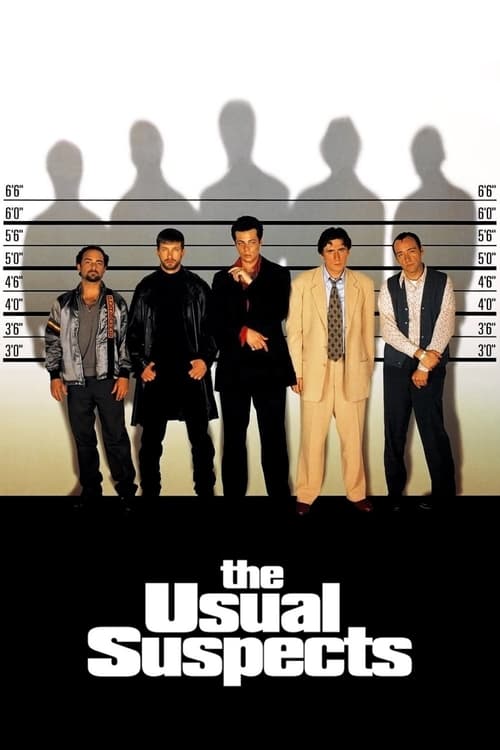
Long-arc serial villains fail when the reveal outpaces the investment, and many procedurals stumble trying to retrofit serialized mythology onto episodic formats. The Mentalist succeeds because Red John is present as a shadow for years before the resolution, and the show resists the urge to over-explain. The closest equivalents in other media are Thomas Harris's Hannibal Lecter (a nemesis who gains power by being withheld more than revealed) and the Keyser Soze construction in film. If the Red John arc is why you stayed, these works understand the same principle.
Psych Is the Comedy Version and It Is Not Lesser For It
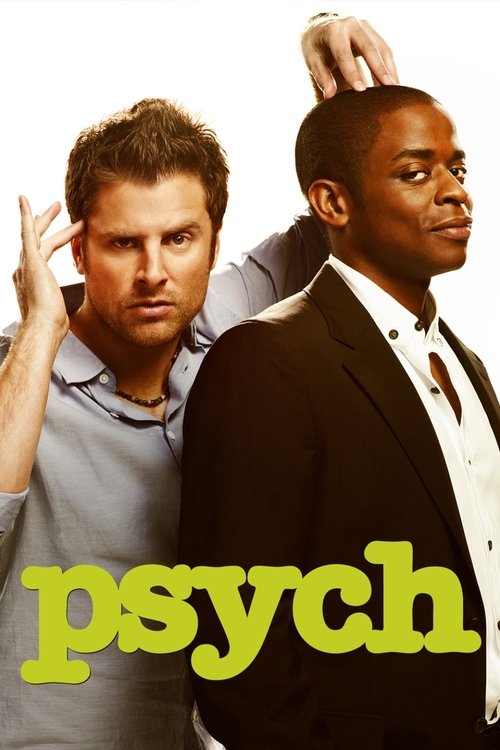
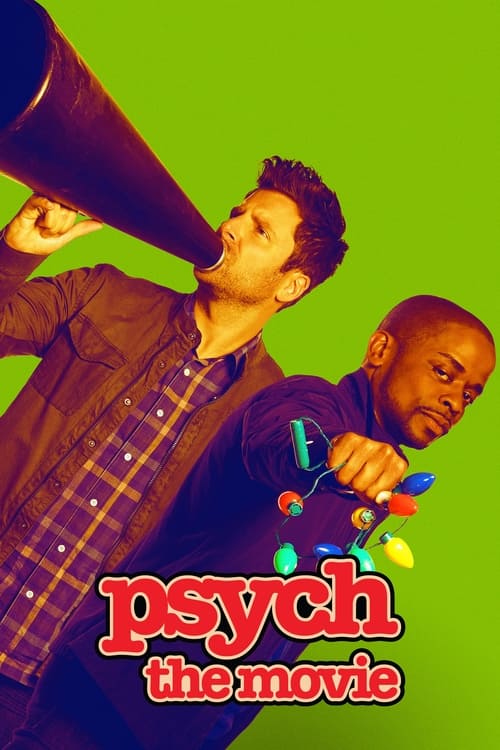
Psych (2006–2014) runs the same premise: fake psychic consultant, real observational skill, skeptical law enforcement partner. The difference is tonal register, not depth. Where Jane is defined by grief and vengeance, Shawn Spencer is defined by arrested development and a complicated father. Both shows understand that the pleasure of the format is watching someone read a room that everyone else misses, and Psych is frequently funnier than critics gave it credit for. The long-running will-they relationship and the ensemble callbacks reward the same kind of devoted re-watching.
L.A. Noire Is the Only Game That Genuinely Replicates the Interrogation Feel
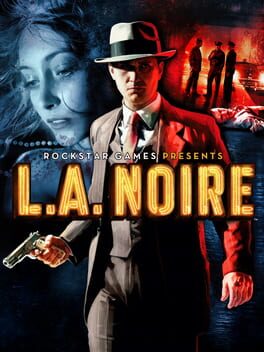
Most detective games make deduction a puzzle of inventory items and map pins. L.A. Noire puts you across a table from a suspect and asks you to read their face in real time: where the eyes go, when the jaw tightens, whether the account holds together. That is almost exactly what Patrick Jane does professionally and what viewers do vicariously through him. The 1940s noir setting adds a layer of moral ambiguity that the show shares, and the growing sense that the institutions Cole Phelps serves are corrupt mirrors the CBI's own frailties in the later seasons.
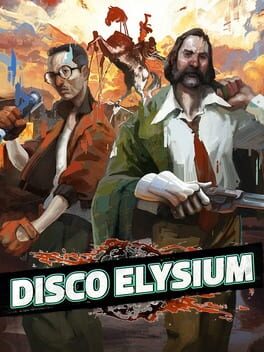
Disco Elysium Is the Extreme Version of the Unreliable Expert
Jane is a high-functioning expert who occasionally overplays his hand. Harry Du Bois in Disco Elysium is the same archetype under maximum entropy: a detective who has lost access to his own past and must reconstruct both the case and himself simultaneously. The game's skill system externalises the competing voices inside one head, which is a mechanical version of what The Mentalist does dramatically when Jane's methods lead somewhere he cannot publicly justify. Neither protagonist operates cleanly within the law; both are obsessed with a case that is also a mirror. If you want the darkest possible riff on the brilliant-broken-investigator, Disco Elysium is it.
The Lineage of the Cold-Read Detective
- 1887Arthur Conan Doyle introduces Sherlock Holmes, the founding template of the observational detective whose methods exceed institutional comprehension. A Study in Scarlet
- 1934Agatha Christie's Hercule Poirot and the 'little grey cells' model of psychological deduction reach full form. Murder on the Orient Express
- 1968Columbo establishes the rumpled-outsider-consultant format on American television: disarming manner, lethal focus. Columbo
- 1988House of Games introduces the con-man as protagonist in American cinema, where reading people is both weapon and vulnerability. House of Games
- 1991The Silence of the Lambs fuses the brilliant-outsider and the long-game serial villain into a single cultural moment. The Silence of the Lambs
- 2002Monk launches the era of the eccentric-consultant procedural on US cable. Monk
- 2006Psych, Lie to Me, and Castle begin arriving in quick succession, each riffing on the observational-expert frame. Psych
- 2008The Mentalist premieres on CBS; Patrick Jane becomes the defining version of the grieving, con-man-turned-consultant archetype. The Mentalist
- 2011L.A. Noire brings facial-reading interrogation to games; the first interactive version of the cold-read mechanic at scale. L.A. Noire
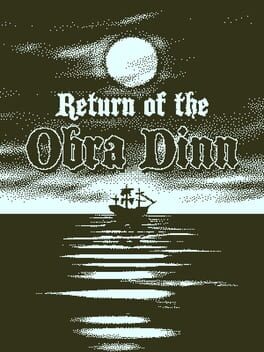
- 2013Return of the Obra Dinn (released 2018, designed from 2013) demonstrates that deductive reasoning can be the entire game, with zero spoon-feeding. Return of the Obra Dinn
- 2019Disco Elysium publishes the most radical literary riff on the broken detective: deduction as existential crisis. Disco Elysium
The joy of a cold-read story is that it invites the audience to compete. You watch the expert work and you ask yourself: would I have seen that? The best entries in this tradition are generous enough to let you win occasionally, and honest enough to beat you most of the time.CrossBinge Editors