

Agatha Christie's 1926 novel does one thing no mystery had dared do before it: it hands the narrative to a figure who has every reason to deceive, and then watches you trust him completely. What fans chase is not merely a surprise ending but a particular sensation, the retroactive reread where every sentence you thought you understood reveals a second face. That feeling, of being complicit in your own misdirection, of a story that plays fair by rules you did not know existed, is the thread that runs through everything recommended here. It is a puzzle-box that respects your intelligence while quietly picking your pocket.
Essential Agatha Christie
The novels that show the full range of what she could do with an unreliable frame and a sealed room.


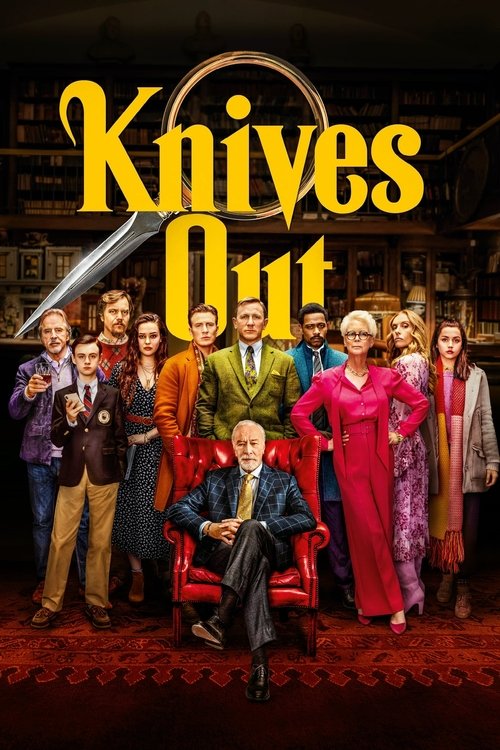
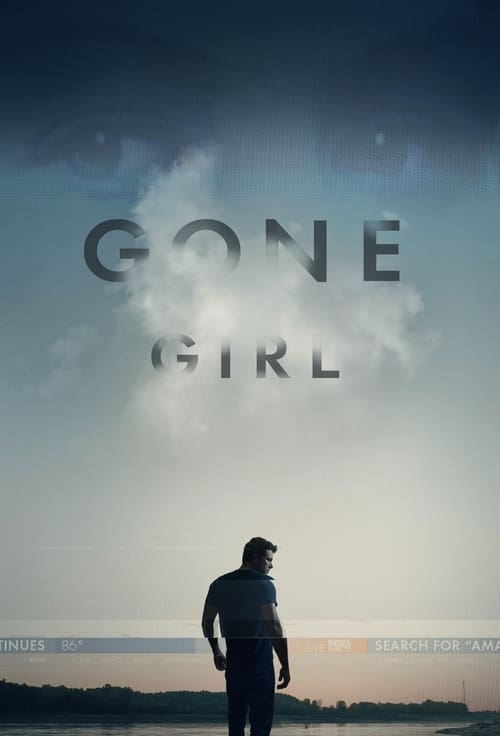
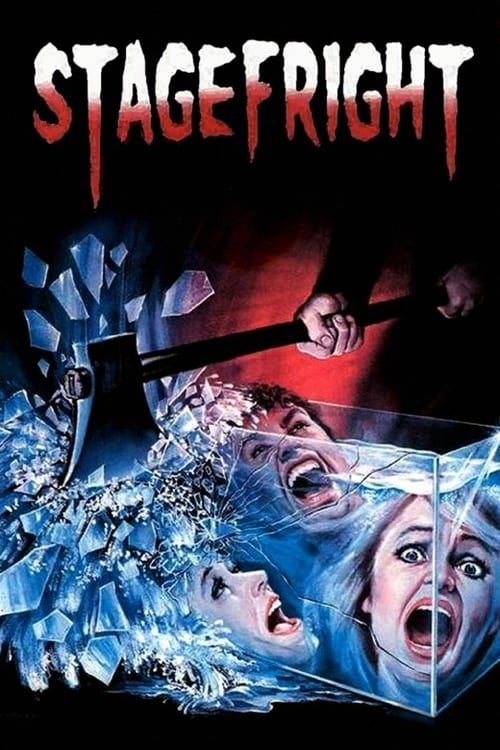
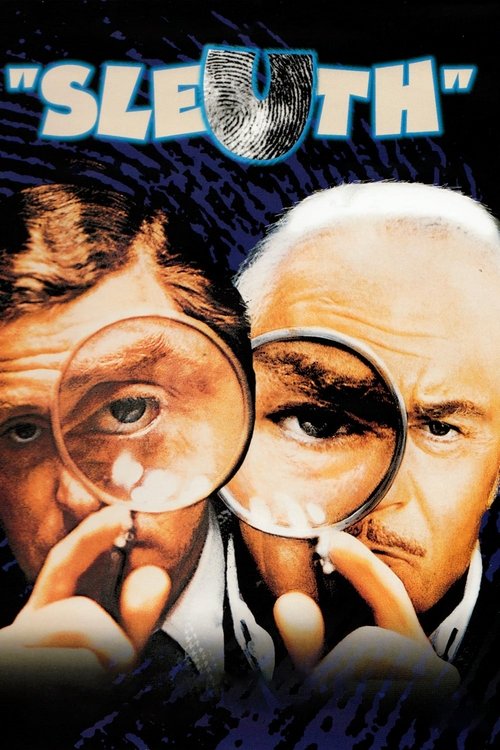
On Screen: Roger Ackroyd and Its Cousins
Adaptations of Christie and films that share the same commitment to a narrator you cannot fully trust.
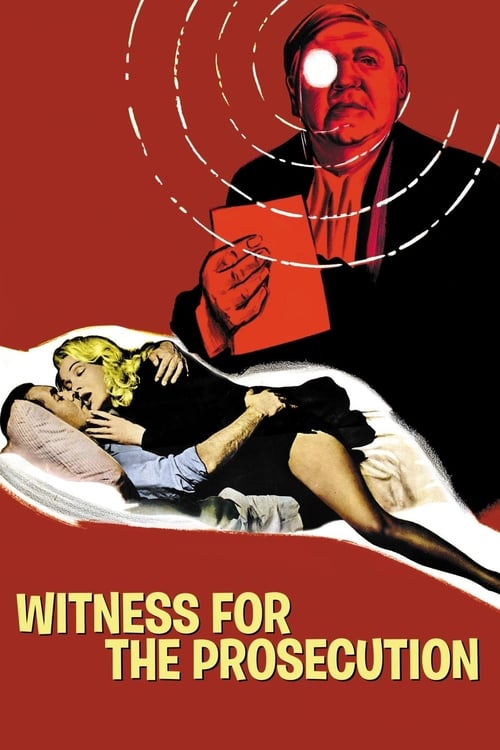
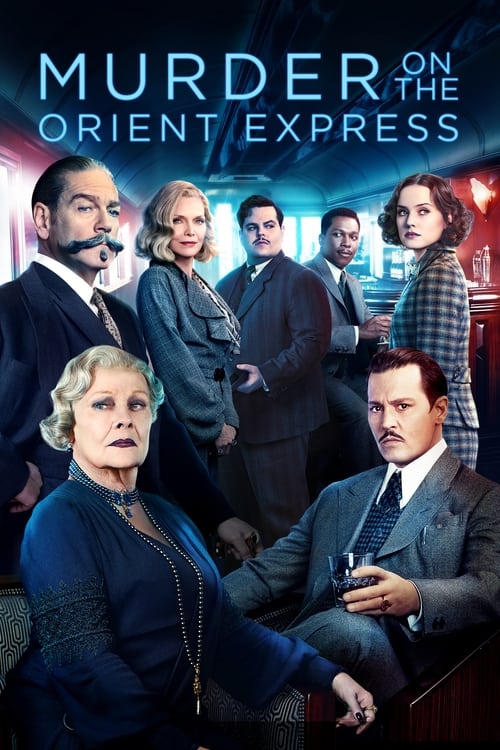
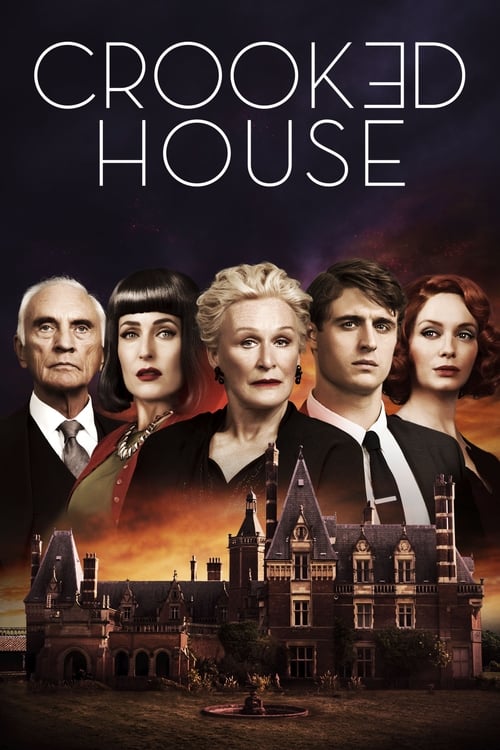
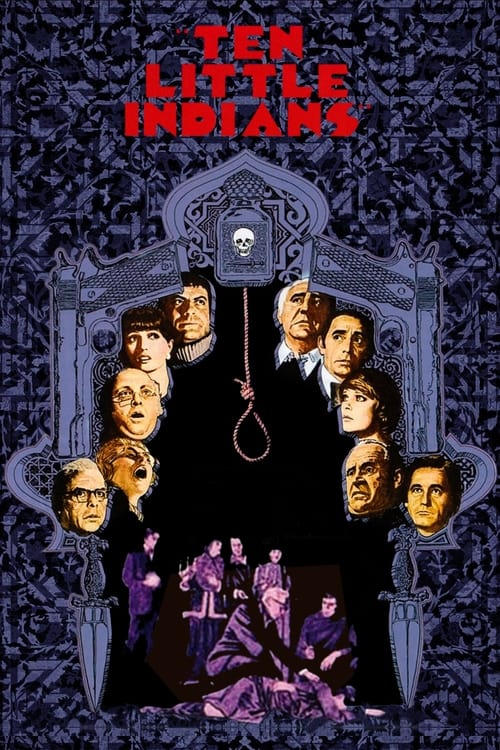

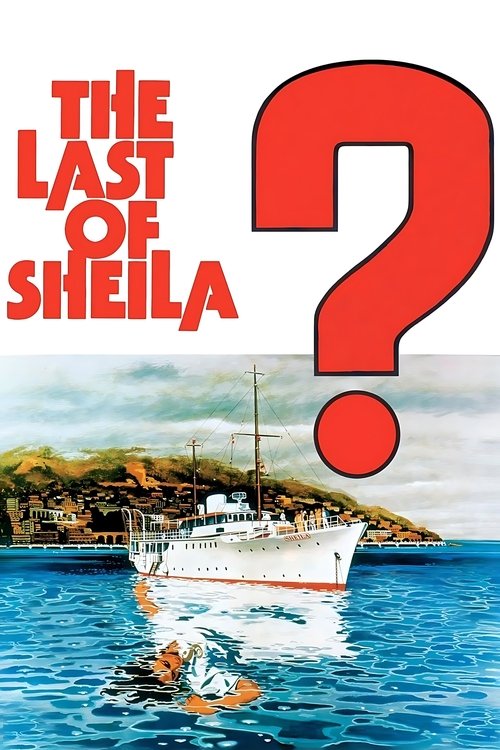
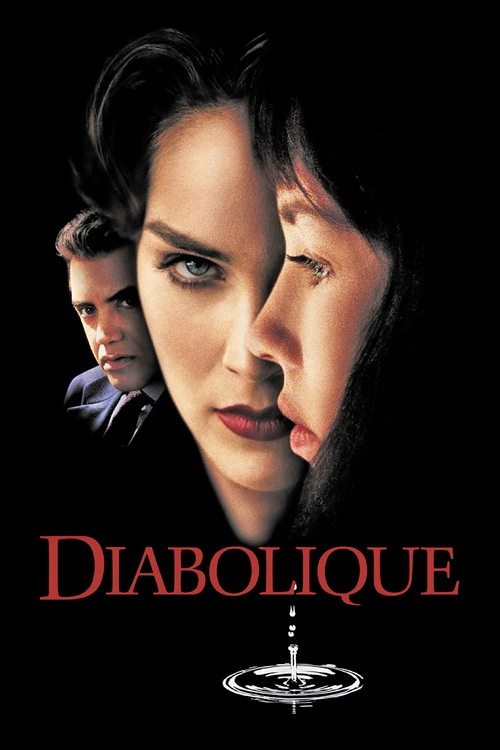
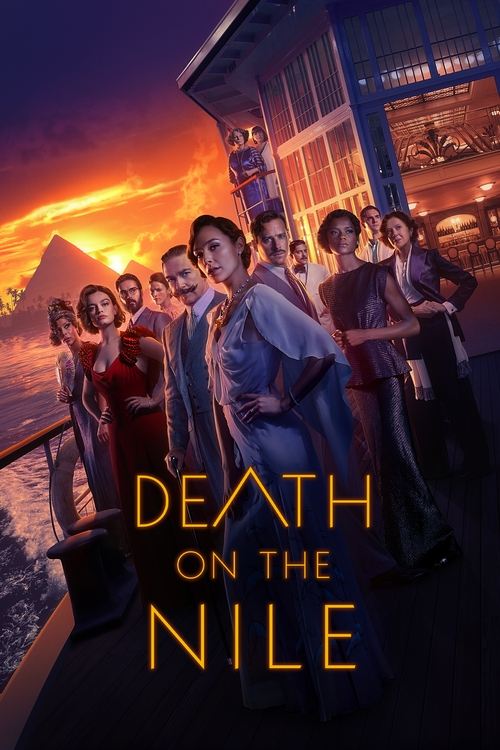
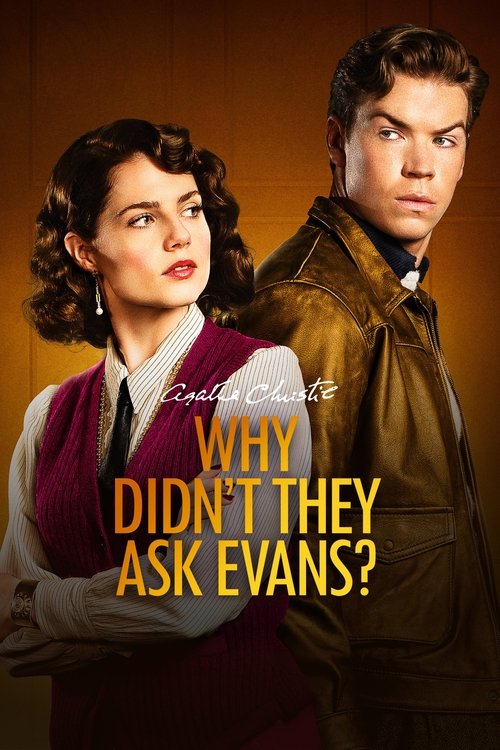
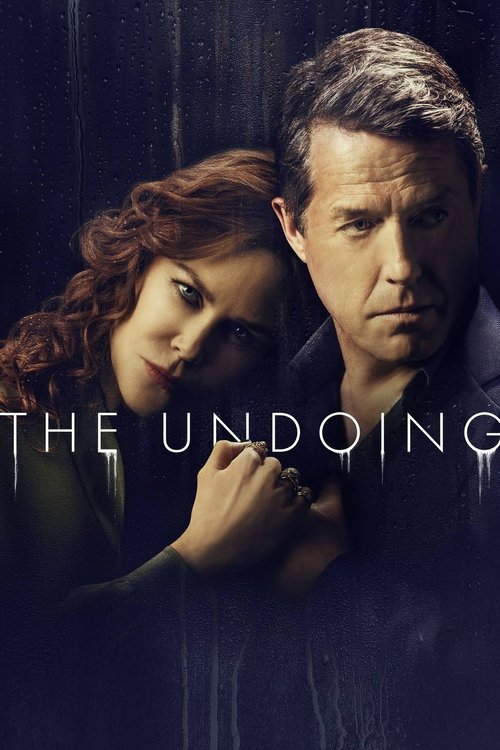
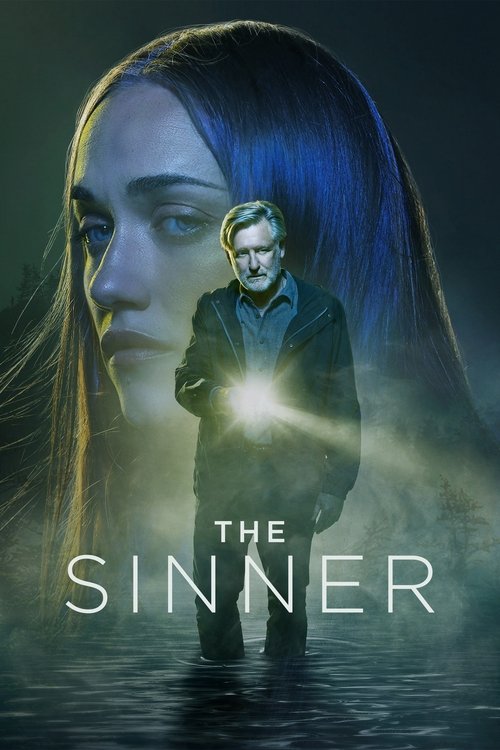
Series Built on the Same Deception
Television that uses the unreliable witness, the locked room, or the narrator-as-suspect to generate real dread.


Novels That Play the Same Game
Books that weaponize the narrator, the confession, or the retrospective account against the reader who thinks they are paying attention.


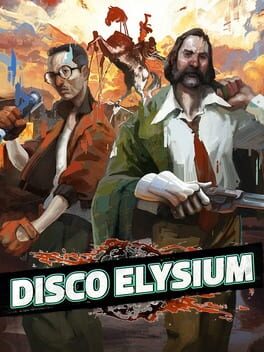
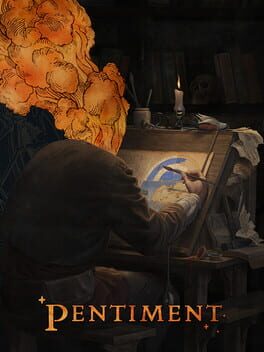
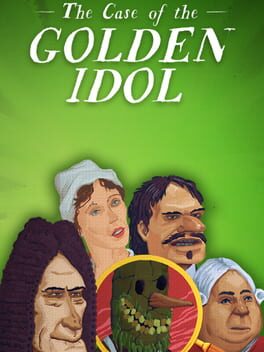
Games Where the Player Is the Last to Know
Interactive works that make you the unreliable detective, feeding you information that only makes sense once the frame collapses.
The Twist Is Not the Point
Readers who come back to Roger Ackroyd for a second reading report something unexpected: the ending matters less than they remembered, and the prose matters more. Christie's real achievement is building a narrator whose voice is so warmly reasonable, so full of small domestic observations, that the structural sleight of hand only registers as cruel in retrospect. The shock is a vehicle for a more unsettling idea: that competent, respectable people are the most effective liars. Knives Out understands this and builds an entire film around it.
Christie's Real Radicalism Was Formal, Not Thematic
The Detection Club, which Christie co-founded, had a code: no secret passages, no mysterious poisons unknown to science, no twin brothers the reader was not told about. Roger Ackroyd follows those rules completely and still produces a solution that caused genuine public outrage. The lesson for every puzzle narrative that followed is that the most subversive move is to honour all the conventions while quietly redefining one of them. The Seven Deaths of Evelyn Hardcastle is the most direct heir to that logic.
Poirot Is a Better Character When He Fails to Save Someone
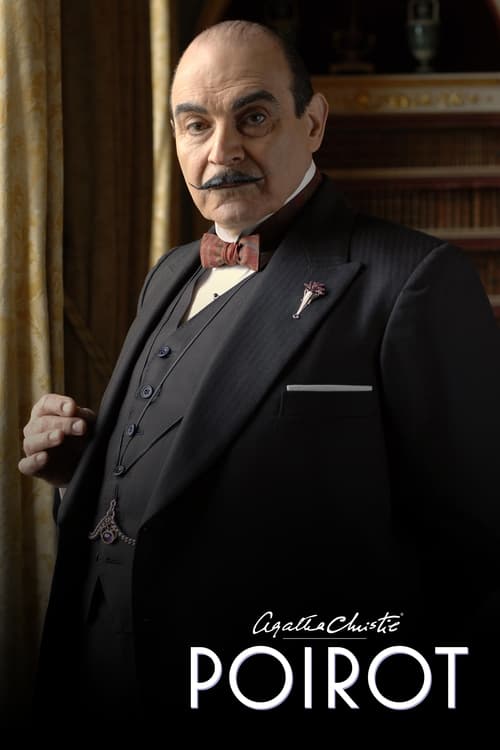
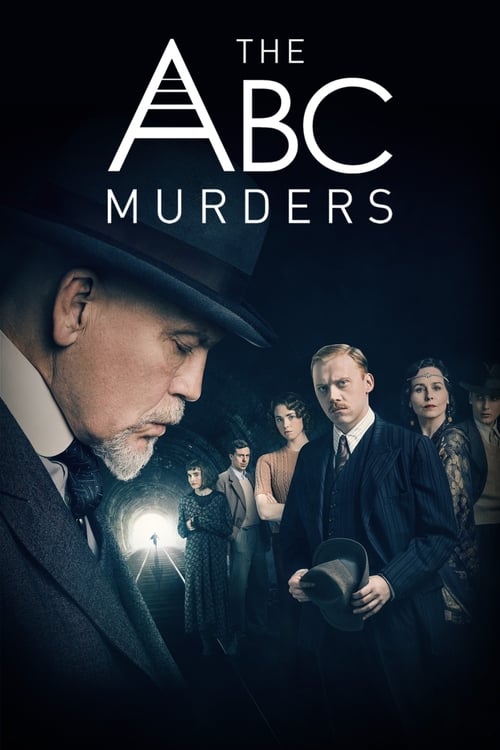
The television run with David Suchet is, across its length, one of the great sustained character performances in British drama. But the episodes that stick are the ones where Poirot solves the puzzle and the solution is worse than not knowing. The ABC Murders adaptation takes this furthest, turning Poirot himself into a figure of melancholy rather than triumph. Roger Ackroyd on screen has the same quality: the detective wins, and you leave feeling the win cost something.
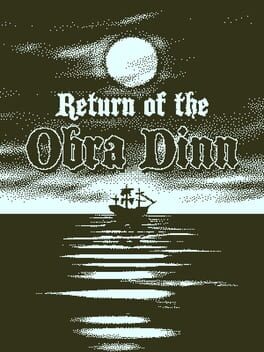
Return of the Obra Dinn Is the Closest Thing to Playing a Christie Novel
Every other deduction game asks you to watch a detective think. Obra Dinn asks you to do the thinking yourself, across a ship full of corpses, with only frozen moments and a ledger to fill. The structure, a complete record of events that you must reassemble from fragments, mirrors exactly what Christie does on the page: all the information is present, none of it is labelled. The satisfaction of closing the book on a correct solution is the same satisfaction as filing the final name in Obra Dinn's manifest.
A Century of the Unreliable Narrator in Crime
- 1926Christie publishes the novel and the Detection Club promptly debates whether it broke the rules. The Murder of Roger Ackroyd
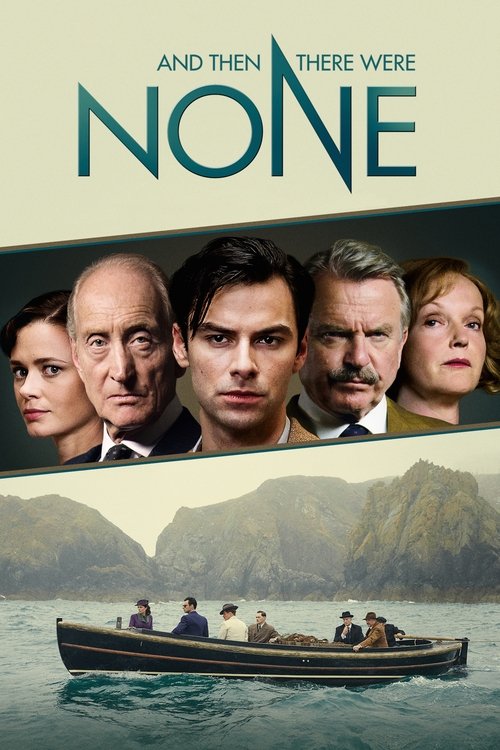
- 1939And Then There Were None takes isolation and suspicion to their logical extreme: every witness is also a suspect. And Then There Were None
- 1953Curtain, written in the 1940s and held in a vault, eventually confirms that Poirot himself can occupy the moral position Christie reserved for her most troubling narrators.
- 1957Witness for the Prosecution reaches the stage and then the screen, demonstrating that courtroom testimony is just narration under oath, and equally unreliable. Witness for the Prosecution
- 1972Sleuth turns the deception game into a two-hander where the audience cannot settle on who is the victim. Sleuth
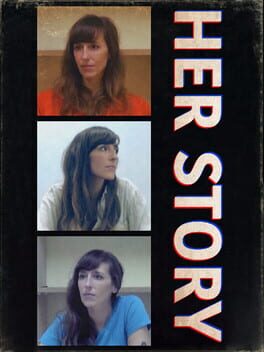
- 2013Her Story arrives and establishes that the fragmented, sequenced confession is a native game mechanic, not an adaptation of literary form. Her Story
- 2017The Seven Deaths of Evelyn Hardcastle resets the closed-house mystery with a body-swapping structure that forces the reader to distrust even their own point of view. The Seven Deaths of Evelyn Hardcastle
- 2018Return of the Obra Dinn proves the deduction puzzle translates completely into an interactive medium without losing any of the formal rigour. Return of the Obra Dinn
- 2019Knives Out updates the country-house formula for contemporary anxiety and confirms the genre has permanent commercial vitality. Knives Out
The reader was given every clue. The reader simply chose to believe the narrator. That is the original sin of the genre, and Christie committed it first.CrossBinge Editors