

Edgar Allan Poe published "The Murders in the Rue Morgue" in 1841 and, in doing so, invented a template that has governed crime fiction ever since: the eccentric genius who reasons backward from clues to truth, paired with a bewildered companion who represents the reader. C. Auguste Dupin does not investigate because he is paid or obligated. He investigates because the puzzle offends his intelligence. That stance, the brilliant mind engaging with horror as an intellectual exercise, is the precise charge that fans of this story keep chasing. The locked-room mystery, the armchair deduction, the moment when the impossible becomes not only possible but obvious in retrospect: these are Poe's gifts to every reader who followed. The works below share that particular voltage, whether on the page, the screen, or a tabletop.
The Dupin Stories
Poe's three Dupin tales, the complete source code of detective fiction


The Books That Completed Poe's Blueprint
Novels that took the analytical detective and pushed him somewhere new


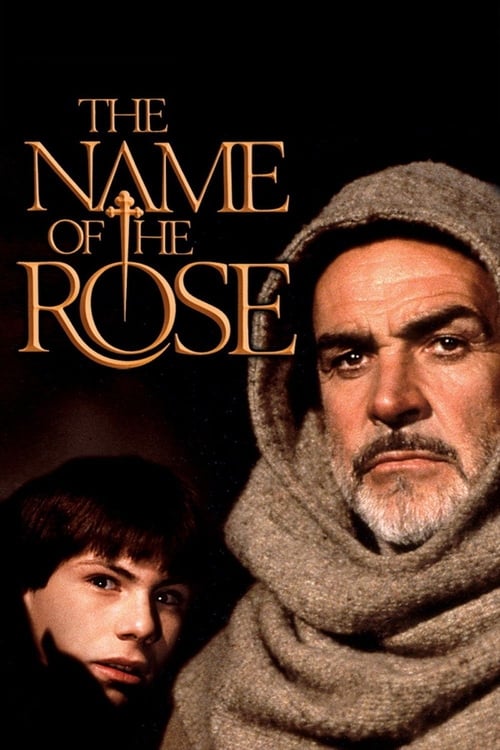
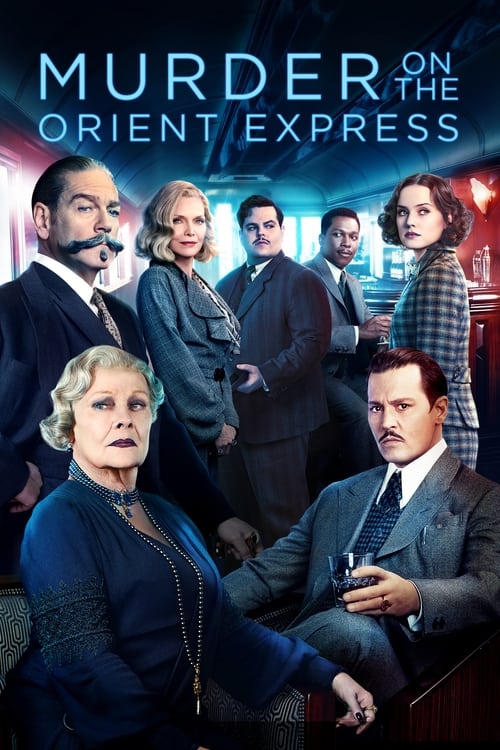
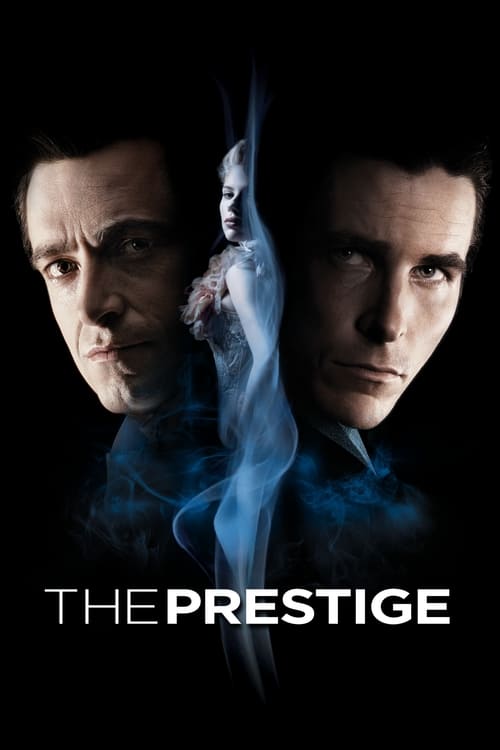
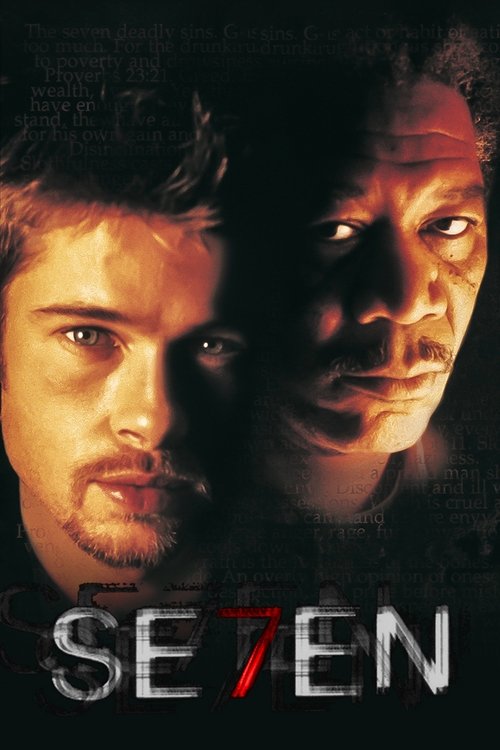
Screen Adaptations and Kindred Mysteries
Films that carry the locked-room logic, the impossible crime, and the outsider detective

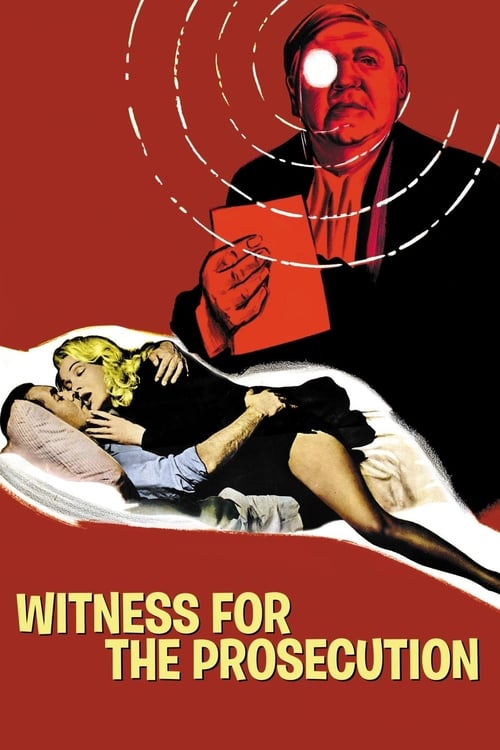
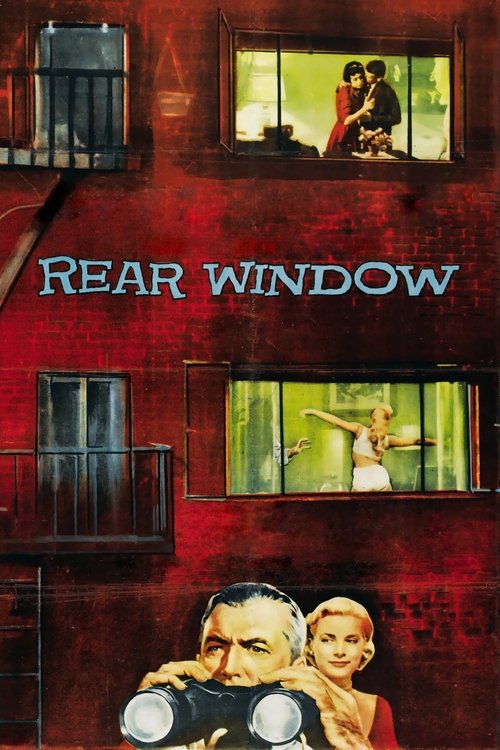
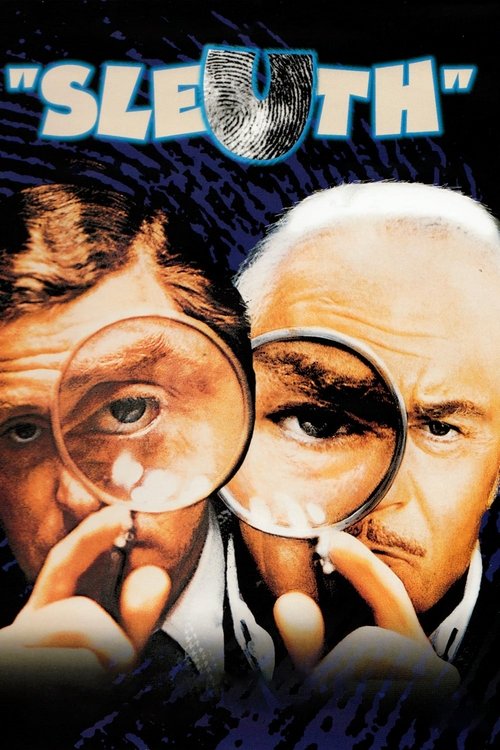
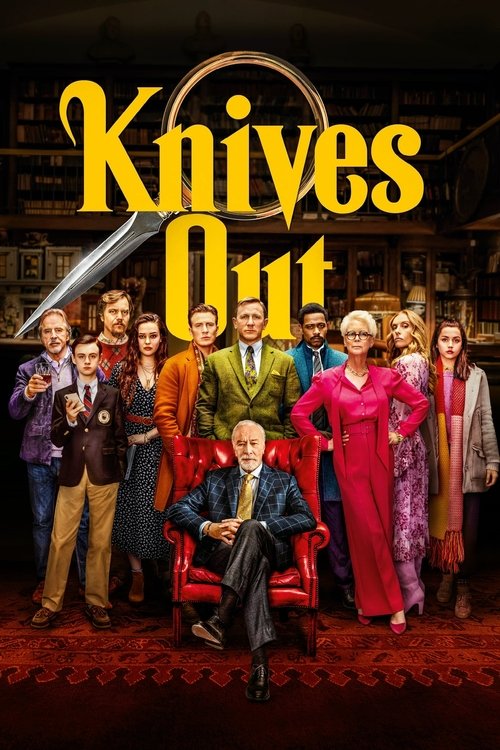

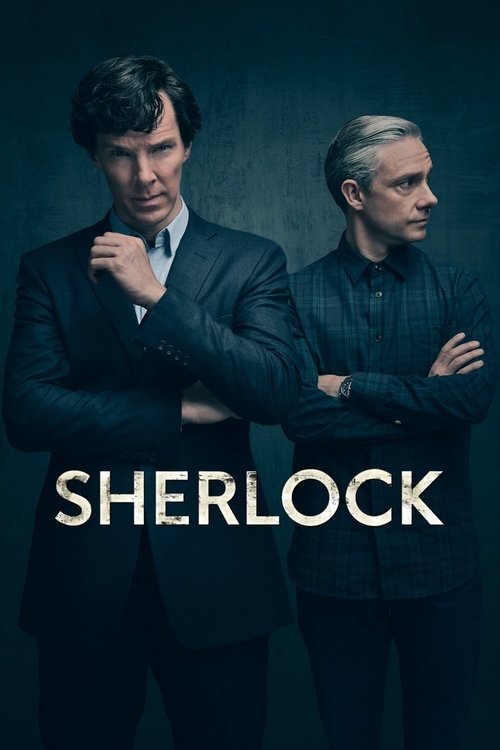
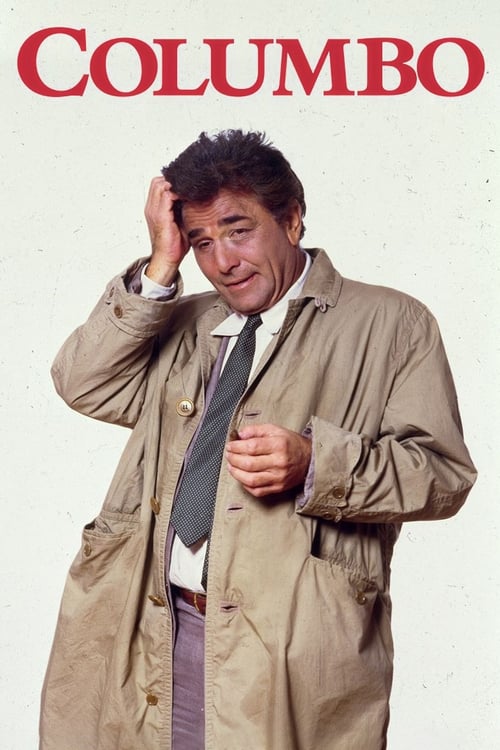
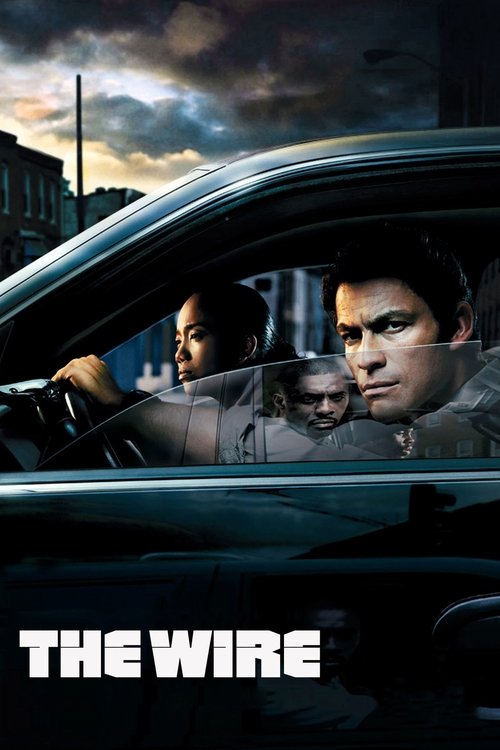
Series for the Long Game
Television that sustains the intellectual pleasure of deduction across many episodes




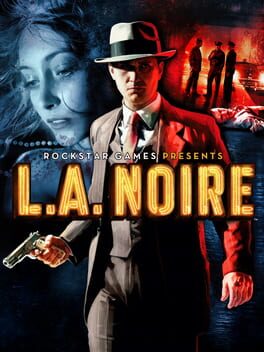
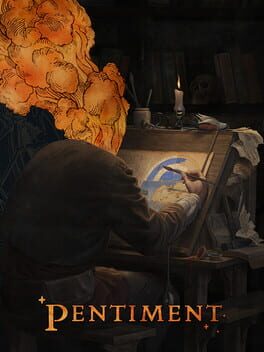
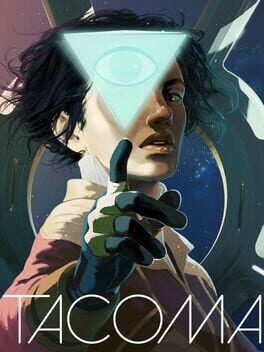
Games That Make You the Detective
Games built on deduction, evidence assembly, and the satisfaction of the correct conclusion



Return of the Obra Dinn Is the Best Locked-Room Mystery of the Last Decade
No novel, film, or television series published in the 2010s matched the structural elegance of Return of the Obra Dinn as a work of deductive reasoning. The game presents a ghost ship and 60 deaths and provides exactly the evidence Poe would have approved of: systematic, rigorous, requiring inference rather than intuition. It respects the player's intelligence in the way Dupin respected his companion's, which is to say, only just enough to keep going. The final solution, when the logic clicks into place, produces the same specific pleasure Poe invented in 1841.
The Lineage of the Detective Story
- 1841Poe publishes the first detective story, introducing Dupin and the analytical method The Murders in the Rue Morgue
- 1868Wilkie Collins writes the first full-length detective novel in English The Moonstone
- 1887Arthur Conan Doyle introduces Sherlock Holmes, directly inheriting Poe's template A Study in Scarlet
- 1920Agatha Christie debuts Hercule Poirot, bringing the analytical detective to the village The Mysterious Affair at Styles
- 1935John Dickson Carr publishes his masterwork on the locked-room mystery
- 1954Rear Window transposes Dupin's armchair deduction to the cinema of pure watching Rear Window
- 1986Eco's medieval detective novel becomes an international phenomenon The Name of the Rose
- 2010Sherlock updates Holmes and Dupin's methods for the digital age Sherlock
- 2018Return of the Obra Dinn becomes the defining deductive puzzle game Return of the Obra Dinn
- 2019Knives Out reinvents the Agatha Christie whodunit for contemporary audiences Knives Out
The mental features discoursed of as the analytical are, in themselves, but little susceptible of analysis. We appreciate them only in their effects.Edgar Allan Poe, The Murders in the Rue Morgue (1841)