
When Iron Maiden released The Number of the Beast in 1982, they crystallised something that had been building in British heavy metal for years: the idea that the genre could be epic, literary, and ferociously exciting all at once. Bruce Dickinson's operatic scream on the title track announced a new standard for metal vocalists. Steve Harris's galloping bass lines pulled the rhythm section into something approaching classical momentum. The album is steeped in horror imagery and speculative fiction, but what fans actually chase is the feeling it delivers: music that treats its listener as an adult capable of handling scale, darkness, and complexity without apology. That combination of melodic power, literary ambition, and sheer force of conviction runs through everything on this list.
Essential Iron Maiden
The albums that define the band's arc, from NWOBHM hunger to arena-filling grandeur.
If You Love That Galloping Power: Albums in the Same Spirit
British and European metal that matches the melodic ambition, the literary reach, and the uncompromising drive of early Maiden.
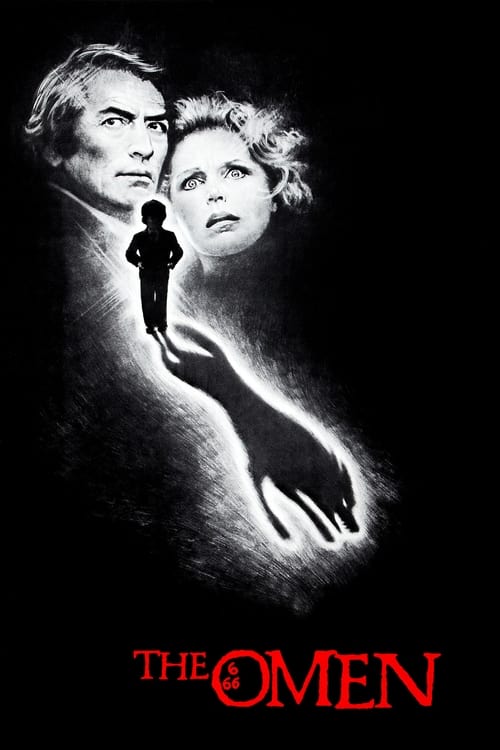
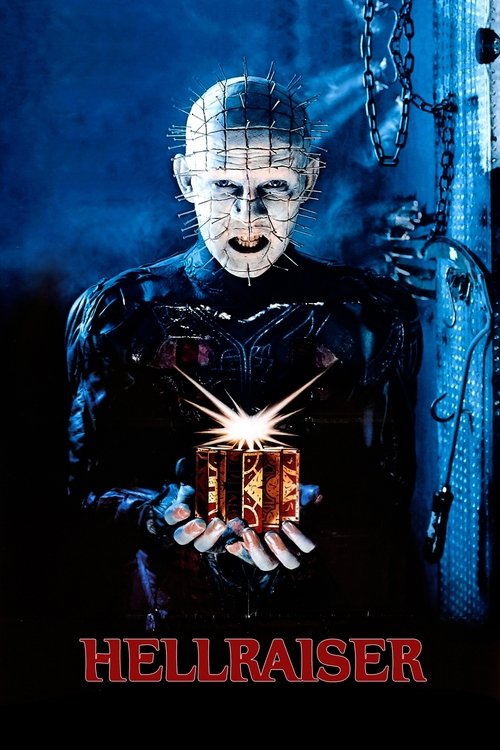
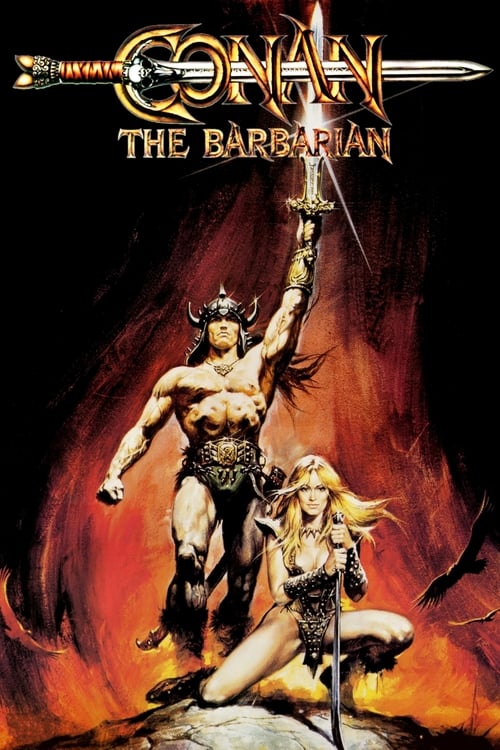
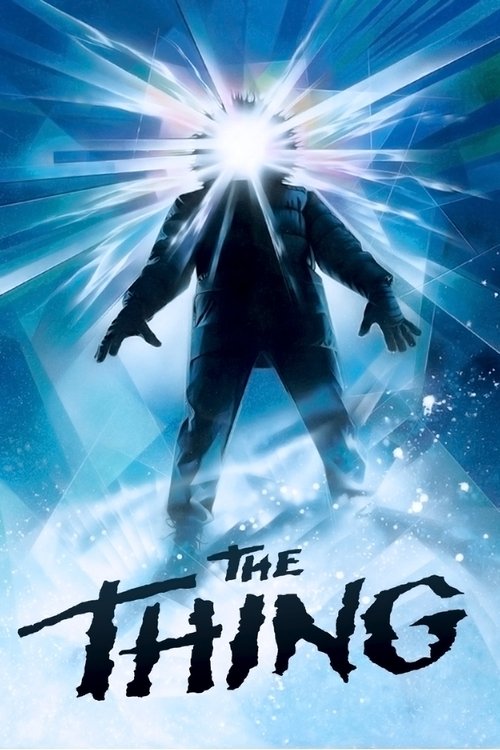
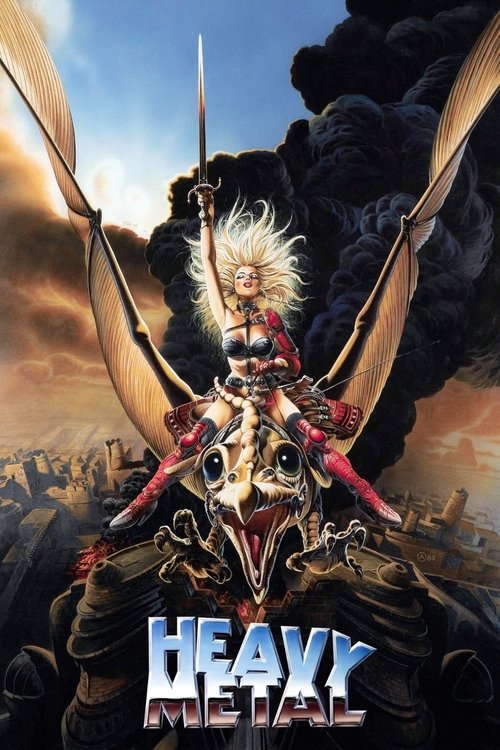
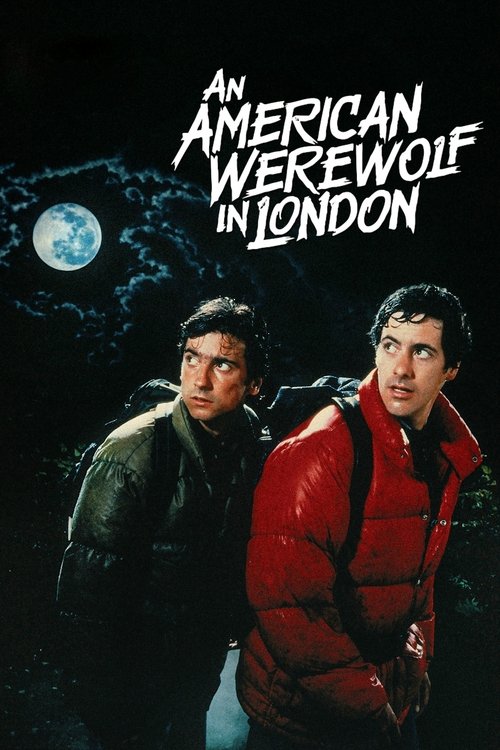
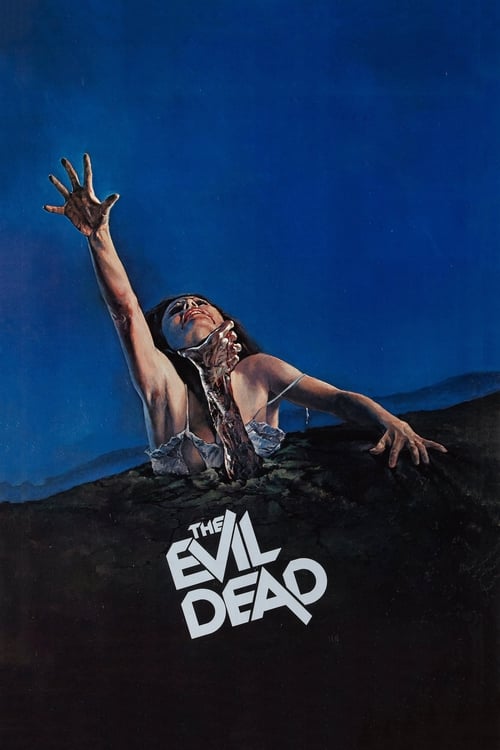
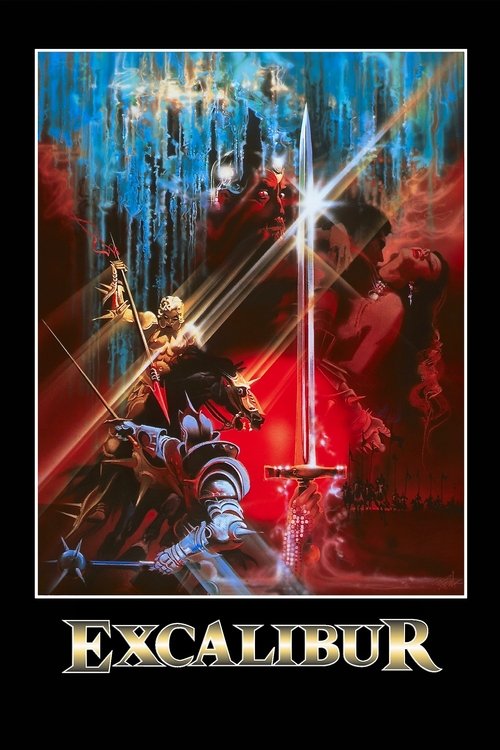
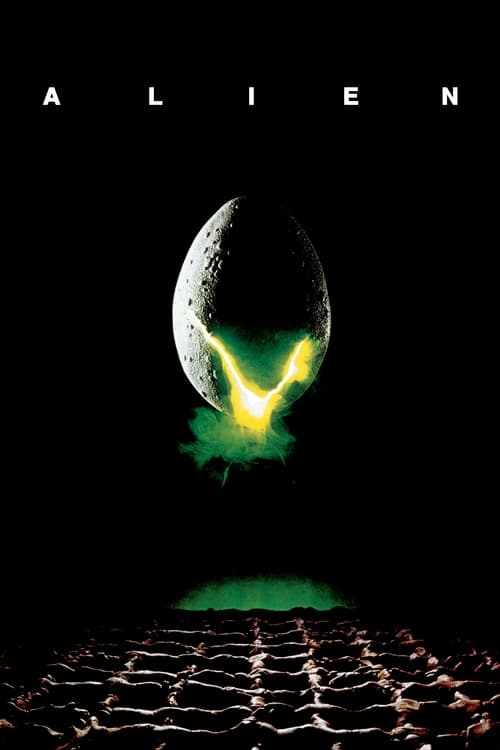
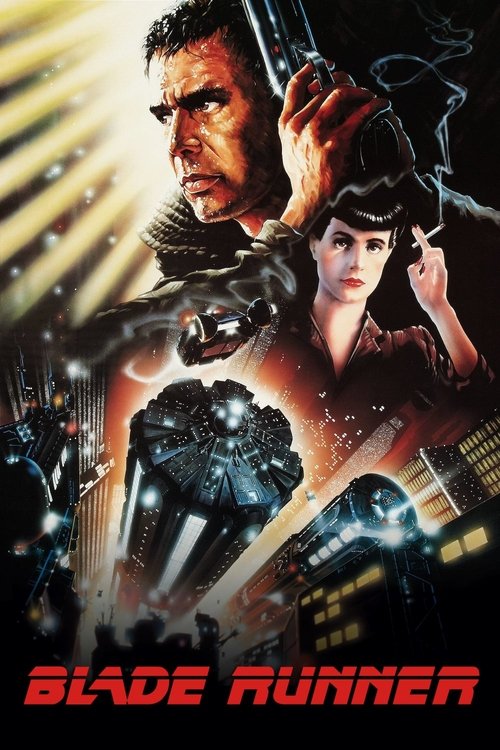
The Horror and the Epic: Films That Share the Vibe
Movies steeped in supernatural dread, heroic confrontation, and the kind of theatrical darkness The Number of the Beast drew from.
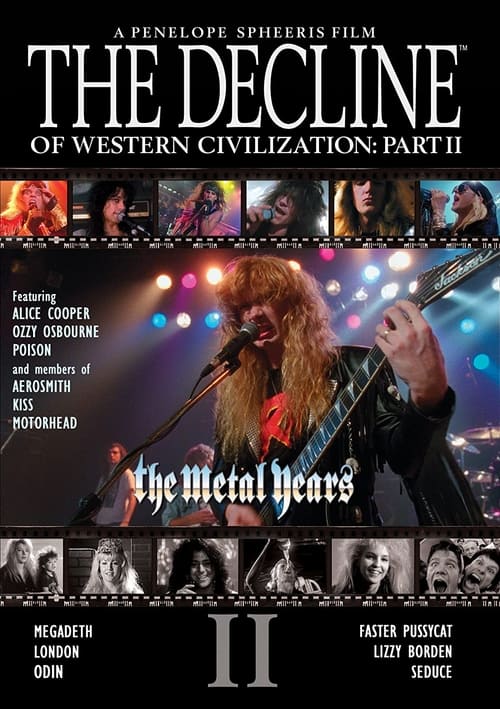
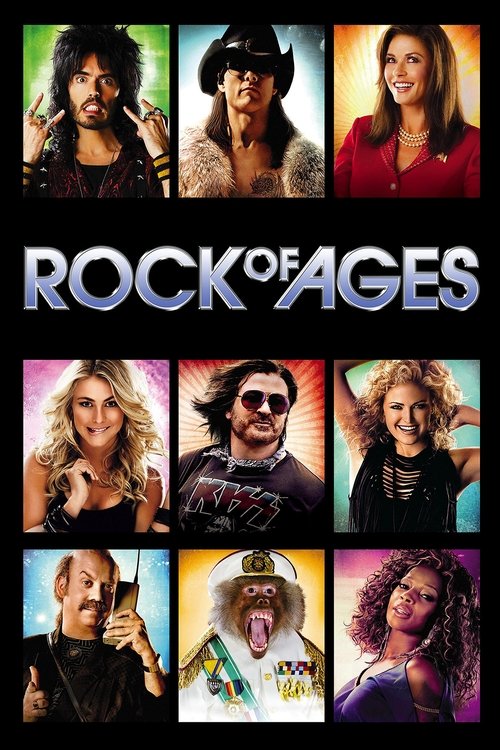
Metal on Screen: Documentaries and Concert Films
The stage, the road, and the history of heavy metal captured on camera.

The Books Behind the Beast: Literary Horror and Dark Fantasy
The fiction that feeds the imagery on The Number of the Beast and throughout Maiden's catalog, from occult horror to speculative epic.


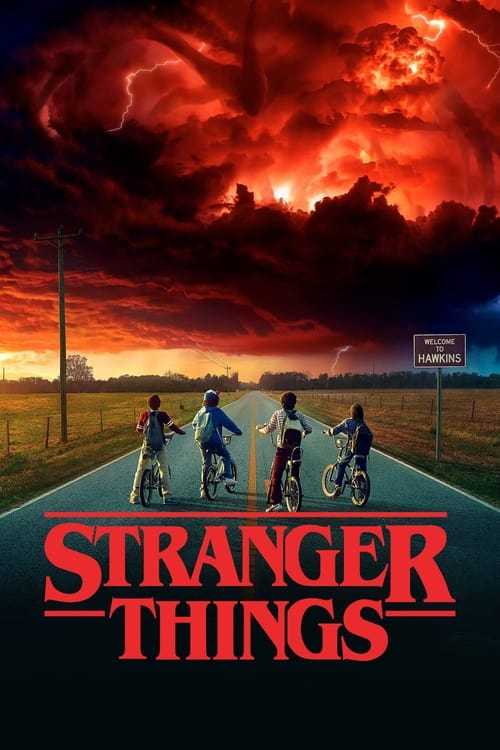
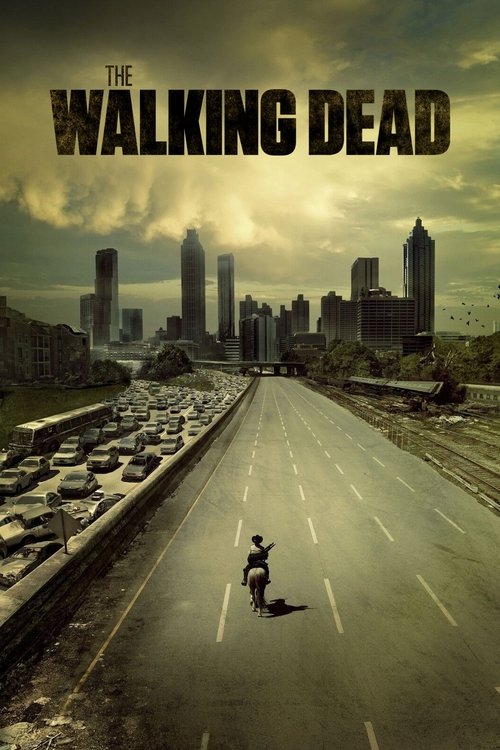
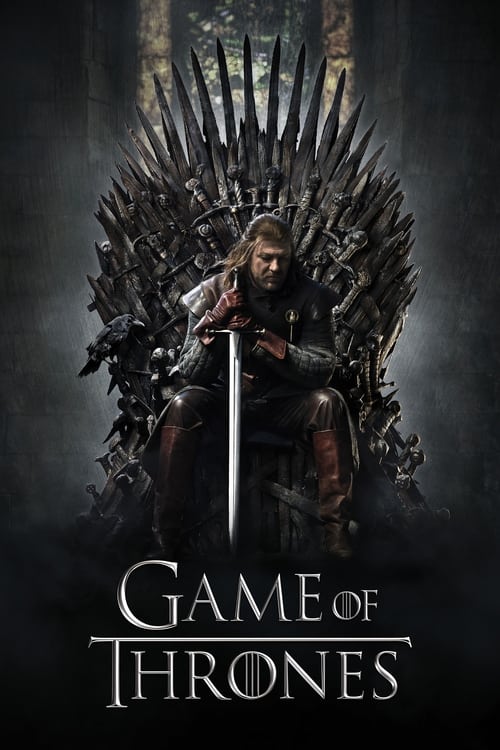
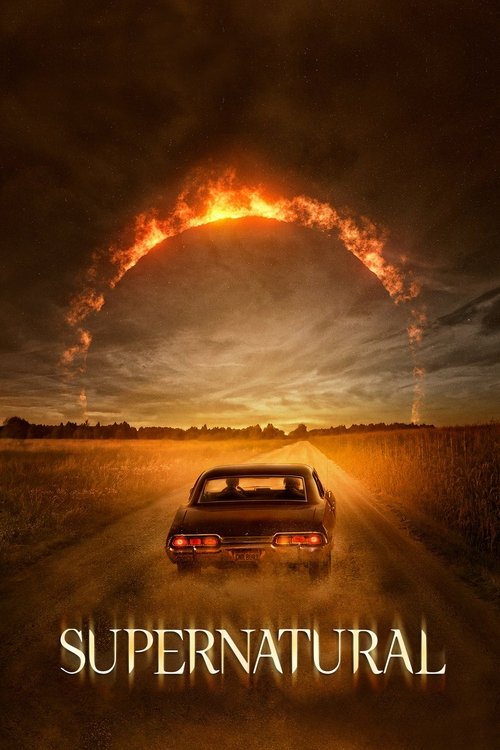
TV That Runs at the Same Frequency
Series that combine the supernatural, the epic scope, and the refusal to soften edges that define the Maiden worldview.
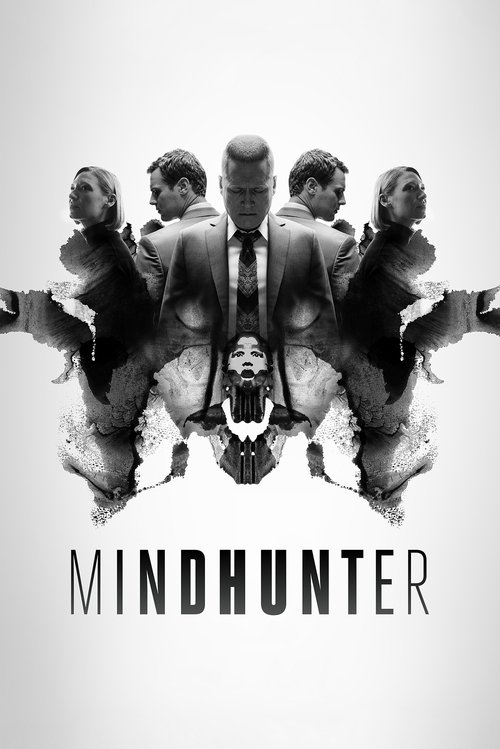

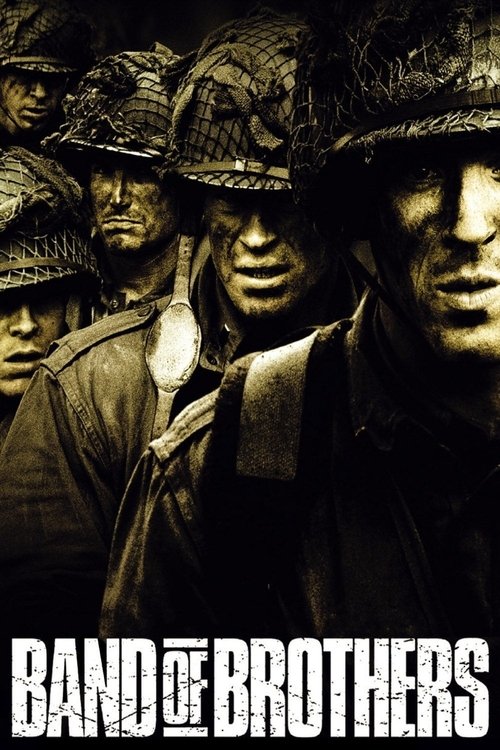
Bruce Dickinson Changed What a Metal Vocalist Could Be
Before Dickinson joined for The Number of the Beast, heavy metal vocals tended toward either bluesy grit or raw aggression. Dickinson brought operatic range, theatrical control, and genuine dramatic intelligence to every line. He made the narrator of "The Prisoner" sound like a man genuinely running from something, and the speaker on the title track sound like a witness to actual horror. That shift permanently expanded what the genre considered possible.
The NWOBHM Was Britain's Most Underrated Cultural Export
The New Wave of British Heavy Metal that produced Maiden, Judas Priest, Saxon, and Motorhead in the late 1970s and early 1980s was a working-class art movement that never got the retrospective respect it deserved. It happened in provincial towns, in small venues, on tiny labels, with no mainstream support. It then went on to define heavy guitar music globally for the next forty years. The Number of the Beast is the movement's single most complete statement.
Eddie Is One of Rock's Great Visual Identities
Derek Riggs's artwork for Iron Maiden, beginning before The Number of the Beast and reaching a peak with it, created one of the most recognisable icons in music history. Eddie is horror-film menace, satirical commentary, and genuine craft all at once. The album covers are not merchandise afterthoughts; they are part of the artistic statement, and they connect Maiden directly to a lineage of pulp horror illustration and fantasy art that fans of the music also tend to love.
"Run to the Hills" Is Deceptively Political
Dismissed by some as a straightforward arena-metal anthem, the song is actually told from two perspectives: the Native American being hunted and the cavalry doing the hunting. For 1982 mainstream rock, that structural choice was genuinely unusual. It placed Iron Maiden in a small category of metal bands willing to use the genre's power for something beyond pure spectacle, a quality that distinguishes their catalog from almost all of their contemporaries.
Iron Maiden and the Shape of Metal History
- 1975Steve Harris forms Iron Maiden in East London, playing pubs on the emerging NWOBHM circuit.
- 1980Debut album released on EMI; Paul Di'Anno on vocals. The band tours relentlessly. Iron Maiden
- 1981Second album Killers deepens the sound; Di'Anno departs, Bruce Dickinson recruited. Killers
- 1982The Number of the Beast hits number one in the UK. Metal's commercial and artistic ambitions align. The Number of the Beast
- 1983Piece of Mind introduces drummer Nicko McBrain; the classic lineup is complete. Piece of Mind
- 1984Powerslave and the World Slavery Tour: 200 dates, a stage set that barely fits most venues. Powerslave
- 1988Seventh Son of a Seventh Son goes prog, charting even higher. The band's creative peak widens. Seventh Son of a Seventh Son
- 1993Dickinson departs; the band continues with Blaze Bayley through two albums of leaner, darker material.
- 2000Dickinson returns. Brave New World begins a second golden run. Brave New World
- 2008Flight 666 documentary follows the Somewhere Back in Time world tour.
- 2015The Book of Souls, a double album, opens with a 18-minute Mayan epic. The Book of Souls
I was running in the night, and I was frightened of the light. That opening line does not invite ironic distance. It demands that you take it seriously, and the album's genius is that it earns that seriousness every time.On the opening of "The Number of the Beast"