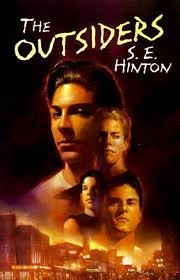

S.E. Hinton wrote The Outsiders at sixteen, and that proximity to the material is exactly what readers feel on every page. The novel captures something most coming-of-age stories soften: that adolescence is genuinely dangerous, that the wrong side of town is a real place with real consequences, and that loyalty between young men can be fierce enough to define a life. What fans chase in everything after is that same tonal honesty, a world where social division is structural and personal at once, where violence and tenderness live in the same scene, and where the cost of growing up is made visible. The Greasers and the Socs are a specific moment in 1960s Tulsa, but the emotional architecture is permanent.
On Screen: The Outsiders and Its Kin
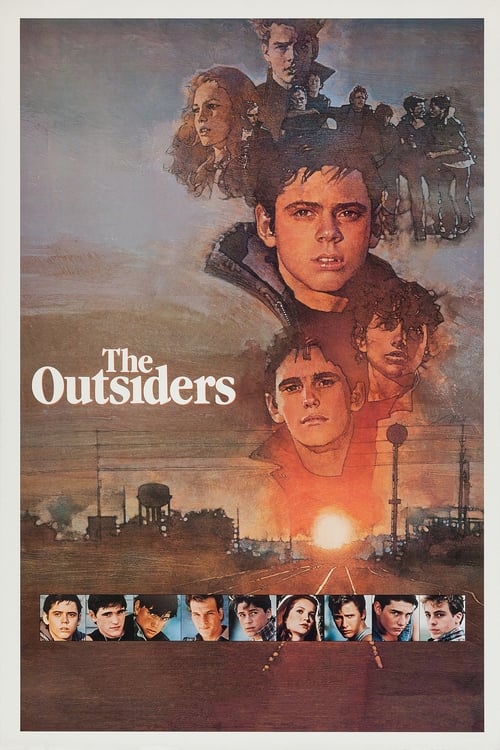
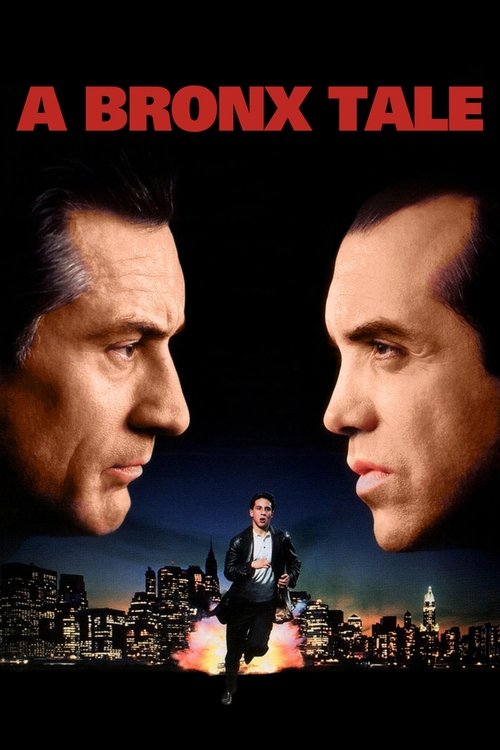
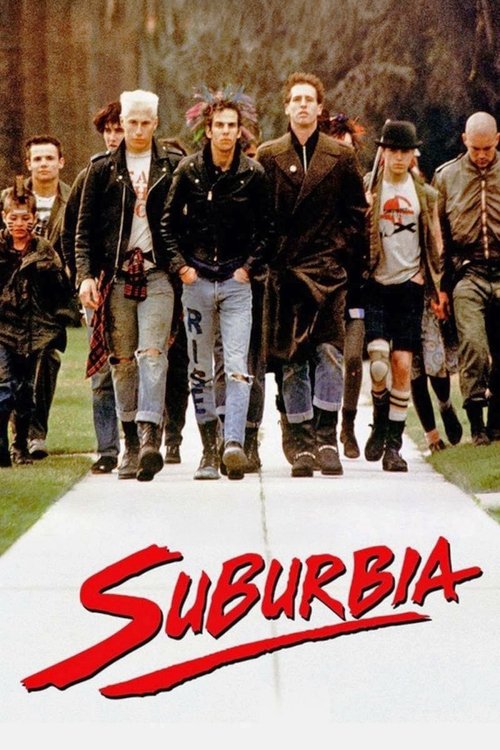
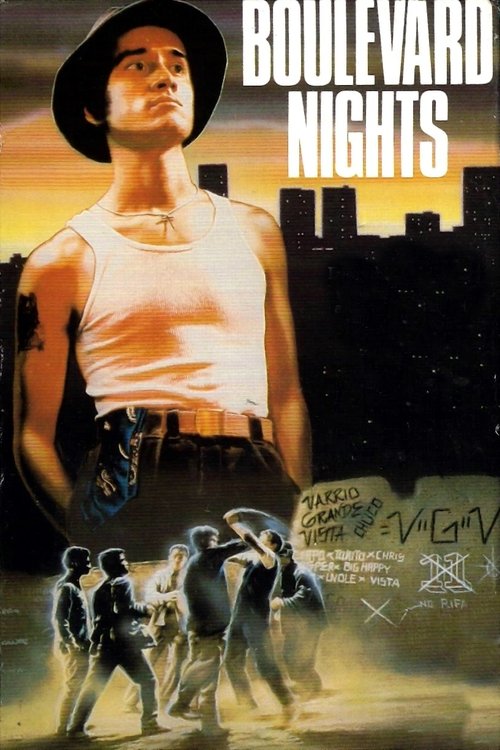
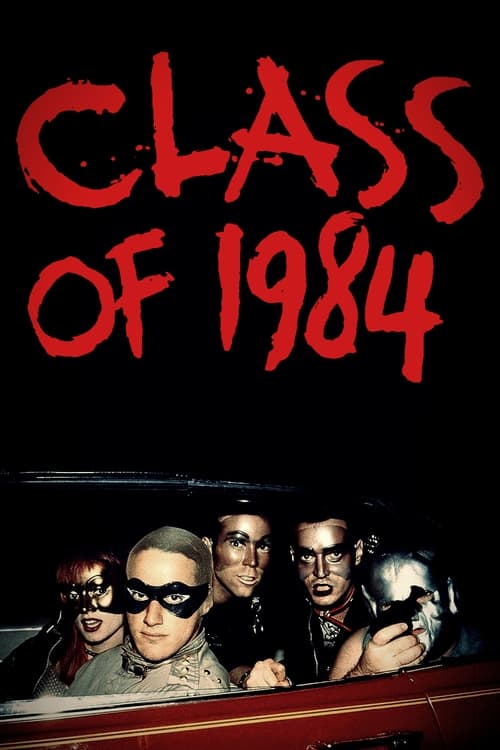
Francis Ford Coppola's 1983 adaptation and the films that share its grammar of youth, class, and consequence.
Series About Loyalty, Turf, and Growing Up Hard
Television that takes teenagers and young adults seriously, placing them inside systems that were built to grind them down.
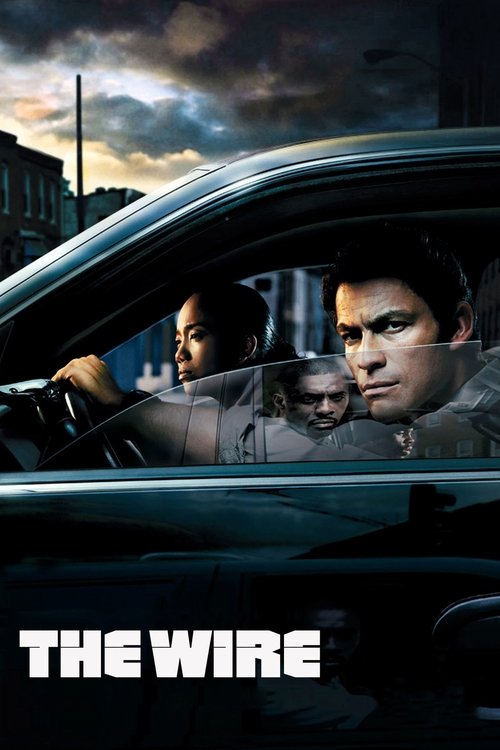
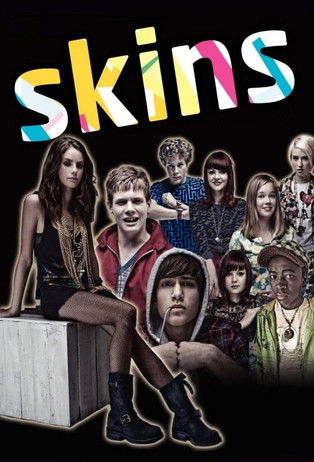




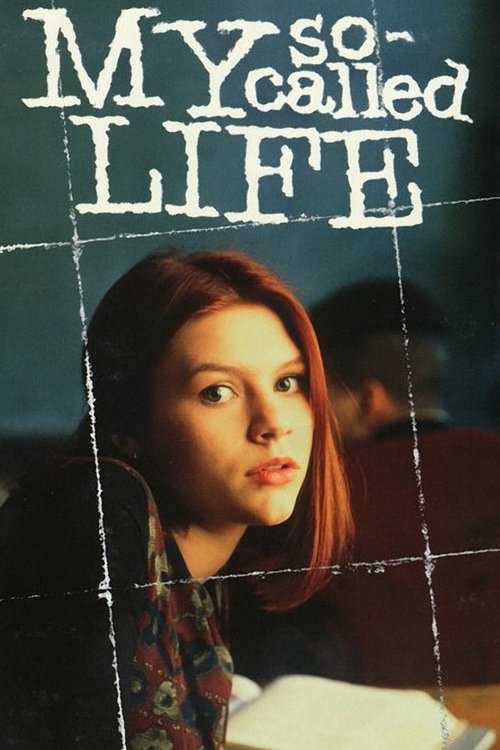




Games About Belonging, Survival, and the Streets
Games that put you inside a crew, a neighborhood, or a social hierarchy where the wrong move costs everything.





Music: The Sound of Youth Under Pressure
Albums and artists whose energy, anger, and tenderness map onto the emotional territory of the novel.
The Class War Subtext Is Actually Text
Readers sometimes describe The Outsiders as a story about teenage gangs. It is more precisely a story about economic class, written by a teenager who had watched it destroy friendships in her own school. The Greasers are poor. The Socs are rich. The violence between them is the visible tip of a structure that the novel never lets you forget. Hinton gives Ponyboy the emotional vocabulary to name what is happening to him, which was radical in 1967 YA fiction and remains underrated as a literary achievement.

Coppola's Adaptation Is One of the Great Double Bills
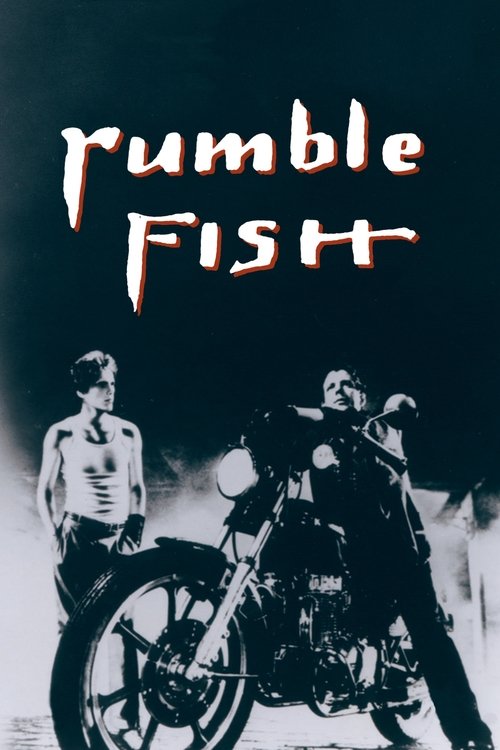
Francis Ford Coppola shot The Outsiders and Rumble Fish back to back in Tulsa in 1982, using almost the same cast. They are companion pieces: the first is mythic and golden, the second is expressionist and desperate. Watching them together in one evening is an experience unlike almost anything else in American genre film. The Complete Novel Cut released in 2005 restores scenes that make Ponyboy's interiority much clearer and is the version worth seeking out.
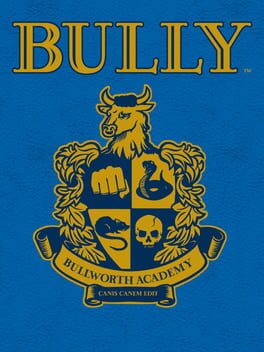
Bully Is the Closest a Game Has Come to This Novel's Feeling
Rockstar's 2006 Bully is set inside a boarding school rather than a neighborhood, but the social logic is identical: factions defined by class and style, a protagonist who belongs nowhere and therefore belongs everywhere, and a moral system that rewards protecting the weak over acquiring power. The game understands that adolescent social hierarchies are microcosms of adult power structures, which is precisely what Hinton understood in 1967.
Stay Gold Is Not a Cliche, It Is an Instruction
The Robert Frost poem Ponyboy recites, "Nothing Gold Can Stay," is five lines long and has been quoted so often that readers sometimes skim past it. But Hinton uses it structurally: the gold is childhood, specifically the period before social forces have fully sorted you into a role you cannot escape. Johnny's dying request that Ponyboy "stay gold" is not sentiment. It is a political demand to resist the hardening that class and violence produce. That demand is what the best coming-of-age fiction keeps making.
The Outsiders and the Genre It Built
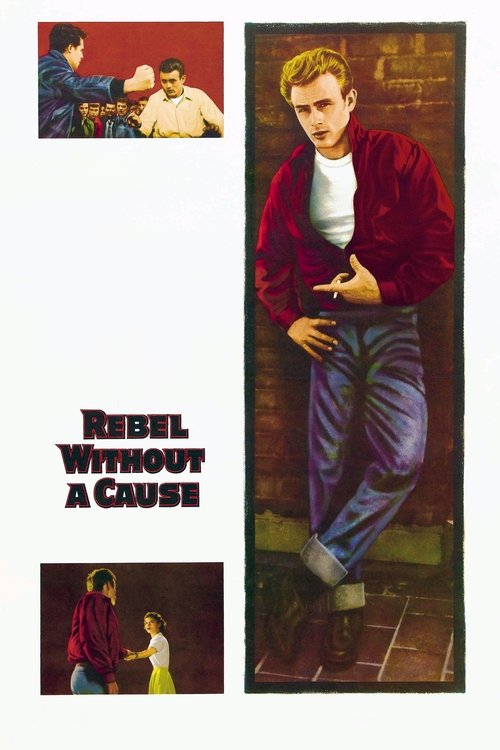
- 1955James Dean's Rebel Without a Cause establishes the template for the sensitive, misunderstood young man Rebel Without a Cause
- 1965Hinton begins writing The Outsiders as a sophomore at Will Rogers High School in Tulsa
- 1967The Outsiders published by Viking Press; Hinton is 17 The Outsiders
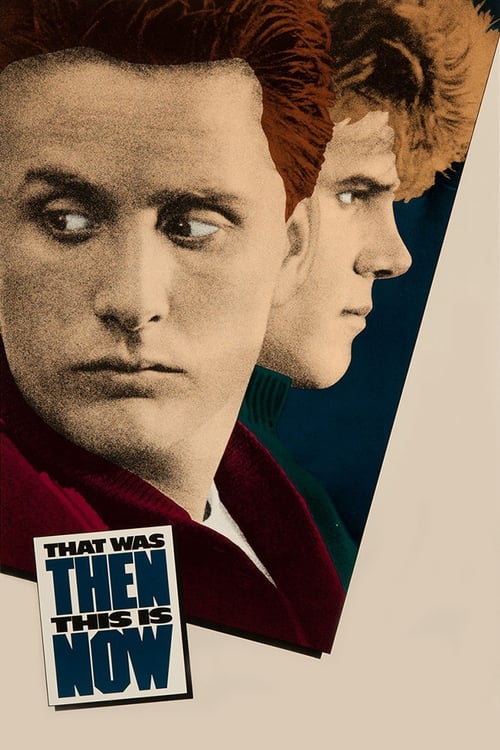
- 1971That Was Then, This Is Now, Hinton's second novel, returns to Tulsa and the same social world
- 1975Rumble Fish published, Hinton's darkest and most experimental Tulsa novel
- 1979Tex published, Hinton's fourth and last major Tulsa novel
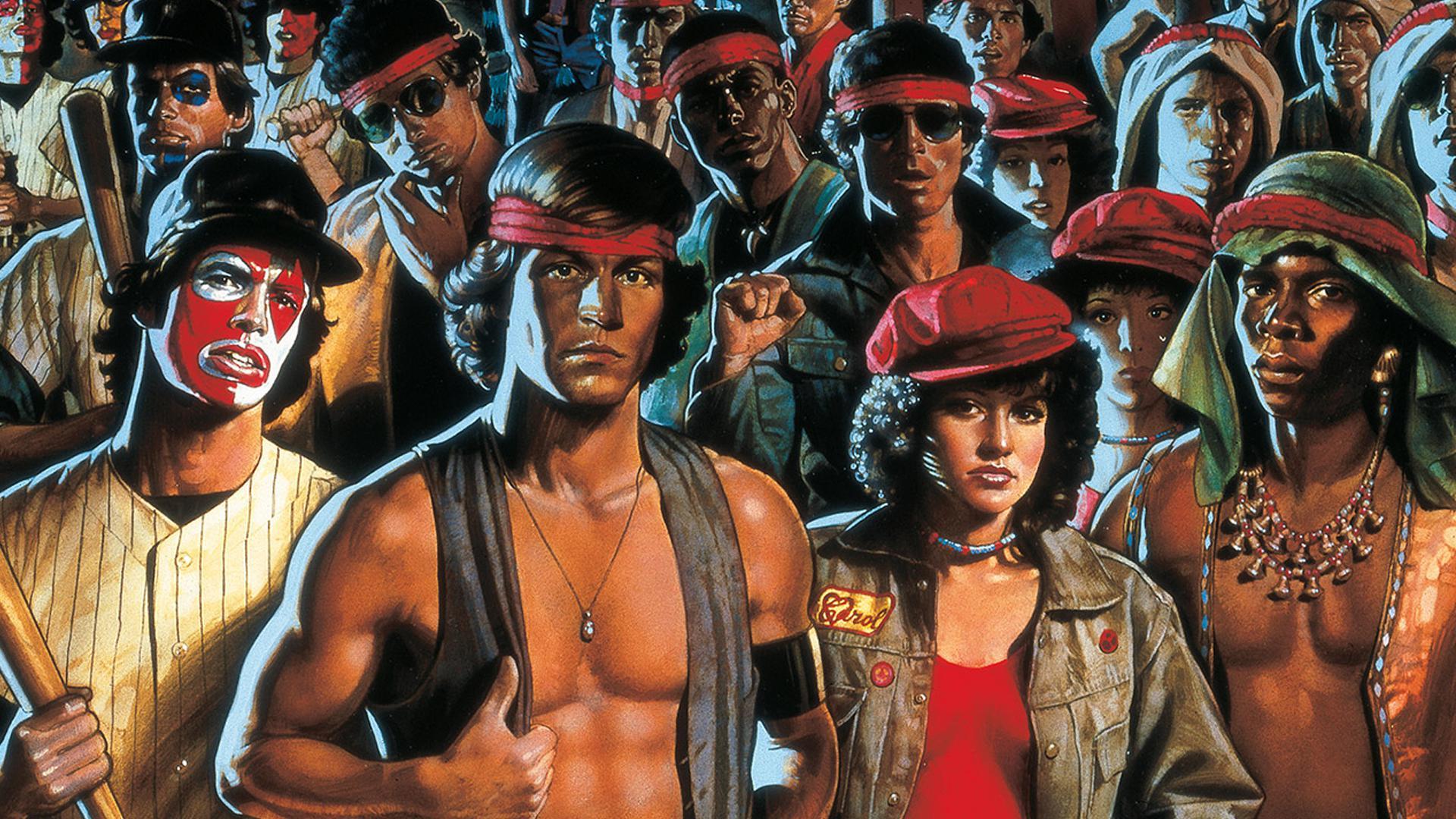
- 1979The Warriors (film) builds a new American mythology around gang loyalty and the night run
- 1983Coppola's The Outsiders opens with a cast that includes Tom Cruise, Matt Dillon, Patrick Swayze, Rob Lowe, and Emilio Estevez The Outsiders
- 1983Rumble Fish (film) released the same year, shot in black and white by Coppola Rumble Fish
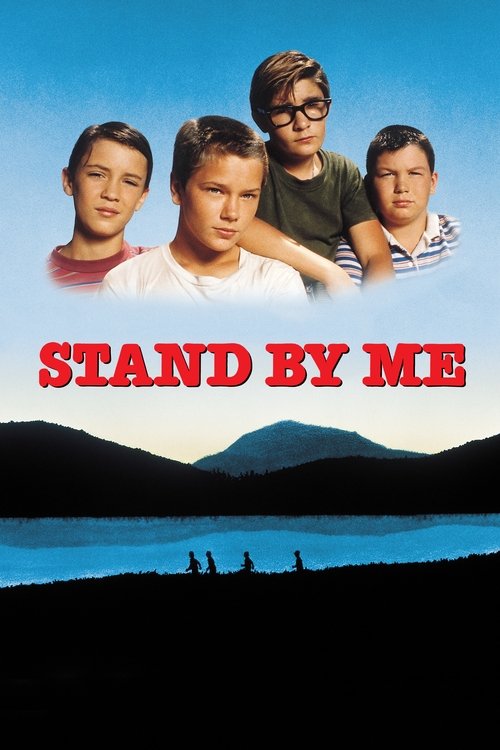
- 1985Stand by Me (novella The Body by Stephen King) published, pursuing the same boys-on-the-edge emotional territory Stand by Me
- 1990The Outsiders TV series airs on Fox, adapting the novel's world into a weekly serial
- 2005Coppola releases The Complete Novel Cut of The Outsiders, restoring 22 minutes of character scenes The Outsiders
- 2006Bully (Rockstar) applies the same class-and-faction social logic to a game world Bully
When I stepped out into the bright sunlight from the darkness of the movie house, I had only two things on my mind: Paul Newman and a ride home.S.E. Hinton, The Outsiders (1967)