
Released in August 1967, The Piper at the Gates of Dawn arrived not as a psychedelic record but as a fully formed alternative universe. Syd Barrett wrote songs about gnomes, bikes, scarecrows, and interstellar travel in the same breath, and the band played them with a ferocity that made the whimsy feel genuinely threatening. The album lives at the intersection of English folk surrealism, free improvisation, and sheer pop melodicism. Fans who love it are chasing a particular feeling: childlike imagery rendered through distortion and tape manipulation, a sense that the music is about to tip into chaos but keeps pulling back into a hook. It is one of the few records that sounds utterly of its historical moment (London 1967, the UFO Club, the summer of early Pink Floyd) and completely outside of time.
Essential Pink Floyd
The records that trace the world Syd built and what became of it
Records That Share the Same Air
British psychedelia, acid folk, and avant-pop from the same cultural moment and its echoes
Documentaries and Concert Films
The UFO Club, the studio, the unraveling, and the legacy on screen


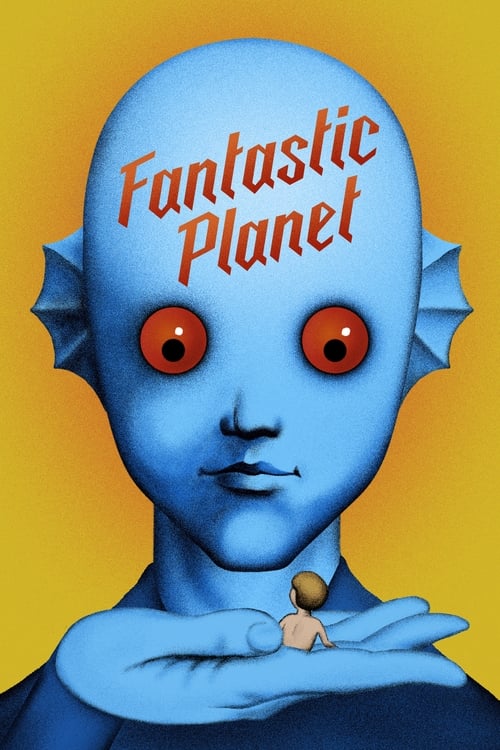
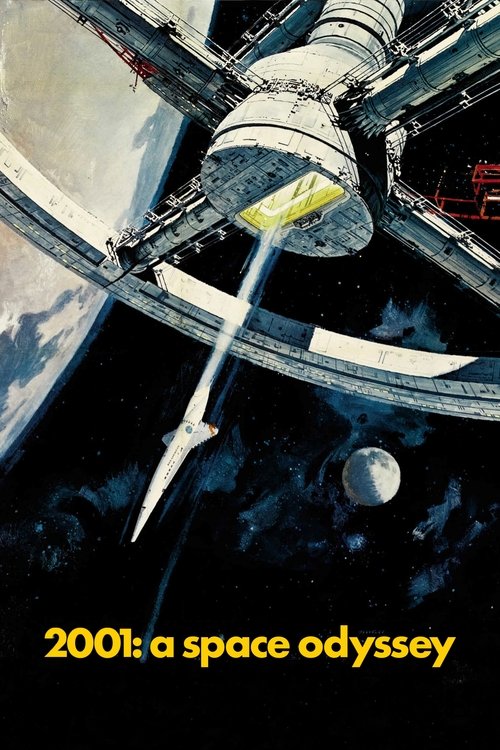
Films and Series with the Same Energy
Psychedelia, fractured innocence, and the British Sixties on screen


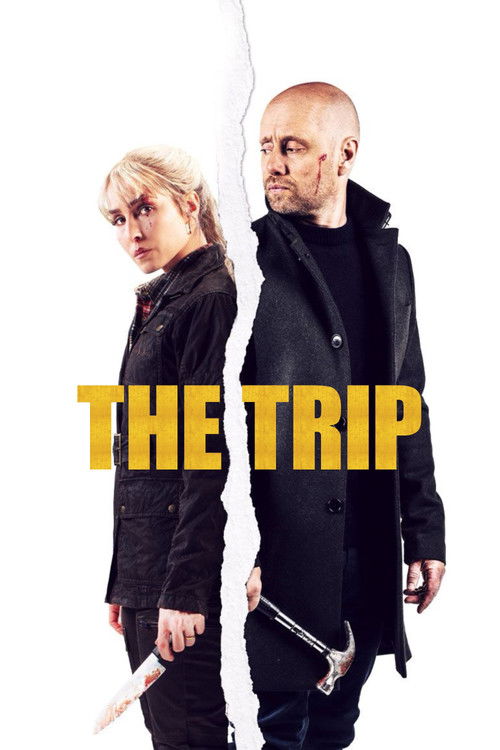
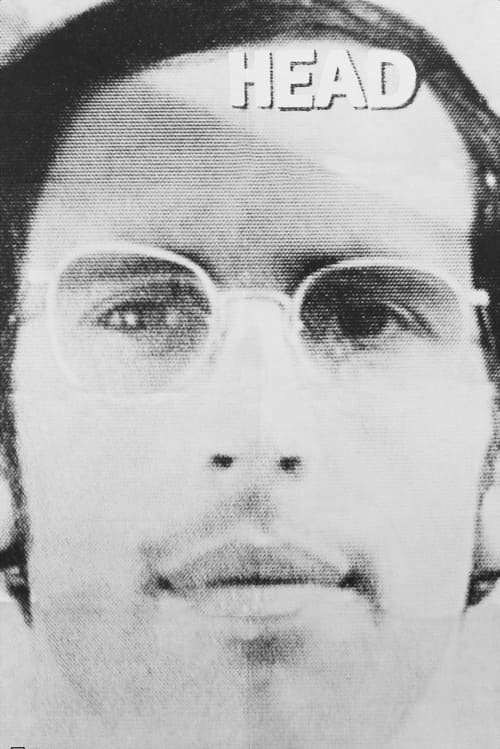
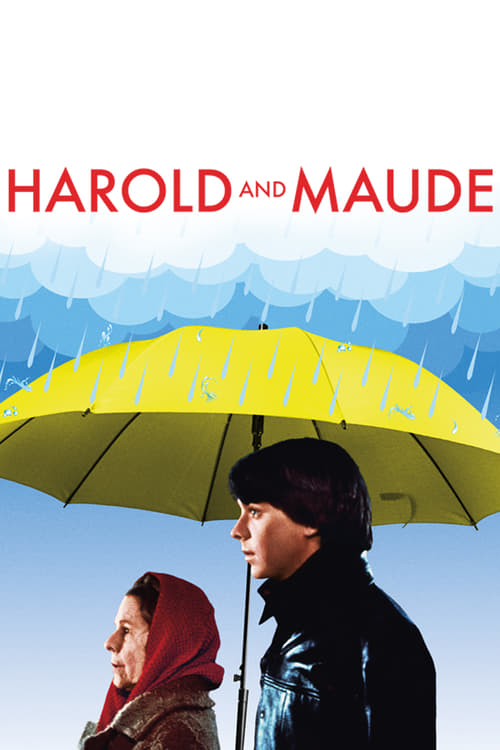
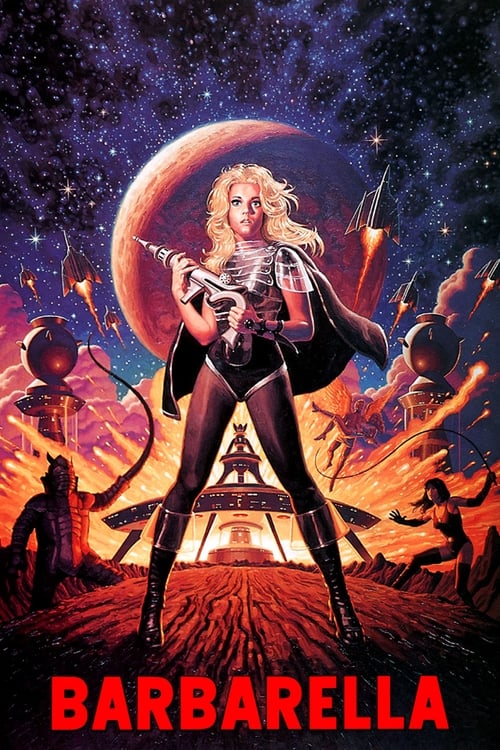
The Album's Darkness Is the Point
It is easy to hear Syd Barrett's record as whimsical and miss that the whimsy is unnerving. "Interstellar Overdrive" is nine minutes of controlled disintegration. "Lucifer Sam" is a minor-key groove with the menace of a threat. Even the nursery-rhyme songs have an undertow. The childlike surface is not relief from darkness; it is a vehicle for it. Listeners who approach the record as eccentric pop tend to miss half of what it is doing.
Wish You Were Here Is the True Sequel
Pink Floyd made many great records after Syd left, but Wish You Were Here is the one that directly addresses the wound. "Shine On You Crazy Diamond" is written about Syd with an explicitness the band rarely allowed themselves, and the album's themes of absence, exploitation, and the music industry rhyme with everything that went wrong with their founding genius. Fans of the debut who have not spent serious time with this record are missing a direct conversation across a decade.
A Psychedelic Year and Its Aftermath
- 1966Pink Floyd begin residency at the UFO Club in London, developing the light show and extended improvisation that will define their sound
- 1967Sgt. Pepper's Lonely Hearts Club Band released, marking the peak of studio psychedelia and providing the commercial context for what Floyd were doing
- 1967The Piper at the Gates of Dawn recorded at Abbey Road, partly simultaneously with Sgt. Pepper in adjacent studios The Piper at the Gates of Dawn
- 1968Syd Barrett plays his last shows with Pink Floyd; Roger Waters, David Gilmour, Nick Mason, and Richard Wright continue without him
- 1970Barrett releases The Madcap Laughs, his fragmented and intimate solo debut The Madcap Laughs
- 1975Pink Floyd record Wish You Were Here, a direct elegy for Barrett; he famously visits the Abbey Road session Wish You Were Here
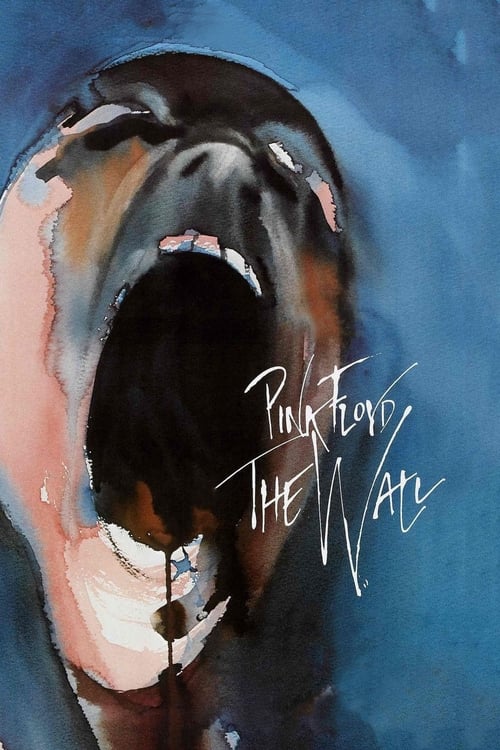
- 1982Pink Floyd: The Wall released as a film, extending the band's visual ambitions to their furthest point Pink Floyd: The Wall
- 2001The BBC documentary The Pink Floyd and Syd Barrett Story airs, introducing a new generation to the full context of the 1967 album
- 2006Syd Barrett dies in Cambridge at age 60, having lived quietly for three decades away from music
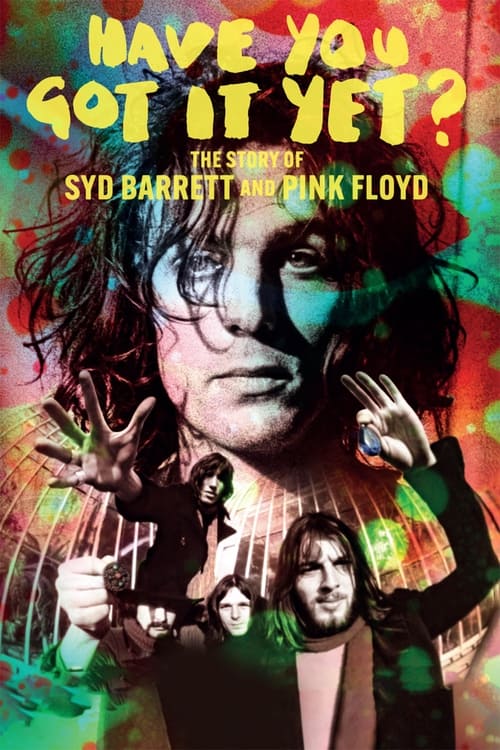
- 2023Have You Got It Yet?, the first major documentary about Barrett made with full access to those who knew him, receives wide release Have You Got It Yet? The Story of Syd Barrett and Pink Floyd
The Pink Floyd sound is like a young girl in a flower-power dress dancing to music no one else can hear.Nick Kent, NME