
Released in June 1972, The Rise and Fall of Ziggy Stardust and the Spiders from Mars is David Bowie's fifth album and the record that turned a promising art-rock eccentric into a cultural supernova. It tells the story of Ziggy, a doomed rock messiah who descends to Earth, burns brightest, and is consumed by the very fame he summoned. The sound is jagged glam stomp and tender acoustic balladry stitched together by Mick Ronson's searing guitar and string arrangements. What fans chase across every medium is the same sensation: the electric friction between a carefully constructed persona and the raw humanity bleeding through it, the thrill of costumes as truth-telling, and the idea that pop music can hold genuine myth. If you love Ziggy, you are drawn to work that performs transformation, that treats identity as material, and that makes outsiderdom feel like royalty.
Essential David Bowie
The albums that map the full arc of Bowie's shape-shifting genius, from Ziggy to Berlin and beyond.
Kindred Sounds: Glam, Art Rock, and Alien Pop
Records that share Ziggy's theatricality, melodic ambition, and sense that rock is a costume you put on.
On Screen: Music Biopics and Rock Docs Worth Your Time
Films that take seriously the mythology of the rock star, the stage persona, and the cost of fame.
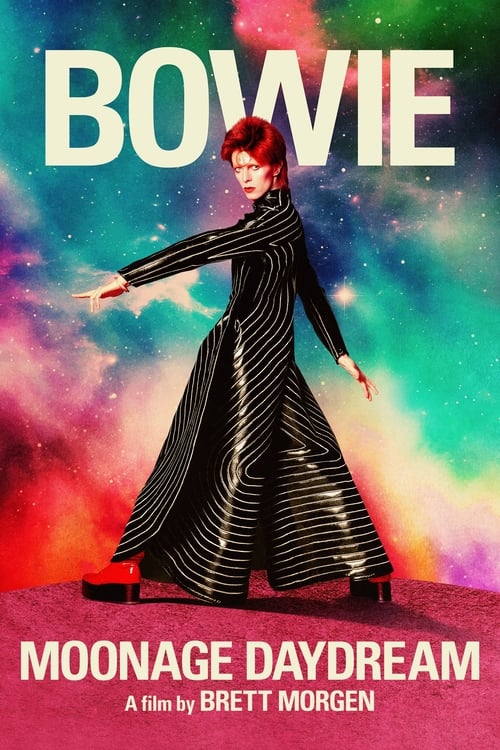
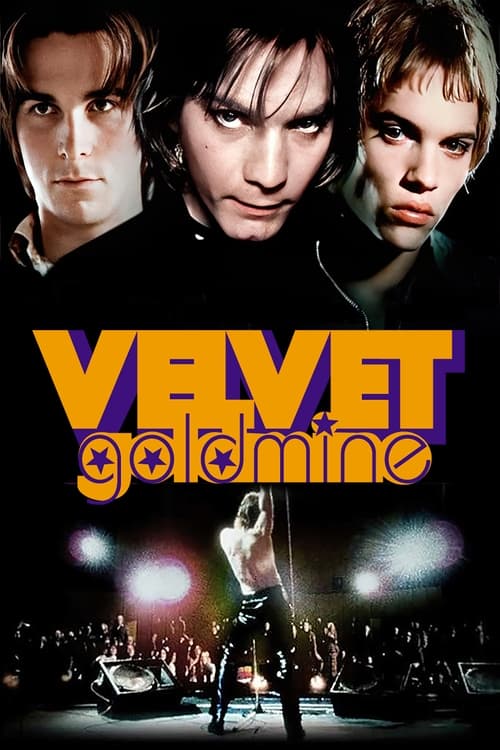
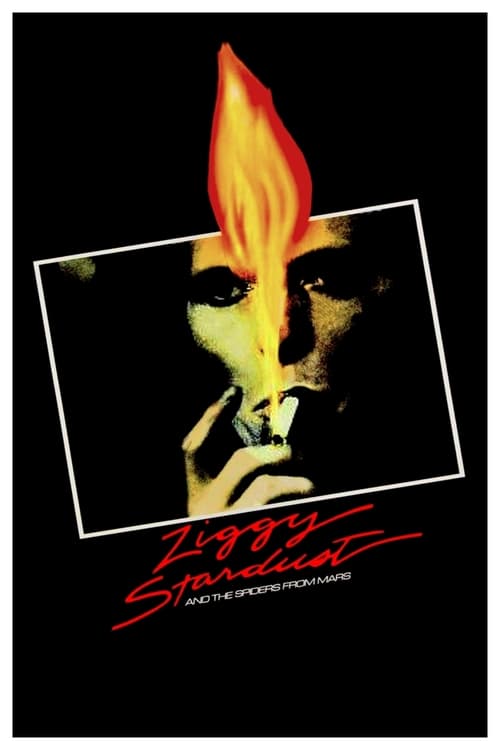
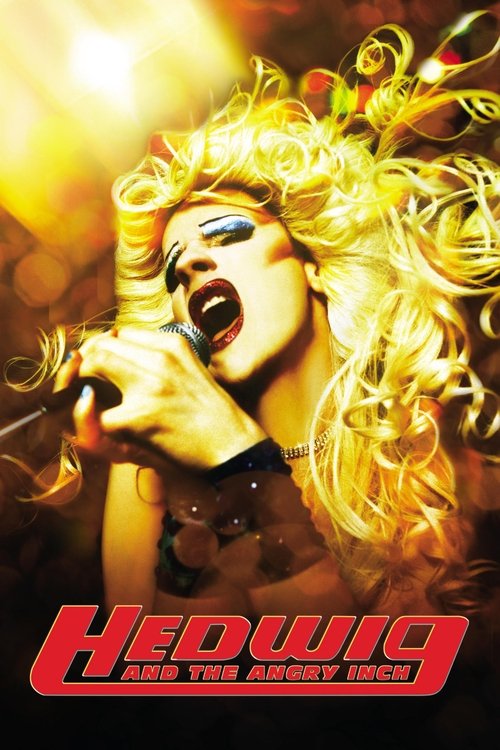
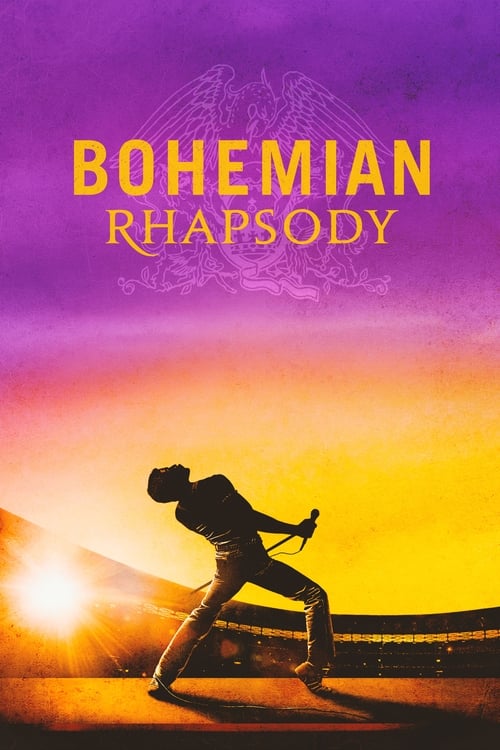
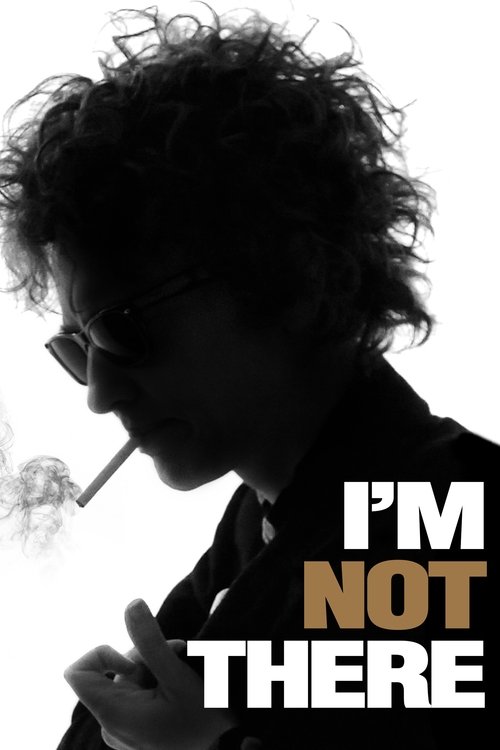

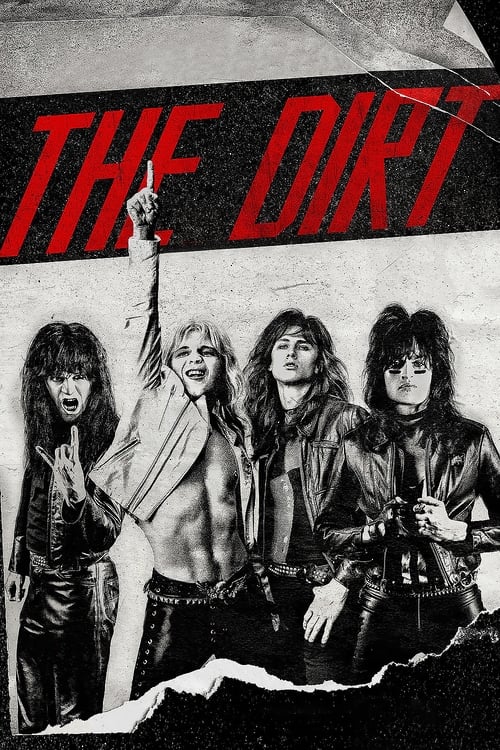
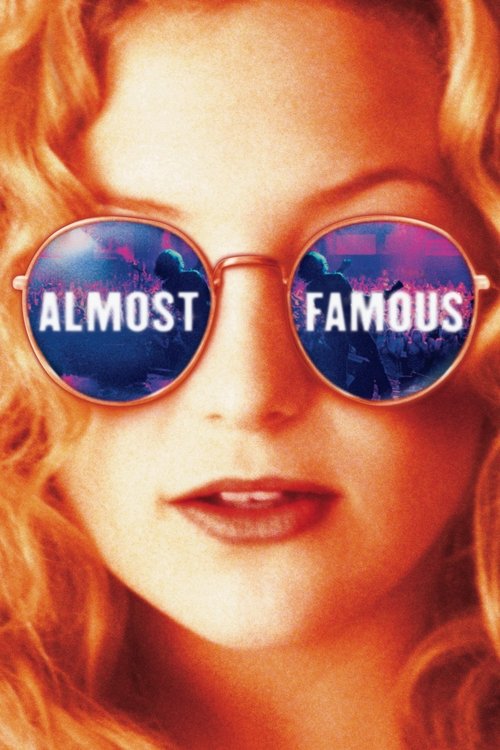
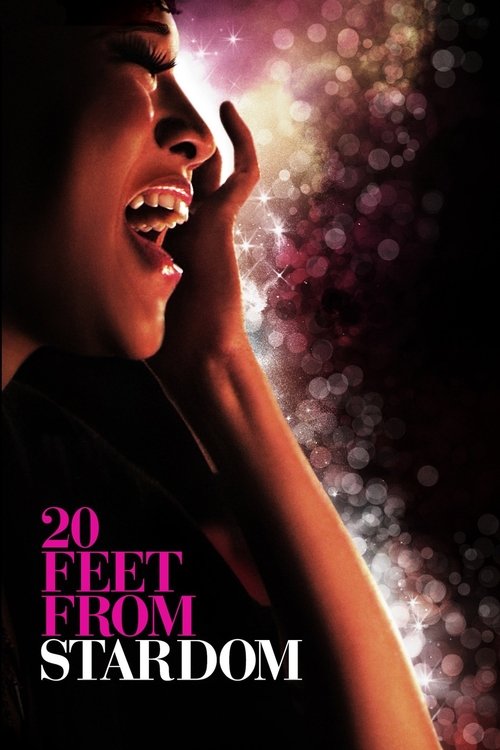
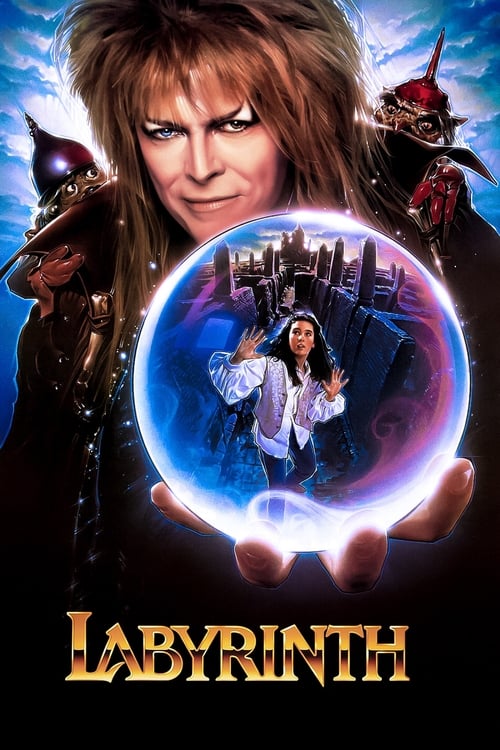
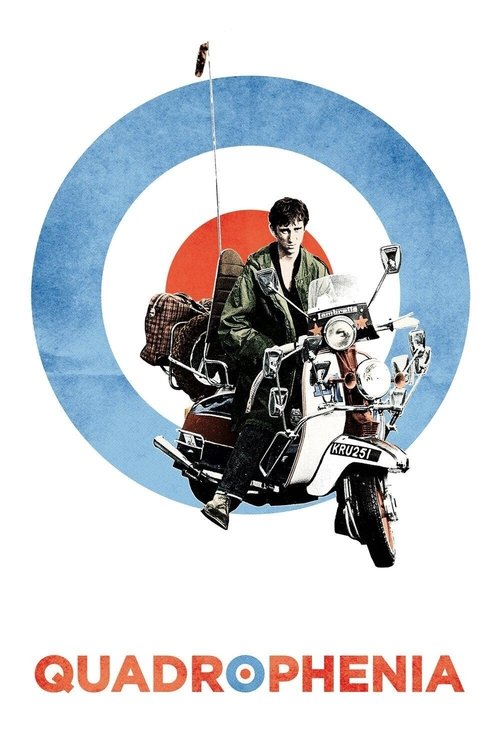
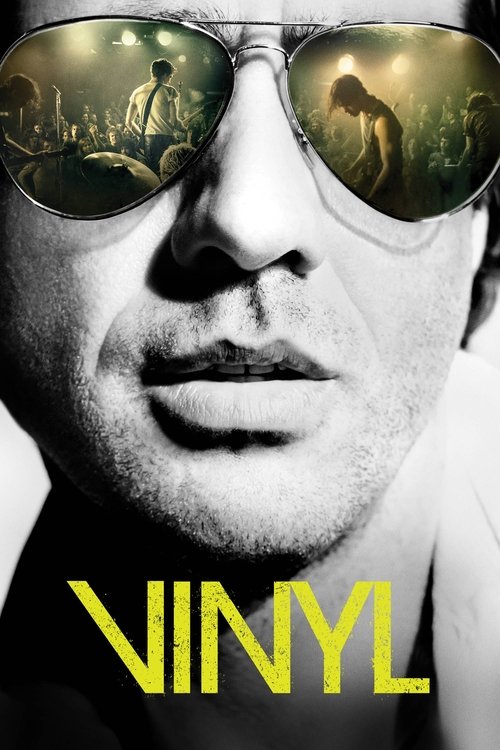
Films and Series with the Same Electric Energy
Cinema and television that channels the early-70s London buzz, glam theatrics, or outsider-becomes-icon arc.


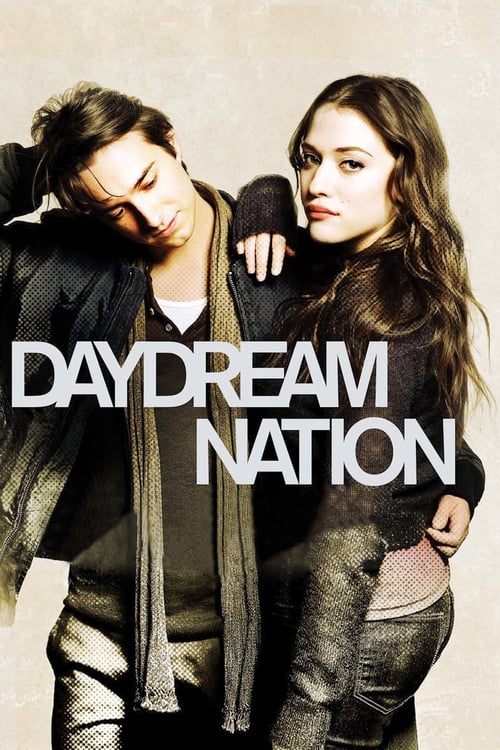
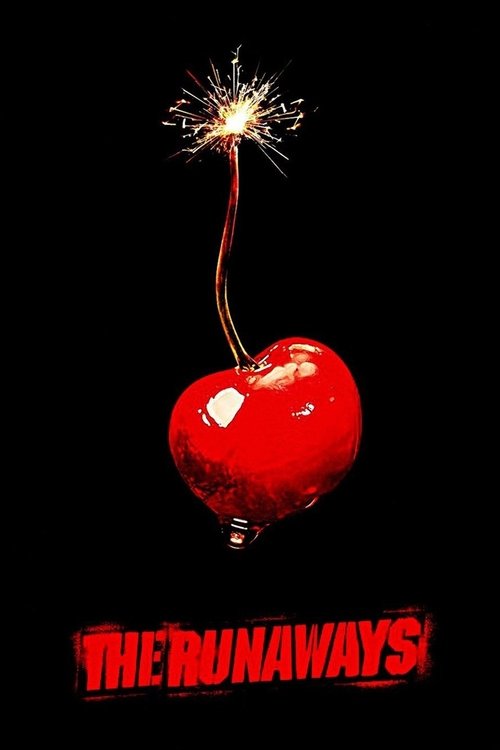

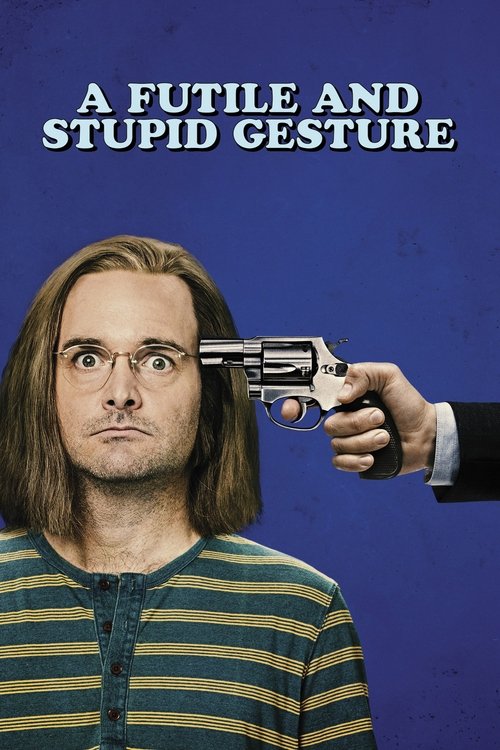

Music-Driven Novels: Fiction That Understands Rock as Mythology
Books where music is not backdrop but the central engine of identity, obsession, and reinvention.



Ziggy's World: The Glam Era and Its Aftershocks
- 1970Marc Bolan electrifies T. Rex and invents British glam rock, paving the runway for Bowie's transformation.
- 1971Bowie records Hunky Dory, planting the seeds of Ziggy with Anthony Newley theatrics and Velvet Underground bite. Hunky Dory
- 1972Ziggy Stardust arrives. Bowie debuts the lightning-bolt alter ego on the Ziggy Stardust Tour, changing rock performance forever. The Rise and Fall of Ziggy Stardust and the Spiders From Mars
- 1973Aladdin Sane extends the glam mythology; Bowie kills Ziggy live at Hammersmith Odeon in July. Aladdin Sane
- 1974Diamond Dogs imagines a dystopian Orwellian cabaret, the glam excess mutating into something darker. Diamond Dogs
- 1975Lou Reed's Berlin trilogy peaks; Roxy Music's art-rock reaches full sophistication. Berlin
- 1977Bowie decamps to Berlin with Iggy Pop and records Low, the first of the landmark Berlin Trilogy albums. Low
- 1980Scary Monsters closes the transformative era; Joy Division, the Cure, and post-punk absorb the alien-outsider DNA.
- 1998Velvet Goldmine reimagines the glam era as a mystery of lost identity and queer desire. Velvet Goldmine
- 2016Blackstar, released two days before Bowie's death, proves the persona-as-art strategy held across five decades.
Ziggy Is Not a Concept Album. He Is a Living Argument.
People reach for 'concept album' as a tidy label, but Ziggy Stardust does not behave like one. The story is loose, the chronology skips around, and several tracks have nothing to do with the Ziggy myth. What Bowie built is better understood as a total argument: that a performer can will a persona into existence through conviction alone, and that the mask, worn long enough, becomes indistinguishable from the face. The album's power does not come from narrative coherence. It comes from Bowie and Ronson treating every guitar crunch and vocal swoop as pure belief.
Bowie didn't just write about an alien rock star. He became one, and then he killed him to survive.CrossBinge Editors
Velvet Goldmine Gets the Glam Era Right Where the Biopics Get It Wrong.
Todd Haynes's 1998 film refuses to tell you who Bowie really was, because that refusal is the point. Identity under glam was always constructed, always borrowed, always plural. The biopics that followed (Bohemian Rhapsody, Rocketman) have terrific musical sequences but they insist on a coherent self underneath the costumes. Velvet Goldmine understands that for Bowie, Iggy, and the whole glam tribe, there was no underneath. The costume went all the way down. That is not a tragedy. That is the philosophy.
Patti Smith's 'Just Kids' Is the Closest Thing in Literature to a Ziggy-Era Education.
Patti Smith's memoir of her New York years with Robert Mapplethorpe covers the same 1969 to 1974 window when Ziggy was being assembled, and it operates on the same principle: that art and identity are inseparable, that you build yourself in public through what you consume and what you make. Smith and Bowie never inhabited the same scene, but they were solving the same problem by similar means. Reading Just Kids after Ziggy Stardust is like watching the same film from two different seats in the theatre.
The Berlin Trilogy Is What Happens After the Messiah Survives His Own Death.
When Bowie killed Ziggy at Hammersmith in 1973, he didn't retire into safety. He escalated, through the cocaine plastic-soul of Young Americans and Station to Station, into a near-breakdown, and then into three albums in Berlin with Brian Eno that are still the most radical left turn any mainstream rock star has ever made. Low, Heroes, and Lodger are colder, stranger, and more minimal than anything Ziggy promised. But they are only possible because Ziggy happened first: the lesson was that you can be anything, so why stop at glam?