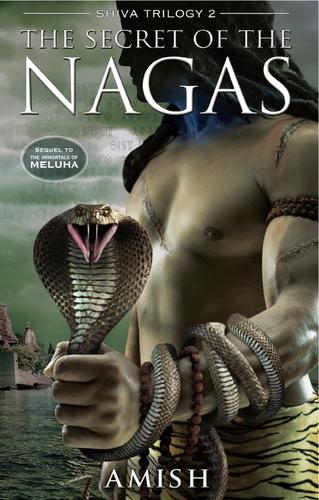

Amish Tripathi's The Secret of the Nagas (2011) does something rare: it takes one of Hinduism's most revered figures, Shiva, and asks what kind of man he would have to be to become a god. The second book of the Shiva Trilogy deepens that question considerably. Where the first volume set up a mythologized Bronze Age India, this one fractures the clean moral picture. The Nagas, the serpent-masked warriors who seemed purely monstrous, turn out to carry their own grief and logic. Readers who love this book are chasing a very specific feeling: the sensation of a sacred story being seen from the inside, the shock of learning that the villain has a point, and the physical momentum of a quest that keeps moving through landscapes that feel both ancient and alive. That combination of devotional reverence and genuine moral ambiguity is what every recommendation below is reaching for.
Mythology retold as human drama: books in the same vein
Novels that take a sacred or legendary tradition and build a breathing world inside it.


Screen epics: gods, warriors, and moral complexity
Films and series that carry the same mythic scale and the same refusal to assign clean heroes.
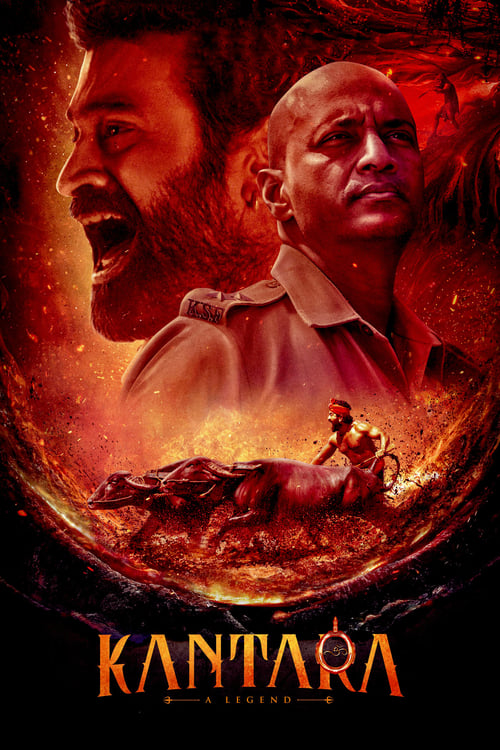
Games where ancient worlds and moral weight collide
Games that build mythological or ancient civilizations and ask hard questions about destiny, duty, and violence.

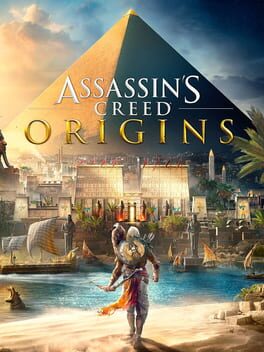
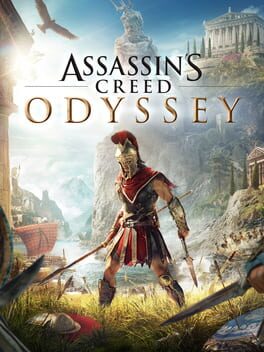
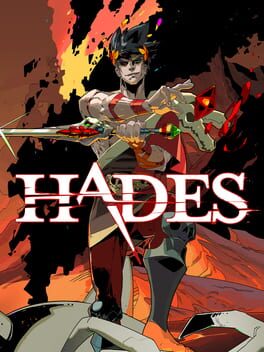
God of War (2018) is the game that asks Shiva's question
What does a god of violence do when he no longer wants to be one? Kratos in the Norse arc is not so different from Amish's Shiva: a destroyer trying to understand whether destruction is fate or choice. The game's pacing, heavy with mythology and parental grief, creates the same combination of physical momentum and spiritual unease that the Shiva Trilogy generates in prose. The 2018 entry and Ragnarok together form an arc that rewards the same reader who followed Shiva from Meluha to the Naga revelation.
Circe and The Song of Achilles are the Western entry point
Madeline Miller proved that mythological fiction does not need to water itself down for a literary audience. Both novels take figures from Greek myth and give them interiority without deflating the myth. Readers who came to Amish through an interest in world mythology, rather than specifically Indian literature, will find Miller's work the most direct parallel in tone and emotional register. The sense of being inside a story you already know but seeing it freshly is identical.
A mythology reimagined: key moments in the genre
- 1988B. R. Chopra's Mahabharata airs on Doordarshan and makes mythological television a mass-culture event in India.
- 2000Irawati Karve's Yuganta, originally published in Marathi in 1969, reaches wide English-language readers and establishes the template for the character-driven mythological retelling.
- 2005Ashok Banker's Ramayana Series begins reaching international readers, showing that epic Indian mythology could sustain long commercial fantasy series.
- 2010The Immortals of Meluha launches the Shiva Trilogy and creates the modern Indian mythological fiction category.
- 2011The Secret of the Nagas is published, breaking sales records in India and cementing mythological fiction as the dominant genre in Indian publishing. The Secret of the Nagas
- 2013The Oath of the Vayuputras closes the trilogy. The Oath of the Vayuputras
- 2015Baahubali: The Beginning releases, taking the mythological epic into blockbuster Telugu cinema.
- 2018God of War reimagines a pantheon through intimate character drama, proving the mythological retelling works across every medium. God of War
- 2022Ponniyin Selvan: I adapts Kalki's classic Tamil historical novel, extending the tradition of epic screen mythologizing.
He had been told that the Nagas were demons. He had believed it. He had been wrong.Amish Tripathi, The Secret of the Nagas