

The Silmarillion is not a novel. It is a mythology, assembled from Tolkien's lifelong private project of inventing a cosmogony for England: a creation song, warring divine powers, the forging of three perfect jewels, and the slow catastrophic unraveling of everything beautiful because of pride and grief and the irreversibility of time. What its readers chase is a specific sensation, the feeling of looking at a history so deep that every named character is already legend before the story begins, every landscape already scarred by wars you can only half-glimpse. The pleasure is scale without inflation, sorrow without sentimentality, and the conviction that the world was shaped by real creative acts, real losses, real oaths that could not be unmade. If you finished it and felt you had touched something older and colder and stranger than ordinary fantasy, this guide is for you.
Essential Tolkien Mythology
The Silmarillion's own orbit: companion volumes and the legendarium that frames it


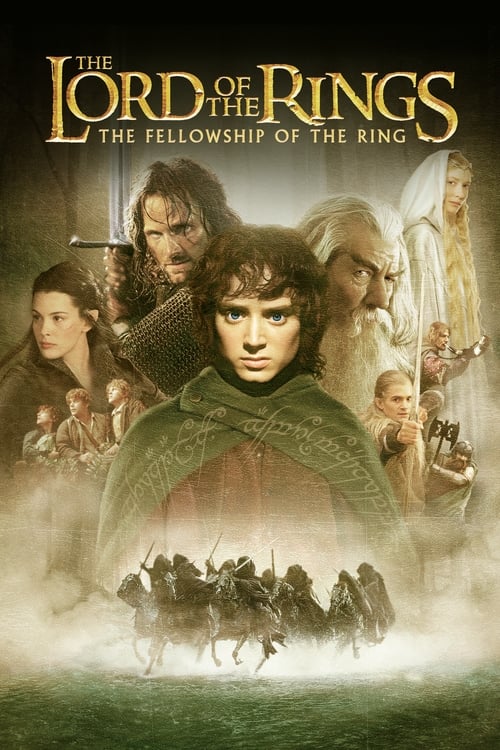
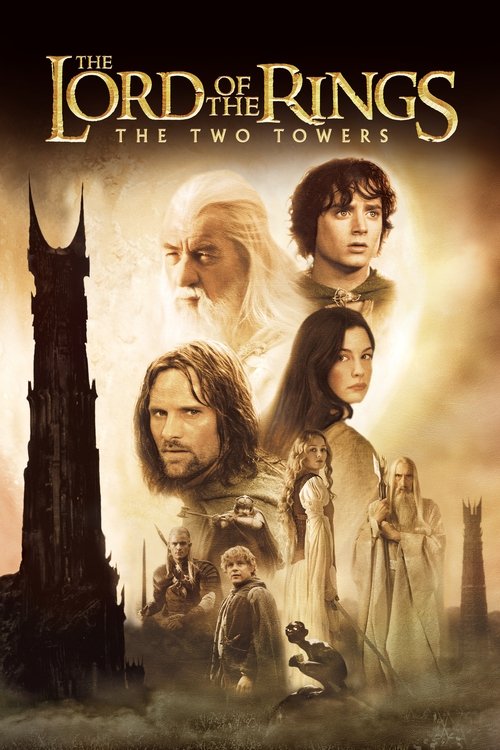
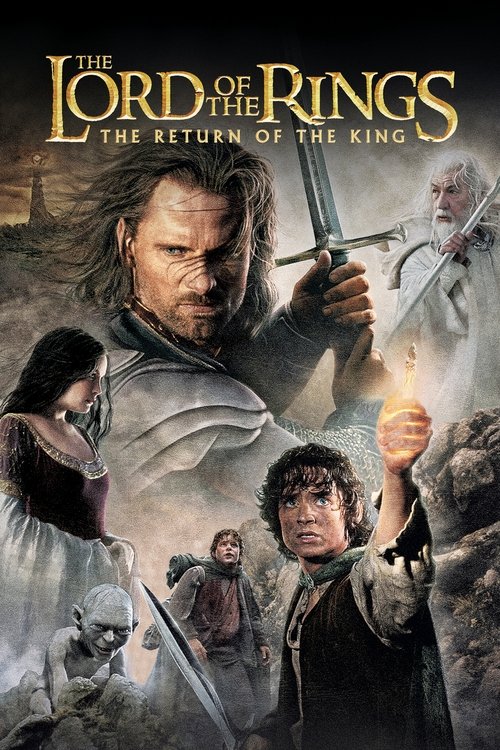
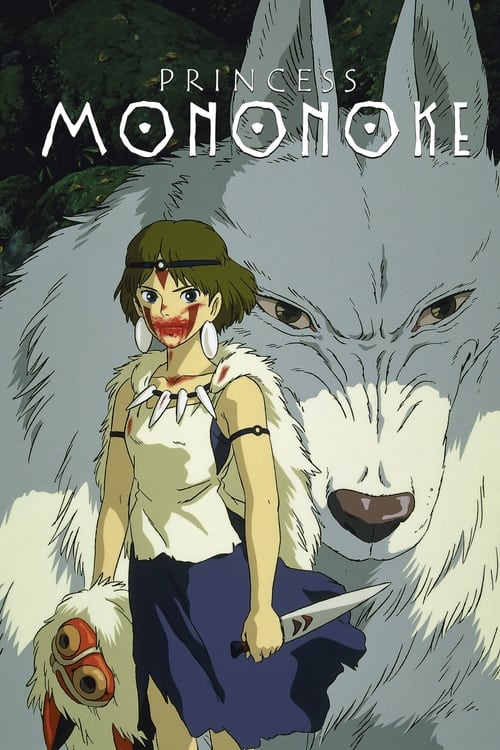
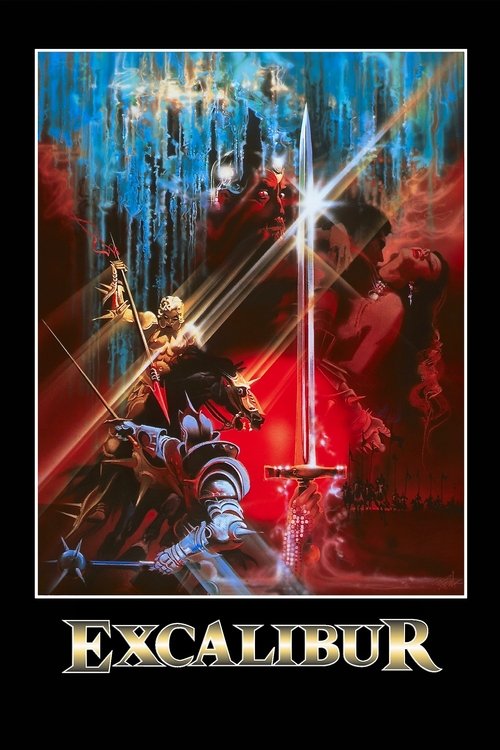
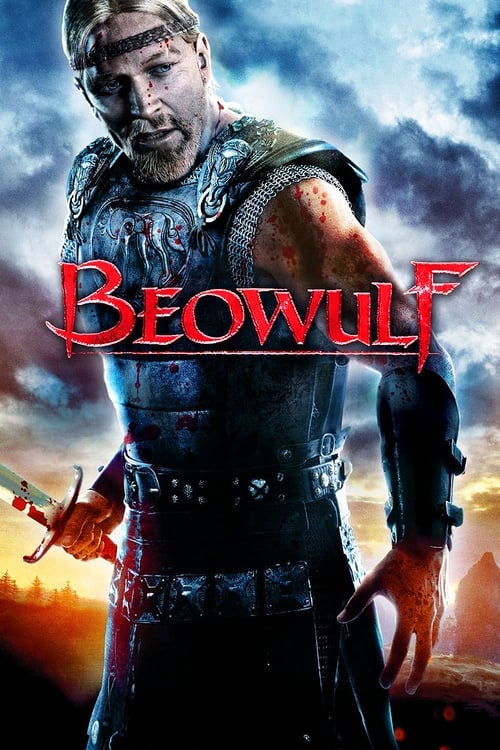
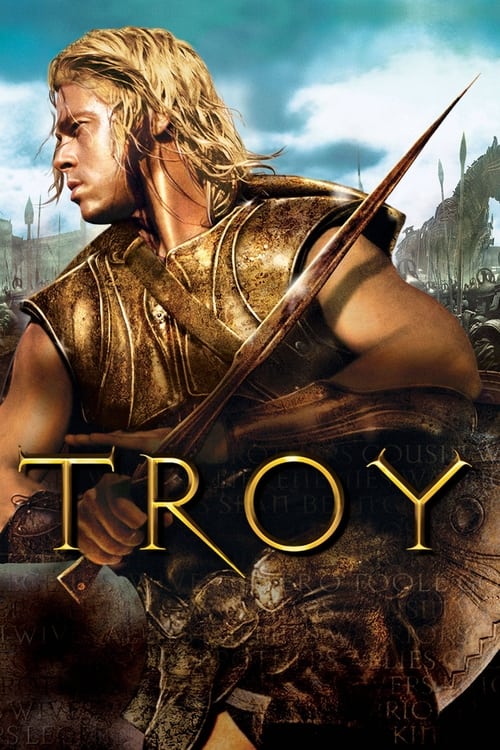
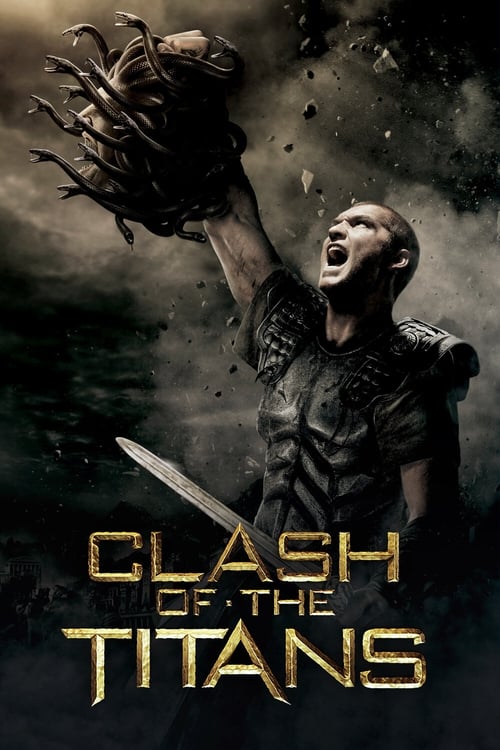
Myth on Screen: Gods, Ages, and Fallen Worlds
Films that carry the weight of legend, divine conflict, and irreversible catastrophe
Series With Deep-World Gravity
Television that builds outward from a mythos, not inward from a plot

Games of Deep Age and Ancient Loss
Games where the world has a mythic past heavier than its present, where ruin is the setting and lore is the reward
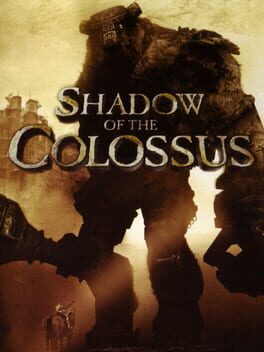
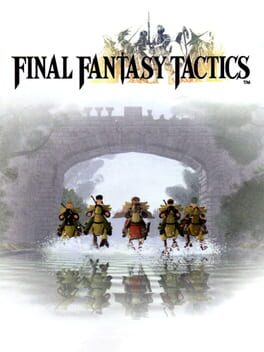
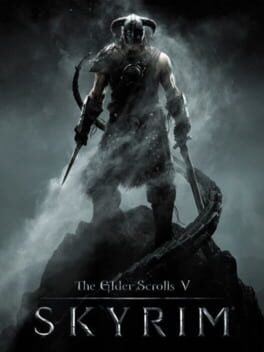
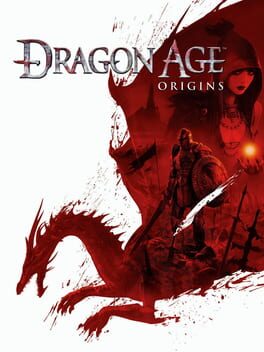
The Silmarillion is the argument that sorrow is the engine of myth
Every great arc in the book ends in catastrophe. Feanor's pride destroys his sons. The oath of the Noldor corrupts everything it touches. Gondolin falls. Numenor drowns. Nothing is preserved. And yet the book never feels nihilistic, because loss is what makes the world feel real and irreversible, which is what myth actually does. It is much closer to the Iliad or the Aeneid in emotional architecture than to any conventional fantasy novel, and readers who felt that deserves comparison to other foundational mythologies are right.

FromSoftware games are the most faithful inheritors of Tolkien's mythic structure
Elden Ring and Dark Souls do not adapt Middle-earth; they work from the same blueprint. A fallen age, divine powers who have grown corrupt or absent, scattered lore that rewards patient reading, and a world where beauty is only visible in its wreckage. The Silmarillion reader who has not played Elden Ring is missing what is probably the most direct aesthetic descendant of the book in any other medium, one that never mentions Tolkien at all.
The Rings of Power is the closest any screen adaptation has come to The Silmarillion's register
It is imperfect in many ways that fans have relitigated at length. But its visual ambition in the Numenor sequences, its willingness to spend screen time on the grief of immortal peoples watching mortal friends age, and its framing of Sauron as a figure of genuine theological corruption (not just a dark lord with an army) all belong to the same emotional world as the source. It is worth watching on those terms, without demanding it be the book.
A Brief History of the Legendarium
- 1914Tolkien begins writing the earliest myths that will become The Silmarillion while recovering from the Battle of the Somme
- 1937The Hobbit published; the deeper mythology remains private The Hobbit
- 1954The Lord of the Rings published; its appendices hint at the vast history behind it
- 1973Tolkien dies with The Silmarillion still unfinished
- 1977Christopher Tolkien edits and publishes The Silmarillion posthumously The Silmarillion
- 1980Unfinished Tales adds further depth to the mythology
- 1996The twelve-volume History of Middle-earth series completes publication
- 2007The Children of Hurin published as a standalone
- 2017Beren and Luthien published
- 2018The Fall of Gondolin published, completing the three Great Tales The Fall of Gondolin
- 2022The Rings of Power premieres on Amazon, drawing directly on Silmarillion-era events The Lord of the Rings: The Rings of Power
He who has not seen the Silmarils does not know beauty. He who has not wept for them does not know loss. Tolkien invented a reason to grieve for objects that never existed, in a world that never was. That is what mythology does.CrossBinge editors