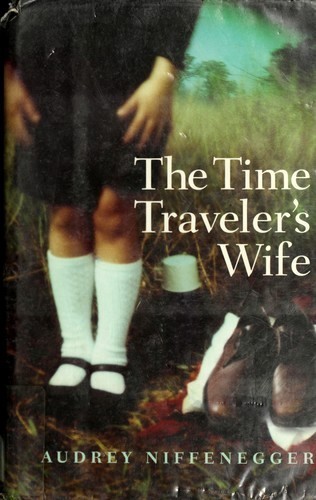

Audrey Niffenegger's 2003 debut does something precise and rare: it takes a science-fiction premise, chrono-displacement disorder, and uses it purely as an emotional instrument. Henry DeTamble cannot choose when he vanishes or where in time he lands. His wife Clare Abshire can only wait. The book is really about what it costs to love someone whose presence is radically unreliable, and about the particular grief of losing a person to forces that have nothing to do with choice or failure. Readers who find their way to it tend to be chasing that same quality elsewhere: stories where an impossible constraint reveals the architecture of a relationship rather than overshadowing it. The genres shift across film, TV, games, and music, but the through-line is constant: time or distance bends, and two people reach for each other anyway.
Novels That Bend Time Around Love
Books where a strange constraint forces two people to truly see each other.


On Screen: The Adaptations and Their Kin
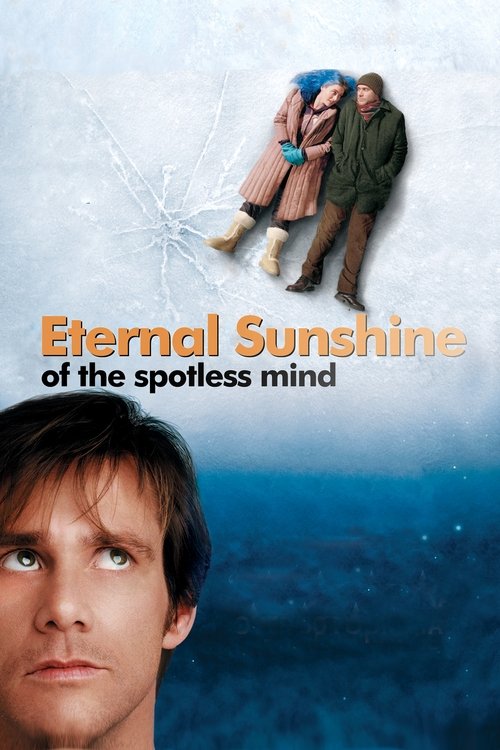
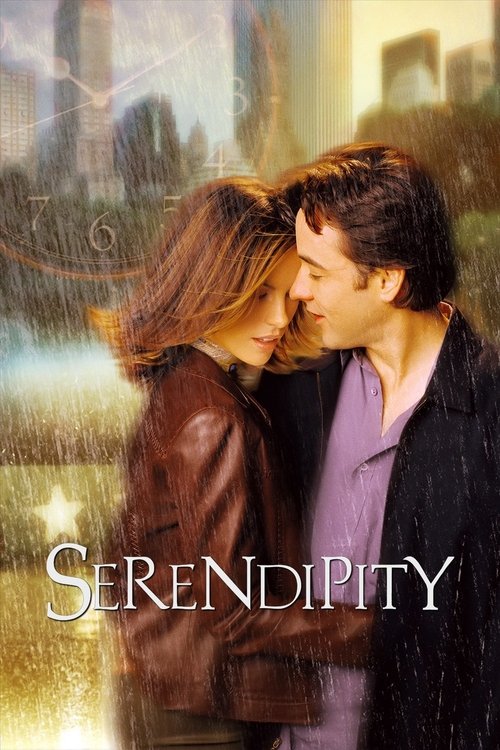
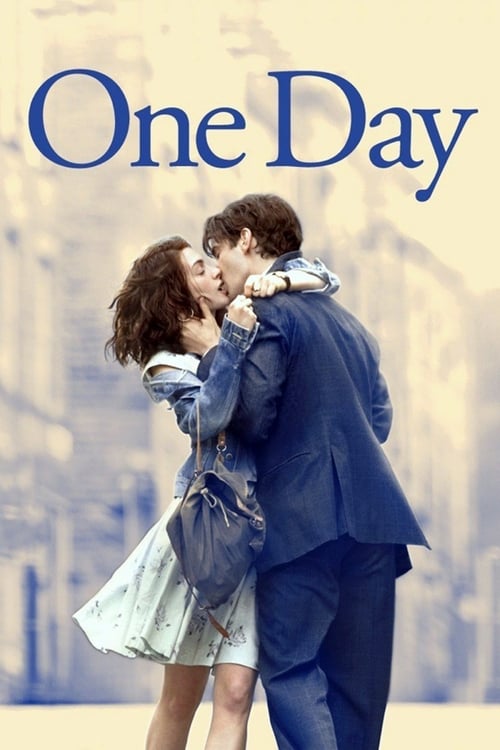
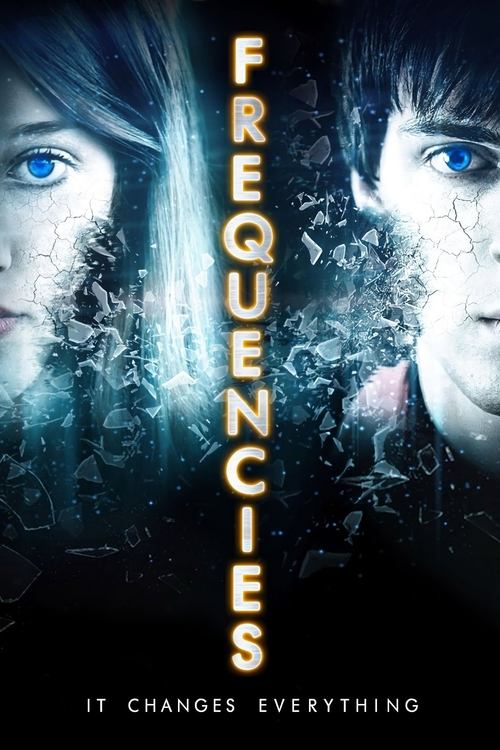
Films that carry the same ache of lovers separated by something neither controls.

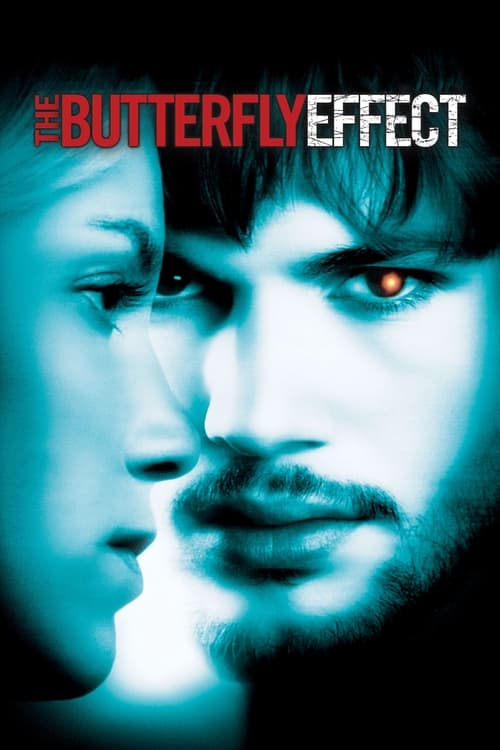

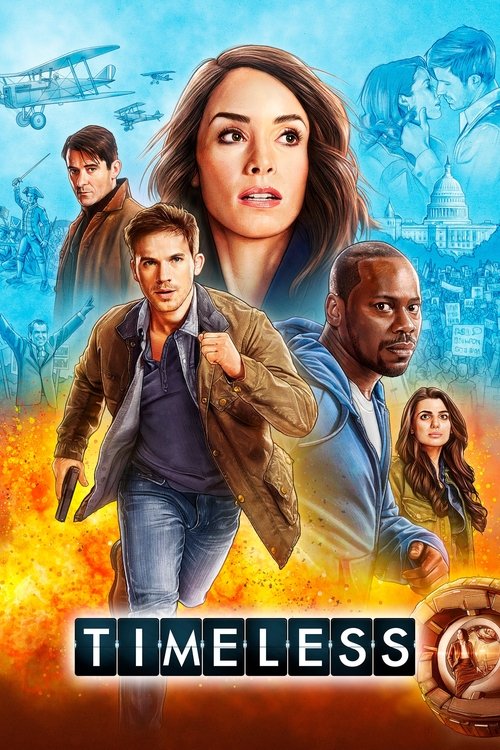
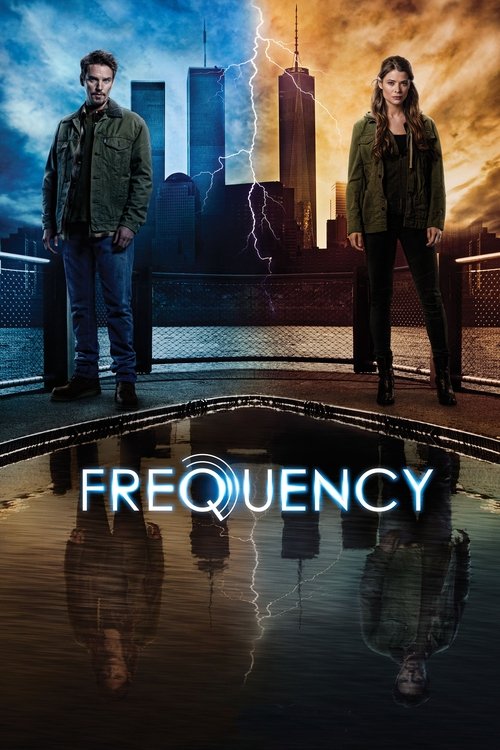
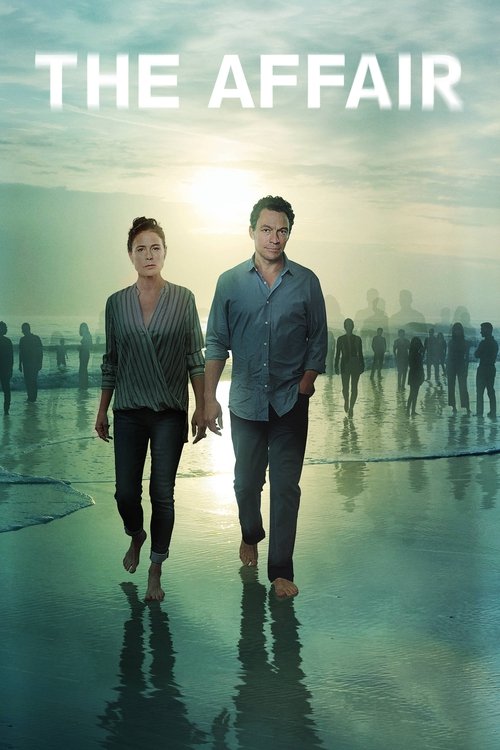
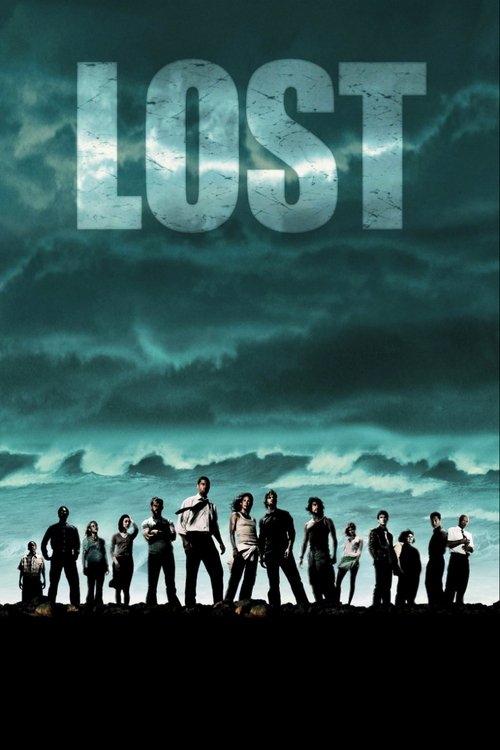
Series for the Long Ache
Television that gives a complicated love story the space it needs to breathe.




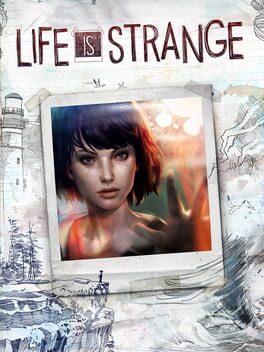
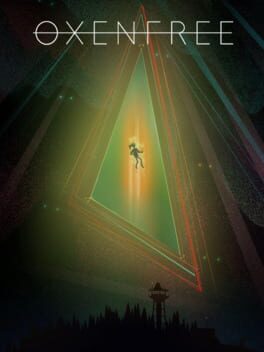
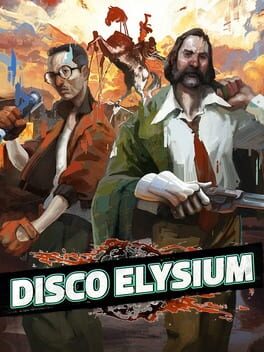
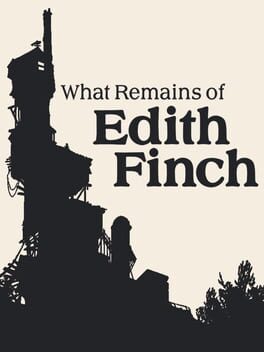
Games Where Time and Longing Intertwine
Games that use temporal mechanics to make you feel separation, not just solve puzzles.
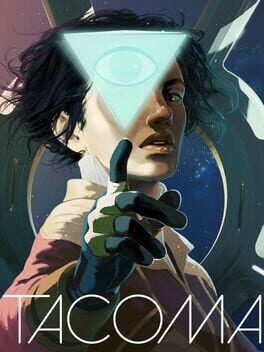

Music: Scores and Albums That Sound Like Waiting
Music built from longing, suspended time, and the return that may or may not come.
The Book Is Fundamentally Clare's Story, Not Henry's
Henry's condition is spectacular, but it is Clare who carries the actual weight of the novel. She spends her childhood and adolescence waiting for a man who has already, from his perspective, lived their entire love story. She grows up shaped by someone she cannot fully possess. The book's emotional force comes from her perspective: the patience, the resentment she mostly suppresses, and the choice to love across a structural impossibility. Any adaptation that centers Henry's POV loses the point.

About Time Is the Better Film of This Genre
Richard Curtis's 2013 film is softer and less tragic than Niffenegger's novel, but it understands something the 2009 Time Traveler's Wife movie missed: the emotional weight has to come from ordinary moments, not the spectacle of disappearance. Tim Lake's ability to revisit a day matters because of breakfast conversations and small kindnesses, not because of the plot mechanics. Domhnall Gleeson and Rachel McAdams sell the wistfulness without straining. It earns its ending.
Dark Is the Series for Readers Who Wanted More Rigor
Niffenegger is not really interested in the mechanics of time travel; she uses it as metaphor. The German series Dark is the opposite: it builds an airtight causal loop across three seasons and forces every character to reckon with predetermination and grief at the same time. If the romantic premise of The Time Traveler's Wife left you wanting something that took its own rules seriously, Dark is where you go. The melancholy is the same; the architecture is much stricter.
Outer Wilds Achieves in Games What the Novel Achieves in Fiction
Both works use a time loop to explore a kind of grief: the knowledge that something is ending, and the choice to keep showing up anyway. Outer Wilds never announces its emotional ambitions; they accumulate. By the end, the question it poses is almost identical to the one Niffenegger poses in her final chapters. The medium difference barely matters. This is one of the few games where the experience transfers almost directly to readers of literary fiction.
A Timeline of the Genre's Key Moments
- 1980Richard Matheson publishes the foundational romantic time-travel novel
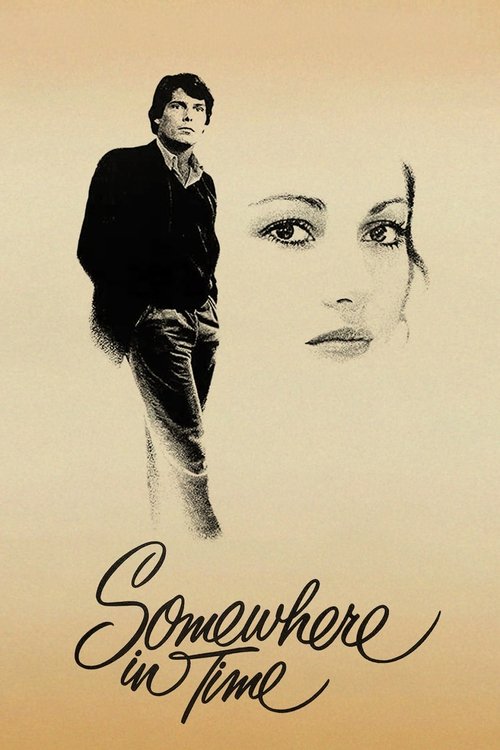
- 1980Christopher Reeve and Jane Seymour bring it to cinemas Somewhere in Time
- 1987Octavia Butler's visceral time-displacement novel forces the genre to reckon with history and power Kindred
- 1998Ken Grimwood's Replay reframes the loop as midlife reckoning Replay
- 2003Audrey Niffenegger's debut redefines romantic time-travel fiction The Time Traveler's Wife
- 2008Jonathan Blow's Braid makes temporal mechanics an emotional language in games Braid
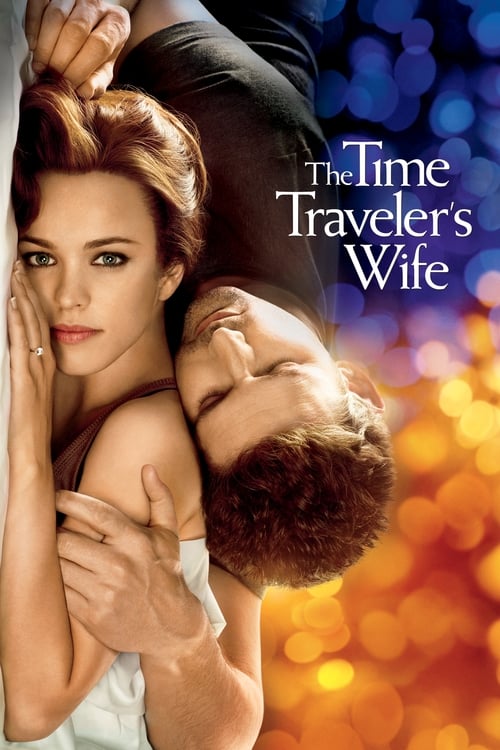
- 2009Hollywood adaptation reaches wide audiences The Time Traveler's Wife
- 2012Kate Atkinson layers multiple lives to explore fate and grief
- 2013Richard Curtis translates the genre's warmth for mainstream cinema About Time
- 2017German series Dark proves TV can handle temporal complexity with rigour Dark
- 2019Outer Wilds uses a time loop to construct one of gaming's great emotional endings Outer Wilds
- 2022HBO miniseries adaptation brings the novel back to screen with a serialised format The Time Traveler's Wife
The book's real subject is not the miracle of time travel. It is the ordinary, grinding miracle of choosing to stay.CrossBinge Editors