
The Wall is a concept album that plays like a film in your head. Released in November 1979 by Pink Floyd, it follows Pink, a burned-out rock star who bricks himself off from the world one trauma at a time: a father killed in World War II, an overbearing mother, sadistic schoolteachers, a corrosive marriage. Roger Waters wrote it out of a genuine crisis — the alienation of stadium rock, the death of Syd Barrett as a warning, his own growing contempt for his audience. What came out the other side was something that transcends genre: part art rock, part psychodrama, part anti-war protest, with David Gilmour's guitar working as an emotional counterweight to Waters' bitterness. The sound fans chase here is grand, cinematic, emotionally brutal rock with a literary ambition — music that treats the listener as an adult who can sit with difficult feelings for an hour and twenty minutes.
Essential Pink Floyd
The albums that define the band's arc, from psychedelic genesis to monumental rock opera.
If You Love The Wall: Progressive and Art Rock Albums
Grand-scale concept records and studio ambition from the same era and tradition.
The Wall on Screen: Concert Films and Music Documentaries
When rock becomes cinema, these are the records to hold.


Films with the Same Energy: Alienation, Spectacle, and Rock Mythology
Movies that share The Wall's cinematic scale, its portrait of creative self-destruction, or its anti-establishment fury.
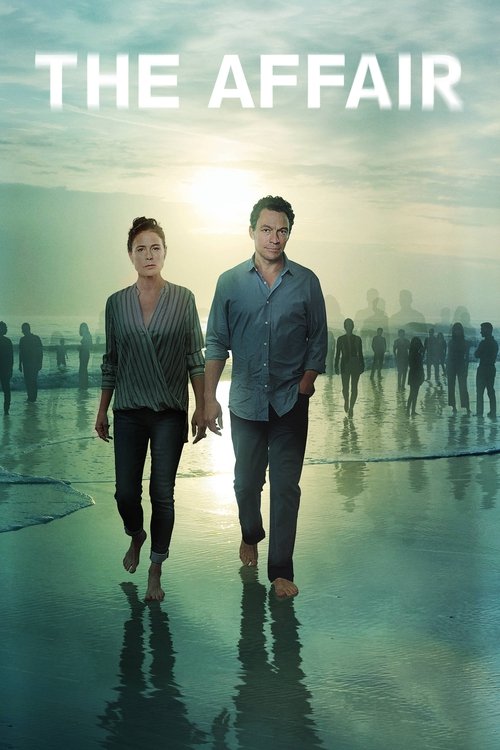
Television with Comparable Depth: Rock, Trauma, and Identity
Series that explore the same psychic territory: the cost of fame, the weight of the past, the architecture of the self.

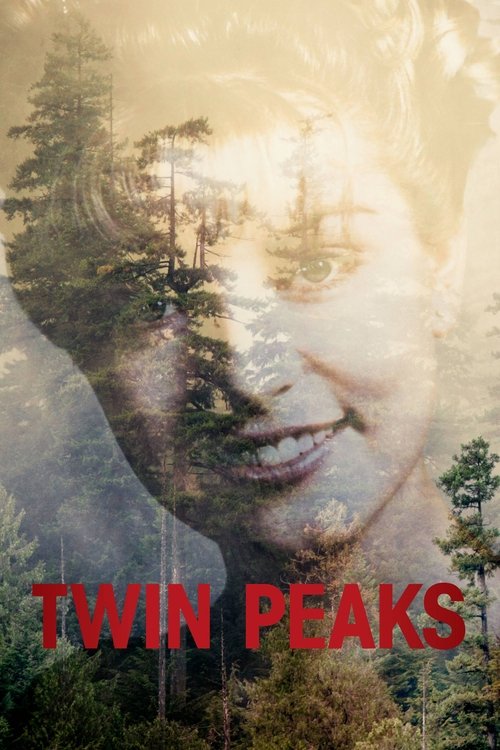


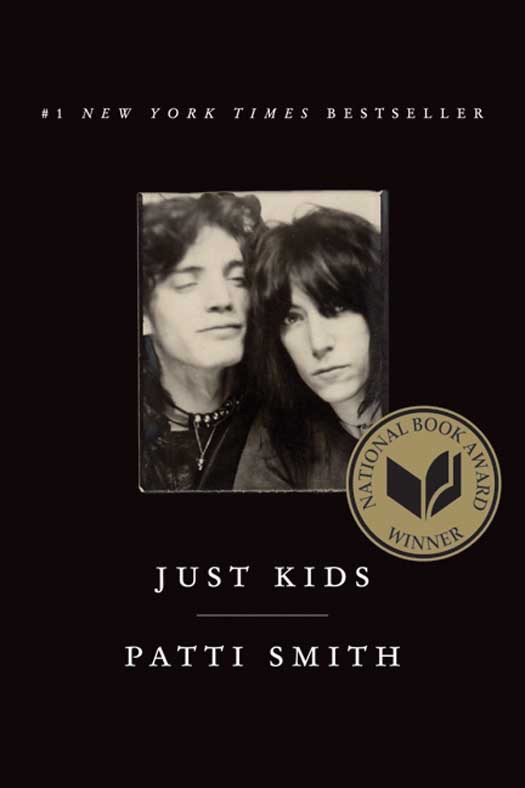
Books for The Wall Listener: Rock Mythology and the Fractured Self
Novels and memoirs that share the album's preoccupations: childhood wounds, creative isolation, the violence institutions do to individuals.


The Final Cut Is the Real Sequel
Most listeners drop off after The Wall and land on The Dark Side of the Moon as their second stop. The smarter path is The Final Cut, the 1983 album Roger Waters essentially made as a solo record under the Pink Floyd name. It picks up directly where The Wall left off, still fixated on his father's death in World War II, still unsparing and clinical about grief and national mythology. It is uncomfortable in exactly the right way. Ignore the critics who called it a contractual obligation: it is one of the most emotionally honest records in the catalog.
Alan Parker's Film Is Not an Adaptation, It Is a Parallel Work
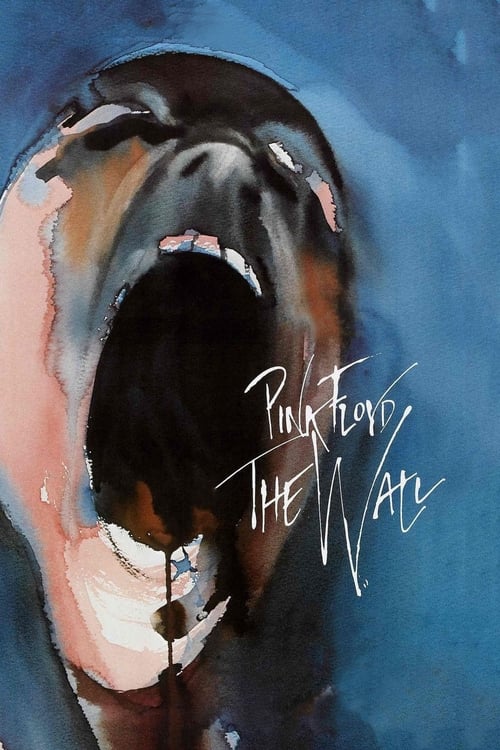
The 1982 film directed by Alan Parker, with animations by Gerald Scarfe, does not illustrate the album so much as it runs alongside it, finding its own logic. Bob Geldof's performance is largely non-verbal, and the animated sequences depicting the hammers marching and the flowers copulating are genuinely disturbing in ways that operate independently of the music. It belongs in the same conversation as Fantasia and Yellow Submarine as a case where moving images and recorded sound create something neither could achieve alone.
The Concept Album Is a Literary Form
The Wall sits in a tradition closer to the novel than to radio pop. Tommy, Berlin, The Lamb Lies Down on Broadway, and Quadrophenia all share the same ambition: a sustained narrative arc, a protagonist, a moral argument. Fans who respond to The Wall often find that they respond equally to literary fiction with the same structural intensity, books like A Visit from the Goon Squad or Catch-22, where time and perspective fracture but the emotional throughline holds.
Roger Waters Live 2010-2013 Is the Definitive Version
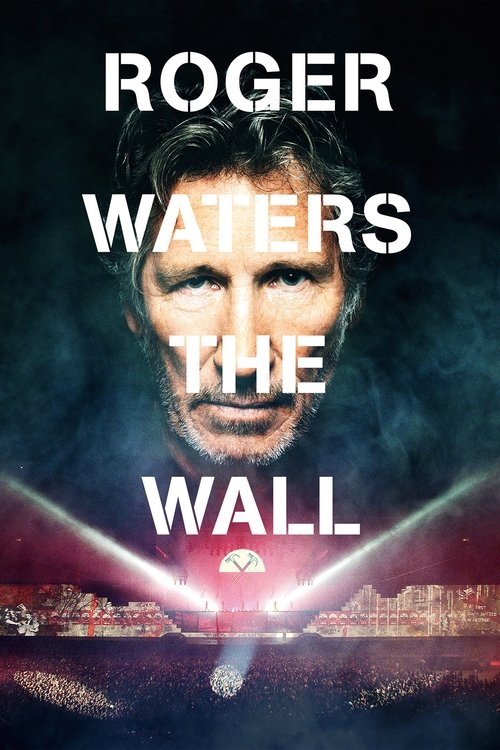
The original 1980-81 Wall tour was so expensive it nearly bankrupted the band and was only performed in four cities. The 2010-2013 tour Roger Waters mounted with modern production finally let the work breathe at the scale it always demanded: a 35-foot wall built and demolished every night, the animations in proper scale, the performances grounded and angry. The concert film from that tour is a different experience from the studio record and worth treating as its own artifact.
The Wall in Time
- 1968Syd Barrett leaves Pink Floyd after his mental deterioration becomes unmanageable, a shadow that will haunt the band's next decade. A Saucerful of Secrets
- 1973The Dark Side of the Moon turns Pink Floyd into one of the biggest bands on Earth, setting the stage for the stadium alienation Waters would later interrogate. The Dark Side of the Moon
- 1975Wish You Were Here, explicitly mourning Syd Barrett, establishes absence and creative loss as the band's central subject. Wish You Were Here
- 1977Animals, modeled on Orwell's Animal Farm, takes the band into harder political territory. During the In the Flesh tour, Waters spits on a fan, the incident that seeds The Wall. Animals
- 1979The Wall is released as a double album in November. It debuts at number one in multiple countries. The Wall
- 1980The Wall tour runs in Los Angeles, New York, London, and Dortmund only. A full-scale wall is constructed and demolished at each performance.
- 1982Alan Parker's film adaptation premieres at the Cannes Film Festival. Pink Floyd: The Wall
- 1983The Final Cut, credited to Pink Floyd but written entirely by Waters, extends The Wall's grief into anti-Thatcher political fury. The Final Cut
- 1985Roger Waters leaves Pink Floyd, declaring the band a spent force.
- 1990Waters performs The Wall live at the former Berlin Wall site, with a cast including Van Morrison, Sinead O'Connor, and Joni Mitchell.
- 2010Waters launches the most elaborate Wall tour ever mounted, playing to millions across five continents over three years. Roger Waters: The Wall
We're just two lost souls swimming in a fish bowl, year after year.Pink Floyd, Wish You Were Here (1975)