
They started as a Shepherd's Bush Mod band playing maximum R&B in sweaty London clubs, and they ended up writing the first canonical rock operas, performing at every landmark festival of their era, and obliterating the decibel records at Charlton Athletic ground. Pete Townshend's auto-destructive guitar-smashing was never just theatre -- it was a genuine philosophy, an art-school rage against the limitations of the form. Roger Daltrey's voice had the weight of a man twice his size. John Entwistle's bass lines moved like a lead guitar. Keith Moon was the most creative, most dangerous, most purely volcanic drummer rock and roll has ever produced. The Who were not the best-loved band of the British Invasion, but they were, note for note and concept for concept, the most ambitious. Tommy (1969) changed what a rock album was allowed to attempt. Who's Next (1971) contains three of the greatest songs ever recorded. Quadrophenia (1973) mapped the psychology of adolescent rage with a precision no novel had matched. If you know the singles, you only know the doorstep. Come inside.
Essential The Who
Start here: the albums that define the canon, from debut R&B fury to late-career reflection
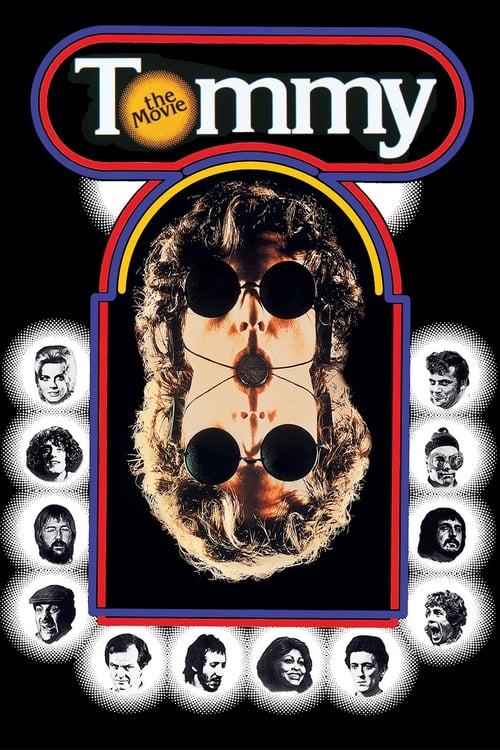
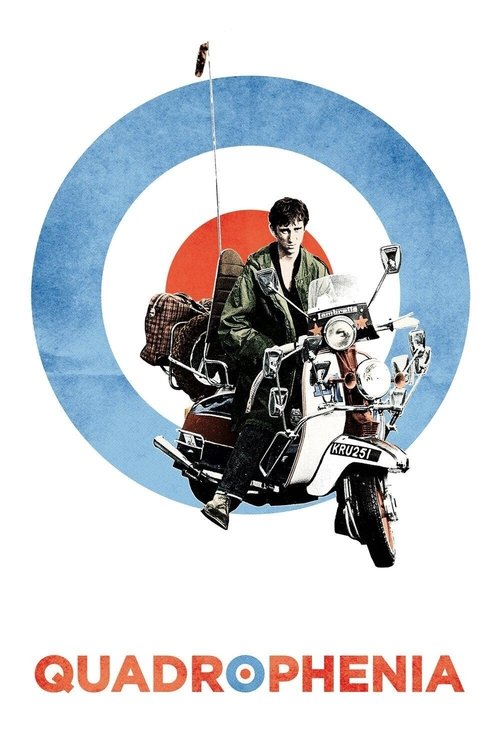
On Screen: Tommy, Quadrophenia, and the Films That Captured Them
From Ken Russell's psychedelic opera to Franc Roddam's Mod revenge tragedy, The Who's albums became films, and their performances became legend
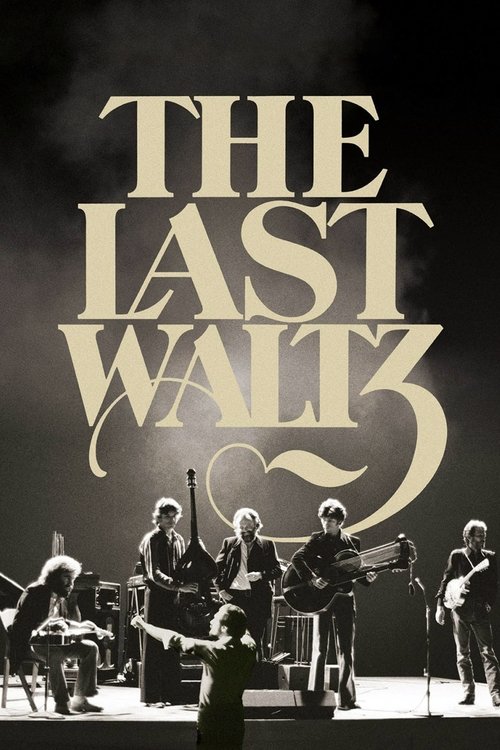
Rock Biopics and Music Docs Worth Your Time
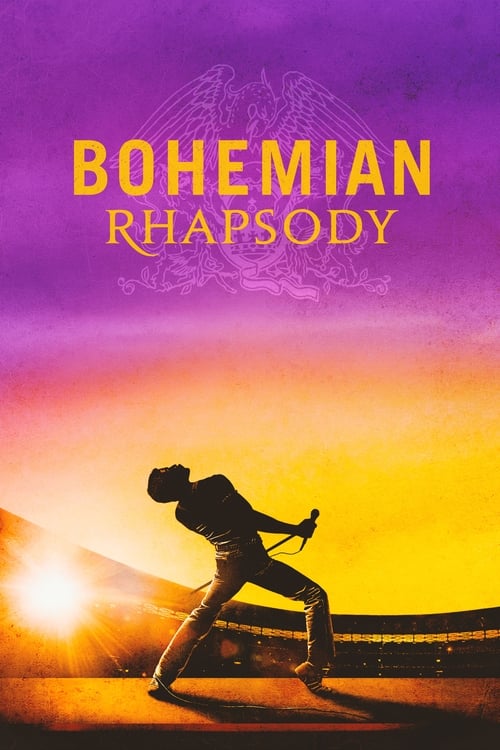
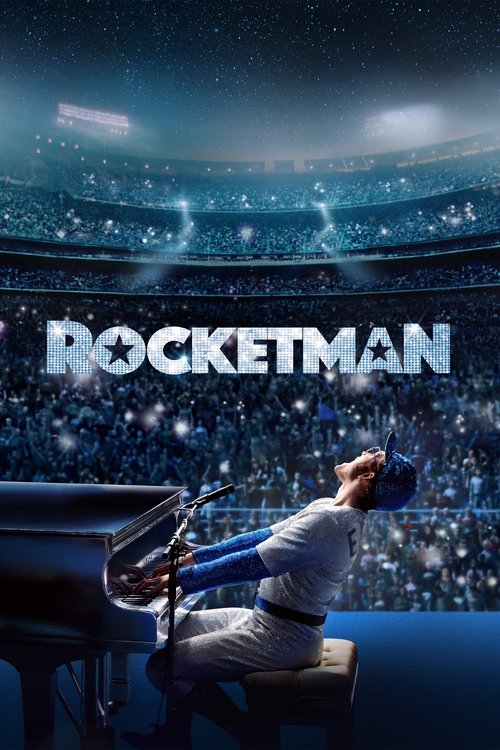
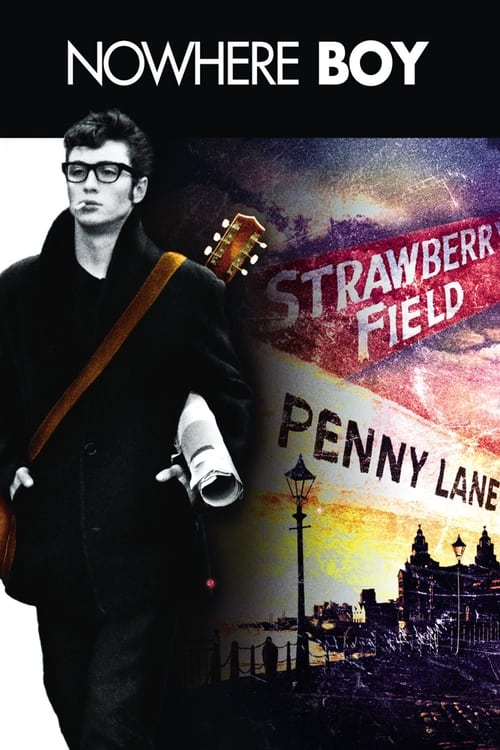
If you want the chaos, the mythology, and the wreckage -- these films about other bands capture something of the same furious energy

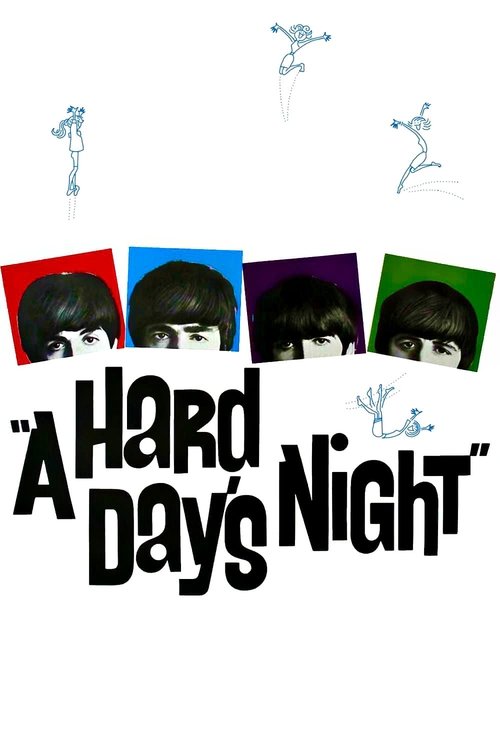
Mod, Youth Rebellion, and British Invasion Cinema
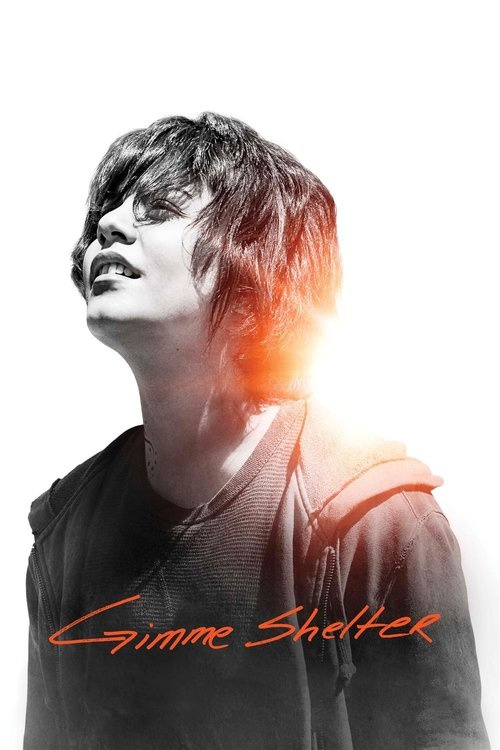
The same generation that made The Who made these films: scooters, pills, seaside riots, and the fury of being young in postwar Britain



For the Rhythm and the Beat: Music Games
The Who's catalogue has been core to rhythm gaming since the beginning -- and these are the games that best carry the spirit of playing loud
Live at Leeds Is the Greatest Live Album Ever Made
Released in 1970 and recorded at the University of Leeds refectory with a capacity crowd of 1,900 people, Live at Leeds captures a band at the absolute peak of their technical fury. It is louder, tighter, and more dangerous than almost anything that has been recorded live since. The original vinyl had a deliberately crude, photocopied sleeve -- the band understood the recording was doing something Sergeant Pepper's sleeve could never do. When Townshend's guitar finally cuts through on 'Substitute', the room explodes. Nothing has topped it.
Quadrophenia the Film Is Underrated Compared to Quadrophenia the Album
The 1973 double album is one of rock's great psychological character studies: Jimmy the Mod, four personalities, four band members, Shepherd's Bush and Brighton and the whole collapsing Mod scene. Franc Roddam's 1979 film is a good adaptation -- Phil Daniels is excellent and the Brighton seafront sequences are genuinely electric. But the album does things the film cannot: the studio's own four-track separation, Entwistle's thunderous horn arrangements, the rain. People who saw the film first often underestimate the record. The record should come first.
'Won't Get Fooled Again' Has Aged Better Than Almost Any Political Song
The closing track on Who's Next runs eight minutes and twenty-two seconds, and it argues -- with more precision than any pamphlet -- that revolutions reproduce the structures they overthrow. Townshend wrote it in 1971. It has been more accurate with every decade since. The synthesizer intro is among the most recognizable in rock history, but it is the final verse -- and Daltrey's scream before the last chorus -- that make it an anthem rather than a curiosity. Political rock rarely ages. This one has.
Keith Moon Was Not a Drummer. He Was a Phenomenon.
Biographies try to explain Keith Moon and mostly fail. He played from outside the kit inward, using the toms as melodic countervoices to Townshend's guitar rather than timekeepers for the bass. He had no hi-hat pattern in any conventional sense. He over-dubbed himself on Tommy to give the impression of two drummers playing simultaneously. Off stage he was genuinely chaotic, genuinely troubled, and genuinely funny. He died in 1978 at 32, in the same flat where Mama Cass Elliot had died four years earlier. The band continued but never solved the problem his absence created.
The Who in Time
- 1964The Detours become The High Numbers, then The Who, playing the Marquee and Goldhawk Social Club circuit
- 1965My Generation released My Generation
- 1967The Who Sell Out, the first concept album structured as a pirate radio broadcast The Who Sell Out
- 1969Tommy released; the band performs it at Woodstock and the Metropolitan Opera Tommy
- 1970Live at Leeds recorded and released Live at Leeds
- 1971Who's Next, recorded partly from the abandoned Lifehouse project Who’s Next
- 1973Quadrophenia, a double album mapping Mod identity crisis Quadrophenia
- 1975Ken Russell's Tommy film released Tommy
- 1978Keith Moon dies; Who Are You released weeks earlier Who Are You
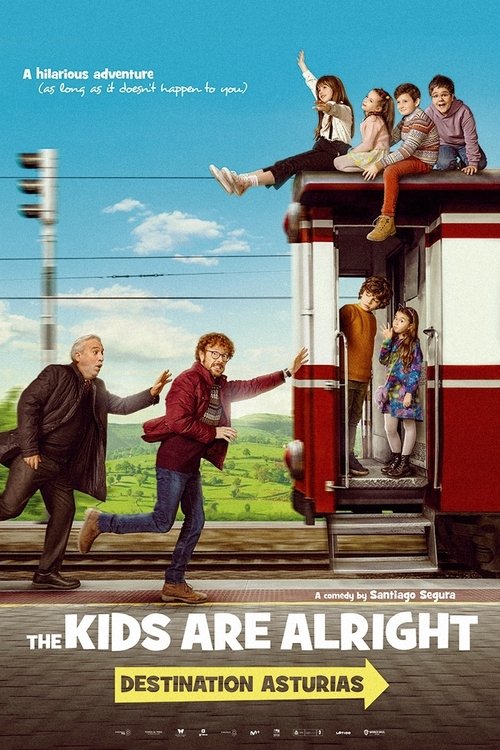
- 1979Quadrophenia film released; The Kids Are Alright documentary released Quadrophenia
- 1982The band announce their farewell tour -- the first of several
- 2006Endless Wire, first studio album in 24 years
- 2012Perform at the London Olympics closing ceremony
- 2019WHO released, the band's final studio album Whoosh!
More classic rock legends
For Fans of Led Zeppelin
Explore the For Fans of Led Zeppelin guide →I hope I die before I get old.My Generation, The Who, 1965