

What Wilkie Collins understood, and most imitators still underestimate, is that the real horror is paperwork. The Woman in White (1859) frightens not with ghosts but with legal instruments: a forged identity, a fraudulent marriage, a medical certificate that can lock a sane woman in an asylum. The sensation it produces is specific: a reader who cannot stop turning pages because the villain is winning on a technicality, and the heroes keep being one document short. If you love this book, what you are really chasing is that particular dread, the feeling that the social machinery has been quietly turned against the person it was supposed to protect, and that seeing clearly is not enough to stay safe.
On Screen: Adaptations and Kindred Films
The Woman in White adapted, and films that share its atmosphere






Series for the Long Game
Television that builds the same slow dread across episodes







Games That Make You the Detective in the Fog
Mystery and investigation games with Victorian dread or hidden-identity tension






The Real Subject Is Institutional Capture
The asylum scenes in The Woman in White are not horror decoration. They are Collins making a precise argument: the same legal system that cannot give Laura Fairlie agency over her own property can also strip her of her identity and lock her away on a man's signature. Readers who find these passages more disturbing than any ghost story are reading correctly. The supernatural is never needed when the ordinary machinery does this much damage.

A Short History of the Sensation Novel and Its Legacy
- 1859The Woman in White serialized in All the Year Round, pioneering the sensation genre The Woman in White
- 1862Lady Audley's Secret by Mary Elizabeth Braddon extends the formula to an anti-heroine who fights back
- 1868Collins publishes The Moonstone, widely credited as the first detective novel in English The Moonstone
- 1938Daphne du Maurier's Rebecca arrives as a 20th-century reinvention of the imperiled-woman-in-a-great-house novel
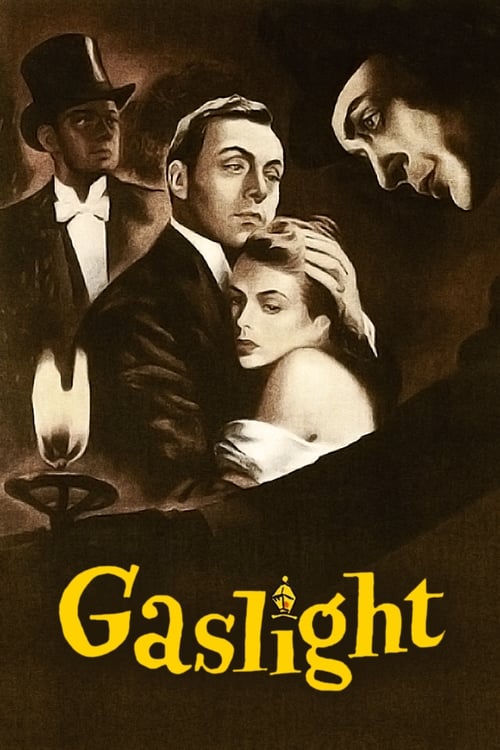
- 1944Gaslight (film) gives a name to coercive psychological manipulation that the sensation novel had anatomized for eighty years Gaslight
- 1997BBC serial adaptation of The Woman in White brings the novel to a new television audience
- 2002Fingersmith by Sarah Waters reimagines sensation fiction through a 21st-century lens
- 2018BBC returns with a new Woman in White adaptation; the Andrew Lloyd Webber musical runs in the West End
The first law of the sensation novel: the horror must come from somewhere the reader recognizes as real. A locked room, a forged name, a document signed under duress.CrossBinge Editors