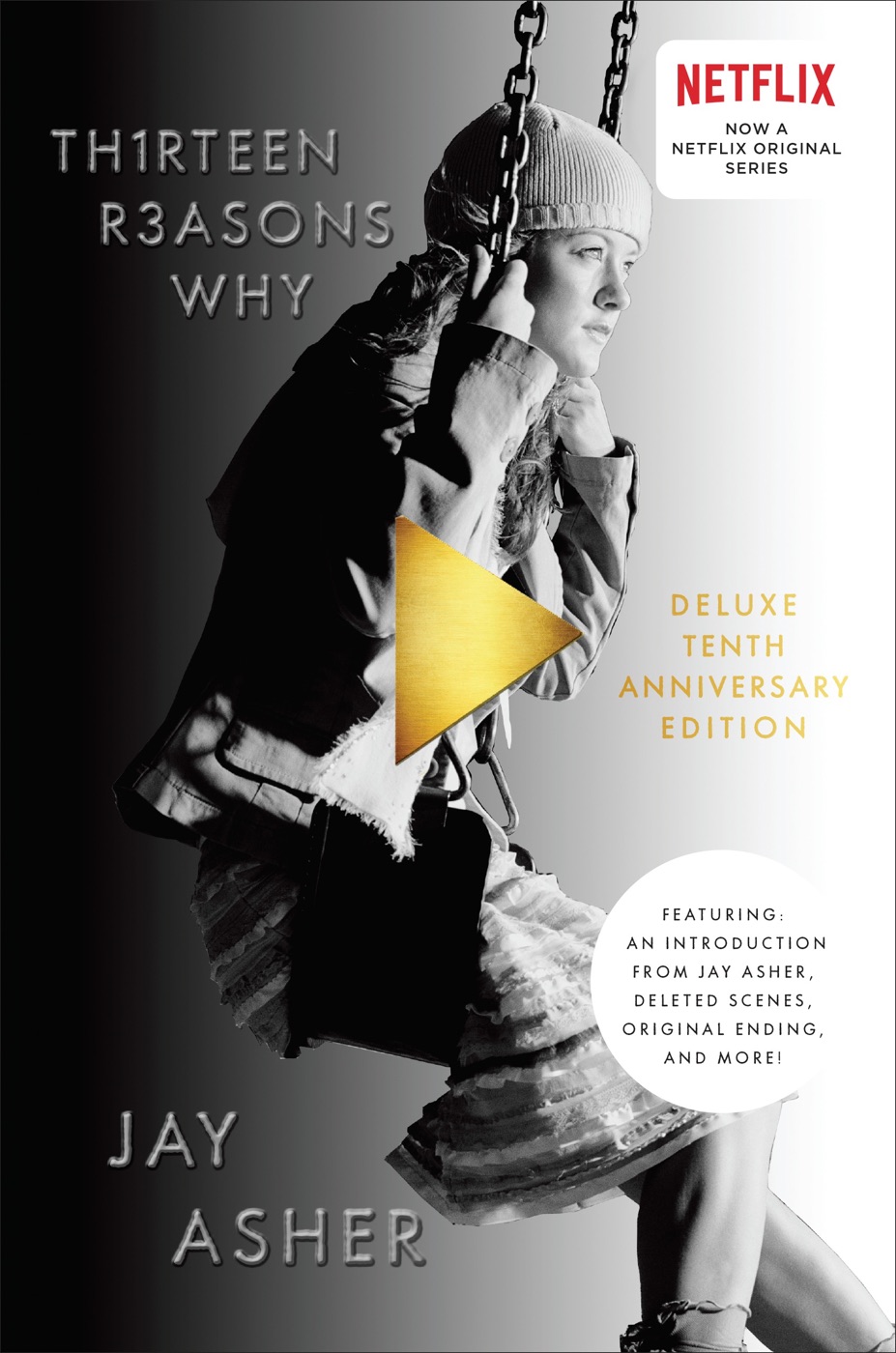

Jay Asher's 2007 novel handed a cassette tape to an entire generation and dared them to listen. Hannah Baker's thirteen recorded messages, delivered posthumously to the classmates who hurt her, cracked open the conversation around teen suicide, bullying, and the quiet damage of being ignored. What fans chase is not just the mystery structure (who gets the next tape?) but the emotional undertow: the way small cruelties accumulate, the way guilt reshapes how we remember the people we lost, and the way a teenage voice can speak plainly about things adults have spent decades struggling to name. The book is YA literary fiction operating at thriller pace, and once you have felt that particular combination, everything else you read or watch is quietly measured against it.
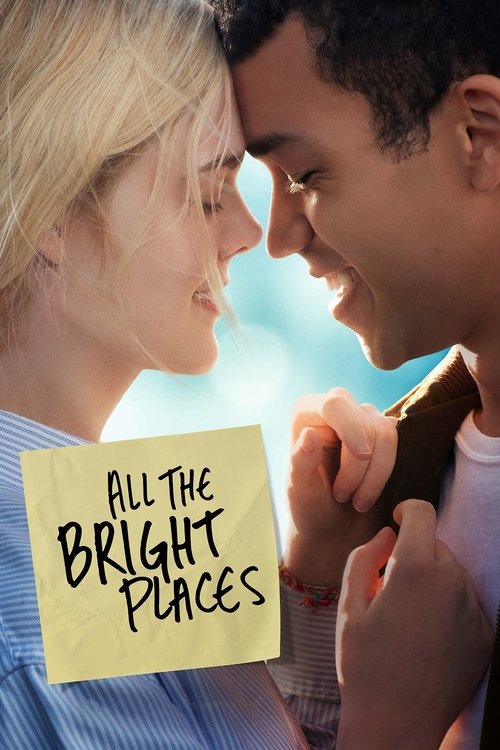
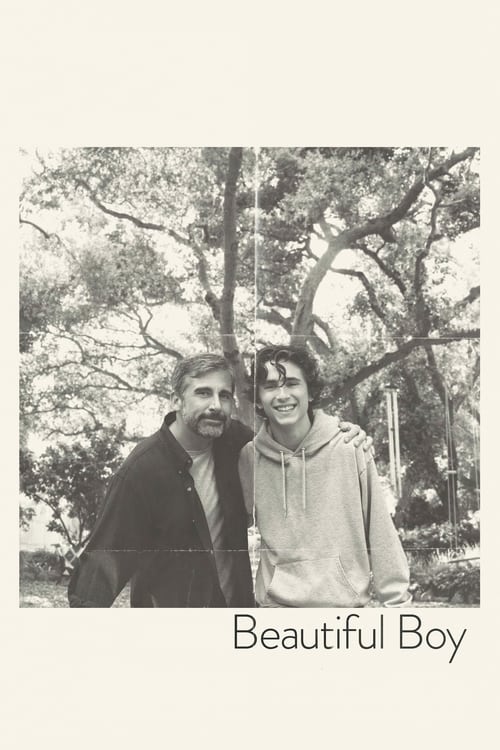
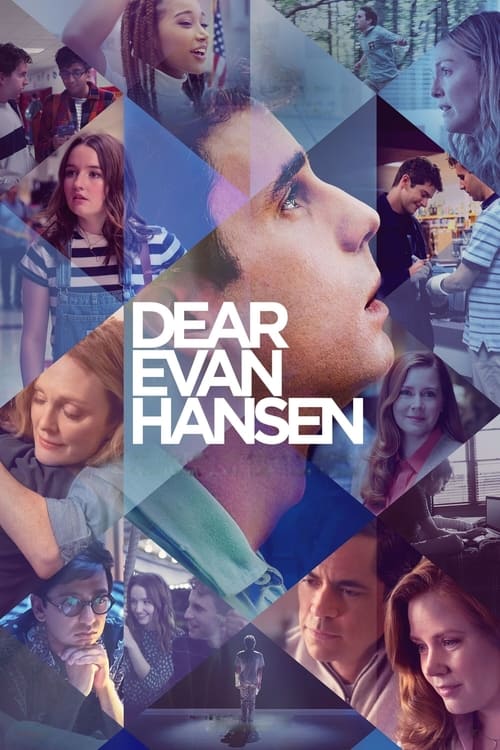
On Screen: Films That Hold Teen Pain Without Looking Away
Movies that treat adolescent anguish with the same unflinching honesty as the book.




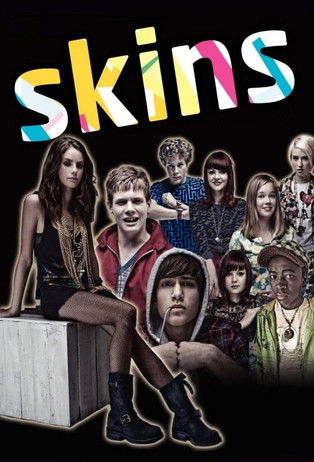
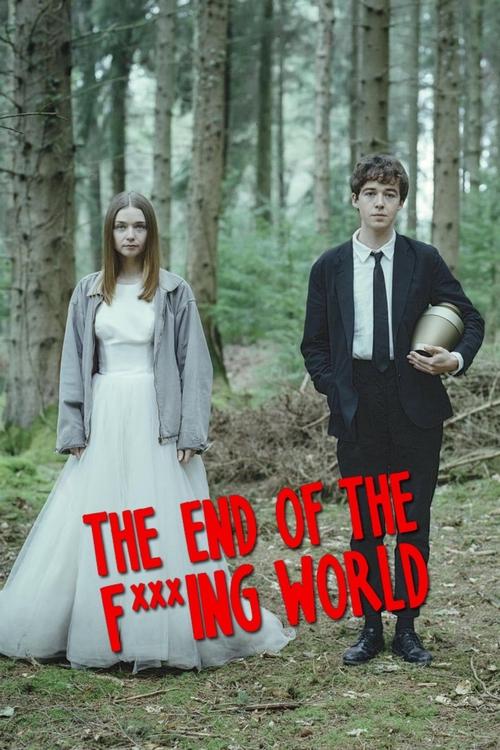
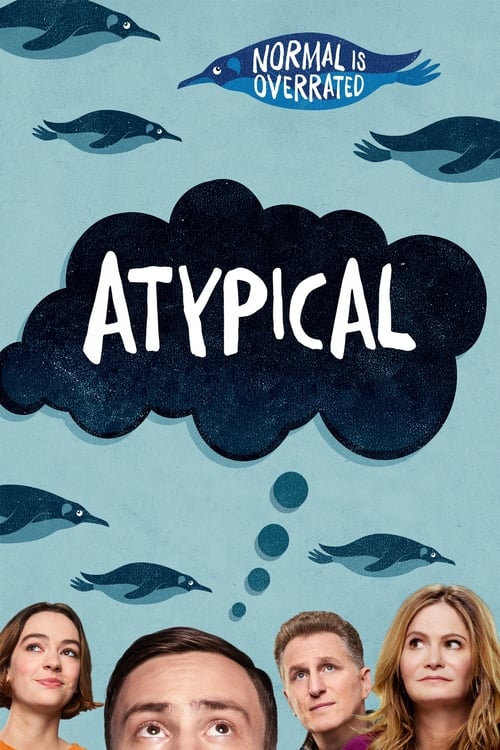
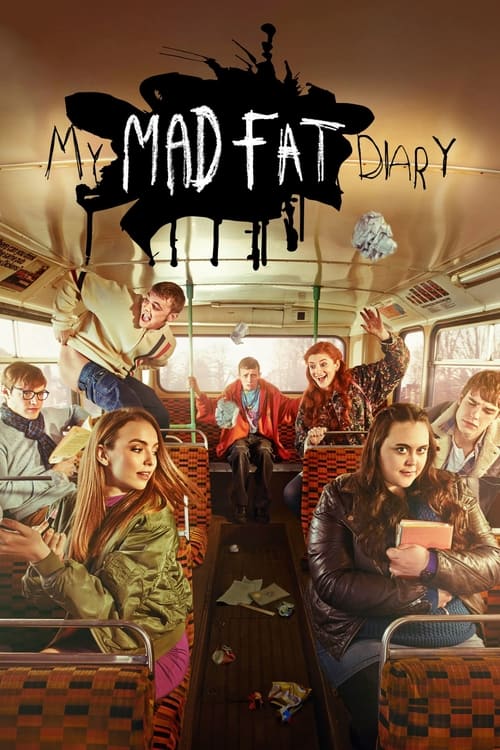
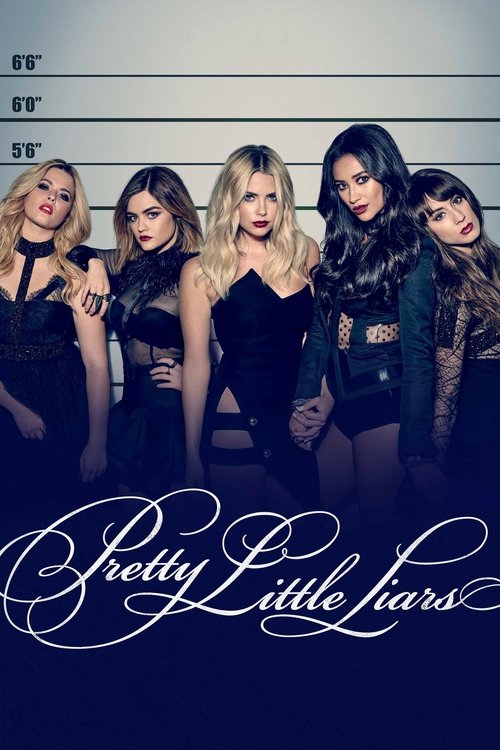
Series That Live Inside the Same High School Hell
Television that takes the social ecosystem of adolescence as seriously as the book does.


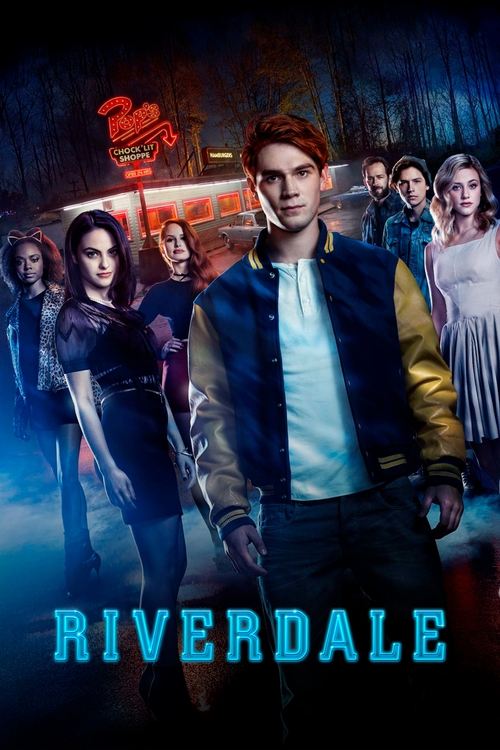

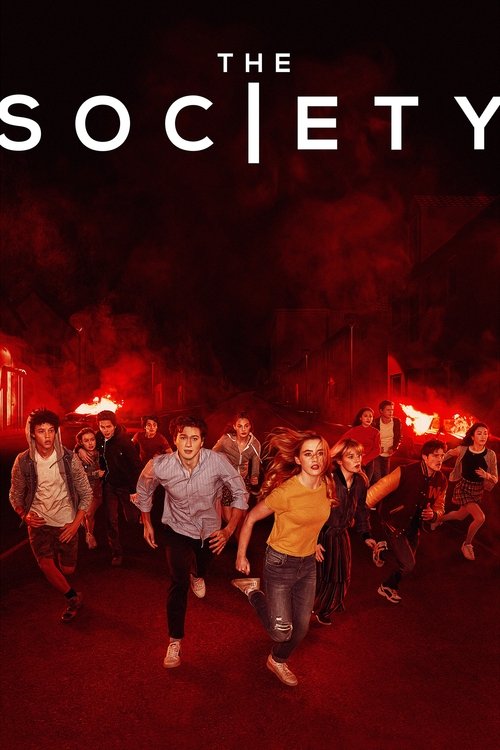
The Tape Structure Is the Point
Critics who call Thirteen Reasons Why exploitative miss what the cassette conceit actually does. Hannah's voice speaking from beyond the narrative present is not a gimmick; it is the formal embodiment of survivor guilt. Clay listens, we listen, and both of us are implicated. The countdown structure borrows from thriller pacing and puts it in service of grief, which is why the book works when so many issue-novels do not. The structure makes the reader complicit in a way that straight realism cannot.

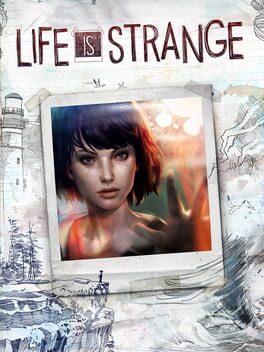
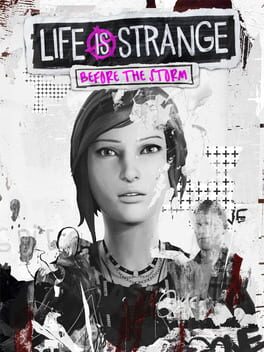
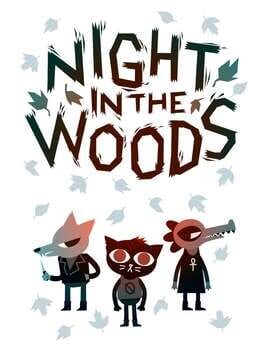
Games That Sit With Grief and Consequence
Narrative games where small choices accumulate and the weight of another person's wellbeing presses on every decision.





The Soundtrack of That Feeling
Music that captures the specific ache of being seventeen and misunderstood, or of sitting with grief you cannot explain.
Clay Jensen Is Not the Hero You Think He Is
A common first read casts Clay as the innocent bystander, the good kid wrongly entangled. But the book is more precise than that. Clay avoided Hannah; he held back out of fear of rejection and called it consideration. Asher is careful to show that passivity is its own kind of harm. The most honest reading of the novel is that everyone on the tapes, Clay included, chose comfort over connection at the moments that mattered most. That is what makes it sting rather than lecture.
Thirteen Reasons Why: From Manuscript to Cultural Flashpoint
- 2007Jay Asher publishes Thirteen Reasons Why; it debuts on the New York Times bestseller list within months. Thirteen reasons why
- 2011The novel reaches 1 million copies sold in the US; becomes a staple of school reading lists and the subject of its first waves of library challenges.
- 2015Selena Gomez announces she will produce a Netflix adaptation of the book she had loved as a teenager.
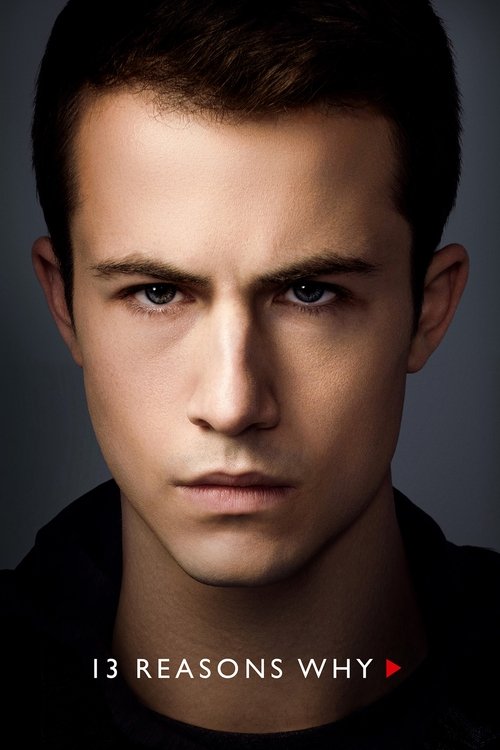
- 2017Netflix releases 13 Reasons Why; it becomes the most-tweeted-about show of the year and ignites the most sustained public debate about YA content and mental health responsibility in the streaming era. 13 Reasons Why
- 2018Season 2 airs; professional mental health organizations publish joint guidance on the series; Netflix adds content warnings and removes a key scene from Season 1.
- 2019Season 3 reframes the narrative as a murder mystery; critical response is divided.
- 2020Season 4 concludes the series; Netflix ends the run after four seasons.
- 2022Fifteen years after publication, the novel remains one of the top-10 most challenged books in American libraries, a distinction that reflects both its reach and its willingness to name difficult things.
The Controversy Made It More Necessary, Not Less
Every attempt to ban or restrict Thirteen Reasons Why has underlined why it exists. The argument that the book is too explicit about suicide ignores the research showing that teenagers who feel most at risk are also most likely to be silenced by sanitized portrayals. Asher and the Netflix showrunners made choices that can be debated on craft grounds; the impulse to keep the subject painful and present was sound. Fiction that makes adults uncomfortable about the interior lives of teenagers is doing its job.
You can't go back to how things were. How you thought they were. All you really have is now.Jay Asher, Thirteen Reasons Why
Life Is Strange Did What the Show Struggled to Do
Where the Netflix series expanded outward into legal procedurals and mystery plots, Life Is Strange contracted inward into exactly the thing the book is about: one teenager carrying the full weight of how badly she and everyone around her treated each other. Max rewinding time to fix Chloe's grief is structurally the same impulse as Clay listening to the tapes, except the game makes you feel the futility of that impulse rather than dramatizing it from the outside. If the show left you cold after Season 1, play Life Is Strange instead.