
Bjork released Vespertine in 2001 as an act of radical inwardness. Where Homogenic aimed outward with volcanic string arrangements and tribal beats, Vespertine retreated into the domestic: the creak of floorboards, the hiss of snow, the sound of a heartbeat amplified until it becomes orchestral. Matthew Herbert's micro-samples of everyday objects (a deck of cards, a zipper) were threaded alongside the Brodsky Quartet and an Icelandic choir to create music that felt both microscopic and cosmic. Fans of this album are chasing a specific feeling: the discovery that the interior world, properly attended to, is as vast and strange as any landscape. They want art that is quiet but not timid, intimate but not small, unconventional but grounded in genuine emotion.
Essential Bjork
The albums that map the full arc of her vision, from post-punk to chamber electronica to experimental vocal works
Same Interior Territory: Albums That Share the Frequency
Records built from silence, texture, and the feeling that small sounds contain entire worlds
Medulla Is the Braver Record, But Vespertine Is the One You Return To
Medulla stripped everything back to the human voice and is technically more radical. But Vespertine is the album that burrows into you. Its emotional architecture (the slow build toward Harm of Will, the devastated patience of Unison) gives you somewhere to live inside it. Radicalism and home are not always the same place. Bjork found a way to make them converge on this record, and that is rarer than novelty.
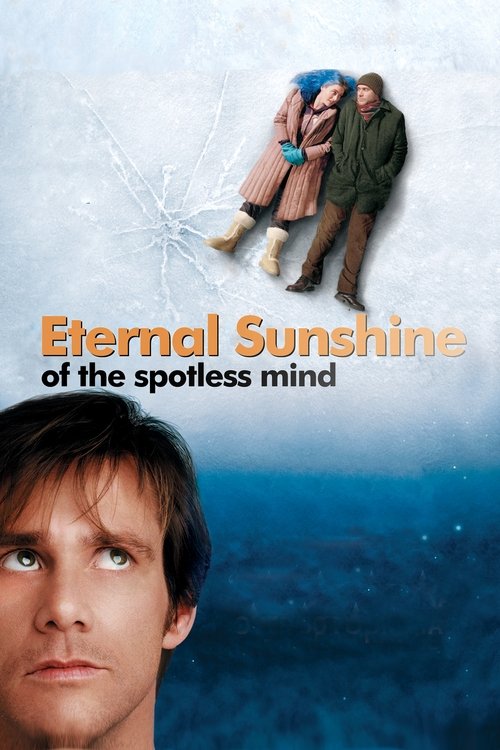
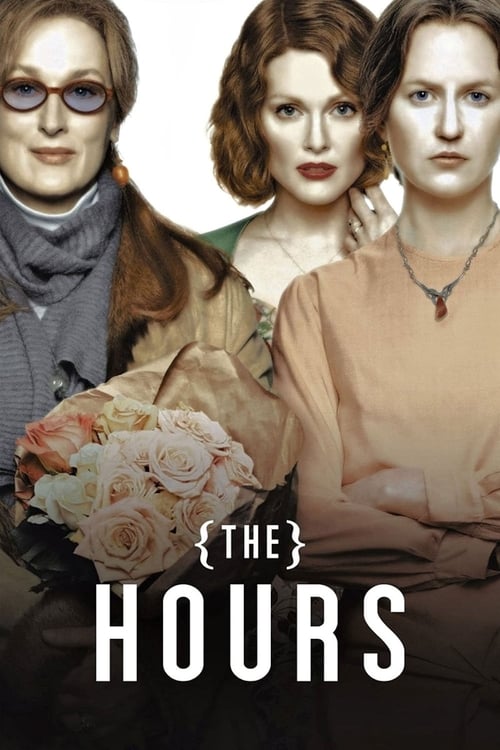
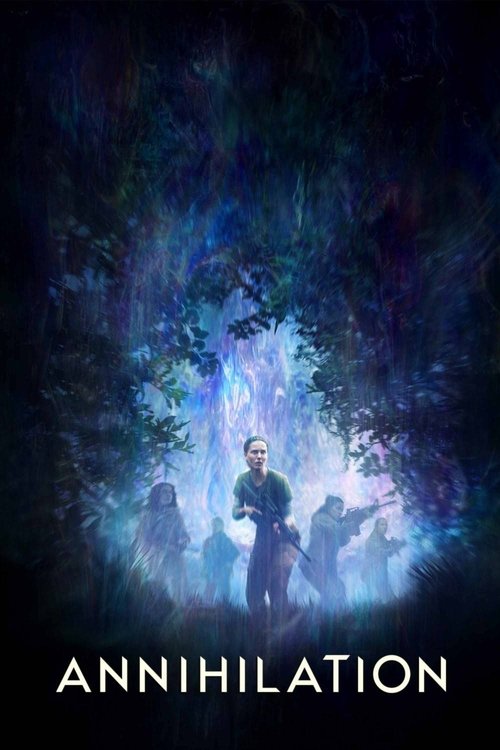
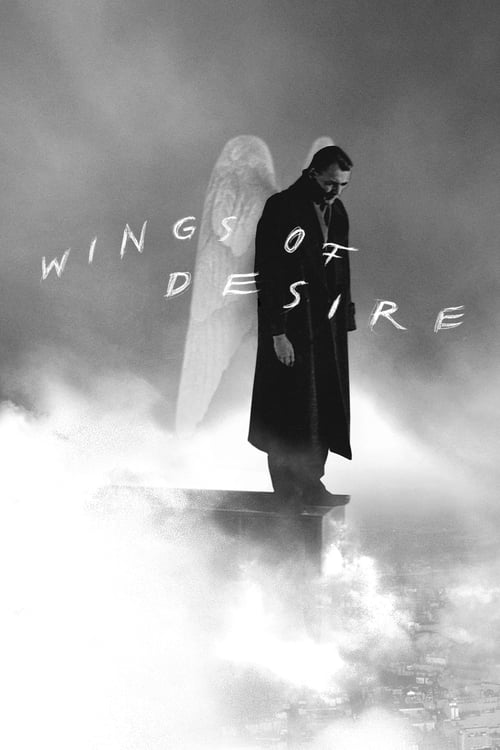
Films With the Same Inner Weather
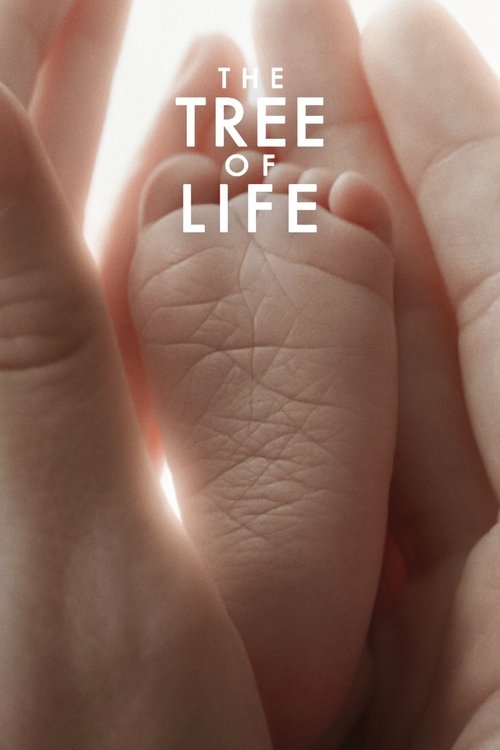
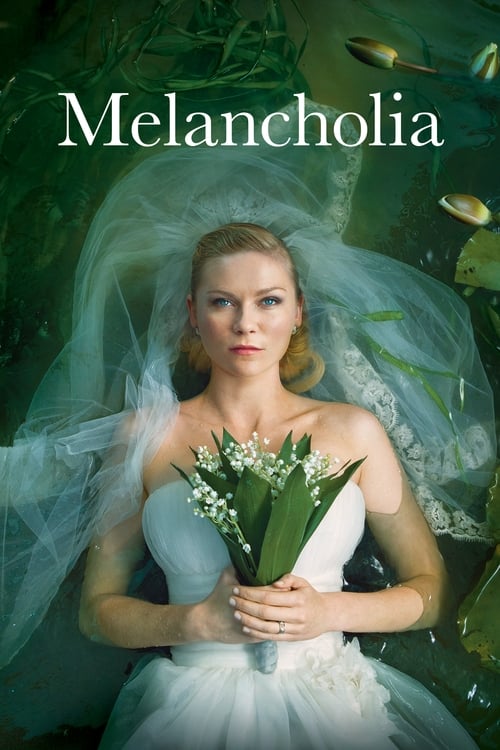
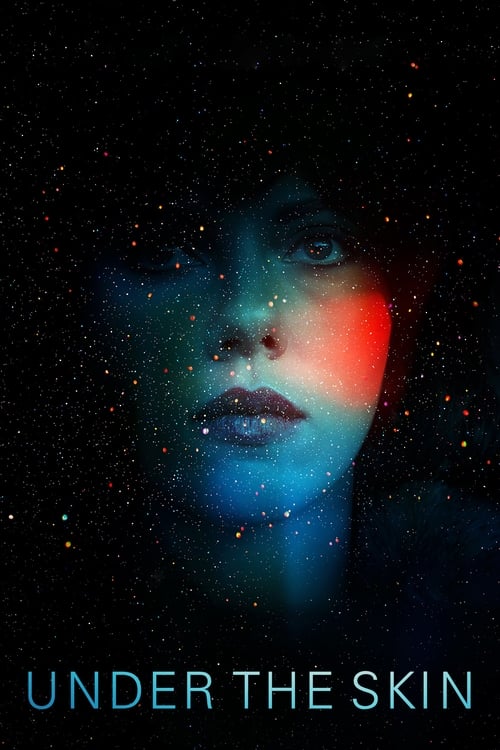
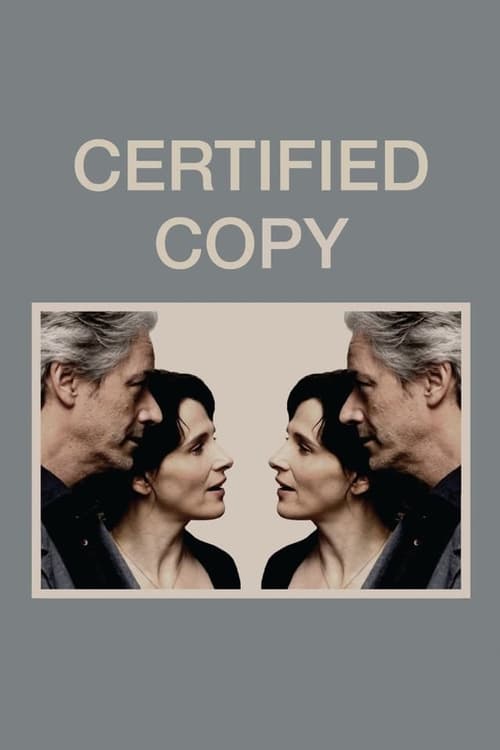
Cinema that operates at low volume but high emotional pressure: slow, textured, quietly devastating


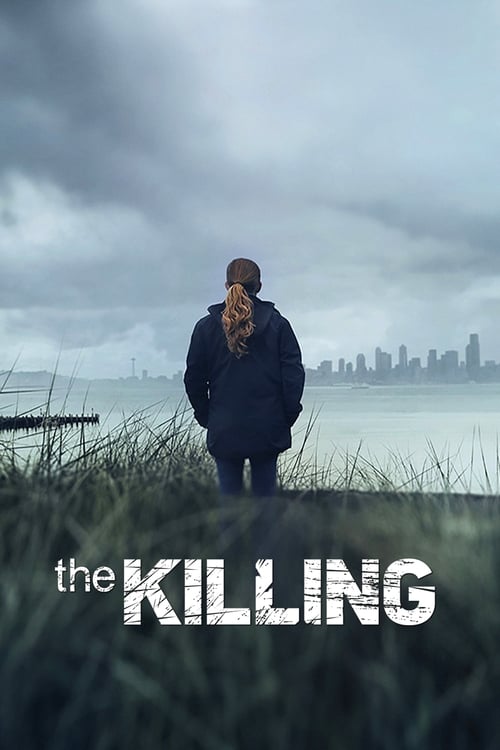
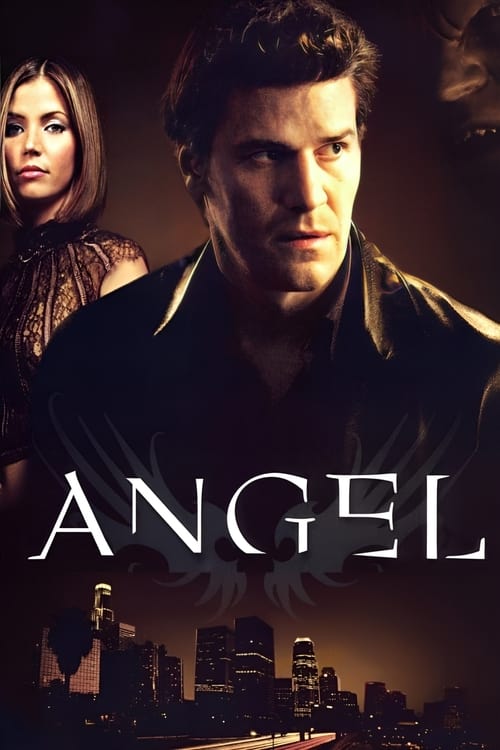
TV That Lives in the Same Slow-Burn Emotional Register
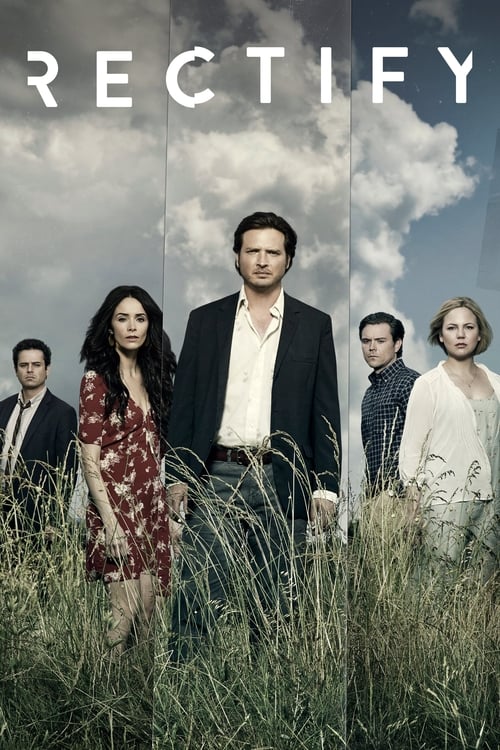
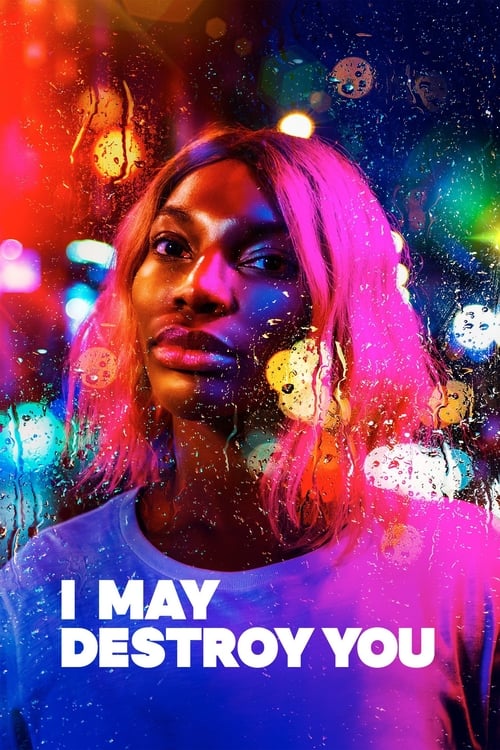
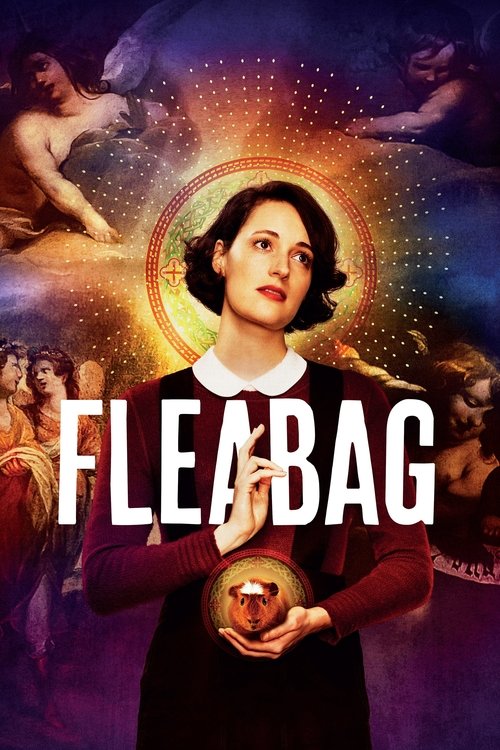
Series that reward patience, use quiet as a dramatic tool, and trust you to feel your way through them



Books That Hear Silence the Same Way
Novels and collections where interiority is the real landscape and language works like music


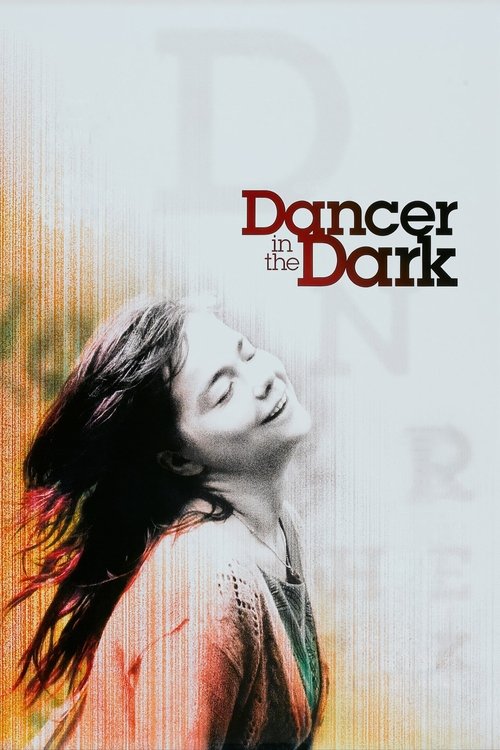
Dancer in the Dark Is the Film Vespertine Fans Were Meant to Find
Lars von Trier cast Bjork because he heard in her voice something cinema rarely captures: grief that does not perform itself. The film is punishing and deliberately difficult. But its musical sequences, where Selma transforms industrial noise into joy, are the closest any screen work has come to the emotional logic of Vespertine: the ordinary world, when listened to closely enough, becomes song. Bjork herself found the production traumatic and has said she will never act again, which makes the performance feel even more singular.
Bjork: A Timeline of Transformation
- 1977Born in Reykjavik; releases a self-titled Icelandic folk album at age eleven
- 1986The Sugarcubes form; alternative rock from Iceland reaches a global audience
- 1993Solo debut breaks into international pop while remaining deliberately strange Debut
- 1995Post expands her sonic palette to include big band, trip-hop and industrial textures Post
- 1997Homogenic fuses volcanic strings with programmed beats in a landmark studio statement Homogenic
- 2000Lars von Trier's Dancer in the Dark wins the Palme d'Or at Cannes; Bjork wins Best Actress Dancer in the Dark
- 2001Vespertine arrives: micro-samples, harps, choir, and the quietest music of her career Vespertine
- 2004Medulla strips the sound back to nearly pure voice
- 2011Biophilia, a multimedia album released alongside an app ecosystem, leads a MoMA retrospective Biophilia
- 2015Vulnicura processes the end of a long relationship through Arca's electronic production Vulnicura
- 2017Utopia imagines a feminist utopia alongside producer Arca Utopia
I want to go on an emotional journey. Not a journey that is assigned to me by someone else, but one that I discover myself.Bjork