

What Jules Verne understood, and what no one had quite managed before 1870, is that the deep ocean is not empty space but a crowded, hostile, beautiful world that operates entirely without human permission. Vingt mille lieues sous les mers (Twenty Thousand Leagues Under the Sea) follows Professor Aronnax, his manservant Conseil, and harpooner Ned Land as prisoners aboard the Nautilus, the submarine of the enigmatic Captain Nemo. The book's real engine is not adventure plot but atmosphere: the sense of moving through a realm where human civilization is irrelevant, where beauty and annihilation live side by side, and where one extraordinary, self-exiled man has built a kingdom entirely on his own terms. Fans of this novel tend to be chasing a specific feeling: the vertigo of sublime scale, a morally complicated genius at the controls, and the conviction that the unknown is still out there, just below the surface.
On Screen: adaptations and kindred films
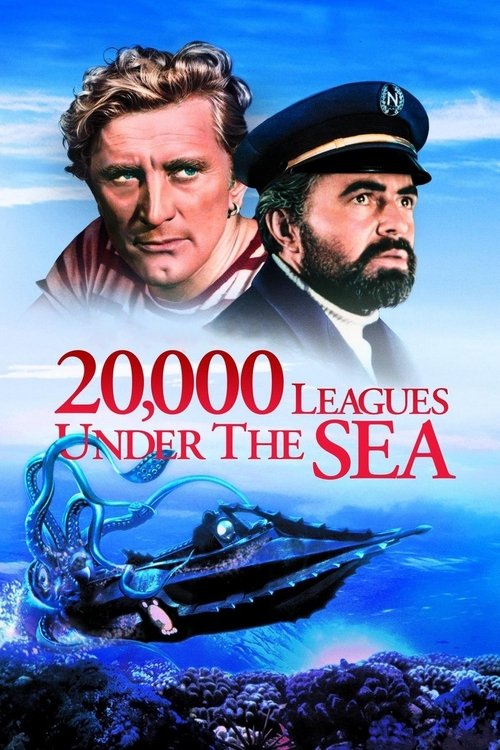
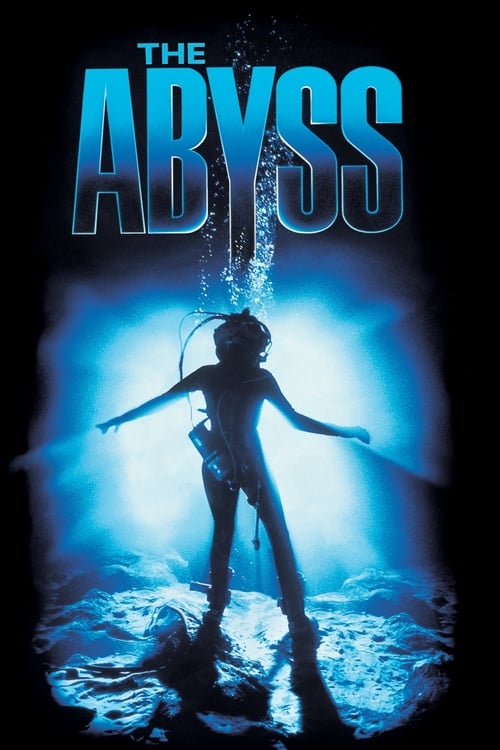
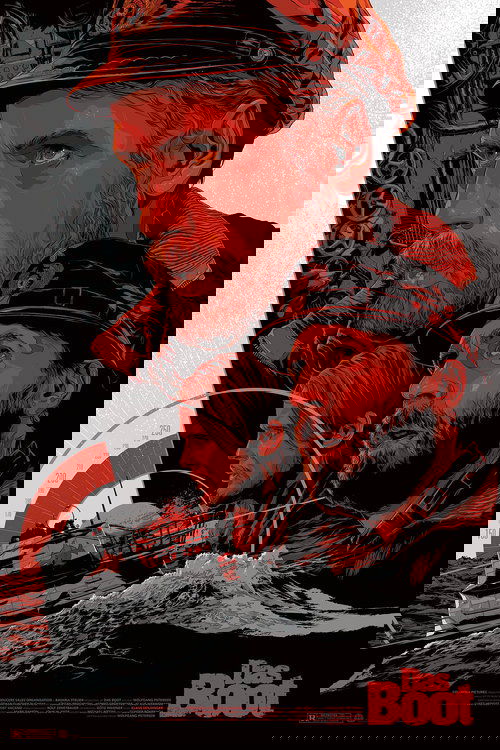
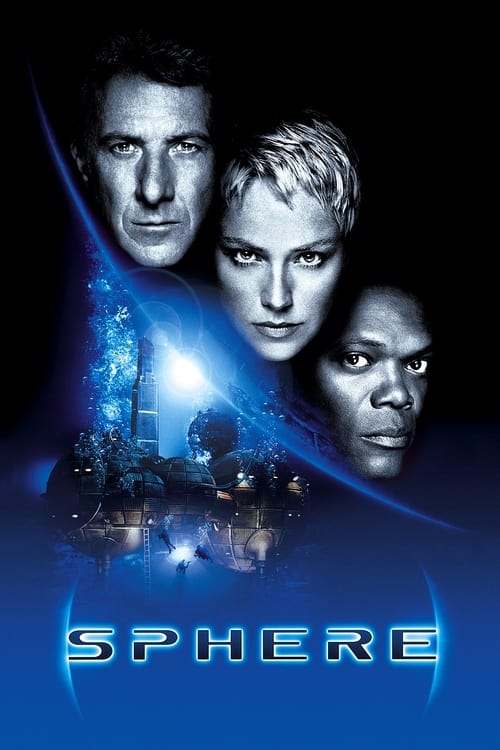
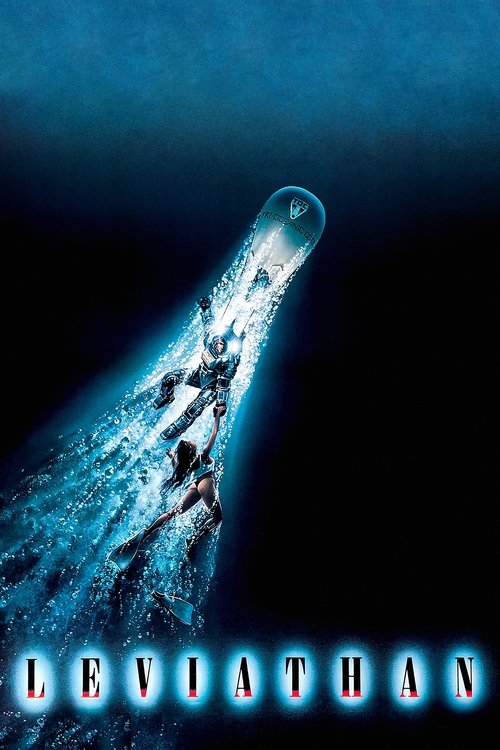
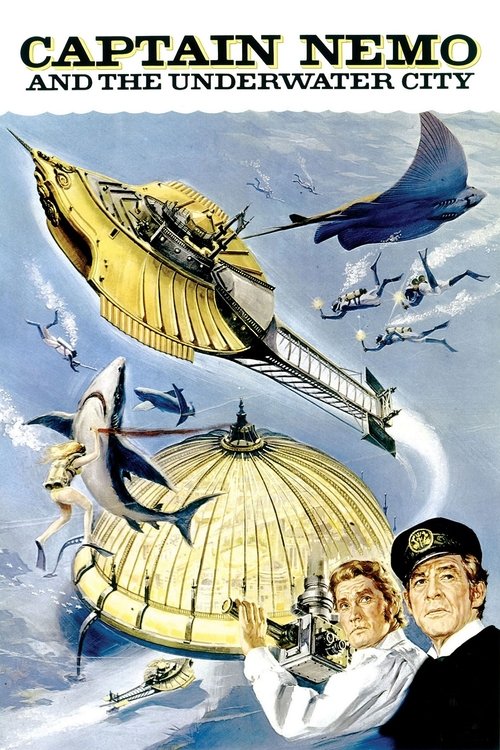
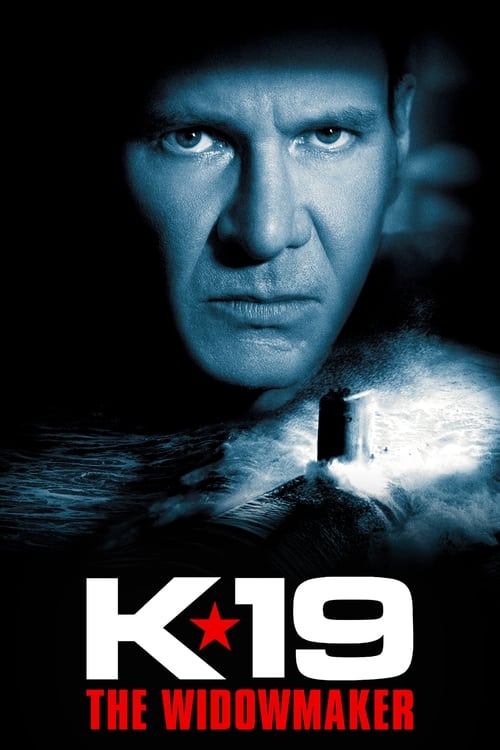
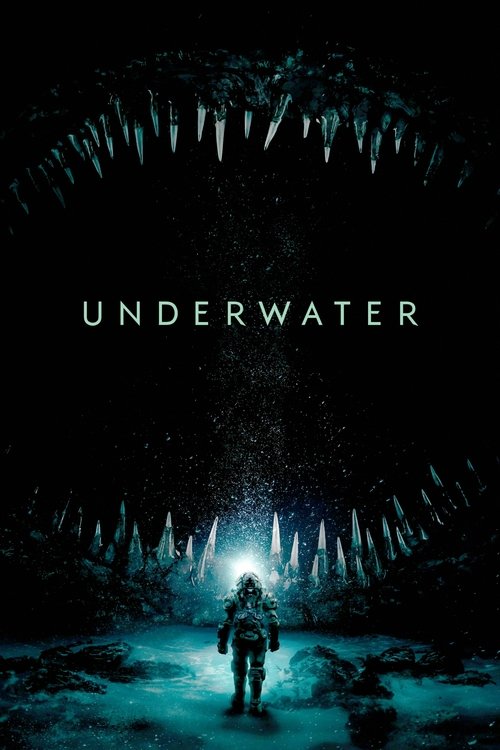
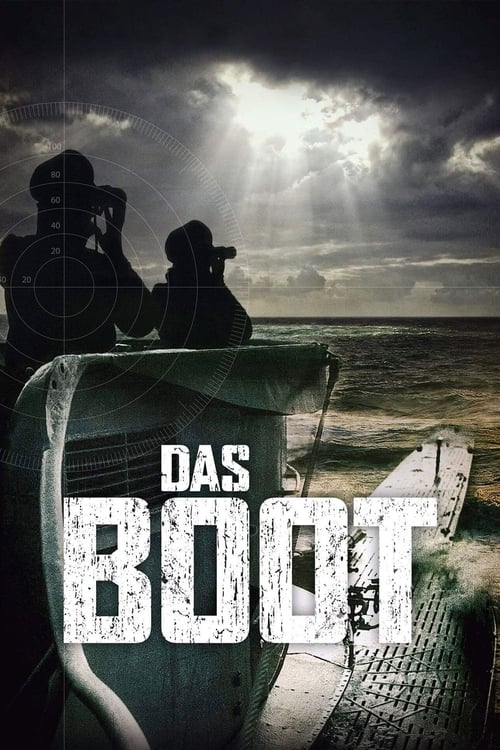
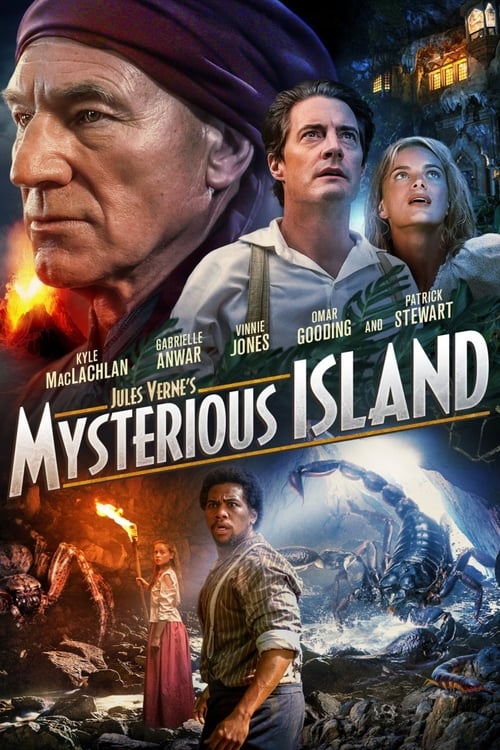
Films that capture the Nautilus atmosphere: the sealed vessel, the obsessive commander, the sublime and deadly world outside the porthole.


Sealed Worlds on Television
Series that sustain the claustrophobia, the wonder, and the moral weight of life inside a vessel cut off from the ordinary world.



Depths and Discovery: games that put you in the deep
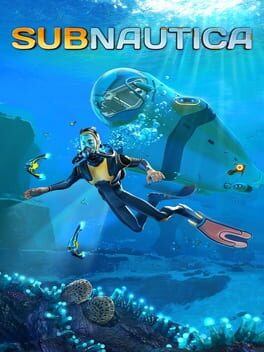
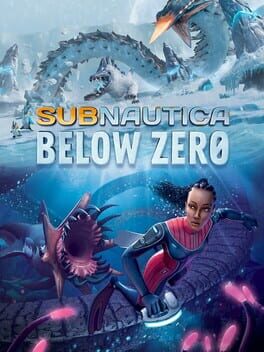
Games where the environment is alien, resources are finite, and the world outside the hull is both gorgeous and lethal.
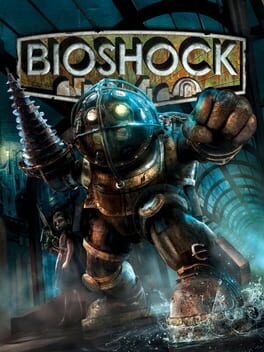

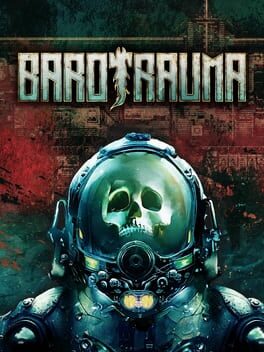


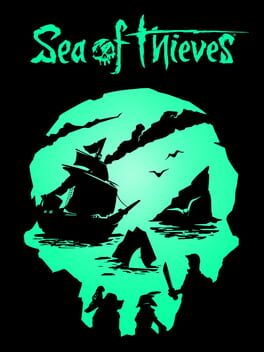
Captain Nemo is the template for every ambiguous genius villain
Before Nemo, fiction's great antagonists tended to be straightforwardly evil. Verne gave us something harder to categorize: a man of extraordinary intellect who has suffered genuine injustice and responded by withdrawing from humanity entirely, not into weakness but into sovereign power. The Nautilus is his proof of concept. Every morally complicated mastermind who followed, from Ahab to the Operative to Andrew Ryan, owes something to Nemo's particular combination of wounded idealism and terrifying capability.
The Nautilus anticipates the submarine film as a distinct genre
The claustrophobic interior, the hierarchical crew under a commanding personality, the external threat that cannot be fought conventionally, the constant pressure of the environment outside: these are the structural bones of every great submarine film. Das Boot, The Hunt for Red October, K-19, even U-571 all run on the same dramatic architecture that Verne worked out in prose. The genre did not invent those tensions; it inherited them.
A century and a half of the Nautilus in culture
- 1869Verne serializes the novel in the Magasin d'Education et de Recreation before book publication in 1870. Vingt mille lieues sous les mers
- 1954Disney produces the defining film adaptation, with James Mason as Nemo and Kirk Douglas as Ned Land. 20,000 Leagues Under the Sea
- 1966The Nautilus enters pop culture as the vehicle for Camp and retro-futurism in the British series.
- 1988James Cameron's underwater siege film channels the Verne atmosphere of hostile depth and isolated crew. The Abyss
- 1993NBC's aquatic sci-fi series brings the Verne spirit to network television for a new generation. seaQuest DSV
- 1997A new Nemo cycle in family animation popularizes the underwater world for global audiences. Atlantis: The Lost Empire
- 2007BioShock translates Nemo's underwater sovereign city into an interactive experience of genius, ideology, and collapse. BioShock
- 2012Dan Simmons's arctic horror novel revives the sealed-vessel dread that Verne pioneered.
- 2018Subnautica establishes the deep-ocean survival game as a genre, directly indebted to Verne's alien-ocean vision. Subnautica
The sea is everything. It covers seven tenths of the terrestrial globe. Its breath is pure and healthy. It is an immense desert, where man is never lonely, for he feels life stirring on all sides.Captain Nemo, Vingt mille lieues sous les mers (Jules Verne, 1870)