
War arrived in 1969 out of Long Beach, California, a multiracial collective who played Latin percussion, harmonica, bass, and electric keyboard like they were one organism. Where other funk bands punched, War sprawled: their songs ran seven, ten, sometimes twelve minutes, built on locked grooves that let the melody breathe and the improvisation stretch. Albums like "The World Is a Ghetto" and "All Day Music" captured something journalists struggled to name, a sound that was Black, Brown, and everything between, equal parts street report and dance floor invitation. The fans who find War tend to stay loyal because the pleasure is specific: not a single hook in four minutes, but a groove that pulls you deeper the longer it runs. That patience, that density of texture, is what this guide chases across every medium.
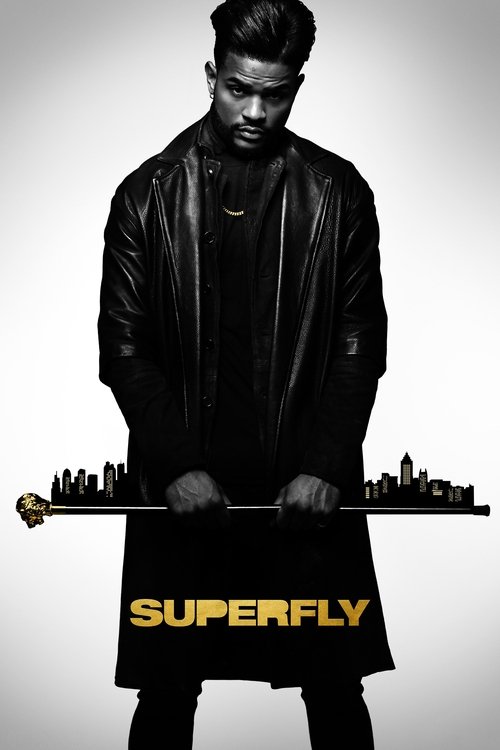
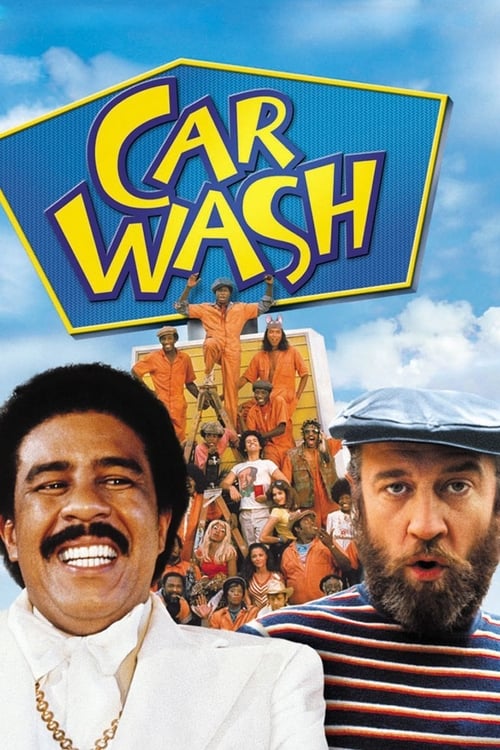
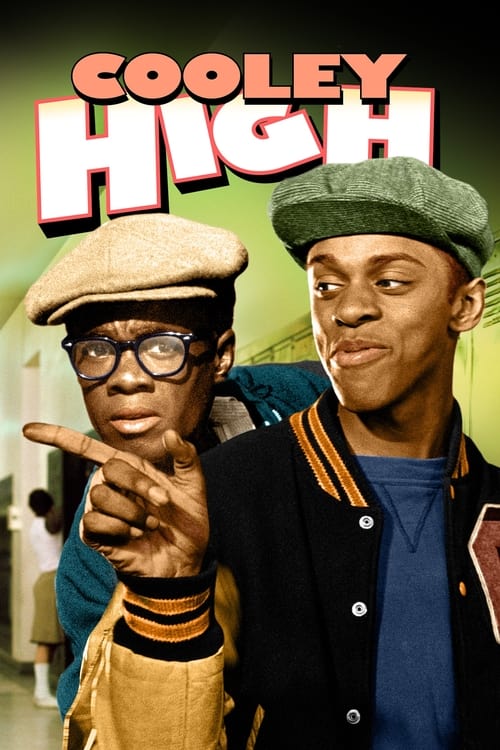
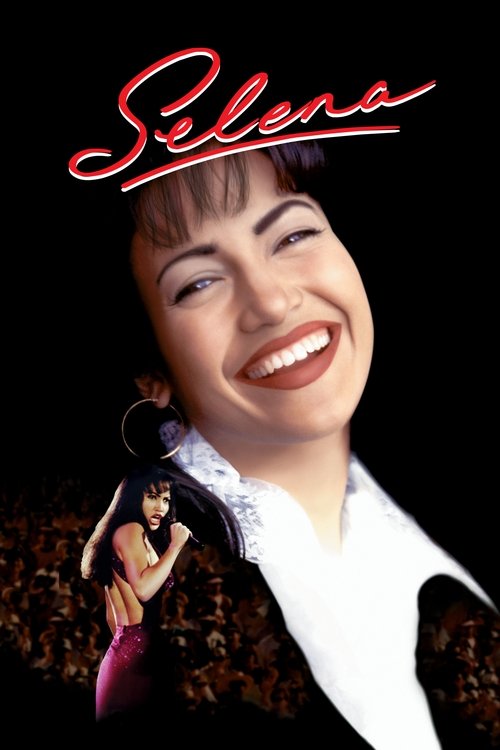
The Soundtrack Runs Through It: Films With That Energy
Movies soaked in 1970s street culture, Latin soul, or the slow-burn tension War made musical.

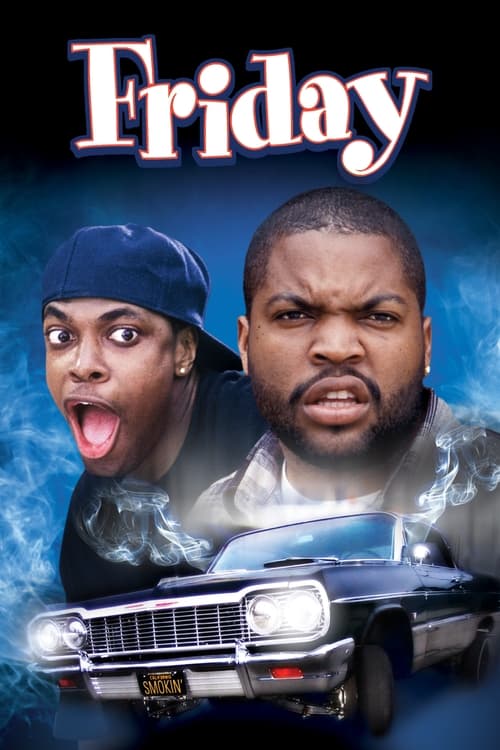

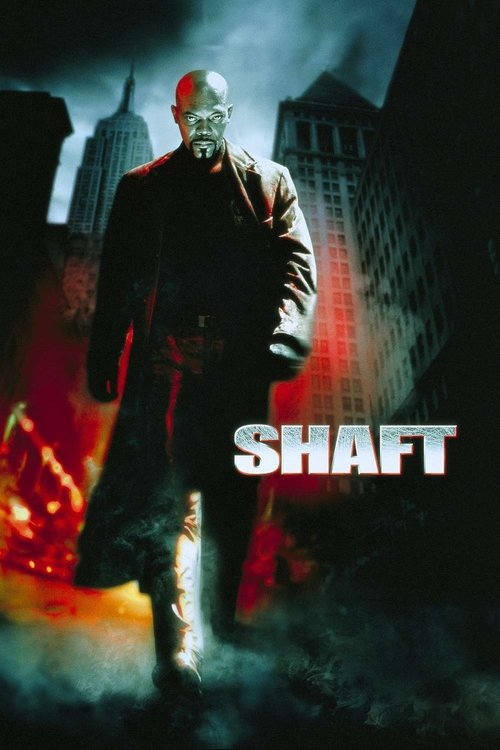
On Screen, Long After Midnight: TV That Lives in the Same World
Series set in or shaped by the urban West Coast and multicultural neighborhood life War scored.
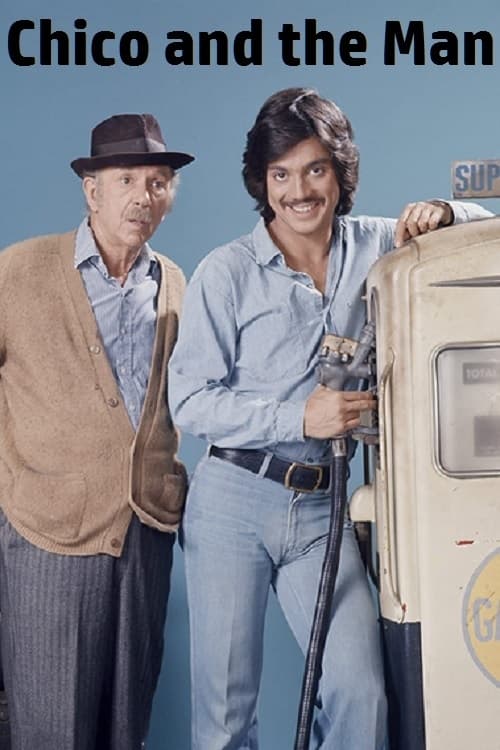
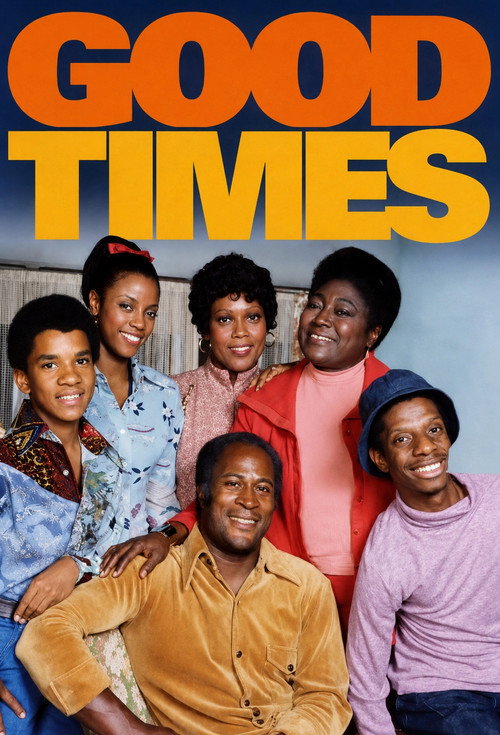



War: A Life in Grooves
- 1969Formed in Long Beach, CA after Eric Burdon recruited Night Shift to back him on tour
- 1970Debut album with Eric Burdon released
- 1971First standalone album establishes the sound
- 1972Deliver the Word cements the live-band groove approach
- 1972The World Is a Ghetto tops the Billboard 200 for two weeks
- 1975Why Can't We Be Friends? becomes an anthem for desegregation-era America
- 1976Summer transitions toward disco crossover
- 1977Platinum Jazz experiments with instrumental fusion
- 1994Low Rider and The Cisco Kid reenter pop consciousness via film soundtracks and hip-hop sampling
- 2005Inducted into the Rock and Roll Hall of Fame ballot; catalog revived by a new generation of producers
We wanted to make music that sounded like everybody in the neighborhood, not just one kind of people.Howard Scott, guitarist, War
The Story Behind the Sound: Music Documentaries
Films that capture the culture, politics, and scene from which War emerged.
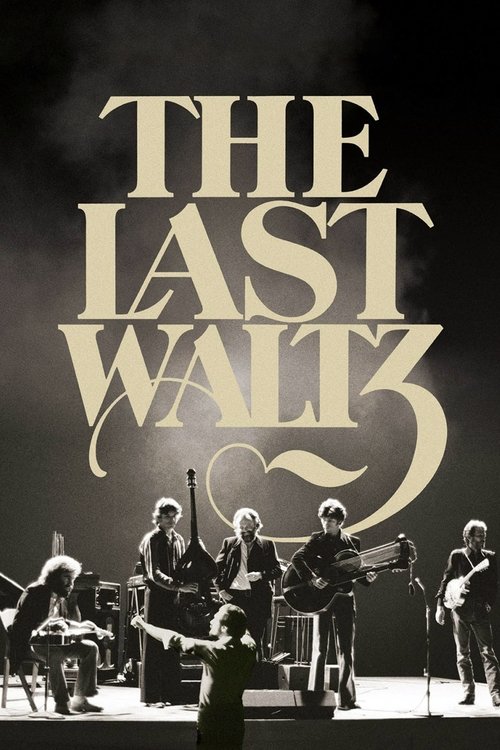
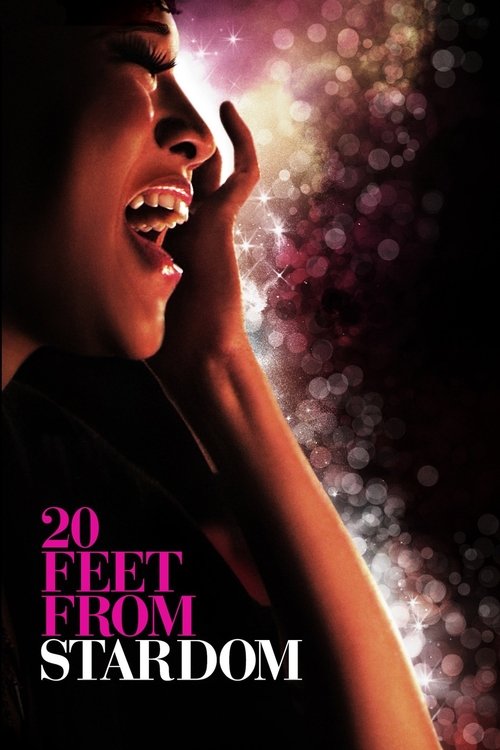
Hip-hop's debt to War is larger than the sample clearances suggest
"Low Rider," "Slippin' Into Darkness," "The World Is a Ghetto," and "Cisco Kid" have been sampled across hundreds of records spanning four decades. The harmonica tone, the clave-locked percussion, and the long instrumental passages gave producers raw material that was rhythmically precise and emotionally open at the same time: exactly what you want when you are building a new track on top of old architecture. Cypress Hill, Ice Cube, and De La Soul all drew on the catalog; the lineage is direct.