
Pink Floyd's Wish You Were Here (1975) is an album about loss that doesn't announce itself as grief. It circles the dissolution of Syd Barrett, the man who started the band and then vanished into himself, but it also circles something harder to name: the feeling that fame and industry had replaced something true with something hollow. Roger Waters wrote those songs in the middle of commercial success, and they sound like it. The music is vast, unhurried, and suffused with a peculiar ache, the sound of people who have everything wondering where the real thing went. Fans of this record are chasing a particular sensation: long-form music that treats melancholy as a form of beauty, that prizes atmosphere over hooks, and that carries a philosophical weight without ever becoming pretentious. This guide follows that thread across albums, films, books, and television.
Essential Pink Floyd
The full arc, from psychedelic beginnings to the long shadow of the Wall
Same Sky, Different Sound
Albums that share the spacious melancholy and philosophical weight of Wish You Were Here
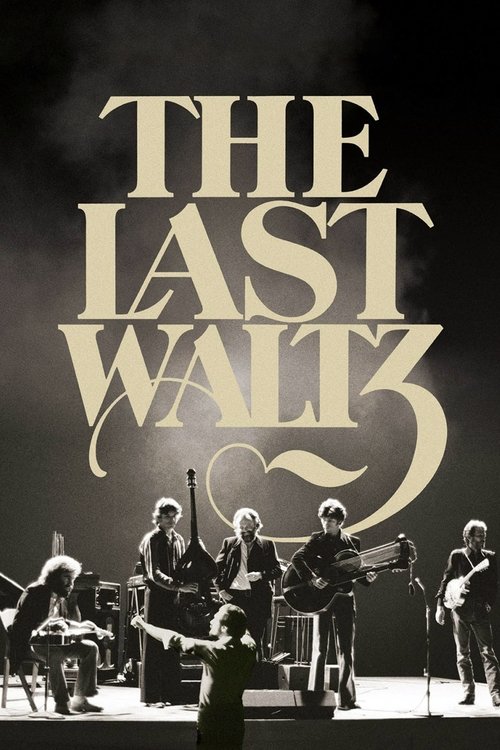
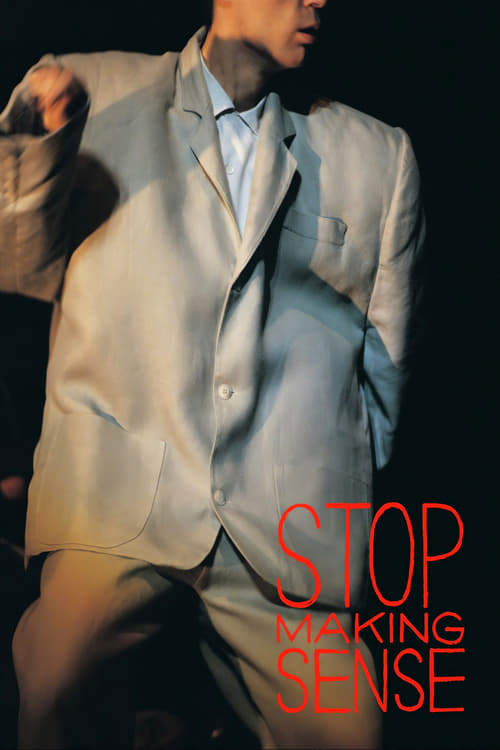
Music on Film: Documentaries and Concert Films
The real stories behind the records, and the stage as its own kind of art




Biopics and Music Dramas Worth Your Time
Films that take the inner life of musicians seriously



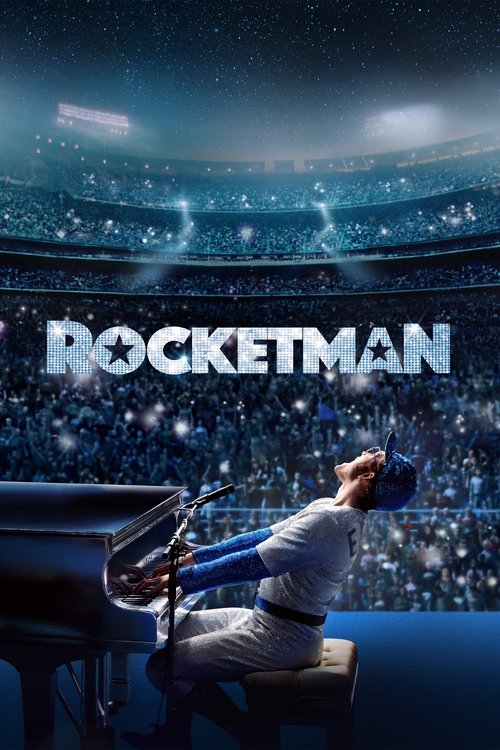
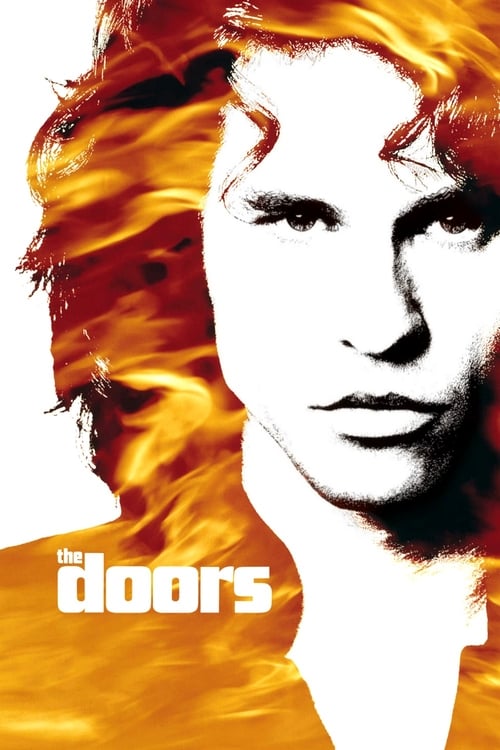
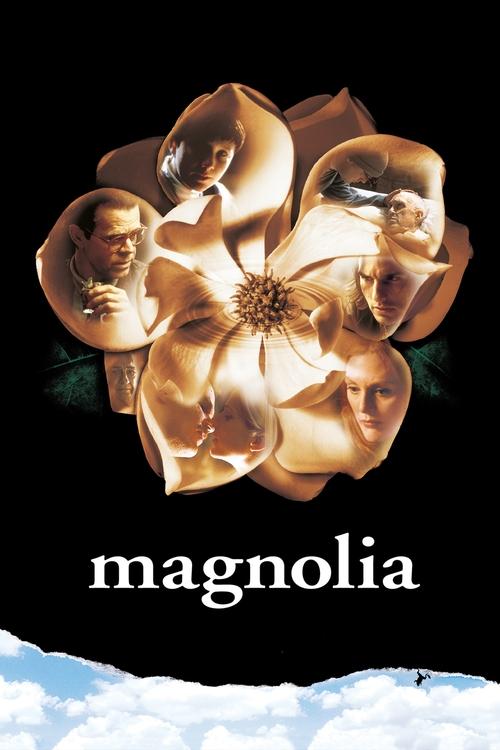
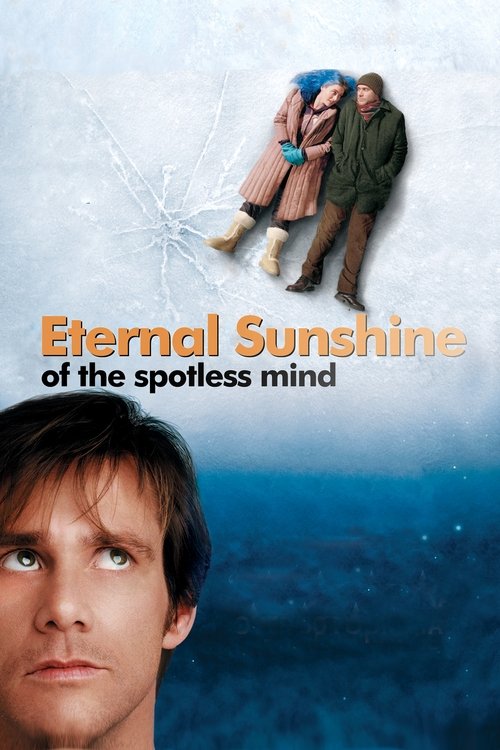
Films and Series with the Same Register
The mood of late-night introspection, creative alienation, and quiet devastation



Books That Carry the Same Weight
Fiction and memoir for readers who want the long, searching kind of story



Pink Floyd: A Timeline of the Wish You Were Here Era
- 1967Syd Barrett leads the band to its debut. His disintegration begins almost immediately. The Piper at the Gates of Dawn
- 1968Barrett leaves the band. Waters, Gilmour, Mason, and Wright carry on.
- 1971The suite-length 'Echoes' signals the band's future: vast, patient, oceanic. Meddle
- 1973The record that changes everything. A worldwide phenomenon built from mortality and madness. The Dark Side of the Moon
- 1975Wish You Were Here is recorded. Syd Barrett visits the studio unrecognized by his former bandmates. Wish You Were Here
- 1977Waters turns the band's politics outward. The alienation becomes accusatory. Animals
- 1979The Wall. A double album and eventual film about a rock star's self-imposed isolation. The Wall
- 1982Alan Parker adapts The Wall for the screen, with Gerald Scarfe's animation. The Wall
- 2006Syd Barrett dies. The absence that shaped the band's best work becomes permanent.
Did you exchange a walk-on part in the war for a lead role in a cage?Wish You Were Here, Pink Floyd (1975)
Shine On You Crazy Diamond is the greatest elegy in rock
Most elegies in rock are three minutes long and wear their grief openly. 'Shine On You Crazy Diamond' runs to 26 minutes across two parts, frames its subject without ever naming him plainly, and builds its emotional peak from a saxophone line that sounds like something being slowly remembered. The fact that Syd Barrett walked into the studio during the sessions and nobody recognized him until he smiled is not trivia: it is the song's thesis made literal. Absence so complete it becomes presence. Nothing else in the genre comes close.
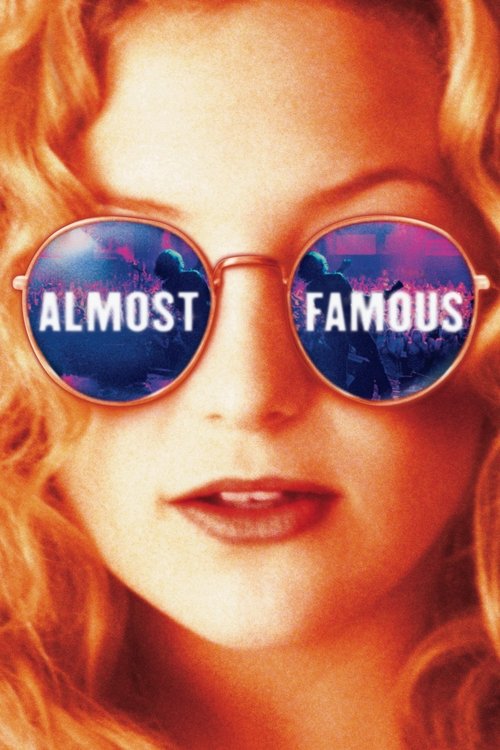
Almost Famous gets the insider/outsider feeling exactly right
Cameron Crowe's film about a teenage journalist embedded with a 1970s rock band gets the specific texture of that era better than most music documentaries. The idealism, the slow corruption of it, and the way the music itself floats above all the squalor as the one true thing: these are exactly the preoccupations of Wish You Were Here. It is also a film that takes its young protagonist's hunger for the real thing seriously, rather than ironizing it.
Control is the definitive film about the cost of being the sensitive one in the room
Anton Corbijn shot Ian Curtis's story in black and white and gave it the pacing of a long, slow exhale. What makes it so close in spirit to Wish You Were Here is its refusal to aestheticize the tragedy while still finding beauty in the music. Joy Division and Pink Floyd circa 1975 are formally miles apart, but they share a preoccupation with interiority and with the gap between the public self and the disintegrating private one.