
Released in November 1963, With The Beatles arrived when the band was still young enough to wear their influences on their sleeves and confident enough to make those influences disappear. The record lives in a particular frequency: mid-tempo R&B shimmer, close vocal harmonies that feel conspiratorial, and a production tightness (courtesy of George Martin at Abbey Road) that sounds both live and considered. The cover alone, Robert Freeman's stark chiaroscuro portrait, announced that this was not novelty pop. Fans of this album are drawn to the moment before the Beatles became mythology, when they were still a working group who had absorbed Chuck Berry, Smokey Robinson, and Arthur Alexander and turned all of it into something recognizably their own. The through-line for everything on this page is that quality: music made by people who had listened hard and then played harder.
Essential Beatles: The Early Run
The records that bracket and complete the With The Beatles moment, from Hamburg-era rawness to the peak of their pre-psychedelic phase.
The Mersey Sound and Its Cousins
British Invasion albums and their American R&B sources: the records the Beatles were listening to, and the groups who ran with them.
The Cover Versions Are the Point
Six of the fourteen tracks on With The Beatles are covers, and that is not a weakness. It is the argument. Chuck Berry, Smokey Robinson, Meredith Willson, Barrett Strong: the Beatles absorbed each one and returned something altered. The album is a document of listening as much as songwriting, and that curatorial intelligence is what separates it from the hundreds of beat-group LPs released the same year.
Documentaries and Concert Films
Moving-image records of the era: the Beatles themselves on film, and the broader story of Sixties pop caught in real time.
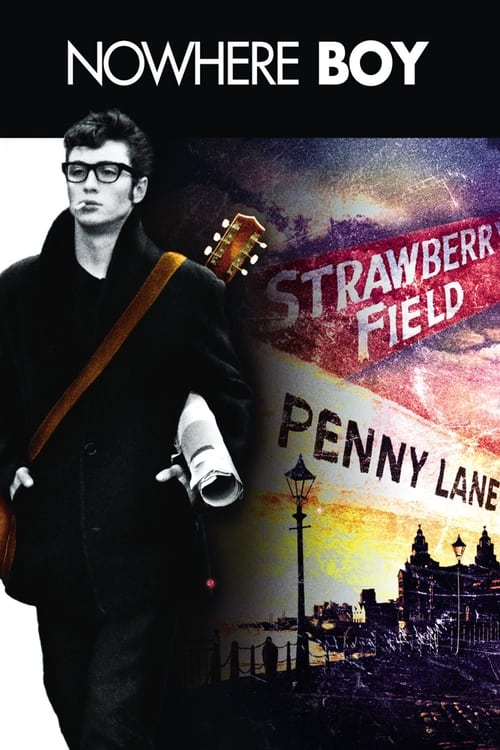
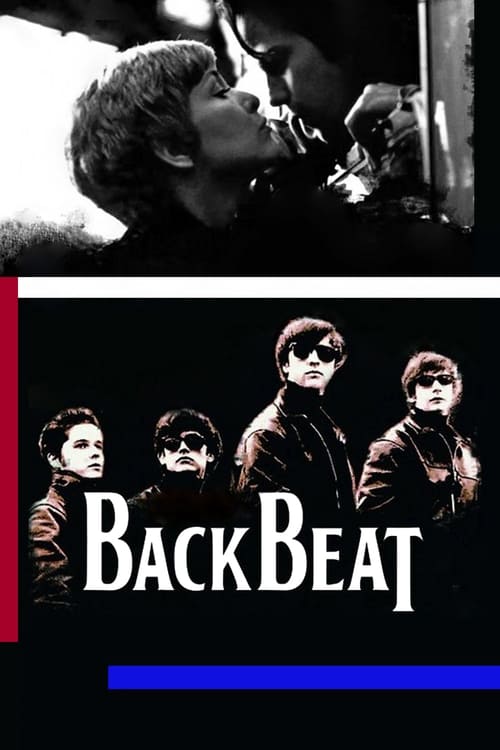
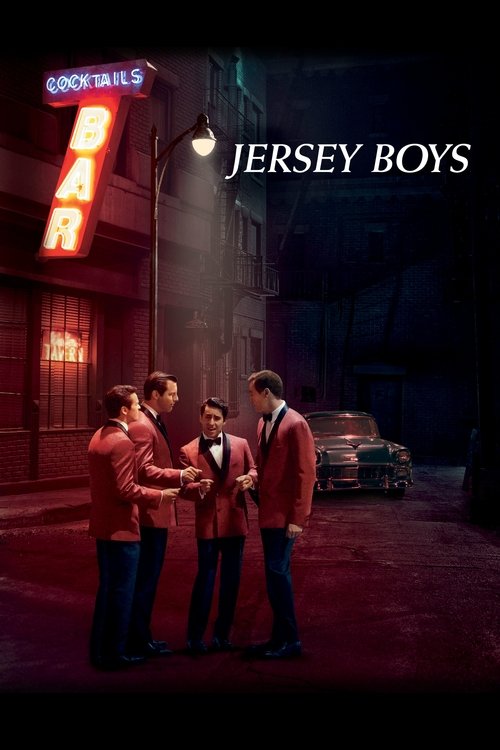
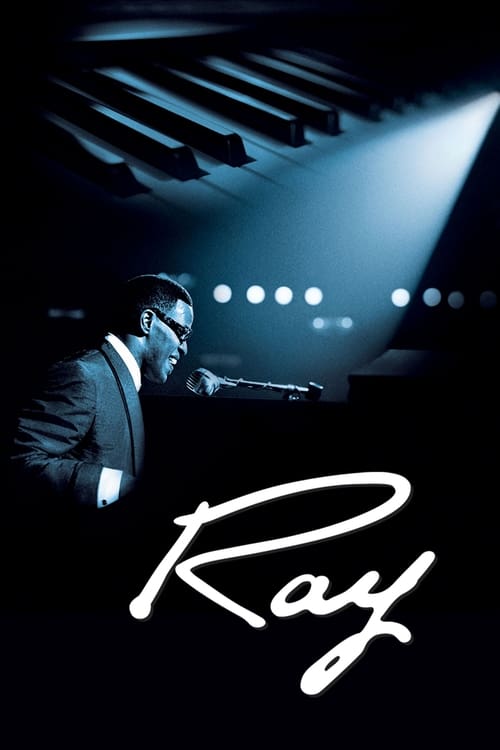
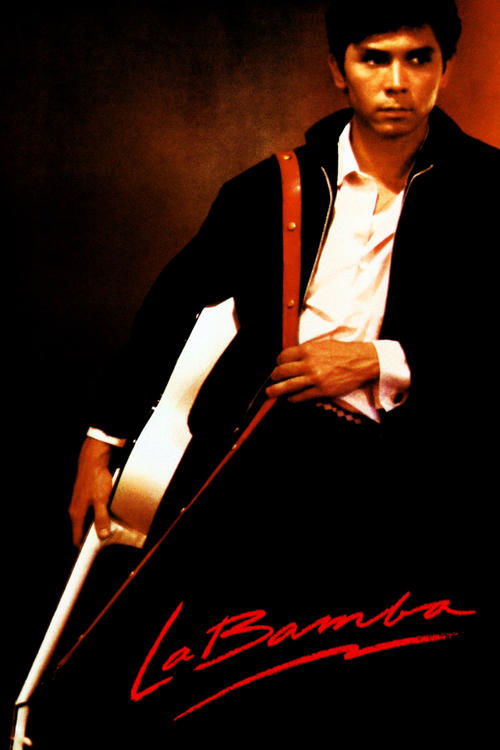
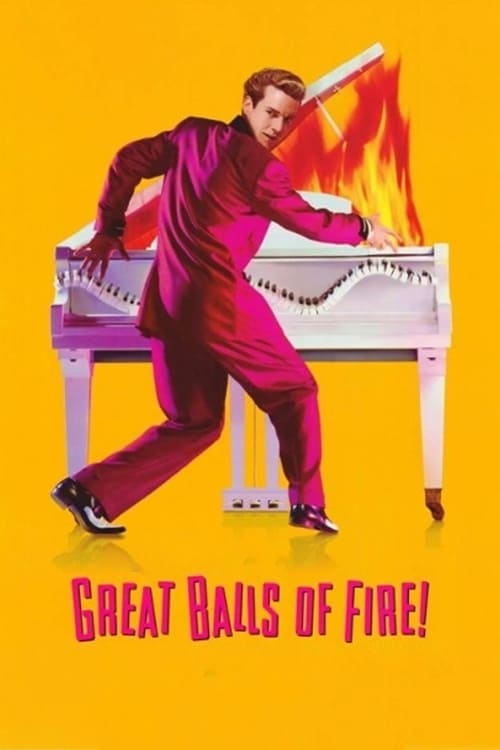
Biopics and Rock Music Films
Feature films about musicians who lived in the same current as early-Sixties rock and roll, plus the best fictional takes on the era.

The thing people forget is that in late 1963 they were a covers band who wrote most of their own material. That combination had never really existed before.George Martin
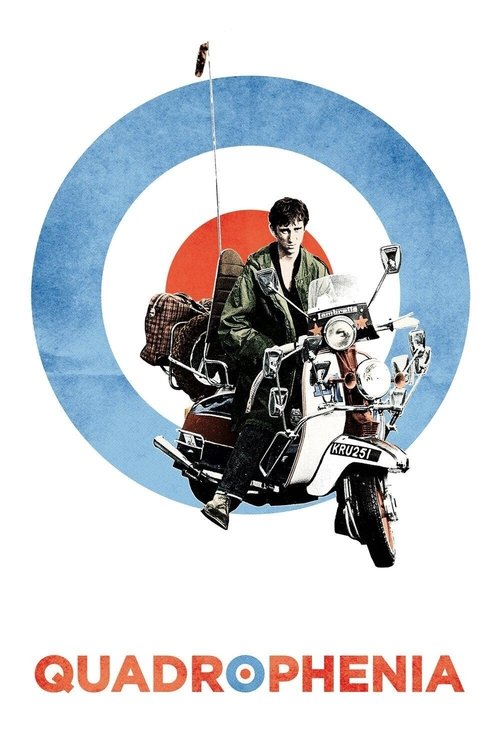
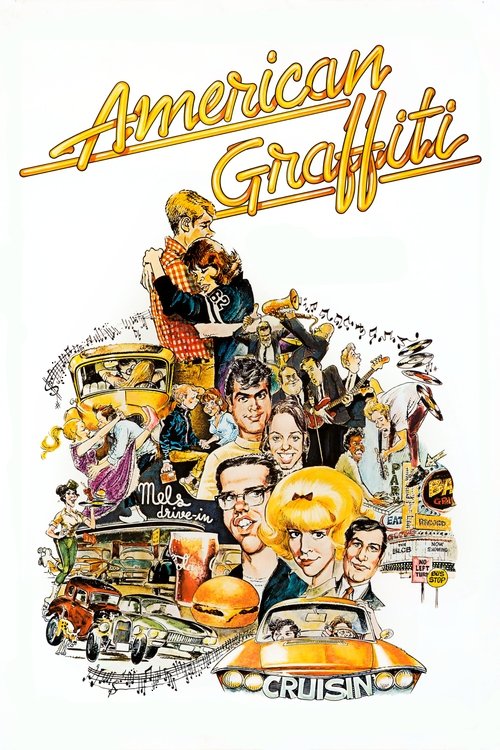
Films and Series That Breathe the Same Air
Cinema and television set in or shaped by early-Sixties Britain and America: the cultural moment With The Beatles belongs to.


Robert Freeman's Portrait Changed What an Album Cover Could Do
The half-lit faces on the sleeve were a direct rebuke to the smiling pop-star headshots of the era. Freeman borrowed the grammar of European art photography and applied it to four working-class lads from Liverpool. The result made the music feel like it had weight before you had heard a note. Album-cover-as-artistic-statement starts here, not with Pepper.
From the Cavern to the Cover
- 1960The Beatles begin their Hamburg residencies, playing eight-hour sets that forge the tight, relentless sound captured on the album.
- 1961Brian Epstein discovers the group at the Cavern Club and becomes their manager, beginning the push toward EMI.
- 1962George Martin signs them to Parlophone and produces their debut single. Ringo Starr replaces Pete Best on drums.
- 1963Please Please Me reaches number one and is recorded in a single day. With The Beatles follows in November, outselling every previous British LP. Please Please Me
- 1963With The Beatles is released, with Robert Freeman's chiaroscuro portrait setting a new visual standard for rock music. With The Beatles
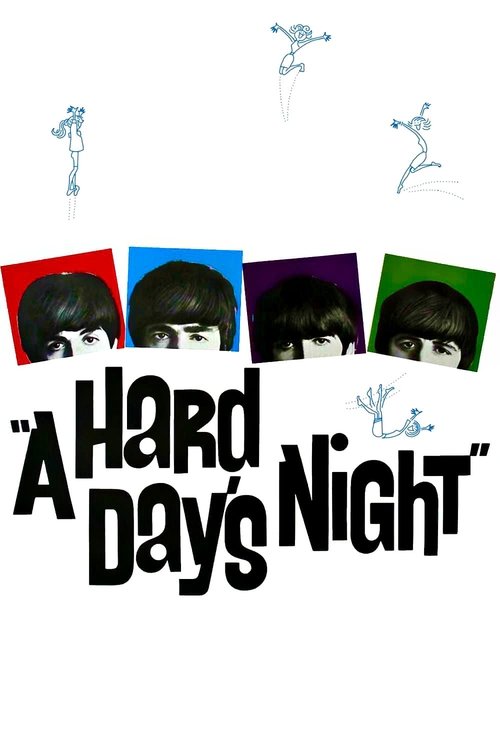
- 1964The Ed Sullivan appearance introduces the group to 73 million American viewers. A Hard Day's Night opens in the summer. A Hard Day's Night
- 1965Rubber Soul marks the point at which the early beat-group aesthetic gives way to something more expansive. Rubber Soul
Lennon's Rhythm Guitar Is the Undersung Instrument
Listen to the chunking, propulsive rhythm guitar on tracks like "All My Loving" and "It Won't Be Long" and you hear the engine of the early Beatles sound. Lennon's rhythm playing was aggressive, rhythmically inventive, and completely in service of the song. The conversation about the Beatles and guitar almost always goes to Harrison's leads; the foundation Lennon laid deserves the same attention.
The Album That Bridges Beat Group and Art Pop
With The Beatles sits at the exact hinge point: still rooted in the Hamburg R&B grind, already reaching toward the harmonic sophistication that would dominate Rubber Soul and Revolver. "Not a Second Time" alone, with its unusual chord sequence that music critic William Mann famously called Aeolian cadences, shows a group quietly outgrowing the idiom they were still performing.