
Sade Adu arrived in 1984 with a voice that sounded like it had always existed, warm and unhurried, drawing from jazz balladry, lovers rock, and quiet-storm soul. The band she fronts (guitarist Stuart Matthewman, bassist Paul Denman, keyboardist Andrew Hale) stripped everything back to the essentials: a brushed snare, a muted bass note, a horn phrase that says more by stopping than by continuing. What Sade fans chase is a specific emotional temperature, the feeling of beauty held at arm's length, desire expressed through restraint. The songs rarely shout. They recede into the room and stay there.
Essential Sade
Six studio albums across four decades, each one a study in less being more.
The Same Temperature: Jazz Soul and Quiet Sophistication
Artists who share that unhurried precision and emotional gravity.
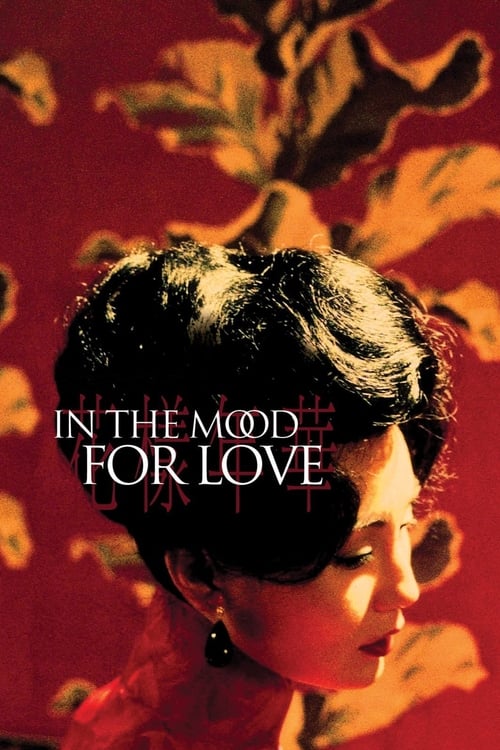
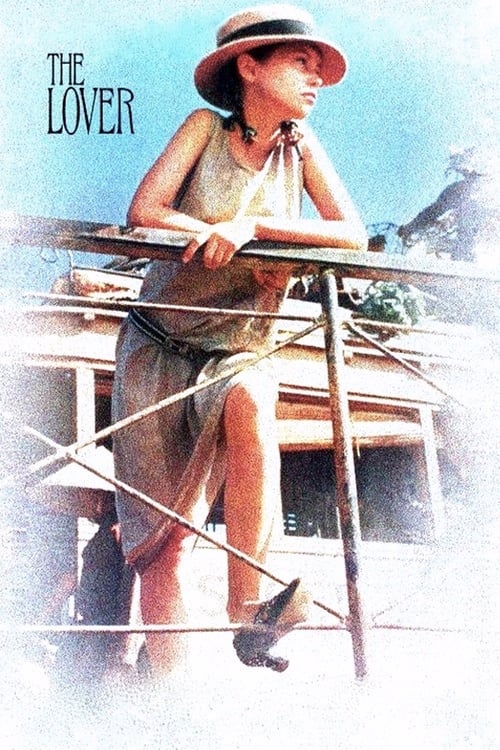
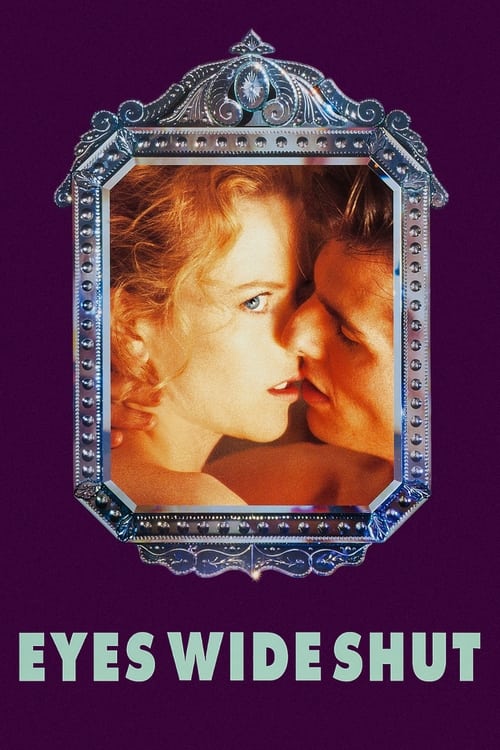
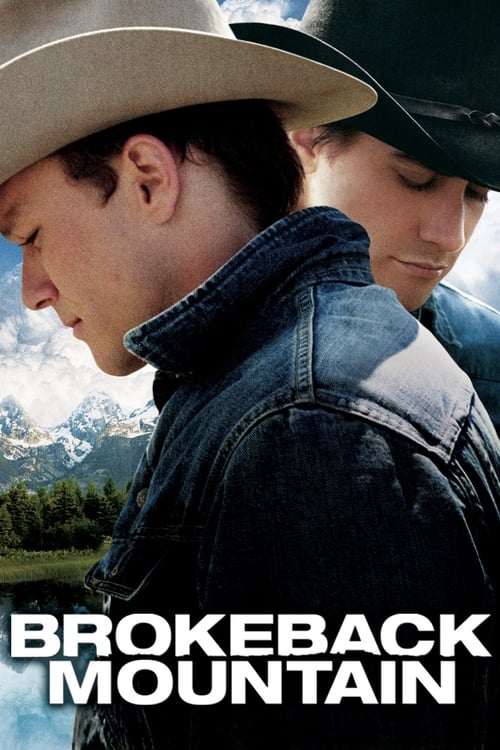
After Hours Cinema: Films with Sade's Atmosphere
Films that carry the same late-night emotional weight, stylish surfaces over deep undercurrents.





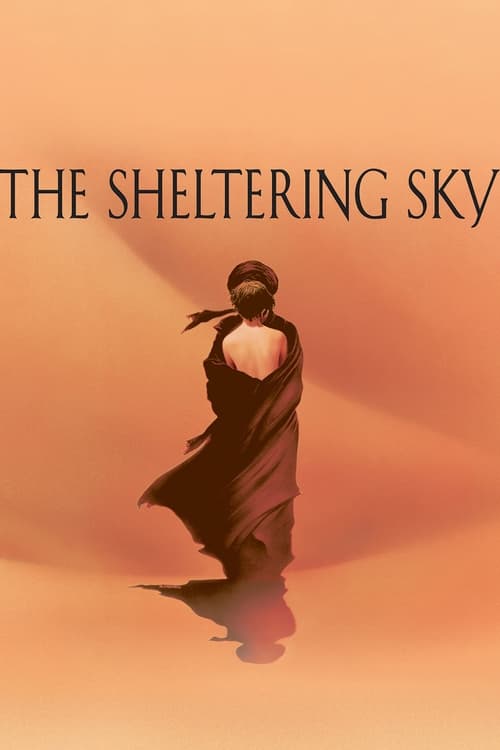
Music That Made History: Documentaries and Concert Films
For fans who want to see and hear the story of the era Sade came from.

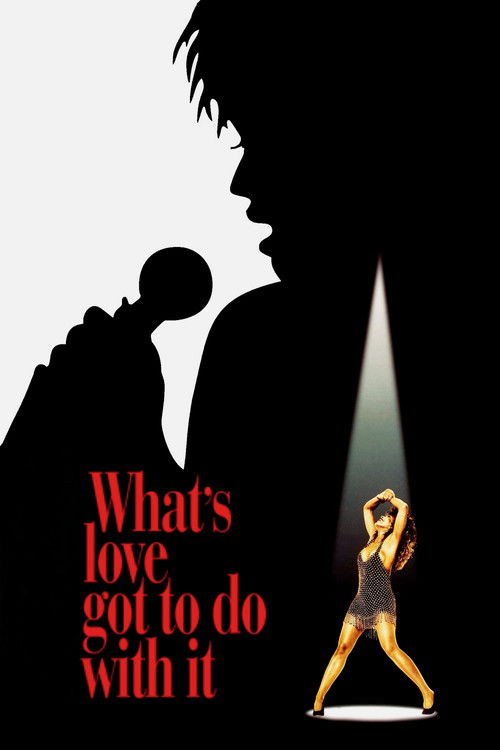
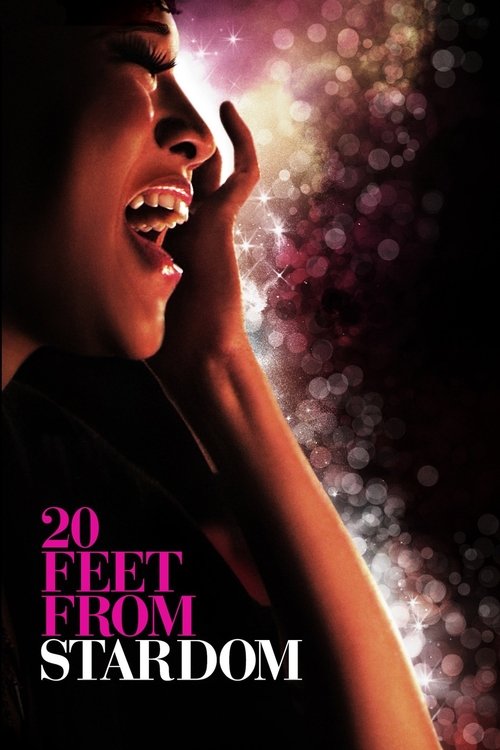
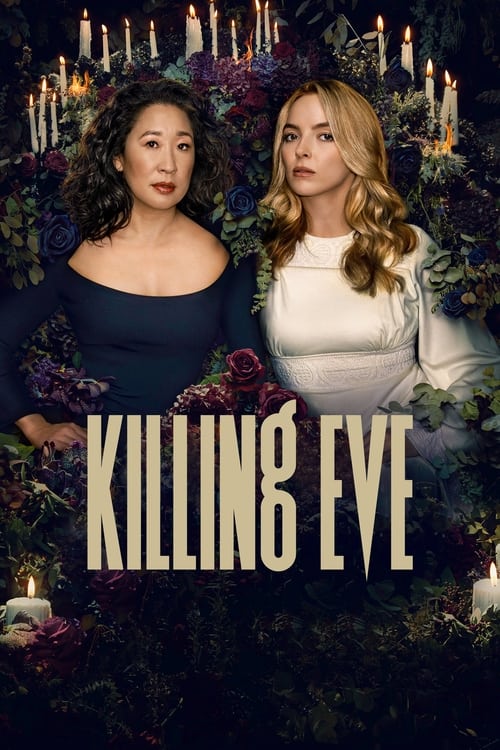
TV with the Same Low Burn
Series that match Sade's slow-build emotional intensity and visual elegance.





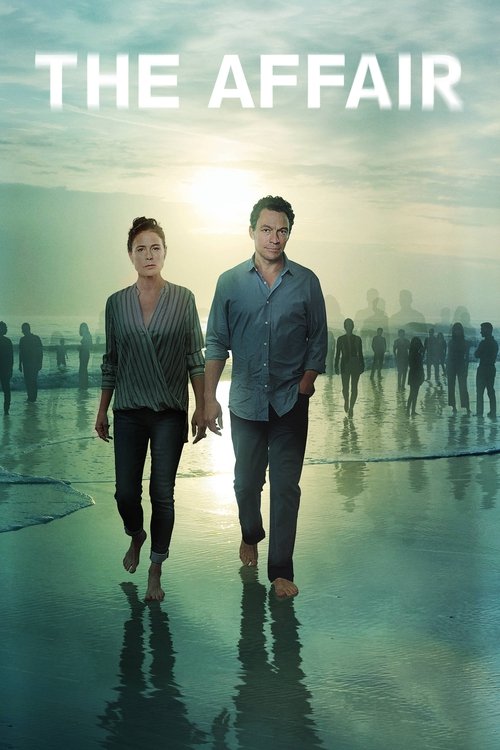

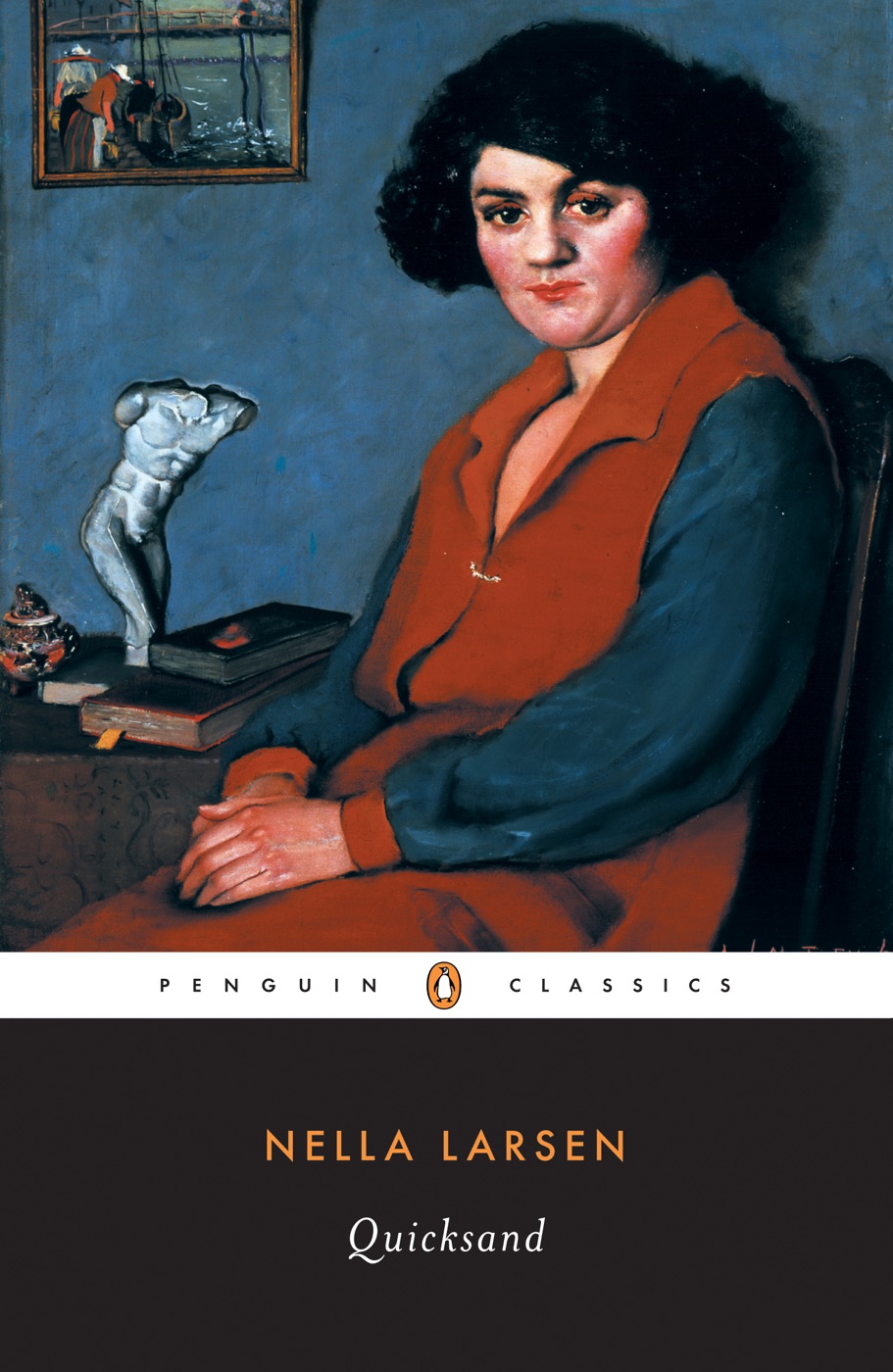
Novels for the Quiet Hours
Fiction that shares Sade's themes: longing, displacement, desire examined with precision.


"Diamond Life" Is One of the Most Assured Debut Albums Ever Made
Most debut records show the seams: a borrowed style here, an overreaching production choice there. "Diamond Life" arrived fully formed. Sade knew exactly what she was and was not. The restraint on that record is not timidity; it is confidence so complete it reads as ease. Forty years on, not one production choice sounds dated because the record was never trying to be contemporary in the first place.
Sade's Decade-Long Silences Are Part of the Art
Between "Love Deluxe" (1992) and "Lovers Rock" (2000) came eight years of quiet. Between "Lovers Rock" and "Soldier of Love" (2010) came another ten. Critics sometimes frame this as absence. It is better understood as the opposite of the album-a-year grind: a refusal to release anything that does not justify its own existence. The rarity is structural. The silence is the statement.
"No Ordinary Love" Is the Apex of Romantic Devastation in Pop
The song stretches past seven minutes in its album version and earns every second. It builds through repetition rather than in spite of it, the vocal circling the same desperation until the desperation itself feels like a physical space. Very few songs about heartbreak manage to be both beautiful and genuinely uncomfortable. This one is.
Quiet-Storm Soul Is an Underrated Genre
Quiet storm, the late-1970s radio format that gave Sade her context, is often dismissed as background music for a reason: it refuses to demand attention. That quality is a feature. The format produced Luther Vandross, Anita Baker, Dionne Warwick's best late work, and a lineage that runs directly to contemporary artists like Sampha and Snoh Aalegra. The genre's insistence on space and subtlety is what makes it last.
Sade: Four Decades of Deliberate Craft
- 1984Debut: "Diamond Life" reaches number 2 in the UK and wins the Brit Award for Best British Album. Diamond Life
- 1985"Promise" becomes her first US number-one album. Promise
- 1988"Stronger Than Pride" marks a turn toward a more urban, rhythmically complex sound. Stronger Than Pride
- 1992"Love Deluxe" and "No Ordinary Love" win the Grammy for Best R&B Performance by a Duo. Love Deluxe
- 2000After eight years away, "Lovers Rock" arrives and goes platinum worldwide within weeks. Lovers Rock
- 2010"Soldier of Love" debuts at number one in the US, her first US chart-topper after a 10-year gap. Soldier of Love
- 2011The Soldier of Love world tour, her first live dates since 2001, sells out arenas globally.
I never think about whether something is commercial. I think about whether it is real.Sade Adu