
A cinema built on contradiction
Philippine cinema is one of Asia's oldest and busiest, and for most of its life it ran on two engines at once: the lurid commercial machine of the big Manila studios, and a current of social realism that turned the country's poverty, censorship, and political violence into some of the most uncompromising films ever made in Southeast Asia. The same industry that churned out bomba sex pictures and star-vehicle melodramas also produced Lino Brocka, whose work was smuggled to Cannes while Ferdinand Marcos ran the country under martial law.
The so-called First Golden Age (roughly the 1950s) belonged to the studio system: LVN, Sampaguita, Premiere, and Lebran, with directors like Gerardo de Leon and Manuel Conde making polished literary adaptations and historical pictures. The Second Golden Age, the 1970s and early 1980s, is the one cinephiles outside the country actually know. Under Marcos, paradoxically, a generation of fierce talents (Brocka, Ishmael Bernal, Mike de Leon and their contemporaries) made films of startling political nerve, often dressed as melodrama to slip past the censors.
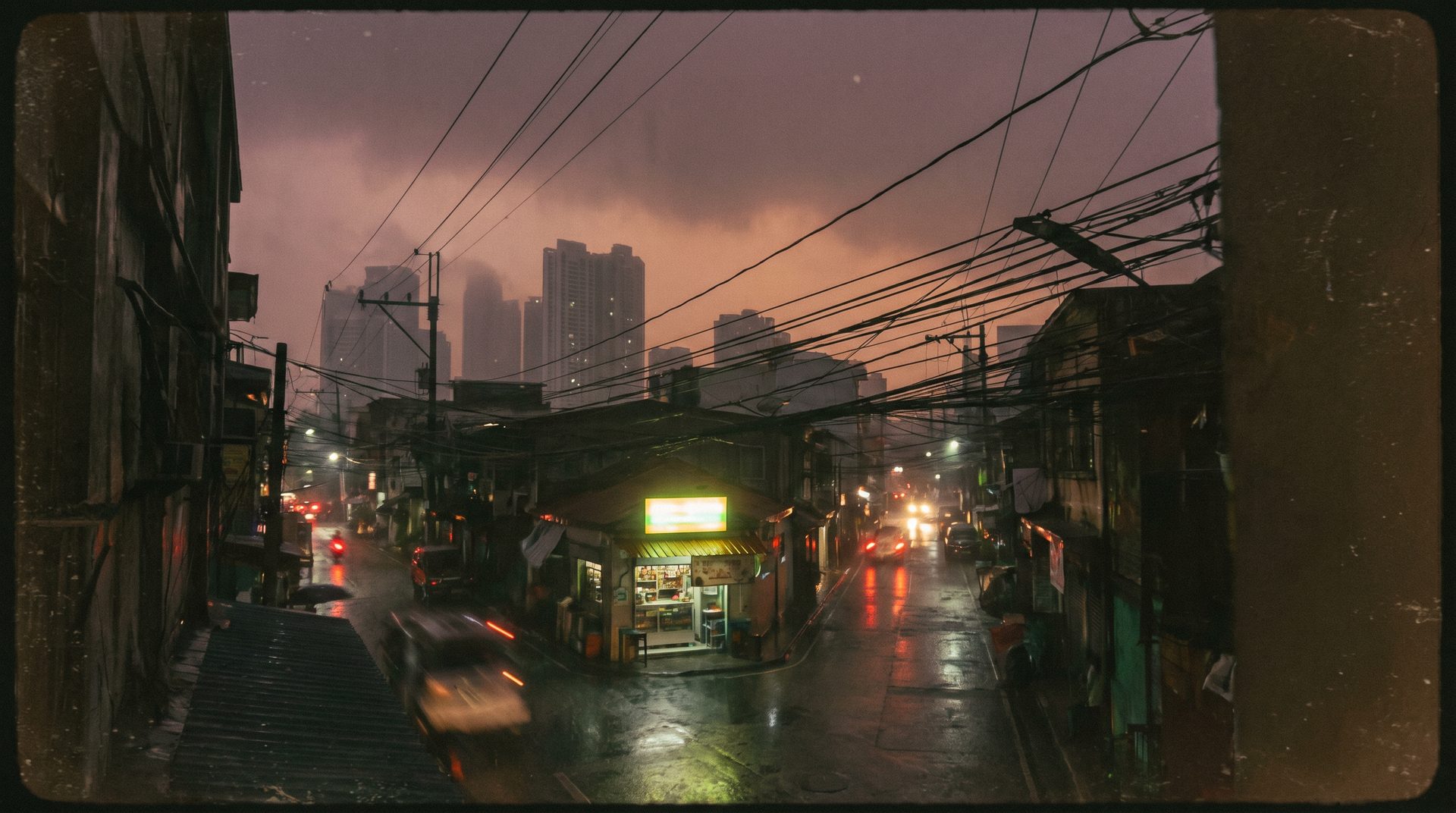
What distinguishes the best Tagalog cinema is its refusal to look away. The slum is not backdrop, it is subject. Catholic guilt, colonial inheritance (Spanish then American), the gulf between the rich enclave and the squatter, the overseas worker who leaves so the family can eat: these are the recurring obsessions, rendered with a melodramatic intensity that Filipino audiences never apologize for.
The Second Golden Age
Martial-law-era classics that put Philippine film on the world map
Brocka and Bernal: the twin peaks
Lino Brocka is the name the rest of the world knows. Maynila sa mga Kuko ng Liwanag (Manila in the Claws of Light, 1975) follows a provincial boy searching for his lost love in a predatory city, and it remains the foundational text of Filipino realism: humane, angry, beautifully shot by Mike de Leon. Insiang (1976), an early Filipino film to break through at Cannes, is a revenge melodrama set in a Tondo slum that is as tight and merciless as anything in the canon.
Ishmael Bernal is the cooler, more cerebral counterweight. Manila by Night (also released as City After Dark, 1980) is a sprawling multi-character nocturne about drug dealers, sex workers, and lost souls that the Marcos censors mutilated. Himala (1982), written by Ricky Lee and carried by Nora Aunor's incandescent performance, watches a faith-healing miracle curdle into mass hysteria. Its line "Walang himala" (There is no miracle) is among the most famous in Philippine film history.
Mike de Leon deserves his own pedestal. Kisapmata (1981) is a domestic horror about a tyrannical patriarch, and Batch '81 dissects fraternity hazing as a parable of authoritarian conformity. These were not arthouse curiosities at home. They were popular cinema with a knife hidden in the melodrama.
The Marcos years should have strangled this cinema. Instead they gave it something to be furious about, and fury, it turns out, is good for art.CrossBinge editors
A chronology of Philippine cinema
- 1919Dalagang Bukid, generally cited as the first Filipino-produced feature film, directed by Jose Nepomuceno
- 1950Manuel Conde's Genghis Khan screens at the Venice Film Festival, an early international moment Genghis Khan
- 1956Gerardo de Leon's Anak Dalita anchors the First Golden Age of studio realism
- 1975Lino Brocka's Maynila sa mga Kuko ng Liwanag launches the Second Golden Age
- 1978Insiang travels to the Cannes Film Festival, an early Filipino breakthrough there
- 1982Bernal's Himala, with Nora Aunor, premieres and enters the national myth The Himalayas
- 2000The digital independent wave begins, lowering the cost of feature filmmaking
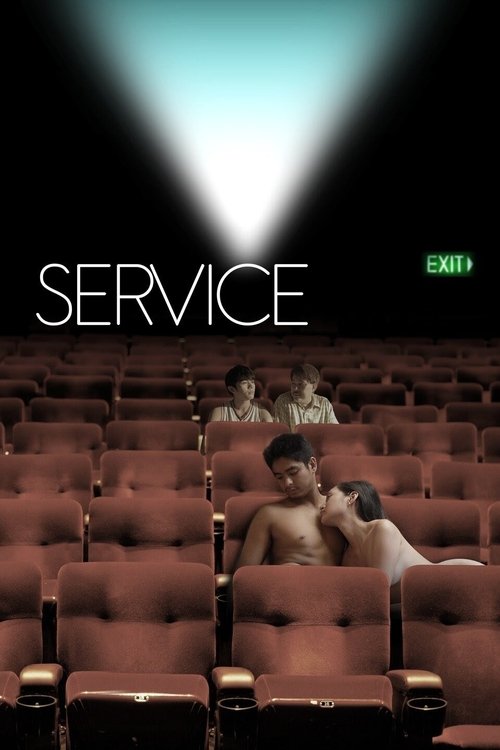
- 2008Brillante Mendoza's Serbis competes for the Palme d'Or at Cannes Serbis
- 2009Mendoza wins Best Director at Cannes for Kinatay
- 2016Lav Diaz wins the Golden Lion at Venice for The Woman Who Left; Jaclyn Jose wins Best Actress at Cannes for Mendoza's Ma' Rosa
The new independent wave
Digital-era realism and the festival auteurs who carried the flag after 2000
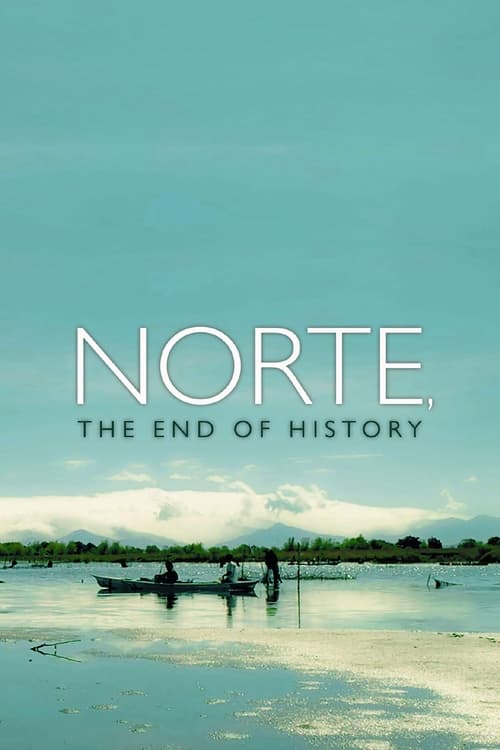
Lav Diaz is the most important Filipino filmmaker alive, and his runtimes are the point, not the obstacle
The reflexive complaint about Lav Diaz is the length: Norte, the End of History runs four hours, A Lullaby to the Sorrowful Mystery runs eight, Evolution of a Filipino Family runs longer still. Treat that as gimmick and you miss what the duration is doing. Diaz films in long, fixed, black-and-white takes because endurance is his subject. He is filming a postcolonial nation's grief in real time, the way it actually accumulates, slowly, without the relief of a cut. Norte reworks Dostoevsky into a study of impunity that the standard ninety-minute crime film could never reach. You do not watch a Diaz film, you sit a vigil. That is a legitimate and rare thing for cinema to ask, and he is one of the only directors on earth still asking it.
Mainstream hits and the popular tradition
Romance, comedy, and horror that actually fill Filipino cinemas




Beyond film: the page and the song
Filipino storytelling does not stop at the screen, and the same themes (colonialism, faith, exile, class) run through its literature and music. The national novels are Jose Rizal's Noli Me Tangere (1887) and its sequel El Filibusterismo (1891), written in Spanish but foundational to the Tagalog imagination and taught in every Philippine school; the execution of Rizal helped ignite the revolution against Spain. In contemporary fiction, Miguel Syjuco's Ilustrado won the Man Asian Literary Prize, and Filipino American writers like Jessica Hagedorn (Dogeaters) and Elaine Castillo (America Is Not the Heart) extend the diaspora's voice into English-language literary fiction.
Musically, the country runs on emotion. The OPM (Original Pilipino Music) tradition gave the world the soaring balladry of the Pinoy rock and folk eras, and the global crossover act is the Eraserheads, whose 1990s albums are the closest thing Filipino pop has to a sacred text. These are not film works, but they share the cinema's DNA: melodrama worn proudly, longing for home, and a refusal to be cool about feeling things.