

The cinema that reads
Malayalam cinema belongs to Kerala, India's most literate state, and you can feel it on screen. This is a film culture grown out of novels, theatre, and a famously engaged film-society movement, where the highest compliment is not that a movie is grand but that it is true. While Bombay chased spectacle and Madras chased stars, Kerala built a tradition of human-scale storytelling: a fisherman's family, a temple servant losing his livelihood, a middle-class marriage curdling over a long afternoon.
The canon splits roughly in three. The 1980s parallel-cinema golden age, led by Adoor Gopalakrishnan, G. Aravindan, Shaji N. Karun and John Abraham, put Kerala on the festival map at Cannes and Venice. The mainstream of the 1980s and 90s then produced an extraordinary run of writer-driven middlebrow films, the work of screenwriters like M. T. Vasudevan Nair and directors like Bharathan, Padmarajan and Sathyan Anthikad, that married art-house restraint to popular feeling. And since roughly 2010, the lean, location-shot, ensemble-led New Generation wave has made Malayalam the most exciting commercial cinema in India, exporting hits and ideas far beyond Kerala.
Adoor and the founders
Adoor Gopalakrishnan is the figure the whole tradition rotates around. A co-founder of an early Indian film-society cooperative, his Swayamvaram (1972) is usually marked as the birth of new Malayalam cinema, and Elippathayam (The Rat Trap) remains his coldest, most precise study of feudal decay. G. Aravindan worked in a softer, more philosophical key (Thampu, Chidambaram), bringing a watercolor calm to the screen. John Abraham, the wild man of the movement, made Amma Ariyan with money collected door to door by a film collective.
Shaji N. Karun, who had been Aravindan's cinematographer, directed Piravi (1989), a grieving father's film that took a special mention at Cannes. His Vanaprastham, with Mohanlal as a Kathakali performer, is one of the great films about a man disappearing into the masks he wears.
Kerala did not need to invent a star system to make great movies. It had something rarer: writers the whole industry would wait for.CrossBinge editors
The writer's cinema, 1980s and 90s
Middlebrow masterworks where the screenplay was the star

The two emperors, and the men who wrote for them
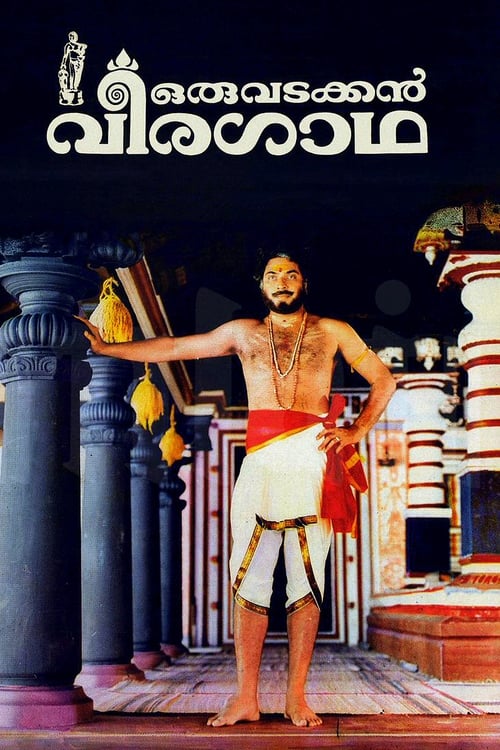
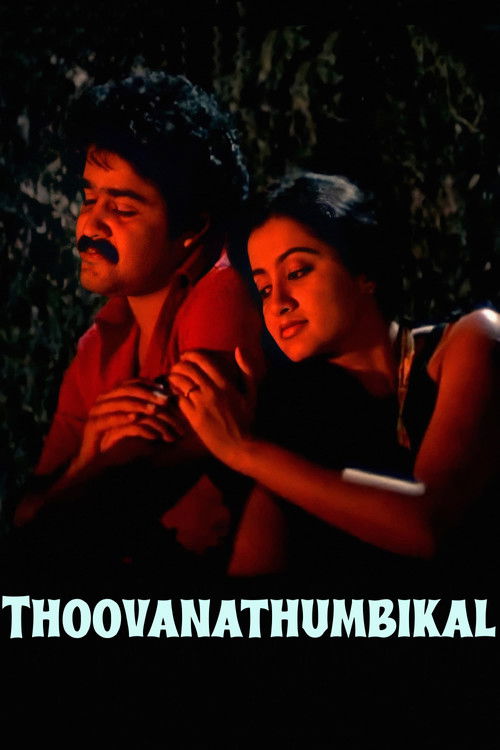
For a generation, Malayalam mainstream cinema meant Mohanlal and Mammootty, two of the most gifted screen actors India has produced, and crucially they made their best work in films built by writers rather than by their own egos. M. T. Vasudevan Nair, a towering Malayalam novelist, scripted Oru Vadakkan Veeragatha and directed Nirmalyam. Padmarajan (Thoovanathumbikal, Namukku Parkkan Munthiri Thoppukal) and his frequent collaborator Bharathan brought a sensuous, melancholy romanticism. Lohithadas wrote tragedies of the dispossessed (Thaniyavartanam, Kireedam) that hollow you out.
There was also a parallel comic tradition that aged beautifully. Sathyan Anthikad and writer Sreenivasan made gentle, sharp social comedies, and Sandesham (1991) remains one of Indian cinema's definitive political satires, still quoted in Kerala houses every election season.
A chronology of Malayalam cinema
- 1965Chemmeen wins the President's Gold Medal, the first South Indian film to do so
- 1972Adoor Gopalakrishnan's debut marks the start of new Malayalam cinema
- 1982Elippathayam takes the BFI Sutherland Trophy in London, a milestone abroad
- 1986John Abraham's collective-funded film, a high point of activist cinema
- 1989Shaji N. Karun's Piravi earns a special mention at Cannes
- 1991Sandesham defines Malayalam political satire
- 2011The New Generation wave breaks through commercially Traffic
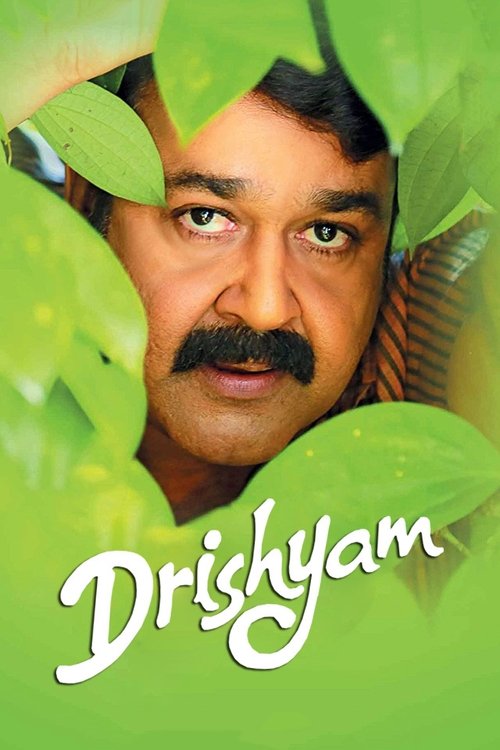
- 2013Drishyam, a thriller exported and remade across India Drishyam
- 2021The Great Indian Kitchen, a quiet feminist landmark, finds a wide audience
- 2024All We Imagine as Light wins the Grand Prix at Cannes All We Imagine as Light
The New Generation wave
Lean, naturalistic, location-shot: Malayalam's post-2010 reinvention


The new realists
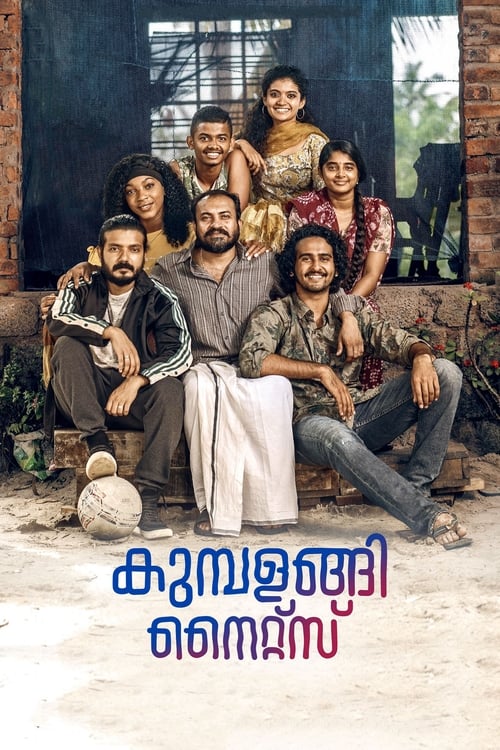
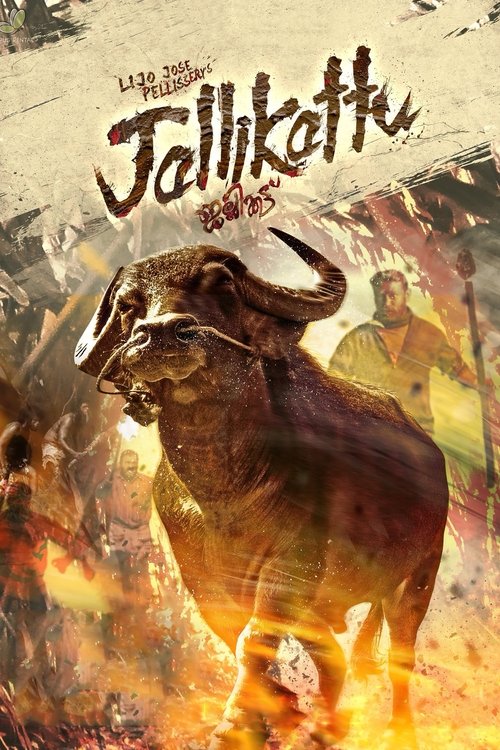
Around 2010 a younger generation, raised on world cinema and shooting on cheap digital cameras, threw out the bloated stardom of the 2000s. Dileesh Pothan and writer-actor Fahadh Faasil became the wave's signature partnership (Maheshinte Prathikaaram, Thondimuthalum Driksakshiyum, Joji), all built on watchful naturalism and the small humiliations of small towns. Lijo Jose Pellissery pushed in the opposite direction, toward feral, near-single-take chaos (Angamaly Diaries, Jallikattu, Ee.Ma.Yau).
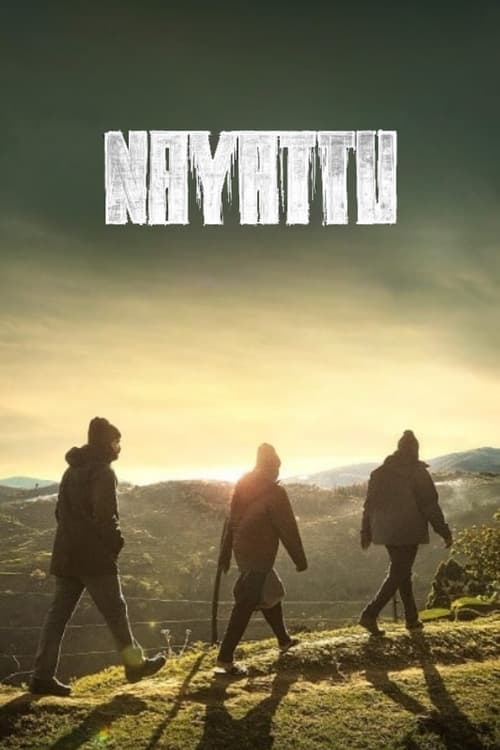
The wave also opened the door to social cinema with teeth. The Great Indian Kitchen turned domestic drudgery into something close to a horror film; Nayattu and Jallikattu turned crowds into characters. And in 2024, Payal Kapadia's Malayalam-and-Hindi All We Imagine as Light won the Grand Prix at Cannes, the first Indian film in the main competition there in three decades, proof that Kerala's quiet realism still travels furthest.
The best commercial cinema in India is in Malayalam, not Hindi
Bollywood has the budgets and the global brand, but for fifteen years the most consistently intelligent popular films in India have come out of Kerala. A mid-budget Malayalam thriller like Drishyam gets remade into every other Indian language because the writing is exportable, not the spectacle. The New Generation films treat their audience as adults: they end ambiguously, they cast against type, they let silence sit. That confidence comes from a century of trusting the screenplay over the star, and no other Indian industry has matched it.