
A cinema born of the stage and the soapbox
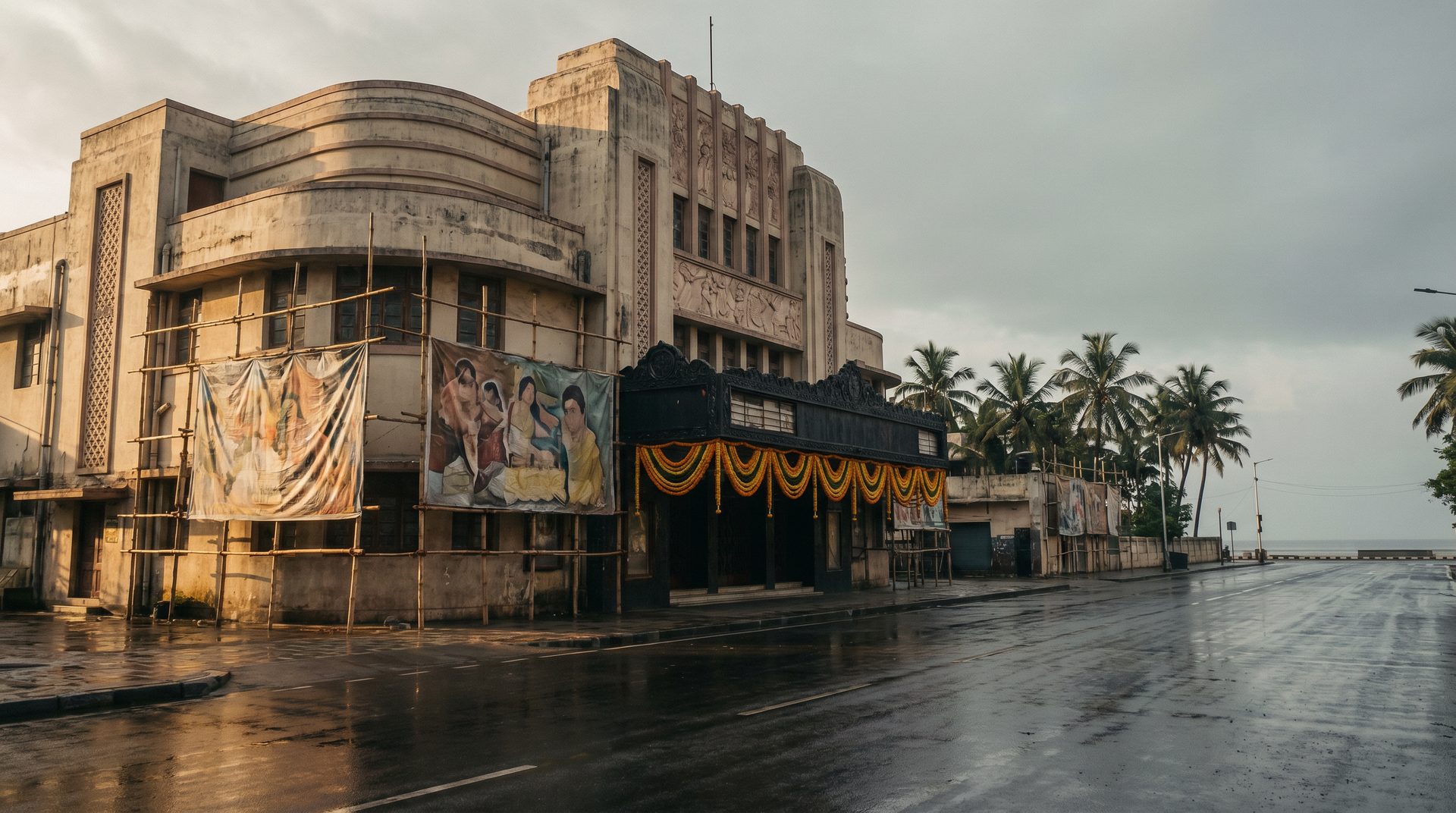
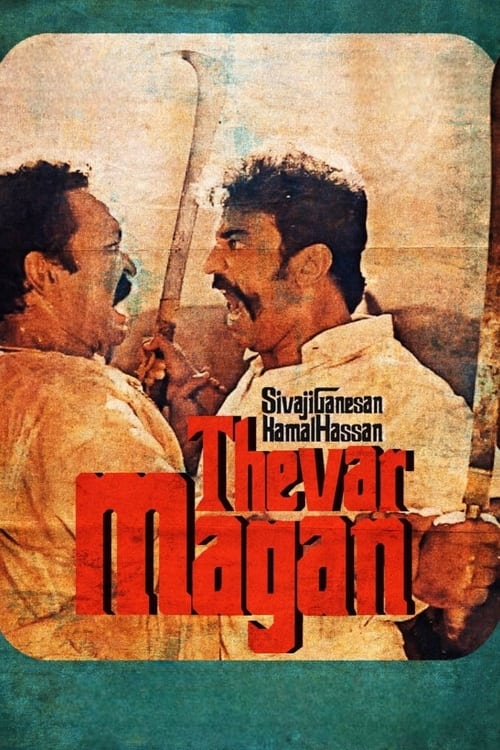
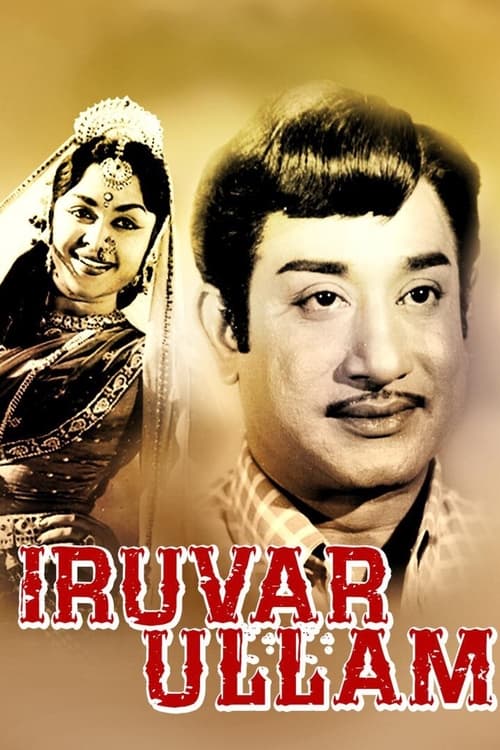
Tamil cinema, centered on the Kodambakkam neighborhood of Chennai that earned the nickname Kollywood, has always been two things at once: a machine for spectacle and a vehicle for politics. Its early sound era leaned on the company-drama theatrical tradition and on mythologicals, but by the 1950s the screen had become a battleground for the Dravidian movement. Screenwriters like M. Karunanidhi and stars like M.G. Ramachandran (MGR) turned films into manifestos, and two of the men who dominated the box office, MGR and the matinee idol Sivaji Ganesan, drew a line that ran straight from the marquee to the chief minister's office. No other Indian cinema fused mass entertainment and electoral power so completely.
The popular tradition gave Tamil film its grammar: the larger-than-life hero, the interval-block twist, the playback song staged as fantasy, and a melodramatic emotional maximalism that never apologized for itself. But running underneath that mainstream was a current of realism and reform, films that looked hard at caste, poverty, and rural cruelty. The tension between those two impulses, the crowd-pleaser and the conscience, is the engine of this cinema.
Bharathiraja, Balachander, and the turn to the soil
The 1970s broke the studio sheen. Bharathiraja dragged the camera out of the Madras backlot and into real villages with Pathinaaru Vayathinile, making the Tamil countryside a character in its own right and launching the careers of Kamal Haasan and Rajinikanth, the two superstars who would define the next half-century. K. Balachander, the playwright-turned-director, wrote thorny, woman-centered dramas that refused easy morals and mentored both men.
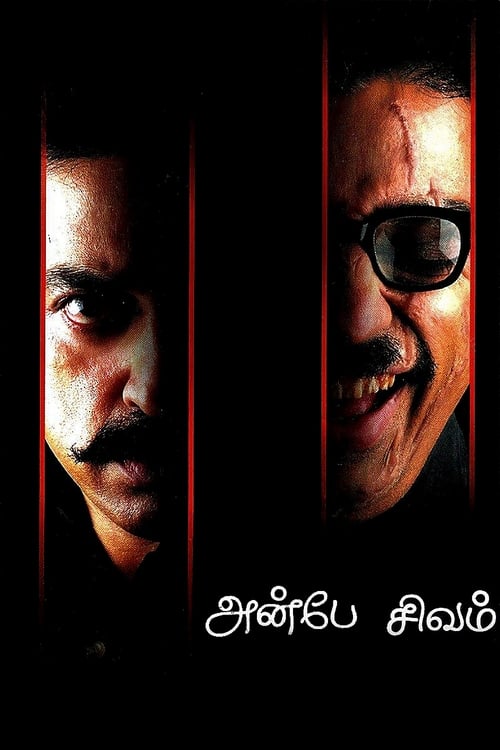
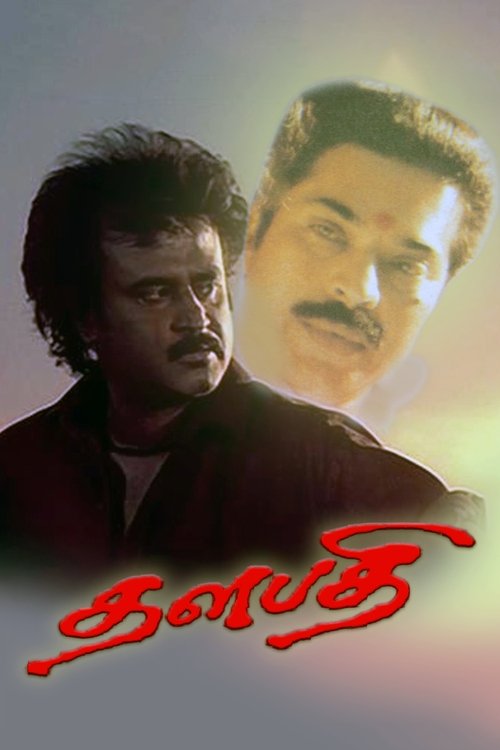
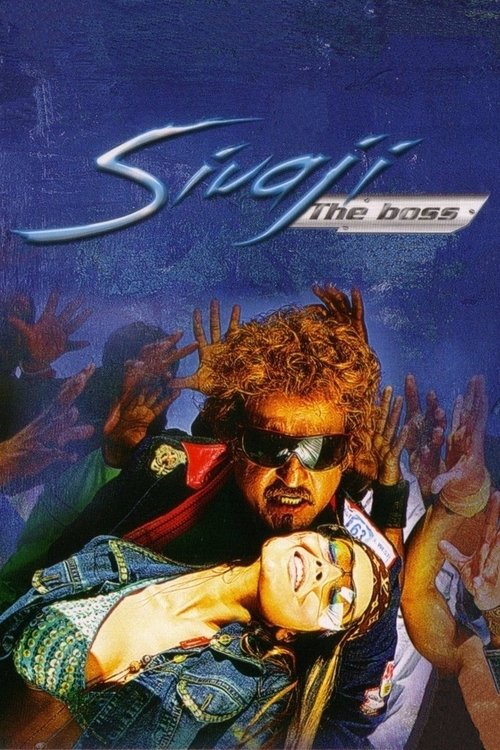
Kamal Haasan became Tamil cinema's restless shapeshifter, an actor-auteur who chased prosthetics, multiple roles, and formal risk. Rajinikanth became something stranger and bigger: a style icon whose punchlines and on-screen mannerisms turned screenings into call-and-response rituals. Around them, directors like Balu Mahendra brought a cinematographer's lyricism, and Bharathiraja kept mining rural tragedy. This is the period where the modern star system and the auteur impulse learned to share the same frame.
Kamal and Rajini: the two superstars
The performances that anchor the modern era

A century in Tamil
- 1931Kalidas, the first Tamil sound film, opens the talkie era
- 1952Parasakthi launches the Dravidian message movie Parasakthi
- 1977Bharathiraja's village realism arrives
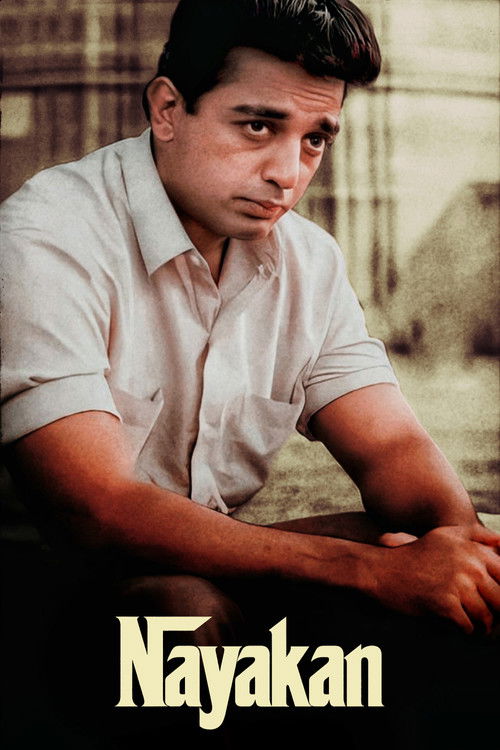
- 1987Mani Ratnam and Kamal Haasan make the gangster epic Nayakan Nayakan
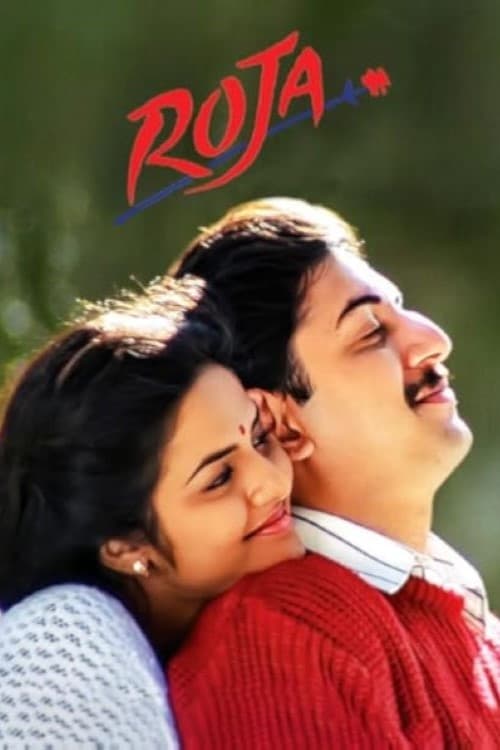
- 1992Roja brings A.R. Rahman's debut score to national attention Roja
- 1995Baasha cements the Rajinikanth phenomenon
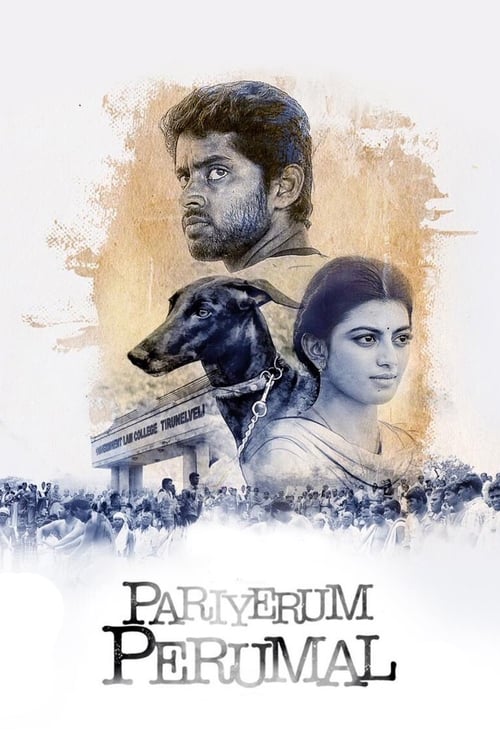
- 2018Mari Selvaraj and Vetri Maaran push anti-caste cinema into the mainstream Pariyerum Perumal
- 2022Ponniyin Selvan revives the historical epic on a national scale
Mani Ratnam and the Rahman revolution
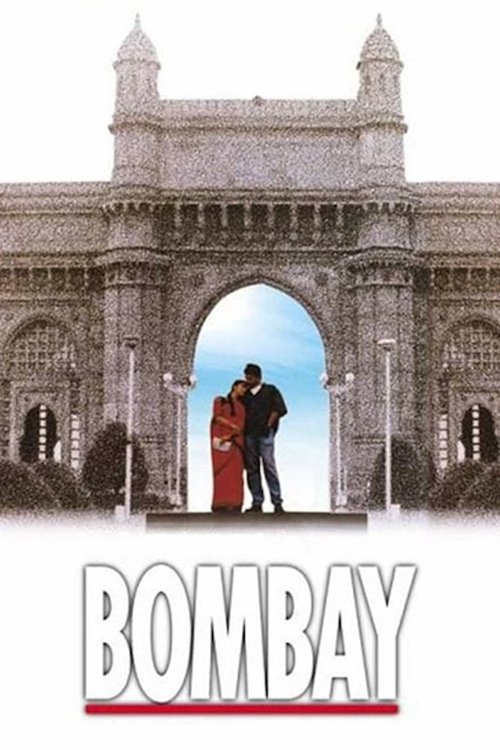
If one partnership exported Tamil cinema to the world, it is Mani Ratnam and A.R. Rahman. Ratnam's late-1980s and 1990s run reinvented the look of Indian film: backlit interiors, monsoon romance, urban anxiety, and a willingness to set love stories against terrorism, communal riots, and insurgency (Roja, Bombay, Dil Se). Rahman's arrival with Roja in 1992 detonated film music nationally and eventually globally, fusing Carnatic, Sufi, and electronic textures into a new pop language that later carried him to Oscars for an entirely different film.
Tamil film music is not garnish here; it is half the art form. Composers from M.S. Viswanathan and Ilaiyaraaja (whose orchestral folk-fusion soundtracked the 1980s) to Rahman and the newer generation are stars in their own right, and the playback singer is a household name. A Tamil film's songs often outlive its plot.
Mani Ratnam's frame
The director who made Tamil cinema look modern
Tamil cinema never chose between the song and the sermon. It learned to deliver both in the same three hours, and dared you to call that a contradiction.CrossBinge editors
The new wave: caste, class, and the angry frame
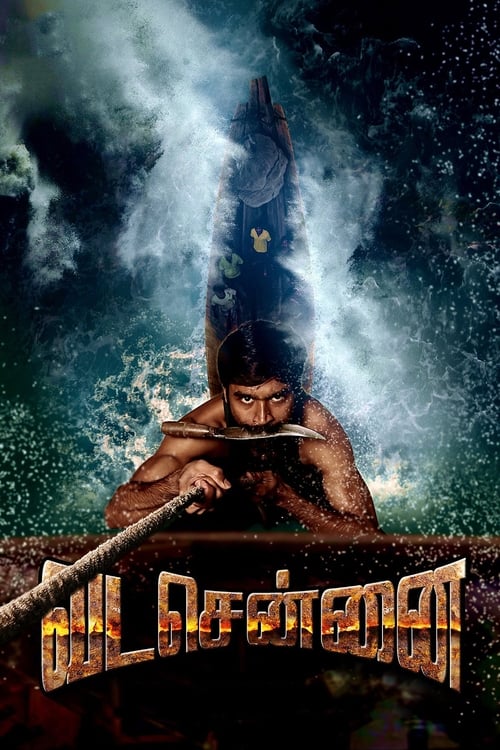
Vetri Maaran, Pa. Ranjith, and the directors who reopened old wounds


Crowd-pleasers with a brain
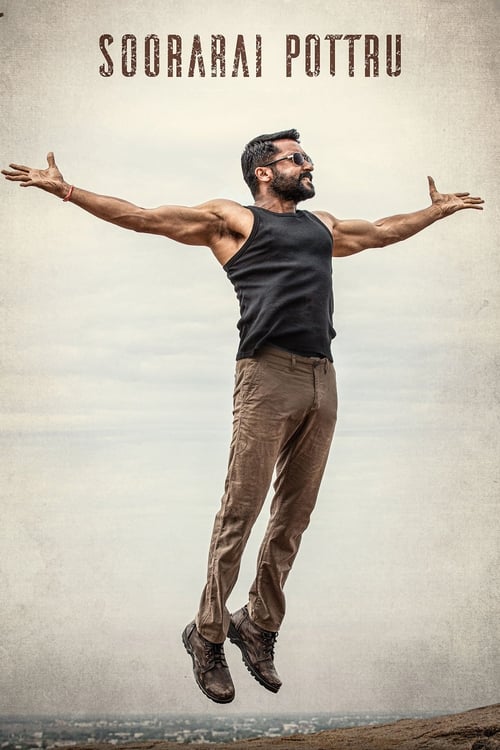
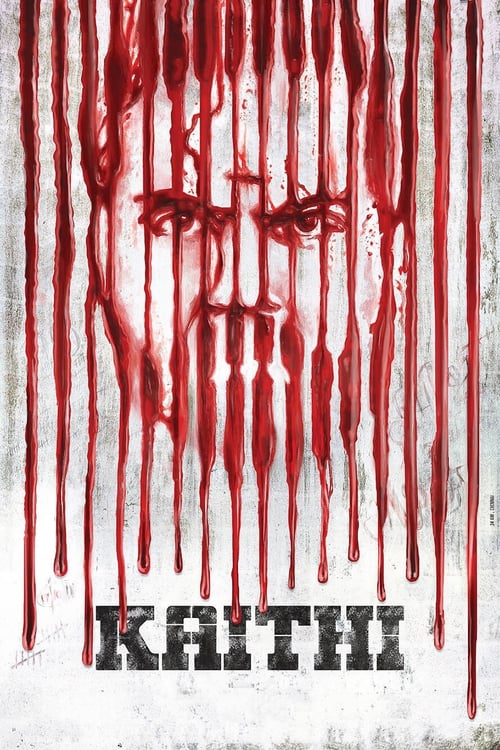
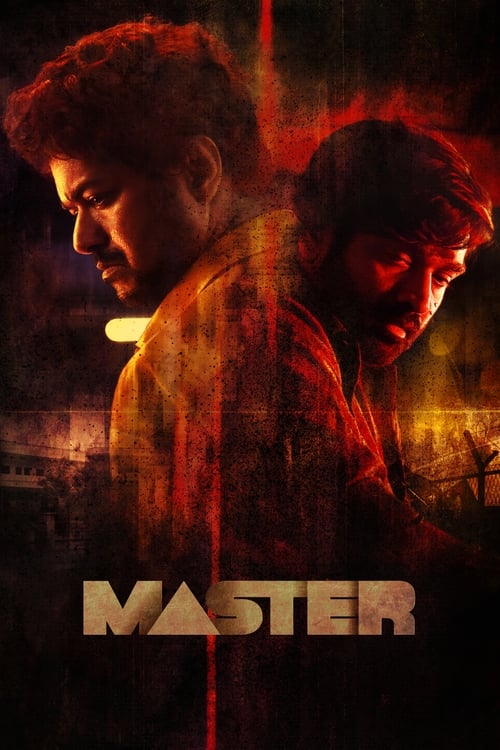
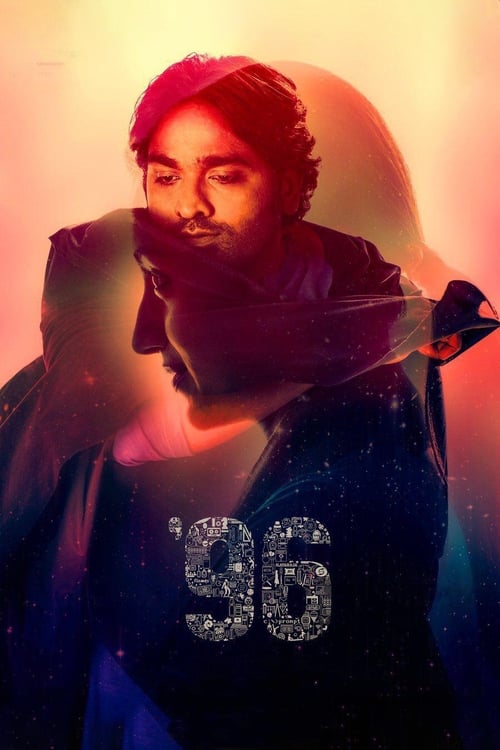
Thrillers, blockbusters, and genre films that traveled

The most politically literate popular cinema in the world
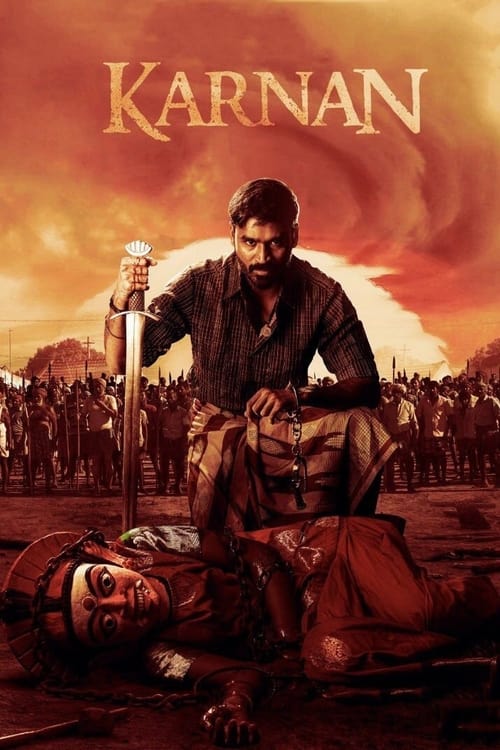
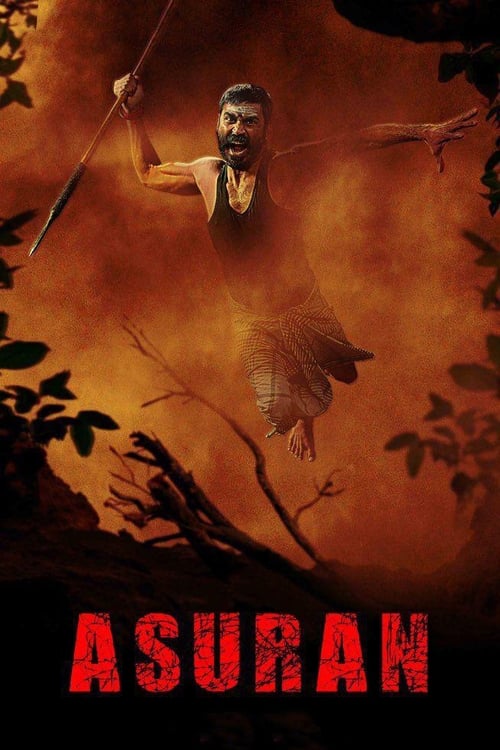
Hollywood flatters itself that it is political. Tamil cinema actually elected people. From the Dravidian message films of the 1950s through MGR and Karunanidhi reaching the chief minister's chair, the screen here was a direct on-ramp to power. The remarkable thing is that the recent wave (Vetri Maaran, Pa. Ranjith, Mari Selvaraj) did not abandon that lineage for arthouse remove. They kept the mass-hero machinery and aimed it at caste. Asuran and Karnan are revenge dramas that hit like commercial bangers and indict an entire social order in the same breath. That is a harder trick than pure realism, and Tamil cinema does it better than anyone.