

Bigger on purpose
Telugu cinema, made mostly in Hyderabad and historically in Madras, has never apologized for its appetite. It is the cinema of the interval-block elevation, the slow-motion hero entry, the mass moment engineered to make a single-screen audience stand on its seats. For decades critics outside the Telugu states read that maximalism as excess. Then Baahubali opened in 2015 and the rest of the world discovered what Andhra and Telangana already knew: this industry builds emotion at architectural scale.
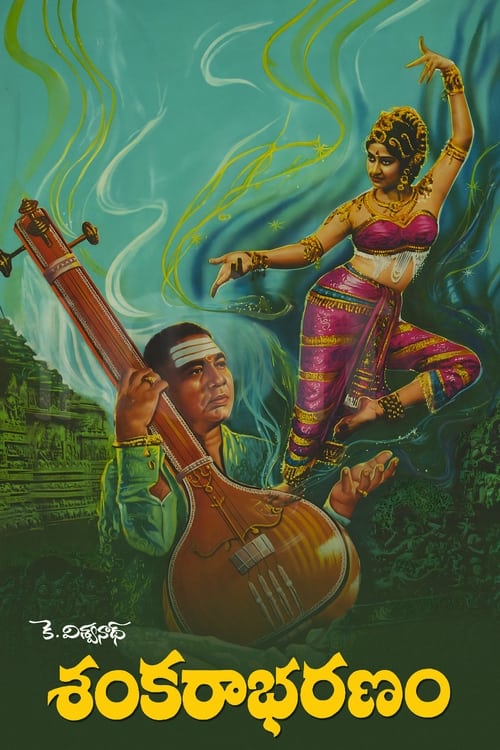
The lineage runs deep. The studio era was anchored by giants like Vauhini and the early mythologicals, and by a star system unlike any other. It produced the godlike screen presence of N.T. Rama Rao (who played gods so convincingly he later became chief minister) and Akkineni Nageswara Rao. The 1980s and 90s gave the industry its commercial grammar through Chiranjeevi, the original mega-star, while directors like K. Viswanath kept a parallel tradition of classical-arts dramas alive. What unites the eras is a refusal to do anything quietly.
The modern global breakout
The films that made Telugu cinema a worldwide event

Rajamouli and the architecture of spectacle
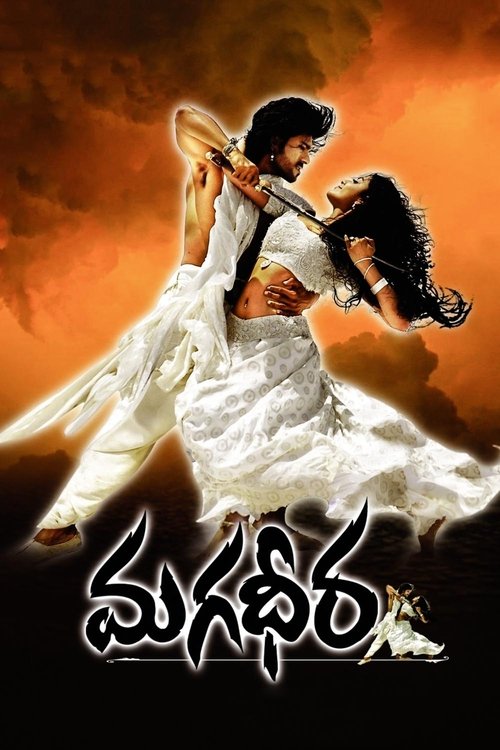
No single figure reshaped the industry's ambition like S.S. Rajamouli. Before Baahubali, he had already proven he could bend genre to his will. Magadheera fused reincarnation romance with action, and Eega built an entire revenge thriller around a housefly reborn to kill its murderer, an idea that should not work and absolutely does. Baahubali then did something no Indian film had managed: it became a pan-India phenomenon, dubbed and released across languages as a unified release, breaking the assumption that southern films stayed south.
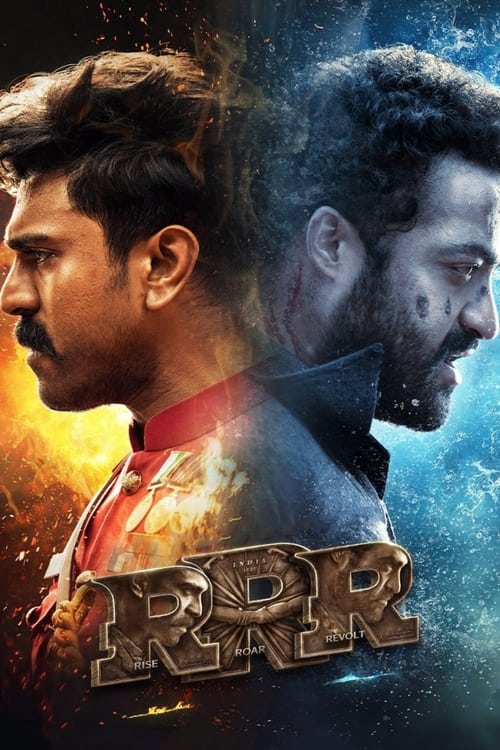
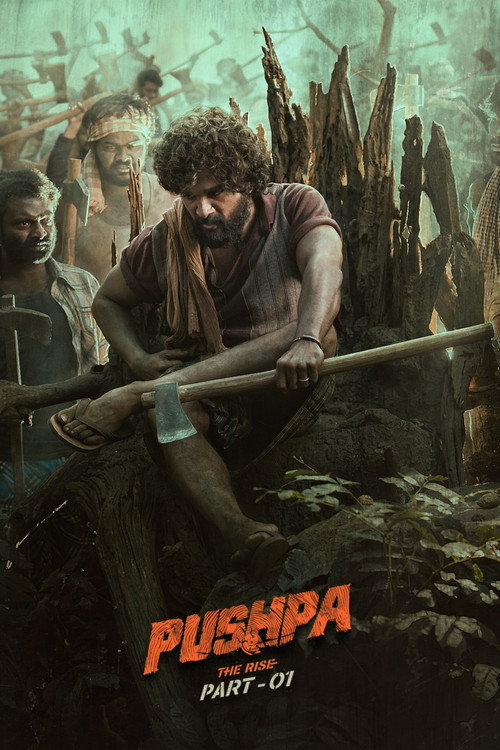
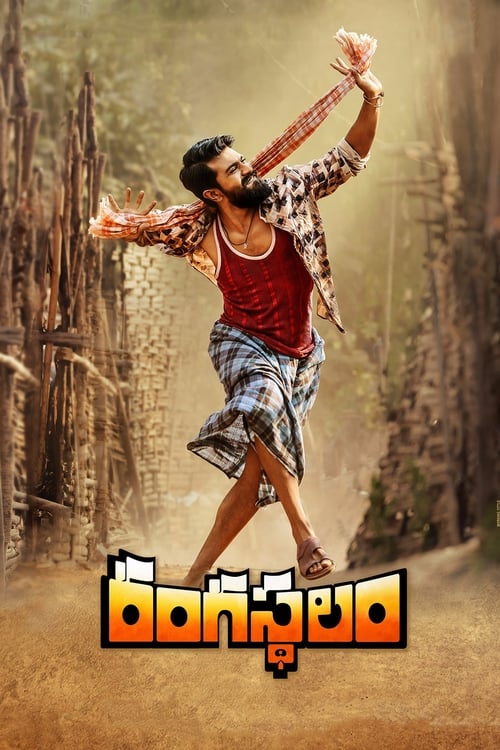
RRR completed the conversion of the skeptics. Its tale of two real-life revolutionaries reimagined as mythic brothers, set against the Raj, won the Academy Award for Best Original Song ("Naatu Naatu"), the first competitive Oscar for an Indian feature production in that category. Around Rajamouli, a generation of directors now works at his altitude: Sukumar (Pushpa, Arya, Rangasthalam), Prashanth Neel working in the Telugu and Kannada mass space (Salaar), and Trivikram Srinivas, whose dialogue-driven family entertainers are their own art form.
Telugu cinema figured out the pan-India release a decade before Bollywood admitted it needed one.CrossBinge editors
The auteur cut
Where ambition meets craft: the films cinephiles point to



A short history of Telugu cinema
- 1931Bhakta Prahlada, the first Telugu talkie, launches the sound era.
- 1957Maya Bazaar, the studio-era mythological that remains a beloved touchstone.
- 1960sN.T. Rama Rao and Akkineni Nageswara Rao define the classic star system.
- 1980K. Viswanath's Sankarabharanam revives classical Carnatic music on screen. Sankarabharanam
- 1980sChiranjeevi rises as the original mega-star of mass cinema.
- 2009Magadheera shows Rajamouli's blockbuster scale. Magadheera
- 2015Baahubali: The Beginning pioneers the unified pan-India release.
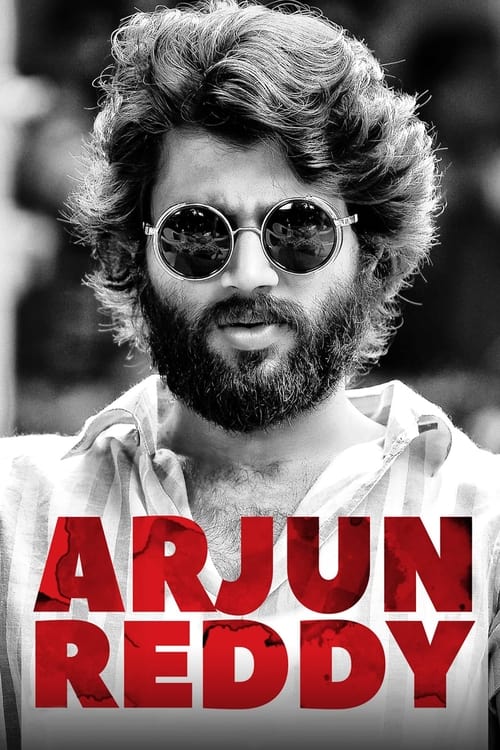
- 2017Arjun Reddy detonates a new wave of raw, intense youth dramas. Arjun Reddy
- 2022RRR wins the Oscar for Best Original Song (Naatu Naatu). RRR
- 2024Pushpa 2: The Rule becomes one of Indian cinema's biggest grossers.
Before the boom
The classics and star vehicles that built the foundation

The sound of the mass film
You cannot separate Telugu cinema from its music. The composer M.M. Keeravani (who works in Hindi cinema as M.M. Kreem) scored the Baahubali films and RRR, and his Oscar win for "Naatu Naatu" put a Telugu film song on the Dolby Theatre stage. Earlier, Ilaiyaraaja brought symphonic ambition to Sagara Sangamam and Geethanjali, and A.R. Rahman has worked on major Telugu releases as well. The film song here is not decoration. The item number, the montage anthem, and the romantic duet are load-bearing structure.
The soundtrack is also how these films travel. Long before "Naatu Naatu" became a global dance trend, a hit Telugu album could outrun the film itself across the diaspora. Streaming has only amplified that: the music drops as an event, weeks before release, and sets expectations the movie then has to match.
The new wave matters more than the box office records
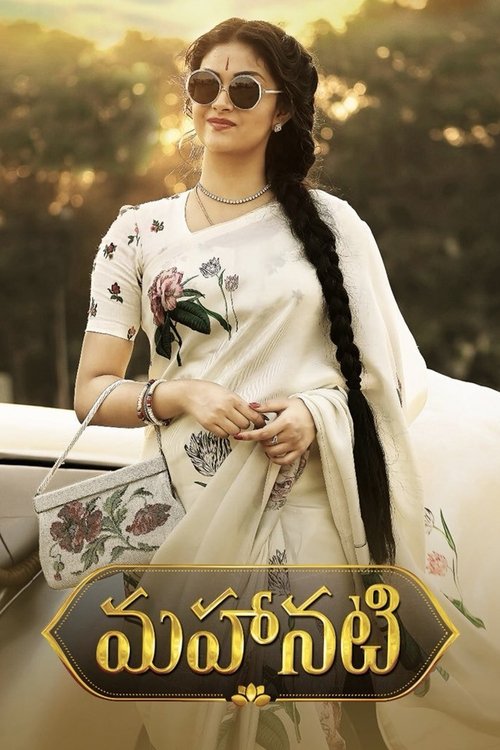
The headlines belong to the thousand-crore grossers, but the more interesting story is the realist, character-first films breaking out of the mass mold. C/o Kancharapalem told an interwoven small-town love story with non-professional actors. Mahanati gave the legendary actress Savitri a biopic with genuine craft. Arjun Reddy (later remade in Hindi as Kabir Singh) was abrasive and divisive, but it proved a Telugu youth drama could set the national conversation. The spectacle pays the bills. These films are widening what the industry is allowed to be.