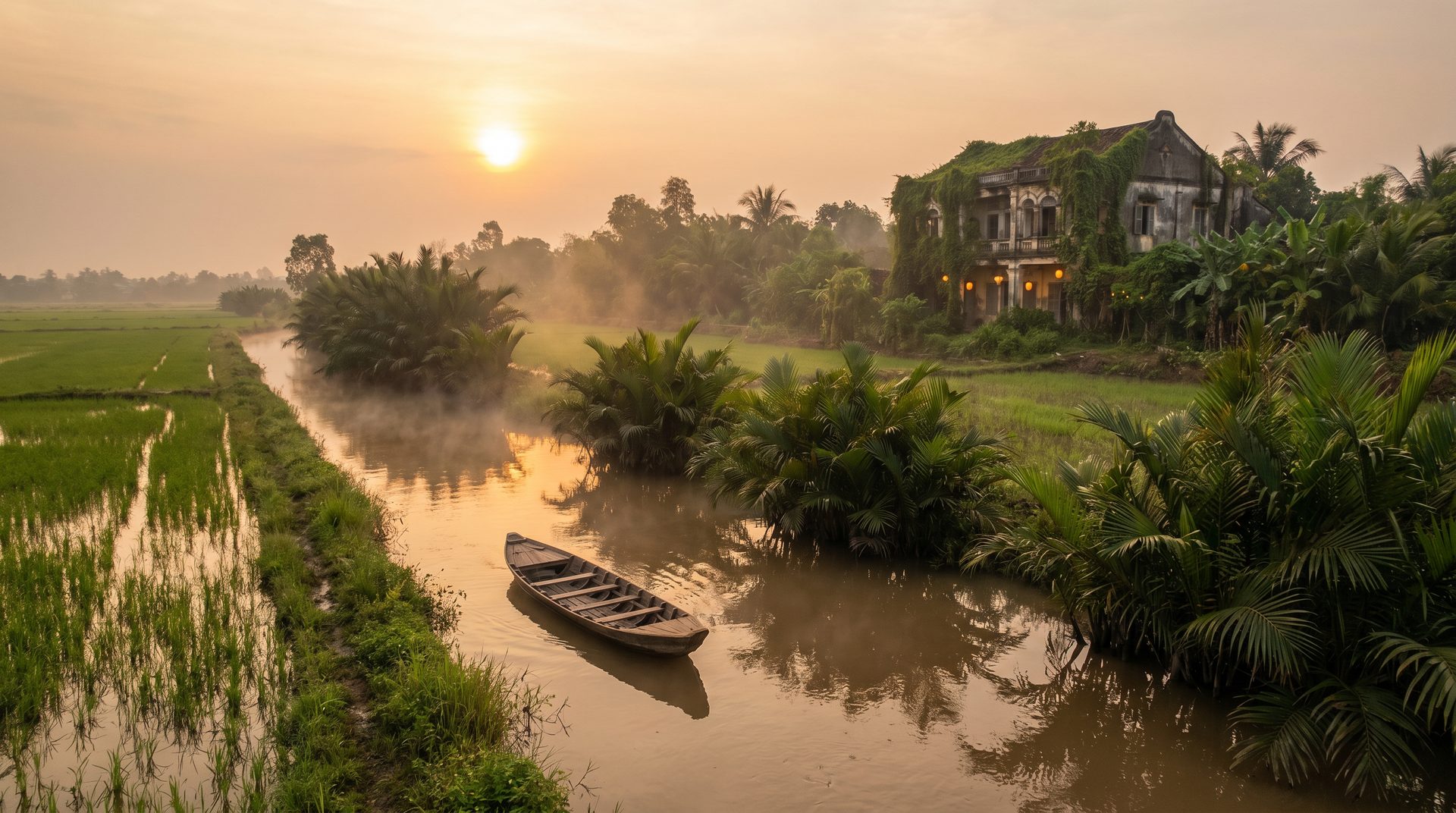

A cinema of heat, water, and memory
Vietnamese-language cinema spent its first decades as an instrument of the state. After 1954 the northern studios in Hanoi made revolutionary dramas and documentaries; the war itself became the defining subject, shot under fire and edited as testimony. Even after reunification in 1975, the films that traveled abroad were the ones that processed that war's long aftermath rather than its battles, the grief and dislocation that the official histories smoothed over.
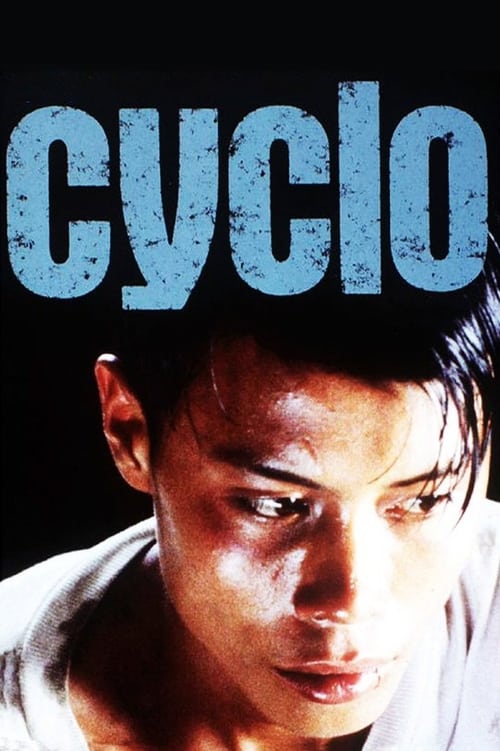
The real turn came in the 1990s. Tran Anh Hung, a Vietnamese emigre raised in France, made The Scent of Green Papaya almost entirely on a Paris soundstage and won the Camera d'Or at Cannes, then returned to Saigon to shoot Cyclo, a fevered crime fresco that took the Golden Lion at Venice. Suddenly there was a Vietnamese art cinema legible to the festival world: sensual, patient, obsessed with texture (steam, sweat, rain, the sound of insects). Inside the country, Dang Nhat Minh remained the great national auteur, a director who could make a war widow's quiet endurance feel like the whole century.
What distinguishes this cinema is its trust in the senses over plot. The camera lingers; meaning arrives through humidity and ritual rather than dialogue. That instinct survives in the contemporary wave, even as Vietnam has built a loud commercial industry of horror, comedy, and family melodrama that now routinely outgrosses Hollywood at home.
The festival breakthrough
The films that made the world look

Dang Nhat Minh and the national voice
If Tran Anh Hung is the diaspora's poet, Dang Nhat Minh is the cinema's conscience from inside. When the Tenth Month Comes follows a young widow who hides her husband's wartime death from his dying father; it is a film about lying out of love, and about a country that lied to itself about its losses. The Girl on the River and later Don't Burn (an adaptation of the wartime diary of Dang Thuy Tram, a young doctor killed in the war) cemented him as the director who refused to let the war become abstraction.
Around him, the state-studio tradition produced quieter classics that rarely screened in the West but anchor the canon at home, films about peasants, rivers, and the slow violence of poverty.
The greatest Vietnamese films do not depict the war. They depict the long exhale afterward, the grief that has to be hidden so a family can keep eating.CrossBinge editors
A chronology
- 1959The first feature of the state-run northern industry, On the Same River, dramatizes a couple split by the partition line.
- 1979Nguyen Hong Sen's The Abandoned Field: Free Fire Zone, a Mekong war film told from the rice paddies, is among the period's signature works.
- 1984Dang Nhat Minh's When the Tenth Month Comes becomes the canonical postwar grief film.
- 1993Tran Anh Hung wins the Camera d'Or at Cannes for The Scent of Green Papaya. The Scent of Green Papaya
- 1995Cyclo takes the Golden Lion at Venice. Cyclo
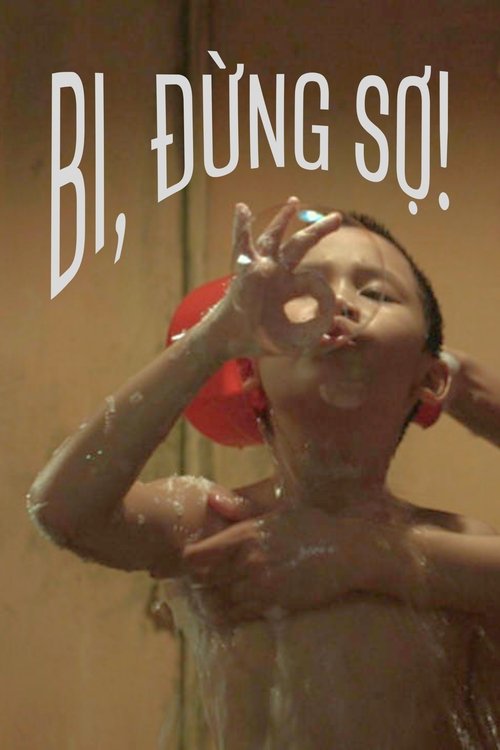
- 2010Phan Dang Di's Bi, Don't Be Afraid signals a new arthouse generation at Cannes Critics' Week. Bi, Don't Be Afraid
- 2018Ash Mayfair's The Third Wife and the rise of Tran Thanh's blockbuster comedies mark the split between festival art and box-office commerce. The Third Wife
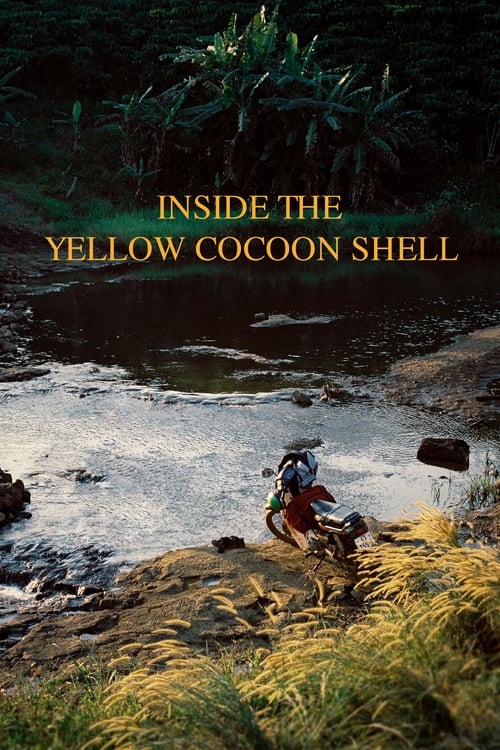
- 2023Pham Thien An's Inside the Yellow Cocoon Shell wins the Camera d'Or at Cannes, a long, slow spiritual road film. Inside the Yellow Cocoon Shell
The new wave and the new auteurs
The 2010s produced a generation that learned from Tran Anh Hung's patience but added a harder edge. Phan Dang Di (Bi, Don't Be Afraid, Big Father, Small Father and Other Stories) brought a frank sensuality and a Saigon that sweats. Ash Mayfair's The Third Wife turned a 19th-century arranged marriage into a study of female desire under patriarchy. Most recently, Pham Thien An's Inside the Yellow Cocoon Shell won the 2023 Camera d'Or with a long-take spiritual odyssey that announced a major new talent.
The diaspora keeps feeding back in too. The same year, Tran Anh Hung won Best Director at Cannes for the French-language The Taste of Things, and younger Viet-American and Viet-French directors keep the conversation between Saigon and the festival circuit alive.
The contemporary wave
Festival cinema after 2010

Box-office Vietnam
The commercial industry that now rules the home market

Vietnam's best export is its patience, not its action stars
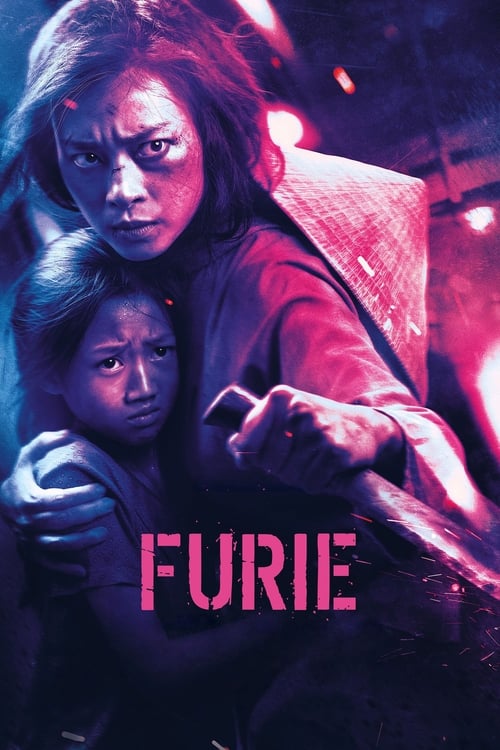
The international press loves Furie and the Veronica Ngo action lineage because it reads as Vietnam doing something familiar, a Southeast Asian riff on the lone-avenger thriller. Fine. But the films that actually matter, the ones that change how you watch, are the slow ones: The Scent of Green Papaya, Inside the Yellow Cocoon Shell, Glorious Ashes. Vietnam's gift to world cinema is sensory patience, the willingness to let a scene breathe until the humidity itself becomes the plot. Bet on the cinema of stillness, not the cinema of the roundhouse kick.
Beyond the screen
Vietnam's literary canon is the deeper root system under all of this. Bao Ninh's The Sorrow of War is the essential novel of the conflict from the northern soldier's side, the prose equivalent of Dang Nhat Minh's grief films. Nguyen Du's epic poem The Tale of Kieu remains the country's foundational text, recited and quoted everywhere. Viet Thanh Nguyen's The Sympathizer (written in English, by a diaspora author) became the great novel of the war's two-sidedness and later an HBO series. The home video-game and original-soundtrack scenes remain small, so this guide stays where Vietnamese culture is strongest: on screen and on the page.