 CrossBinge
Film: Bosco d'amore →
CrossBinge
Film: Bosco d'amore →
More like Bosco d'amore
Cross-media recommendations across film, TV, games, books & music — picked by taste.
Bosco d'amore places a young cross-class couple in plague-ravaged, war-torn 14th-century Europe, drawing on Boccaccio's Decameron to shape their journey into a procession of vivid human encounters — mystics, soldiers of the warring Papal armies — before love briefly steadies them. If this film speaks to you, you're drawn to stories where desire collides with social hierarchy, where chaos becomes a stage for intimacy, and where the texture of a specific historical moment is inseparable from the emotional stakes of its characters.
About Bosco d'amore
Bosco d'amore is a 1981 Italian drama film directed by Alberto Bevilacqua. It is loosely based on story three from day five in The Decameron by Giovanni Boccaccio.
From the Wikipedia article Forest_of_Love, available under CC BY-SA.
Series like Bosco d'amore
 Series
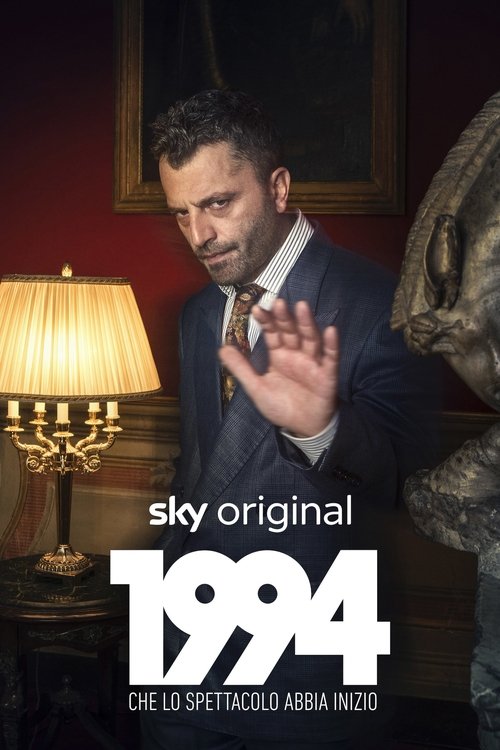
1994
Series
1994
Italy at a historical turning point where private ambition and public upheaval intertwine, as in the film.
 Series
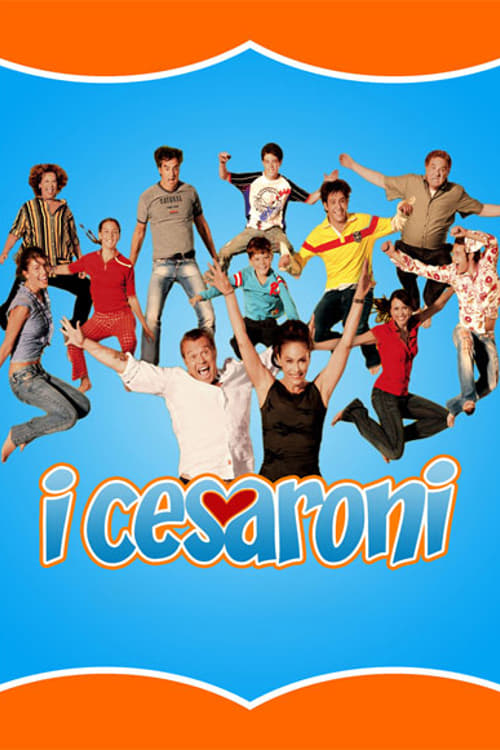
The Cesaronis
Series
The Cesaronis
A widower and a woman from a different background negotiate class and family, echoing the film's cross-class romance.
 Series
Baby
Series
Baby
Two young people from privileged families who lead secret lives, parallel to the film's rebellious young couple.
 Series
Dolce Amore
Series
Dolce Amore
Rich and poor from different worlds seek identity through each other, echoing the film's class-divided love story.
 Series
Tutti pazzi per amore
Series
Tutti pazzi per amore
Two people navigating love amid family and circumstance, sharing the film's warm, life-tangled romantic spirit.
 Series
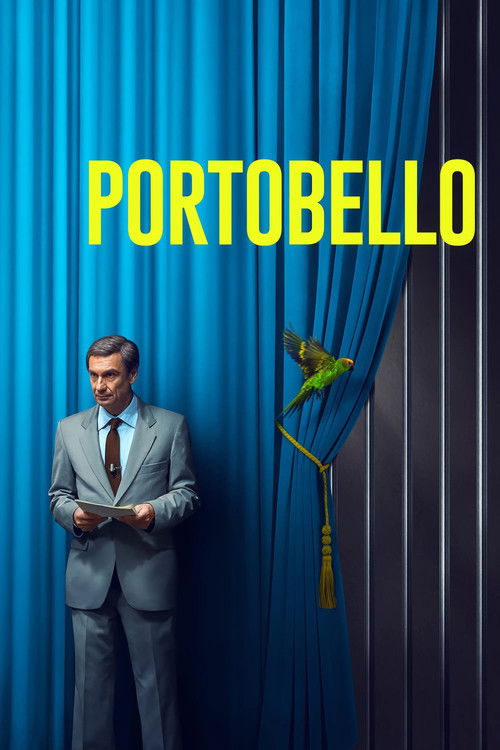
Portobello
Series
Portobello
A beloved Italian TV figure's life upended by a false connection to the Camorra, set in the turbulent early 1980s.
Books to read after Bosco d'amore
 Book
Road To Romance
Book
Road To Romance
A journey through Italy where young people discover that guides — and romance — are not what they seem.
 Book
Blood & beauty
Book
Blood & beauty
Papal corruption and Italian brutality in a world where beauty and violence coexist, as in the film's setting.
 Book
The man from Tuscany
Book
The man from Tuscany
Wartime separation tests a love between two young Italians, mirroring the film's theme of desire under historical duress.
 Book
The Italian's Wife by Sunset
Book
The Italian's Wife by Sunset
A fiery passion with a younger Italian that defies practical sense, echoing the film's headstrong pursuit of love.
 Book
Tre volte te (Italian Edition)
Book
Tre volte te (Italian Edition)
A man reflecting on a past defined by defiance and love, sharing the film's sense of youthful feeling remembered.
 Book
1636
Book
1636
A renegade papacy on the run mirrors the film's world of fractured Church authority and political instability.
More films like Bosco d'amore
 Film
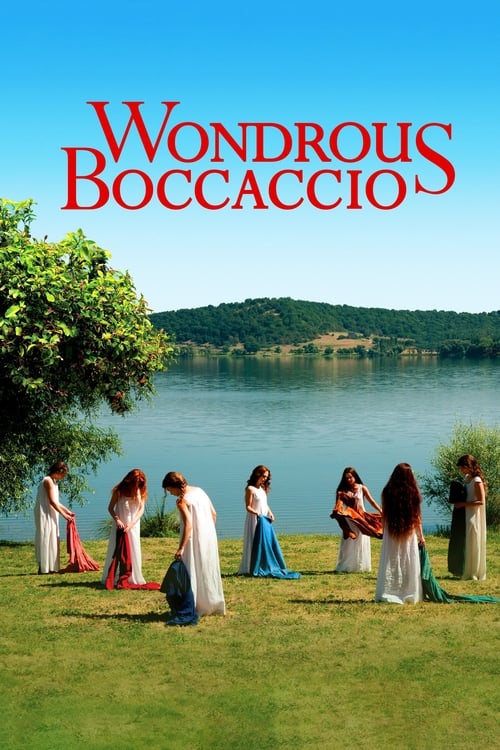
Wondrous Boccaccio
Film
Wondrous Boccaccio
Young people flee plague-struck Florence and find refuge together, mirroring the Decameron's own premise.
 Film
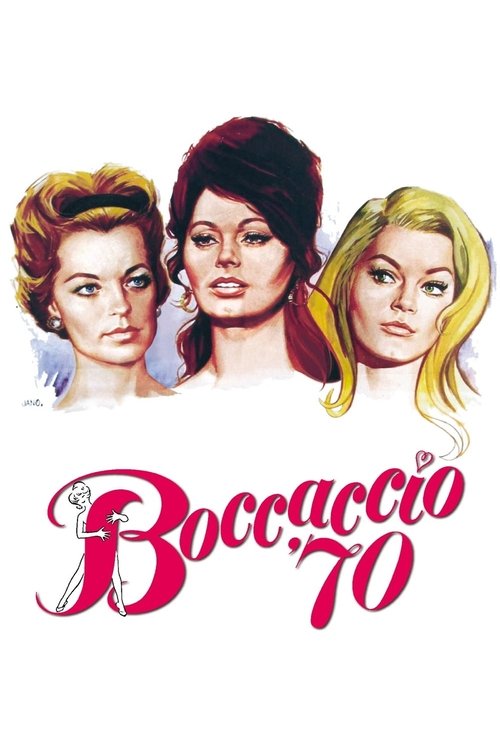
Boccaccio '70
Film
Boccaccio '70
Anthology of comic moral tales exposing the hypocrisies of desire, echoing Boccaccio's ironic storytelling mode.
 Film
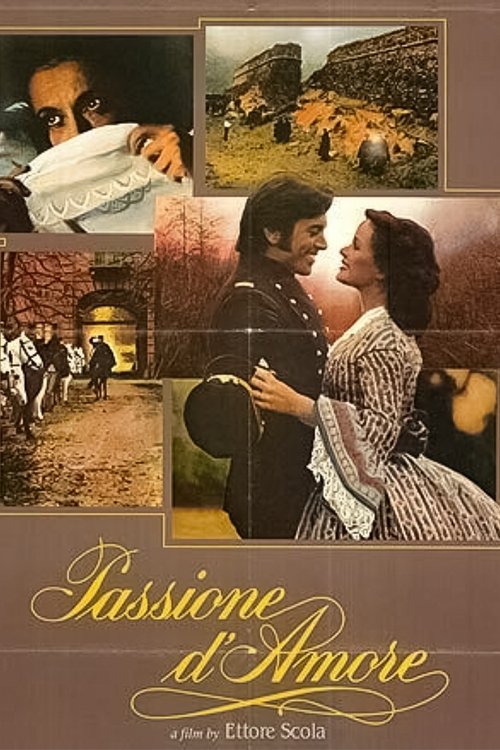
Passion of Love
Film
Passion of Love
A soldier separated from his lover navigates a remote posting, sharing the film's tension between passion and circumstance.
 Film
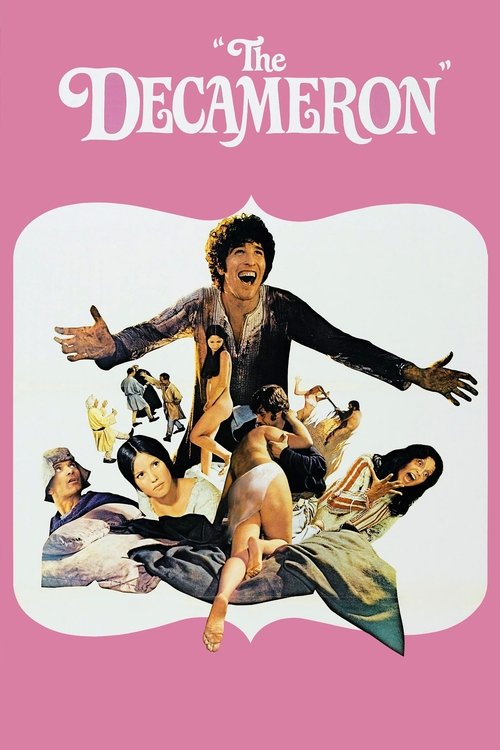
The Decameron
Film
The Decameron
Directly adapts Decameron tales of desire, deception, and social transgression across medieval Italian society.
 Film
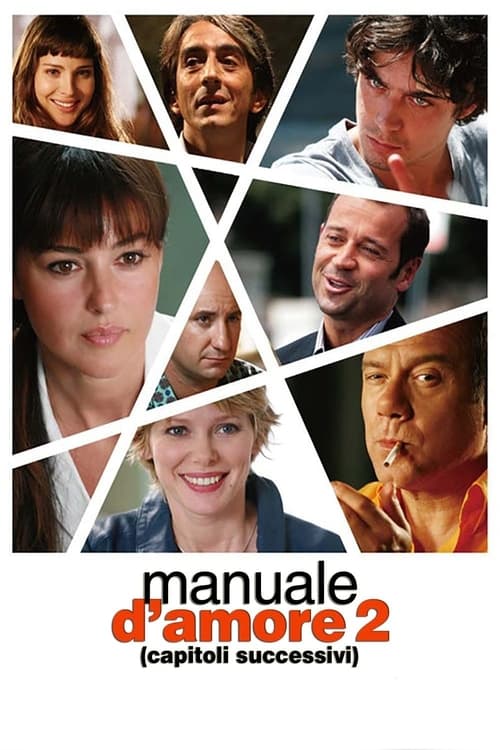
Manuale d'amore 2 (capitoli successivi)
Film
Manuale d'amore 2 (capitoli successivi)
Interwoven romantic stories across very different couples, matching the film's choral warmth toward love in its many forms.
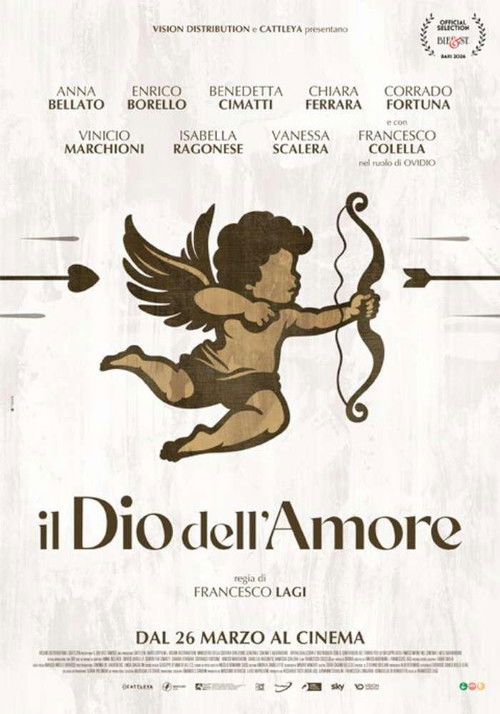 Film
Il Dio dell'Amore
Film
Il Dio dell'Amore
A choral portrait of lives caught in love's chaos, with a bittersweet irony close to the film's tone.
Frequently asked
What should I watch after Bosco d'amore?
Start with The Decameron (1971), which adapts the same Boccaccio source material, or Wondrous Boccaccio (2015) for a more recent take on the plague-era flight into storytelling. Both share the film's medieval Italian setting and episodic structure.
What books are similar to Bosco d'amore?
Blood & Beauty explores Rome shaped by papal ambition and corruption in a period not far removed, while The Man from Tuscany traces an Italian love tested by wartime separation — both echo the film's blend of passion and turbulent history.
Why does Bosco d'amore resonate with fans of Boccaccio?
It transplants the Decameron's spirit — a journey through a plague-torn world that becomes a parade of human encounters — into a continuous narrative, so the episodic meetings feel earned rather than arbitrary. The cross-class love story gives the wandering a real emotional spine.