 CrossBinge
Series: Chicago P.D. →
CrossBinge
Series: Chicago P.D. →
More like Chicago P.D.
Cross-media recommendations across film, TV, games, books & music — picked by taste.
Chicago P.D. follows two distinct groups sharing a badge in the 21st District: uniformed officers working street-level crime and a specialised Intelligence Unit targeting organised crime, drug trafficking, and high-profile murders. The show's tension lives in that split — the immediacy of patrol work against the slower, morally complicated grind of undercover investigations. If it grips you, you're drawn to stories where authority is hard-won, institutions bend under pressure, and the city shapes the people inside it.
About Chicago P.D.
Chicago P.D. is an American police procedural television series broadcast by NBC and created by Dick Wolf as the second installment of the Chicago franchise. It stars Jason Beghe, Jon Seda, Sophia Bush, Jesse Lee Soffer, Patrick Flueger, Marina Squerciati, LaRoyce Hawkins, Archie Kao, Elias Koteas, Amy Morton, Brian Geraghty, Tracy Spiridakos, Lisseth Chavez, Benjamin Levy Aguilar, Toya Turner, and Arienne Mandi; the series premiered on January 8, 2014. The show follows the uniformed patrol officers and the Intelligence Unit of the 21st District of the Chicago Police Department as they pursue the perpetrators of the city's major street offenses.
From the Wikipedia article Chicago_P.D._(TV_series), available under CC BY-SA.
Films like Chicago P.D.
 Film
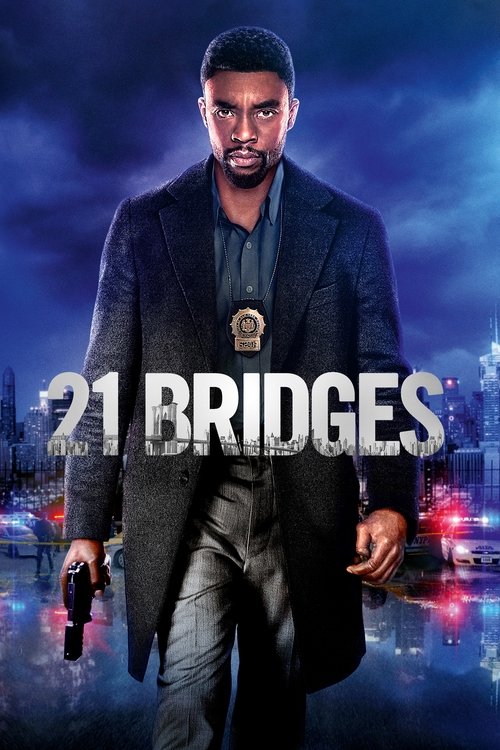
21 Bridges
Film
21 Bridges
A detective's manhunt for cop killers unravels into a conspiracy where hunter and hunted swap roles overnight.
 Film
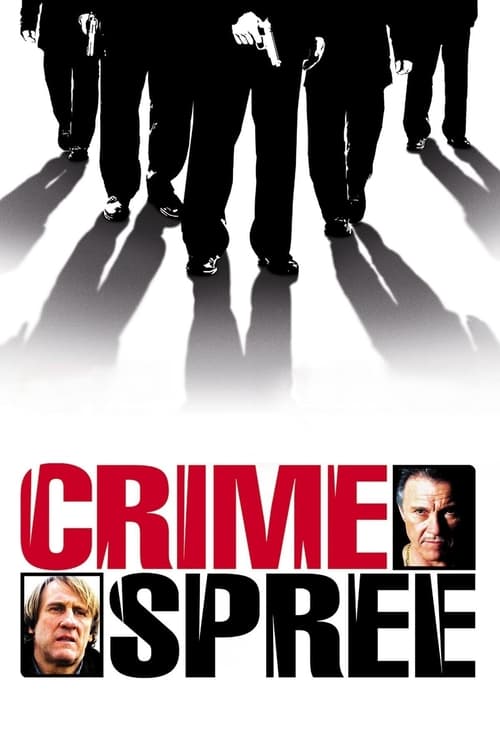
Crime Spree
Film
Crime Spree
Out-of-town burglars accidentally rob the Chicago mafia, dragging them into an underworld they have no framework to navigate.
 Film
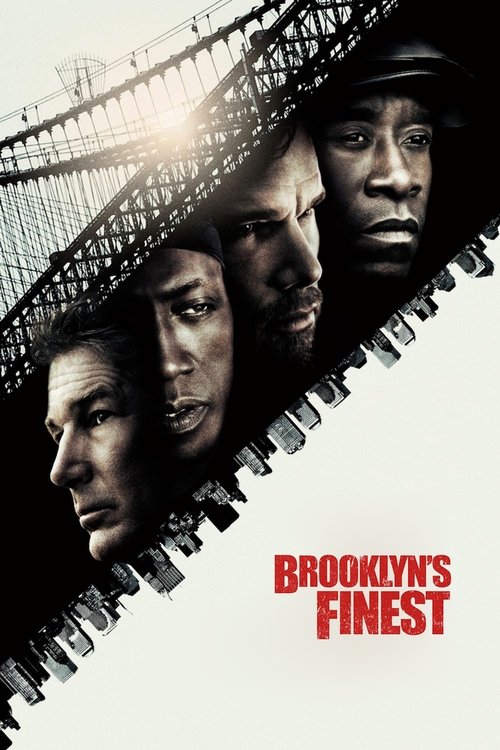
Brooklyn's Finest
Film
Brooklyn's Finest
Three officers in a rough urban precinct wrestle with the fine line between right and wrong, just as District 21 does.
 Film
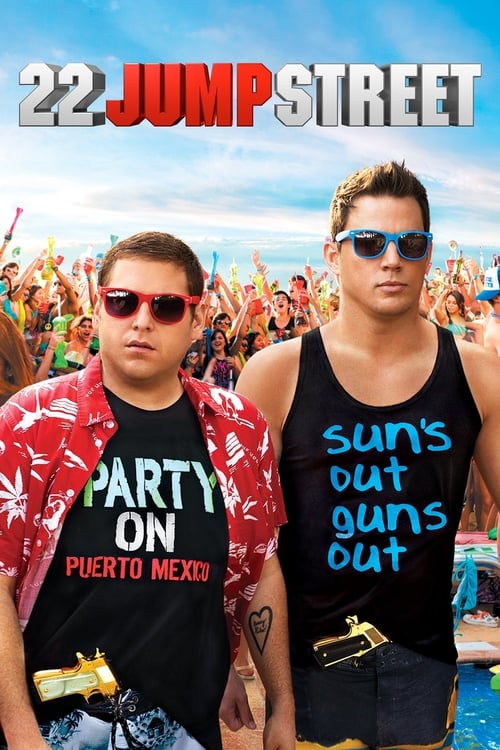
22 Jump Street
Film
22 Jump Street
Two cops go deep undercover at a college, testing loyalty and identity in ways that echo the Intelligence Unit's moral balancing act.
 Film
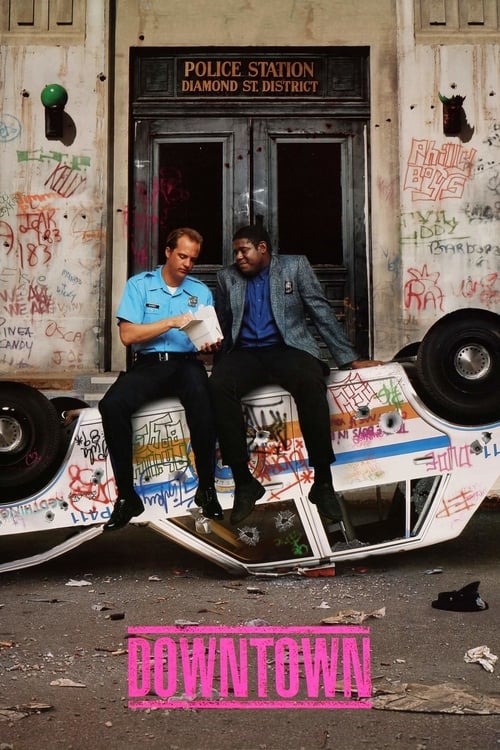
Downtown
Film
Downtown
A suburban officer reassigned to a far rougher beat discovers how quickly policing's rules and rhythms change with the territory.
 Film
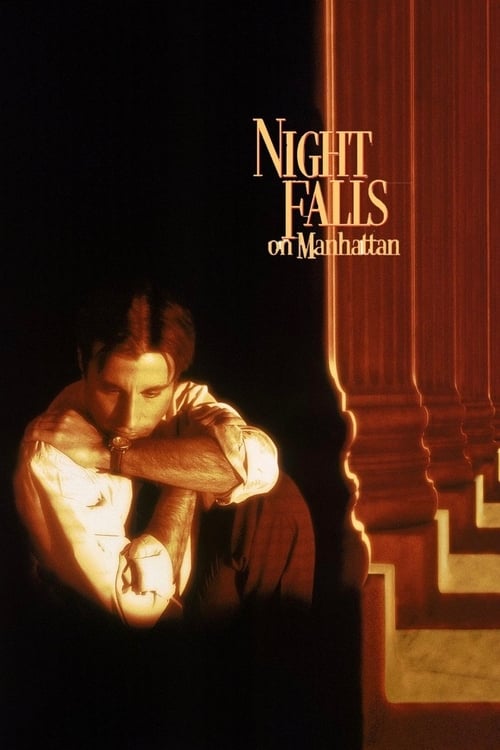
Night Falls on Manhattan
Film
Night Falls on Manhattan
A newly elected DA finds a corruption investigation pointing at his own father, putting institutional betrayal at the centre.
Games like Chicago P.D.
 Game
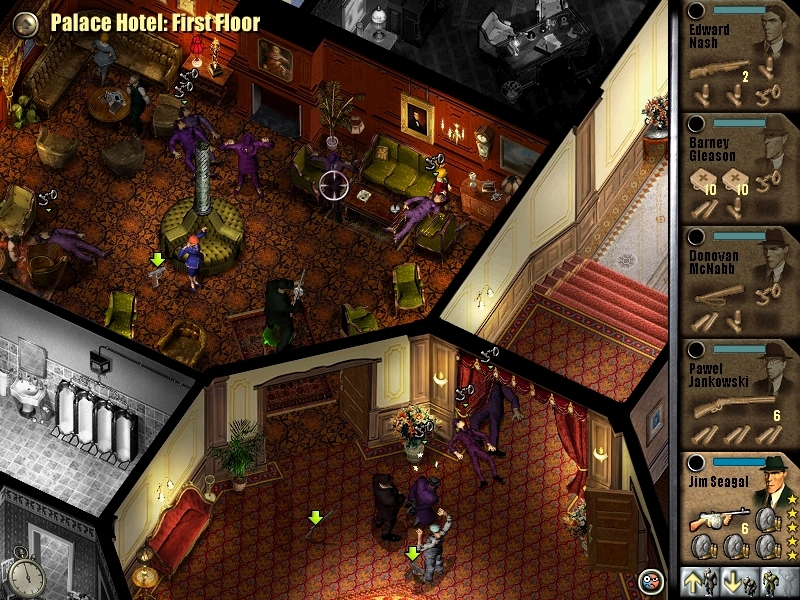
Chicago 1930: The Prohibition
Game
Chicago 1930: The Prohibition
A Chicago police task force formed to take down the mafia mirrors the Intelligence Unit's organised-crime mandate almost beat for beat.
 Game
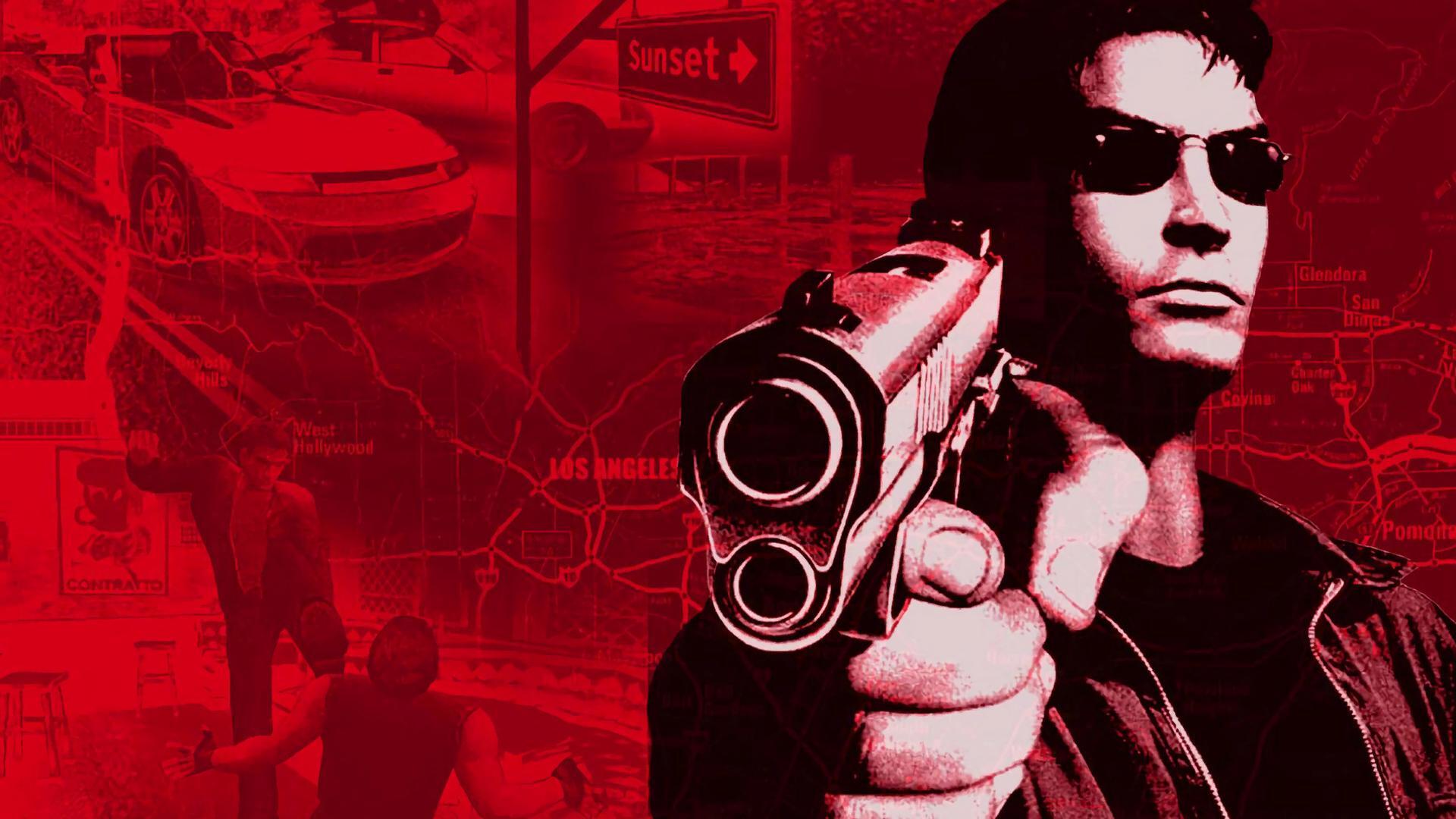
True Crime: Streets of LA
Game
True Crime: Streets of LA
An LA cop given the choice to uphold the law or take it into his own hands faces the same moral agency as *Chicago P.D.*'s detectives.
 Game
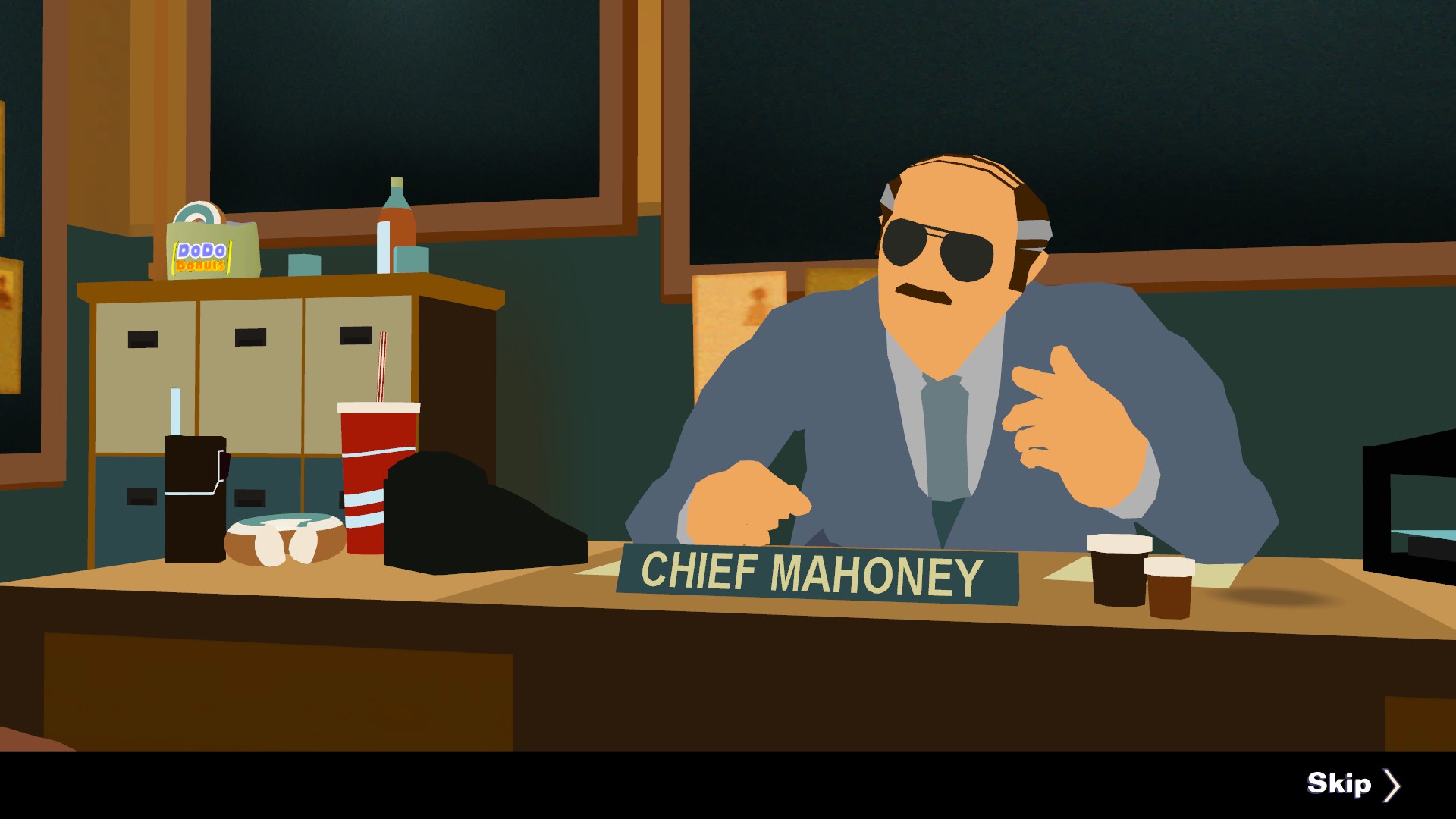
LA Cops
Game
LA Cops
Officers who've cost the department more than the rest of the state suggest the same high-pressure, high-stakes policing environment as District 21.
 Game
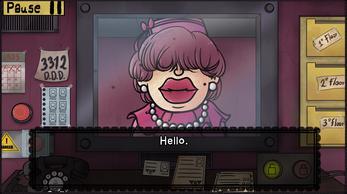
That's Not My Neighbor
Game
That's Not My Neighbor
A doorman tasked with identifying doppelgangers before they enter the building — vigilance and suspicion as the only tools available.
 Game
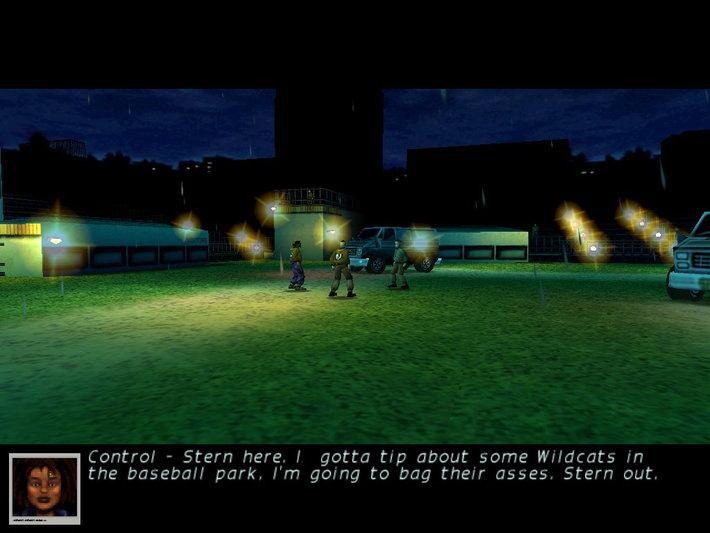
Urban Chaos
Game
Urban Chaos
A city besieged by a criminal cult's escalating violence, with one officer racing to stop them before the chaos tips into apocalypse.
 Game
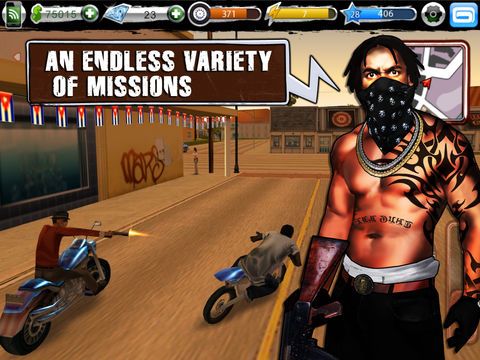
Urban Crime
Game
Urban Crime
Two gangs wage a bloody war to fill the power vacuum left by a departed crime boss, mirroring the organised-crime storylines the Intelligence Unit tackles.
Books to read after Chicago P.D.
 Book
The burning room
Book
The burning room
A Bosch cold case where the victim dies nearly a decade after the crime — the long-game patience the Intelligence Unit applies to major offences.
 Book
Detroit
Book
Detroit
Suburban neighbours whose new friendship fractures into something dangerous — the community instability that beat officers are first to encounter.
 Book
The job
Book
The job
Twenty years in the NYPD told through street-level encounters — the same boots-on-the-ground texture as *Chicago P.D.*'s patrol officers.
 Book
The late show
Book
The late show
A detective punished with the night shift, starting cases others finish — institutional friction as a daily working condition.
 Book
Land of shadows
Book
Land of shadows
A detective draws parallels between a suspicious teen suicide and her own sister's unsolved murder, making the case deeply personal.
 Book
Police at the station and they don't look friendly
Book
Police at the station and they don't look friendly
Investigating a bizarre killing in 1980s Belfast, Detective Duffy narrowly escapes becoming the killer's next target.
More series like Chicago P.D.
 Series
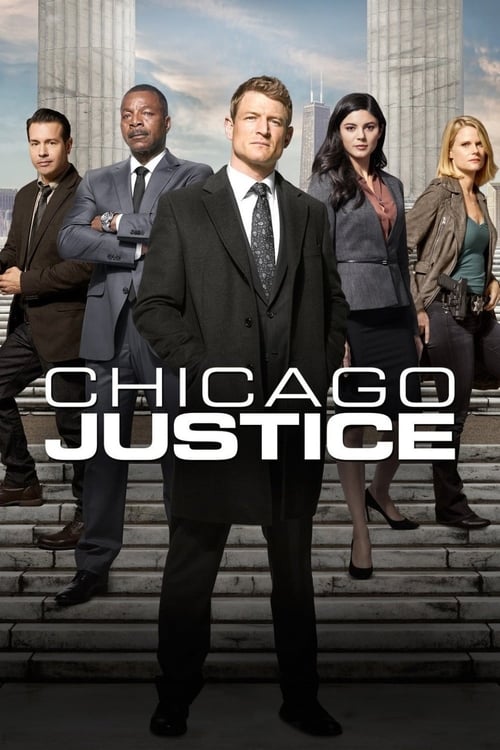
Chicago Justice
Series
Chicago Justice
Prosecutors navigate city politics and controversy to pursue justice, extending the District 21 world into the courtroom.
 Series
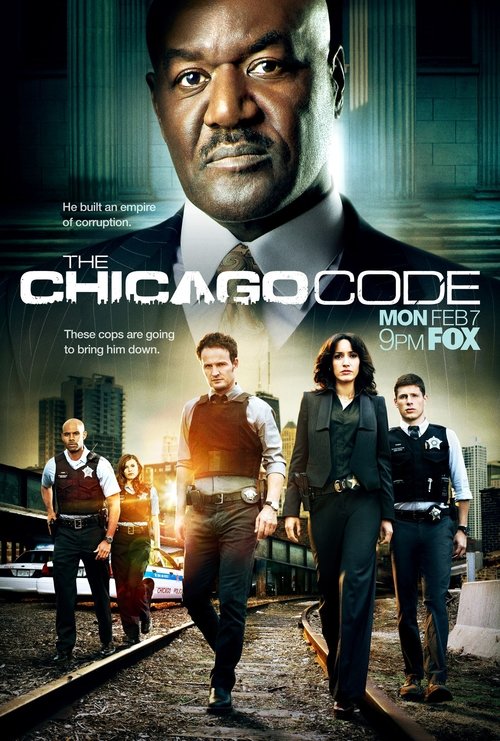
The Chicago Code
Series
The Chicago Code
Chicago officers fighting street crime while exposing political corruption maps almost exactly onto *Chicago P.D.*'s dual-layer premise.
 Series
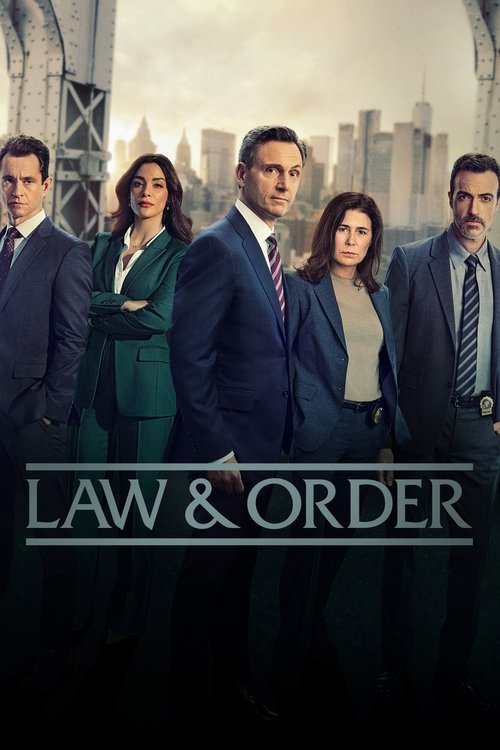
Law & Order
Series
Law & Order
Police and prosecutors split the same headline case across two phases, reflecting the procedural rigour at *Chicago P.D.*'s core.
 Series
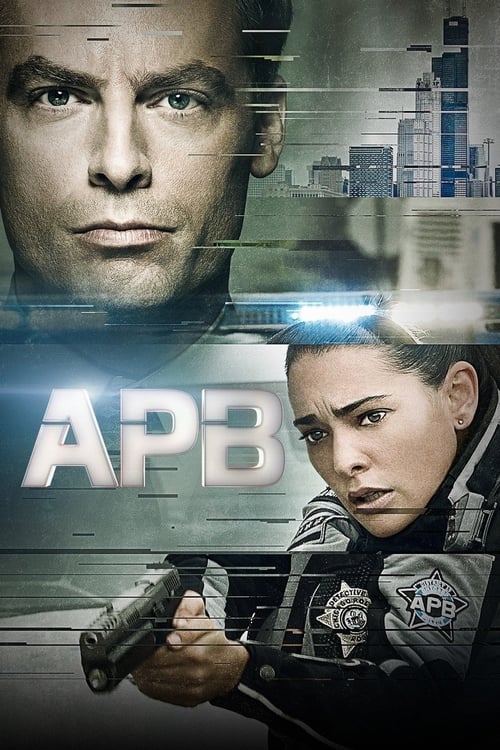
APB
Series
APB
A billionaire takes over a troubled Chicago district and reboots it with technology, rethinking the policing systems *Chicago P.D.* dramatises from inside.
 Series
Chicago Fire
Series
Chicago Fire
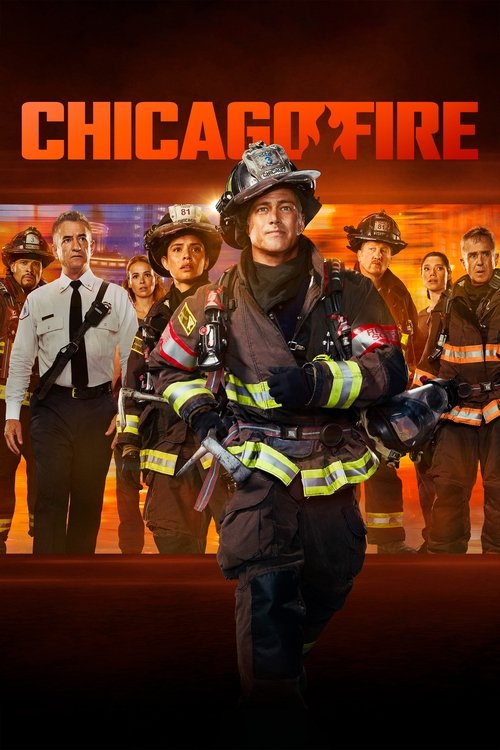
Firefighters and paramedics at Chicago Firehouse 51 share the same city and the same cost-of-service ethos as District 21.
 Series
21 Jump Street
Series
21 Jump Street
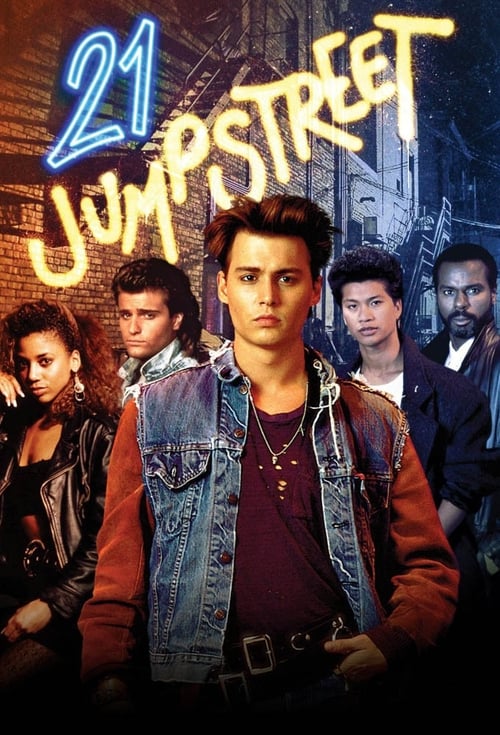
Young cops using their looks to infiltrate teenage crime circles face the same identity strain as undercover Intelligence Unit work.
Frequently asked
What should I watch after Chicago P.D.?
Chicago Justice is the most direct next step — it follows the same city's prosecutors navigating cases that start in the streets. The Chicago Code covers Chicago officers fighting both street crime and political corruption, and Chicago Fire rounds out the same urban world from the firehouse.
What games are like Chicago P.D.?
Chicago 1930: The Prohibition puts you in charge of a police task force taking on the Chicago mafia, letting you choose your side. True Crime: Streets of LA casts you as an LA cop who can uphold the law or bend it — the same moral agency the Intelligence Unit wrestles with.
What makes Chicago P.D. compelling beyond the procedural cases?
The show splits its world between uniformed patrol officers and a specialised Intelligence Unit, so every episode carries both immediate street tension and the slower burn of organised crime, corruption, and the personal cost of undercover work. That structural tension — duty against improvisation — is what keeps it from feeling like a standard case-of-the-week procedural.