More like Damage
Cross-media recommendations across film, TV, games, books & music — picked by taste.
Damage is a study in how desire can hollow out a life built on discipline and public respectability. A British politician at the peak of his career enters a sexual obsession with his son's fiancée — a betrayal that corrodes family, career, and self from within. The taste it signals: psychological drama where surfaces of propriety conceal destructive inner lives, where a single forbidden attachment sets off irreversible collapse, and where the greatest casualties are the people who never chose to be involved.
About Damage
Damage is a 1992 romantic psychological drama film directed and produced by Louis Malle and starring Jeremy Irons, Juliette Binoche, Miranda Richardson, Rupert Graves, and Ian Bannen. Adapted by David Hare from the 1991 novel Damage by Josephine Hart, the film is about a British politician (Irons) who has a sexual relationship with his son's fiancée and becomes increasingly obsessed with her. Richardson was nominated for an Academy Award for Best Supporting Actress and won a BAFTA Award for Best Actress in a Supporting Role for her performance as the aggrieved wife of the film's main character.
From the Wikipedia article Damage_(1992_film), available under CC BY-SA.
Series like Damage
 Series
Addicted Heroin
Series
Addicted Heroin
A general's son fleeing his father's remarriage and a poor stepbrother defy class boundaries through love.
 Series
Scars of Beauty
Series
Scars of Beauty
Grievous wrongs committed within families drive two women toward revenge at enormous personal cost.
 Series
Wounded Love
Series
Wounded Love
A woman sustains love and family under conditions of absence and upheaval, carrying the full weight of what war takes.
 Series
Obsession
Series
Obsession
A London surgeon's erotic obsession with his son's fiancée is the direct television counterpart of this story's central destruction.
 Series
Missing Crown Prince
Series
Missing Crown Prince
Two people on a collision course with fate fight for each other against the political forces arrayed against them.
 Series
Beauty and Mr. Romantic
Series
Beauty and Mr. Romantic
A woman's fall from public favour and the private effort to restore her frames love against professional ruin.
Books to read after Damage
 Book
Accidents in the Home
Book
Accidents in the Home
A woman's rekindled affair with her best friend's partner fractures female friendship through mutual desire and envy.
 Book
Ecole des femmes
Book
Ecole des femmes
An aged guardian and a young suitor compete for a young woman in a contest of authority versus romantic will.
 Book
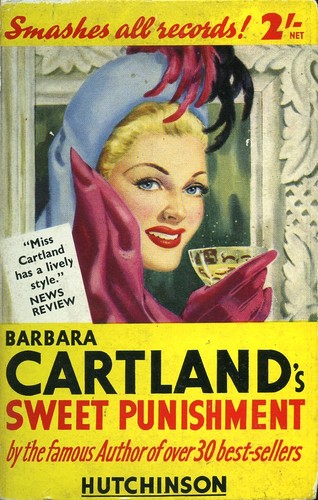
Sweet Punishment
Book
Sweet Punishment
A woman whose reckless desire scandalises respectable society finds passion and consequence inextricably linked.
 Book
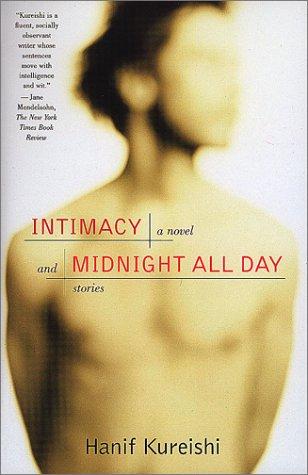
Intimacy
Book
Intimacy
A London man narrates the wreckage of an intimate partnership undone by his own infidelity and need.
 Book
To love again
Book
To love again
A tense domestic arrangement between a widow and a man of volatile temper keeps want and danger in close proximity.
 Book
A Scandalous Marriage
Book
A Scandalous Marriage
A settled marriage is destabilised when an old rival reappears, threatening the security both partners had assumed was permanent.
More films like Damage
 Film
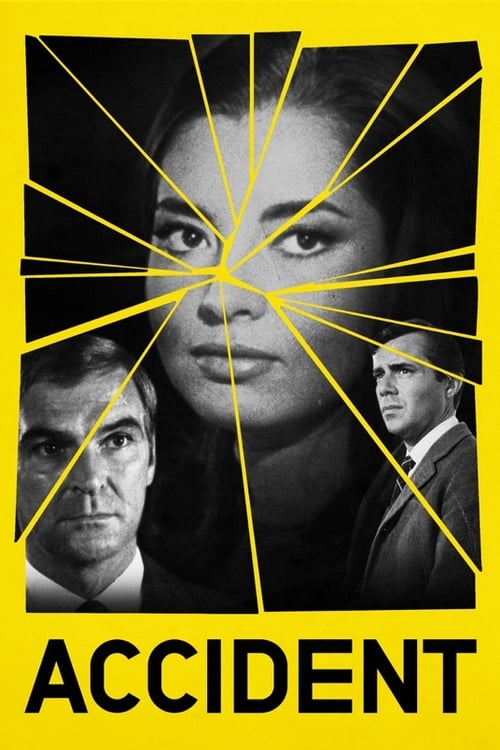
Accident
Film
Accident
An Oxford professor's secret desire for his student's fiancée mirrors the same forbidden triangle of older man, younger woman, and betrayed intimate.
 Film
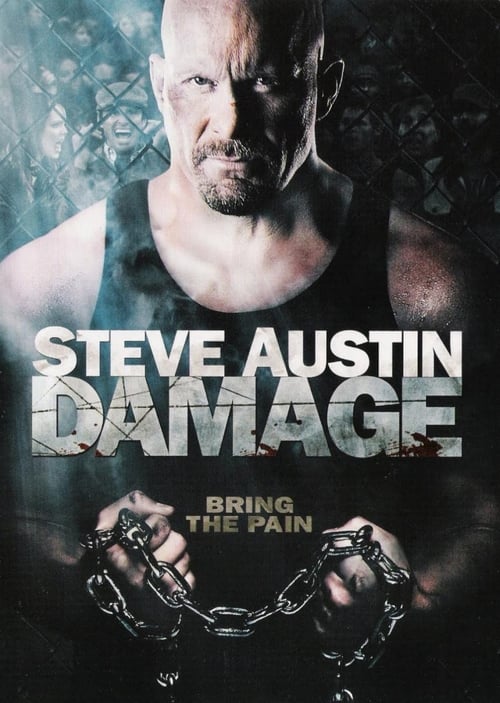
Damage
Film
Damage
An ex-con fights in underground cage matches to fund a life-saving operation for his victim's daughter.
 Film
Casualties
Film
Casualties
A woman tormented by a sadistic husband desperately searches for any way out of her predicament.
 Film
Damaged
Film
Damaged
A Chicago detective tracks a serial killer to Scotland whose crimes match the case of his own murdered girlfriend.
 Film
Deadly Attraction
Film
Deadly Attraction
A man's choices ripple outward, reshaping the lives of everyone around him within the span of a single year.
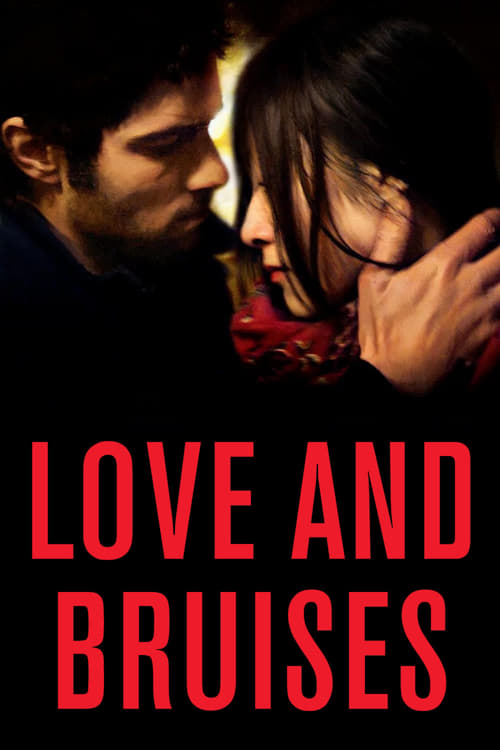 Film
Love and Bruises
Film
Love and Bruises
A woman repeatedly drawn to men who harm her finds desire and destruction bound together in ways she cannot easily escape.
Frequently asked
What should I watch after Damage (1992)?
The TV series Obsession is an almost direct companion — it follows a London surgeon drawn into the same forbidden dynamic with his son's fiancée, making it the most obvious next watch. Accident (1967) explores similar obsessive desire among the English establishment.
Are there books like Damage for fans of obsessive, morally complex love stories?
Intimacy follows a London TV writer confessing an affair and its fallout, capturing the same claustrophobic self-destruction as the film. Accidents in the Home also weaves forbidden desire into the fabric of seemingly respectable domestic life.
Why do people still talk about Damage decades later?
The film's power comes from watching a man of status and reason dismantle everything — family, career, dignity — in plain sight, with no melodrama. It treats obsession as a psychological condition rather than a romance, which makes it feel unusually honest.