More like Hamlet
Cross-media recommendations across film, TV, games, books & music — picked by taste.
Hamlet sits at the intersection of grief, moral paralysis, and the corrupting pull of power. A prince discovers that the throne was seized through murder, and what follows is not a clean revenge story but a prolonged, anguished reckoning with action, inaction, and the cost of both. The play's charged confrontations and interior soliloquies explore emotional terrain that most art never approaches. If this is the work drawing you in, you're drawn to stories where the real drama is interior — where betrayal, dynasty, and the weight of a dead father's expectations press down on every choice.
About Hamlet
The Tragedy of Hamlet, Prince of Denmark, often shortened to Hamlet, is a tragedy written by William Shakespeare sometime between 1599 and 1601. It is Shakespeare's longest play. Set in Denmark, the play depicts Prince Hamlet and his attempts to exact revenge against his uncle, Claudius, who has murdered Hamlet's father in order to seize his throne and marry Hamlet's mother.
From the Wikipedia article Hamlet, available under CC BY-SA.
Films like Hamlet
 Film
Hamlet
Film
Hamlet
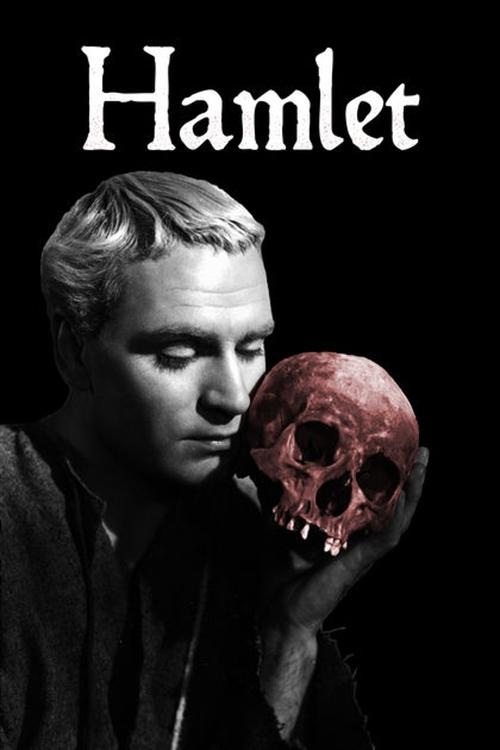
Olivier's Oscar-winning adaptation — Best Picture and Best Actor — with him directing and playing the title role.
 Film
Hamlet
Film
Hamlet
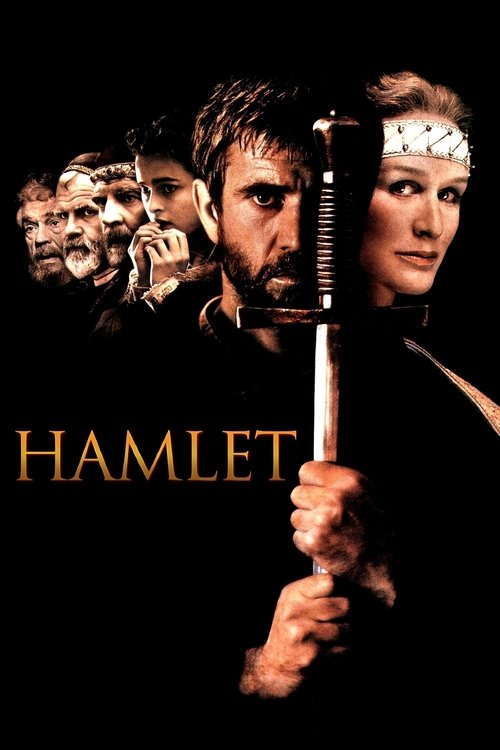
Hamlet learns his uncle Claudius murdered his father to seize the throne, and plans his revenge.
 Film
Hamlet
Film
Hamlet
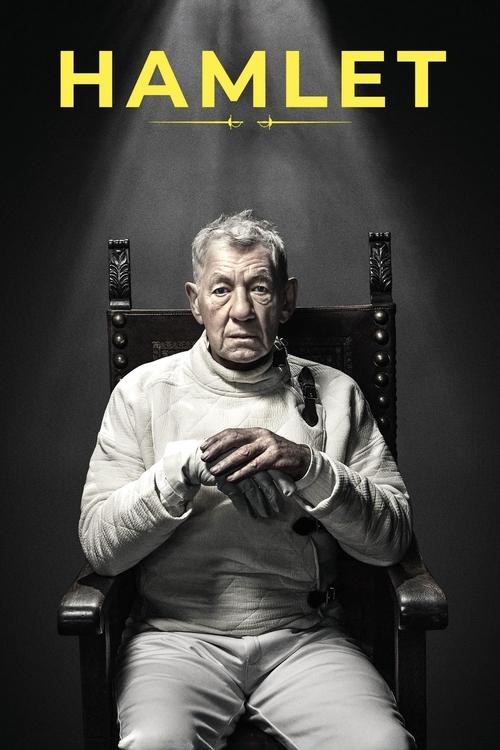
Shakespeare's classic tragedy reimagined for the modern day as a psychological thriller, filmed inside a real theatre.
 Film
Hamlet
Film
Hamlet
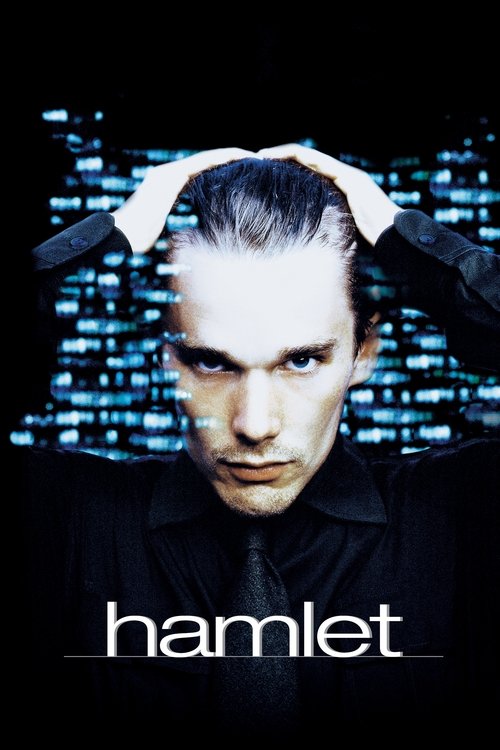
The same story of a son's duty to avenge his murdered father, relocated to contemporary New York City.
 Film
Hamlet
Film
Hamlet
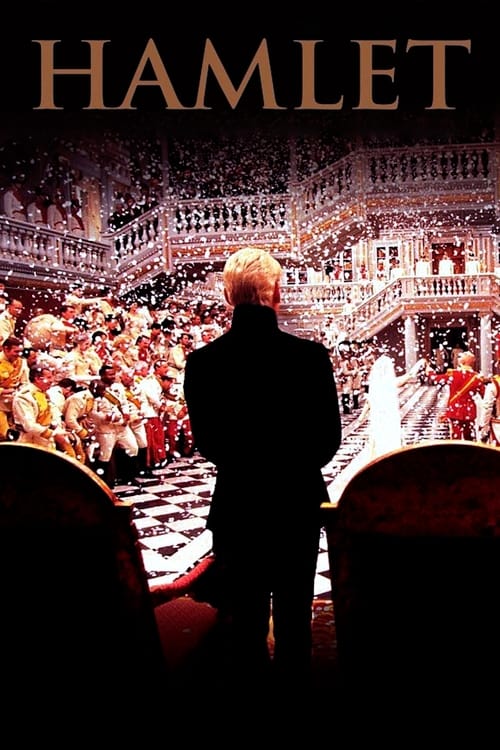
Homecoming, a father's murder, a mother now marrying the murderer — and war already brewing at the borders.
 Film
Hamlet
Film
Hamlet
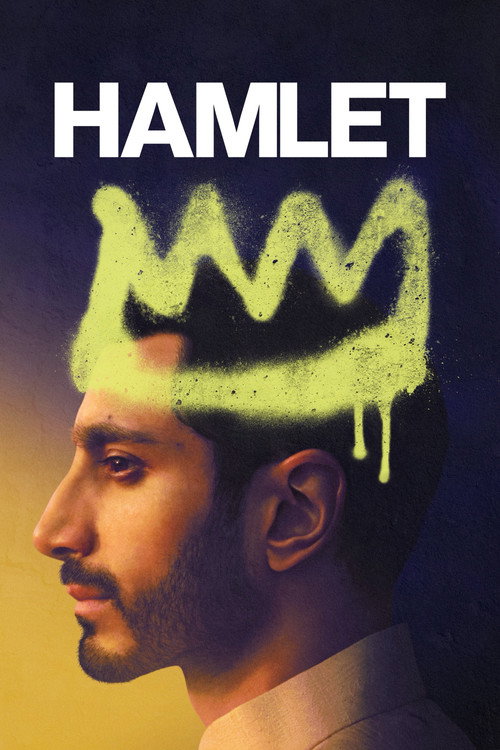
Hamlet returns for his father's funeral, learns his uncle Claudius is the murderer, and spirals into reckoning.
Series like Hamlet
 Series
Will
Series
Will
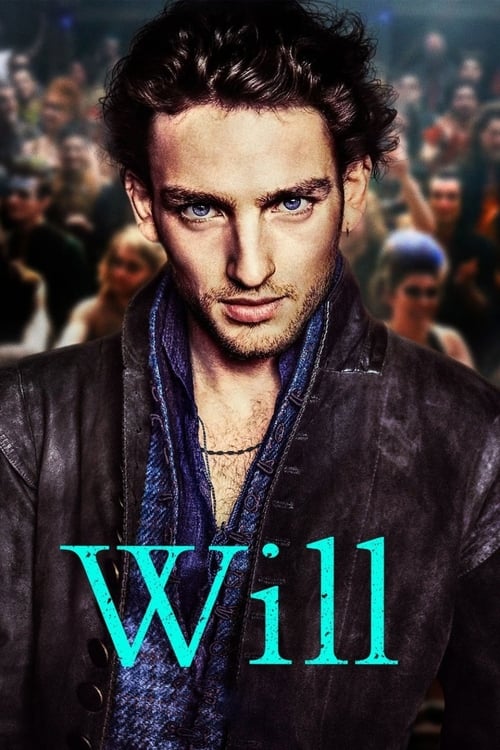
Young Shakespeare navigating a violent, chaotic London theater world where raw talent meets religious and social upheaval.
 Series
The Childhood of Romeo and Juliet
Series
The Childhood of Romeo and Juliet
Star-crossed young love caught between rival families, where mysteries from the past must be solved to stay together.
 Series
An Age of Kings
Series
An Age of Kings
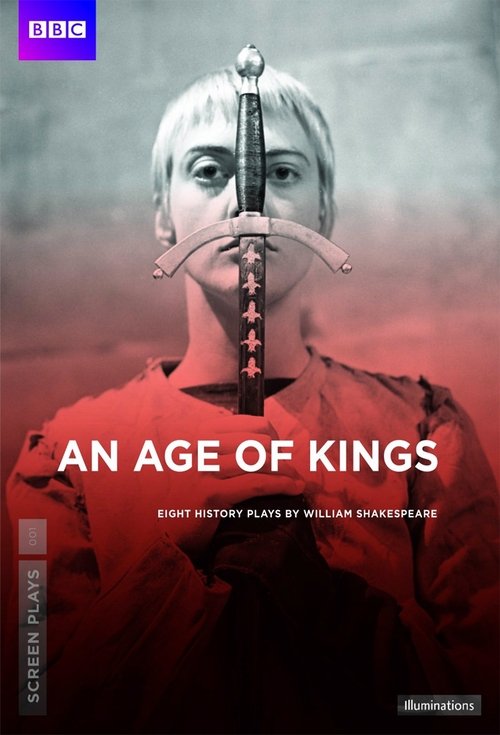
Shakespeare's history plays linked into one chronicle of monarchs rising and falling across nearly a century of power.
 Series
ShakespeaRe-Told
Series
ShakespeaRe-Told
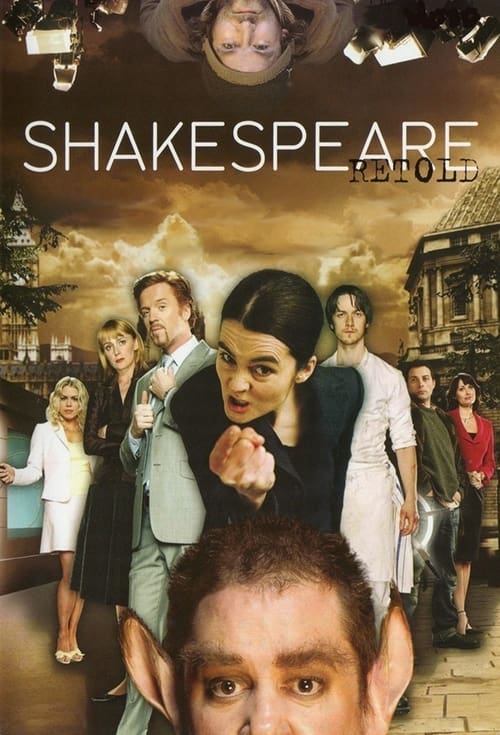
Four Shakespeare plays dramatically relocated to the modern day.
 Series
I, Claudius
Series
I, Claudius
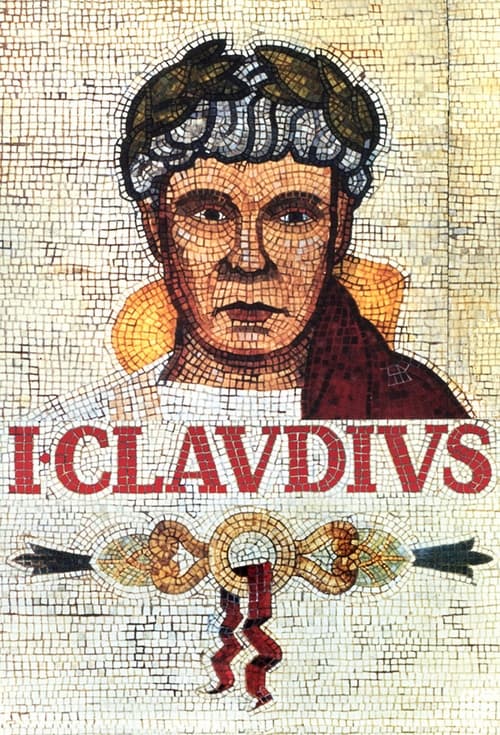
A web of power, corruption, and lies chronicling the reigns of Roman emperors Augustus, Tiberius, Caligula, and Claudius.
 Series
The Hollow Crown
Series
The Hollow Crown
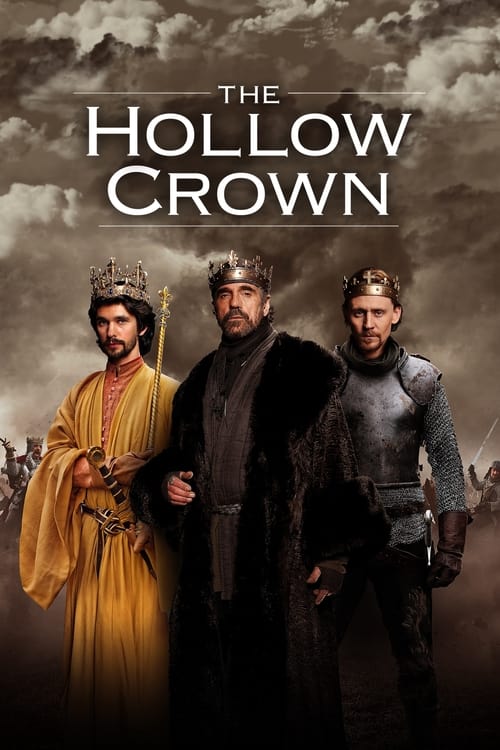
Shakespeare's history plays adapted as a series of British television films.
More books like Hamlet
 Book
Twentieth century interpretations of Hamlet
Book
Twentieth century interpretations of Hamlet
A collection of critical essays and commentary on Shakespeare's Hamlet.
 Book
Plays (Hamlet / Macbeth)
Book
Plays (Hamlet / Macbeth)
A single volume pairing Hamlet with Macbeth — two Shakespeare tragedies together.
 Book
Form and meaning in drama
Book
Form and meaning in drama
Examines Hamlet alongside Greek tragedy, with chapters on the Oedipus connection and the problem of Hamlet.
 Book
Tragedies (Hamlet / King Lear / Macbeth / Othello)
Book
Tragedies (Hamlet / King Lear / Macbeth / Othello)
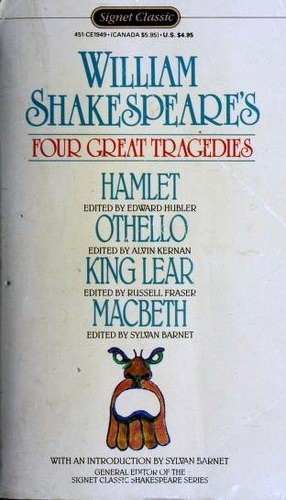
Collects Hamlet with King Lear, Macbeth, and Othello in one Shakespeare tragedies volume.
 Book
Shakespeare
Book
Shakespeare
Presents Shakespeare's life and work alongside the theater world of sixteenth-century London that shaped them.
 Book
William Shakespeare's Julius Caesar
Book
William Shakespeare's Julius Caesar
Nine critical essays on a Shakespeare tragedy, arranged chronologically by original publication date.
Frequently asked
Which film adaptation of Hamlet should I watch first?
Sir Laurence Olivier's Hamlet (1948) is the classic entry point — an Academy Award winner for Best Picture and Best Actor. If you prefer something modern, the 2024 reimagining plays it as a psychological thriller set inside a real theatre.
Are there TV shows for fans of Shakespeare's tragedies?
I, Claudius (1976) is the standout pick: a darkly comic drama about Roman emperors tangled in power, corruption, and murder that mirrors Hamlet's themes of treachery and dynastic rot. The Hollow Crown adapts Shakespeare's history plays directly.
What books should I read alongside Hamlet?
Form and Meaning in Drama digs into Hamlet's connection to Greek tragedy, while Twentieth Century Interpretations of Hamlet collects critical essays that unpack the play's famously ambiguous motivations from multiple angles.