 CrossBinge
Album: Hunky Dory →
CrossBinge
Album: Hunky Dory →
More like Hunky Dory
Cross-media recommendations across film, TV, games, books & music — picked by taste.
Hunky Dory marks a creative pivot — composed at the piano rather than guitar, it finds David Bowie reshaping himself mid-career, reaching toward something more melodic, literary, and self-aware. The taste it signals spans art-rock reinvention, the theatre of identity, and the glamour of the early-seventies moment: music as costume, persona as art. Listeners drawn to it tend to want work that circles the same themes — the mythology of the pop star, the performance of the self, and the cultural electricity of that era.
About Hunky Dory
Hunky Dory is the fourth studio album by the English musician David Bowie, released in the United Kingdom on 17 December 1971 through RCA Records. Following a break from touring and recording, Bowie settled down to write new songs, composing on piano rather than guitar as in earlier works. Bowie assembled Mick Ronson (guitar), Trevor Bolder (bass) and Mick Woodmansey (drums), and recorded the album in mid-1971 at Trident Studios in London. Rick Wakeman contributed piano shortly before joining Yes. Bowie co-produced the album with Ken Scott, who had engineered Bowie's previous two records.
From the Wikipedia article Hunky_Dory, available under CC BY-SA.
Films like Hunky Dory
 Film
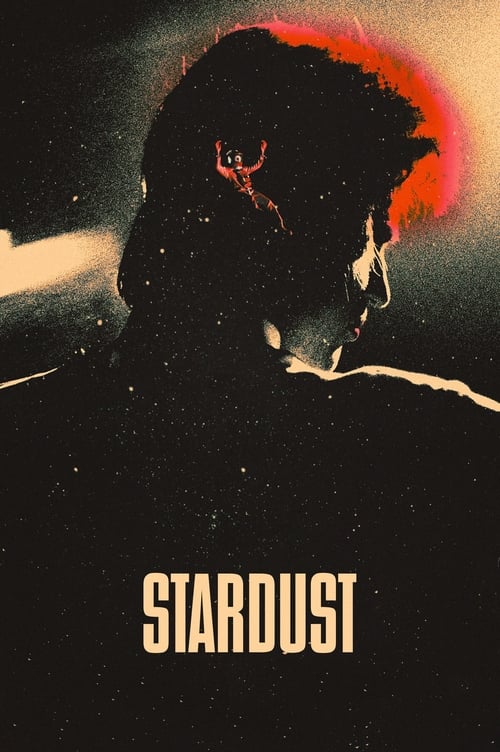
Stardust
Film
Stardust
Dramatises Bowie's 1971 American tour to promote his third album — the journey during which the Ziggy Stardust persona crystallised.
 Film
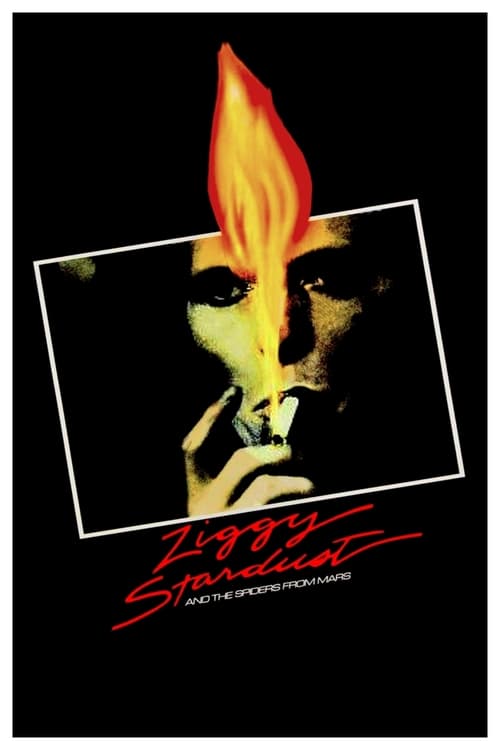
Ziggy Stardust and the Spiders from Mars
Film
Ziggy Stardust and the Spiders from Mars
A filmed record of Ziggy Stardust's final performance — decadent, ironic, and theatrically excessive in the same spirit.
Books to read after Hunky Dory

Frequently asked
What should I watch after getting into Hunky Dory?
Stardust drops you into 1971 and the American publicity tour Bowie undertook to promote The Man Who Sold the World — the journey during which the Ziggy persona took shape. Ziggy Stardust and the Spiders from Mars then captures the theatrical peak and retirement of that persona.
Are there good books about the world Hunky Dory came from?
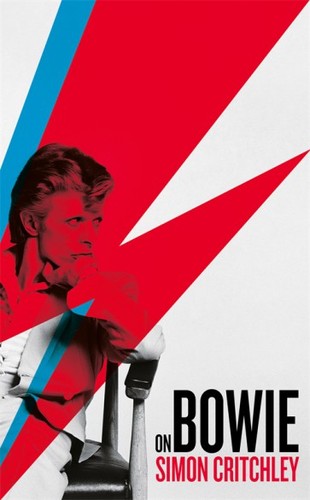
Bowie is a direct appreciation of the artist, lyricist and icon; Psychotic Reactions and Carburettor Dung situates him within the wider rock landscape of that generation through sharp critical essays.
Why does Hunky Dory feel so different from other early-70s rock?
It was composed on piano rather than guitar, which gave it a more melodic, song-writerly structure — and it was recorded and co-produced with Ken Scott at Trident Studios in London, tightening the artistic vision.