More like [Led Zeppelin IV]
Cross-media recommendations across film, TV, games, books & music — picked by taste.
Led Zeppelin IV was released in November 1971 with no band name on the cover — a statement of intent from a group that recorded it largely at Headley Grange, a rented country house, between December 1970 and February 1971. It contains "Stairway to Heaven," an eight-minute track that became one of rock's most recognised recordings. These picks follow the culture it came from: documentary portraits, concert films, and the broader social history of the genre.
About [Led Zeppelin IV]
The untitled fourth studio album by the English rock band Led Zeppelin, commonly known as Led Zeppelin IV, was released on 8 November 1971, by Atlantic Records. It was produced by the band's guitarist, Jimmy Page, and recorded between December 1970 and February 1971, mostly in the country house Headley Grange. The album contains one of the band's best-known recordings, the eight-minute-long "Stairway to Heaven".
From the Wikipedia article Led_Zeppelin_IV, available under CC BY-SA.
Films like [Led Zeppelin IV]
 Film
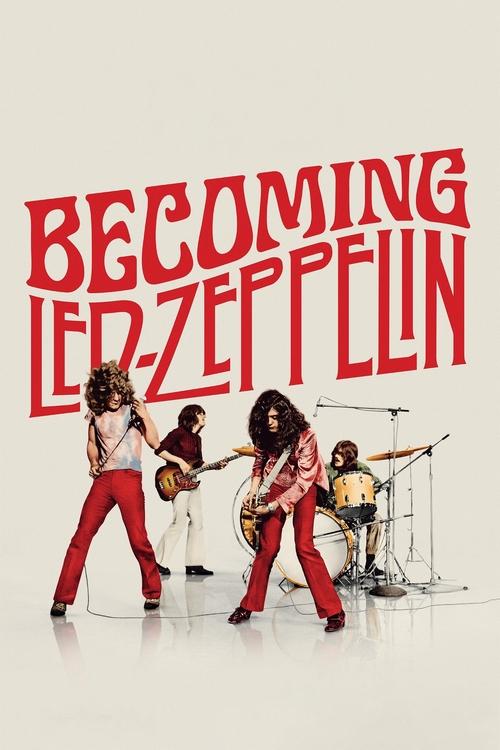
Becoming Led Zeppelin
Film
Becoming Led Zeppelin
Traces the individual journeys of four musicians through 1960s Britain up to their meeting in 1968.
 Film
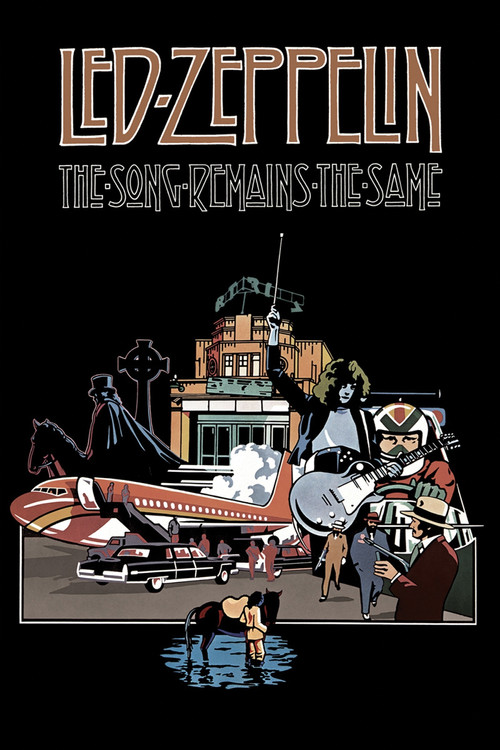
Led Zeppelin - The Song Remains the Same
Film
Led Zeppelin - The Song Remains the Same
Captures Led Zeppelin's 1973 Madison Square Garden performances alongside behind-the-scenes footage.
 Film
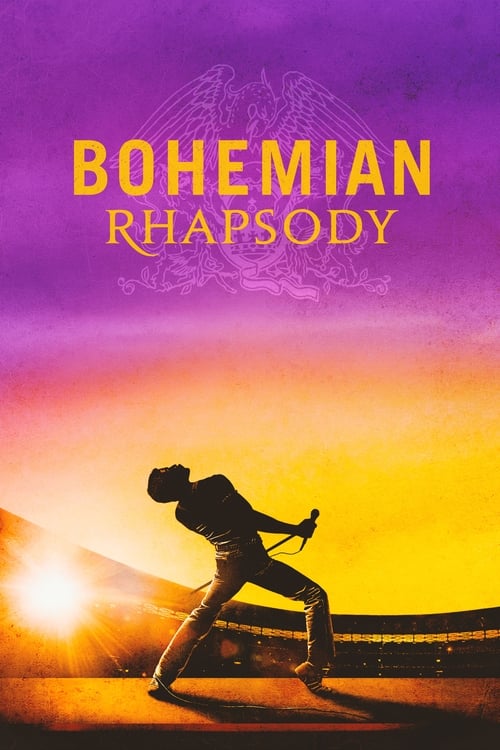
Bohemian Rhapsody
Film
Bohemian Rhapsody
Follows four musicians who form Queen in 1970 and watch their songs become instant classics.
 Film
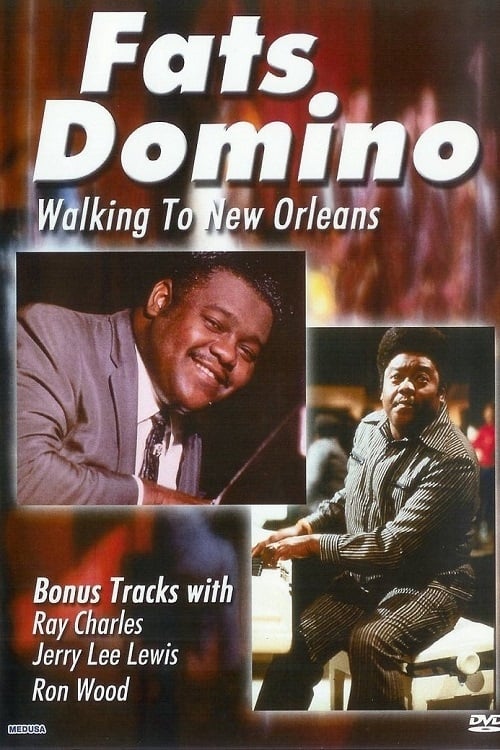
Fats Domino: Walking to New Orleans
Film
Fats Domino: Walking to New Orleans
A performance document tracing Fats Domino's rock-and-roll catalogue song by song.
Books to read after [Led Zeppelin IV]
 Book
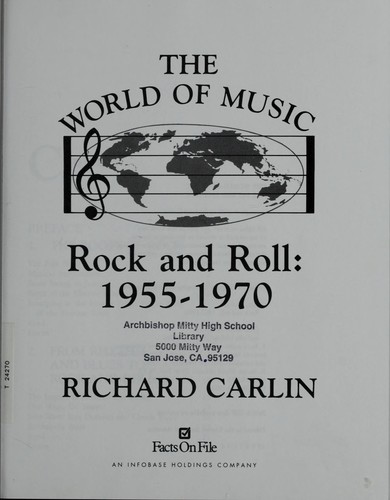
Rock and roll, 1955-1970
Book
Rock and roll, 1955-1970
Examines rock's roots in rhythm and blues, through solo stars and on to supergroups.
 Book
The girl's guide to rocking
Book
The girl's guide to rocking
A practical guide to turning a love of music into the real act of playing it.
 Book
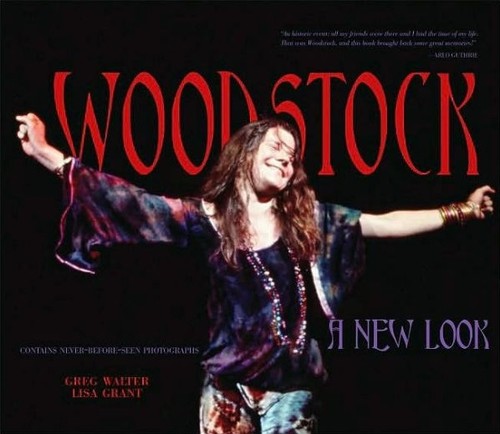
Woodstock
Book
Woodstock
Personal photographs and firsthand account of working on the crew at Woodstock.
 Book
Thomas and Beulah
Book
Thomas and Beulah
A poetry sequence that includes a section titled "The Zeppelin Factory" among its verse portraits.
Frequently asked
What should I watch after getting into Led Zeppelin IV?
The concert film Led Zeppelin - The Song Remains the Same captures the band at their 1973 peak, while Becoming Led Zeppelin traces the origin story of how those four musicians found each other in 1968.
Are there any documentaries about bands like Led Zeppelin?
Bohemian Rhapsody follows Queen's rise from 1970, overlapping the same era of arena rock, and Becoming Led Zeppelin is a direct deep-dive into the band's own formation and early climb.
Is there a book about the era that produced Led Zeppelin IV?
Rock and Roll, 1955–1970 covers the roots, rhythm and blues, and supergroups that shaped the sound Led Zeppelin built on, giving solid historical context for the album's influences.