 CrossBinge
Book: My Sister's Keeper →
CrossBinge
Book: My Sister's Keeper →
More like My Sister's Keeper
Cross-media recommendations across film, TV, games, books & music — picked by taste.
My Sister's Keeper centres on thirteen-year-old Anna Fitzgerald, conceived to be a bone marrow match for her sister Kate, who has leukemia. Having undergone surgeries, transfusions, and medical procedures her entire life, Anna begins to question the role assigned to her at birth — and eventually sues her parents for medical emancipation when asked to donate a kidney. Told from multiple perspectives, Jodi Picoult's novel presses hard on questions of parental love, bodily autonomy, and what one person may justifiably demand of another.
About My Sister's Keeper
My Sister's Keeper is the eleventh novel by the American author Jodi Picoult. It is based upon Anissa and Marissa Ayala. Published in 2004, it tells the story of thirteen-year-old Anna Fitzgerald, who sues her parents for medical emancipation when she is told to donate a kidney to her elder sister Kate, who is suffering from acute leukemia.
From the Wikipedia article My_Sister's_Keeper_(novel), available under CC BY-SA.
Films like My Sister's Keeper
 Film
My Sister's Keeper
Film
My Sister's Keeper
The film adaptation follows the same family forced into an unorthodox choice to save a child's life.
 Film
Four Hands
Film
Four Hands
A sister's protective vow curdles into obsession, mirroring the suffocating weight of sibling loyalty.
 Film
Me and My Sister
Film
Me and My Sister
Two sisters who are near-opposites navigate friction and intimacy when forced back into each other's orbit.
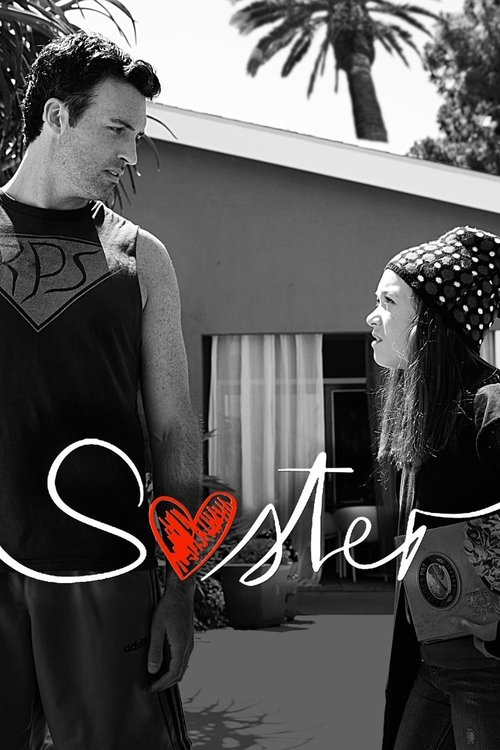 Film
Sister
Film
Sister
A son takes in his troubled sister, exploring what family obligation looks like when a parent cannot cope.
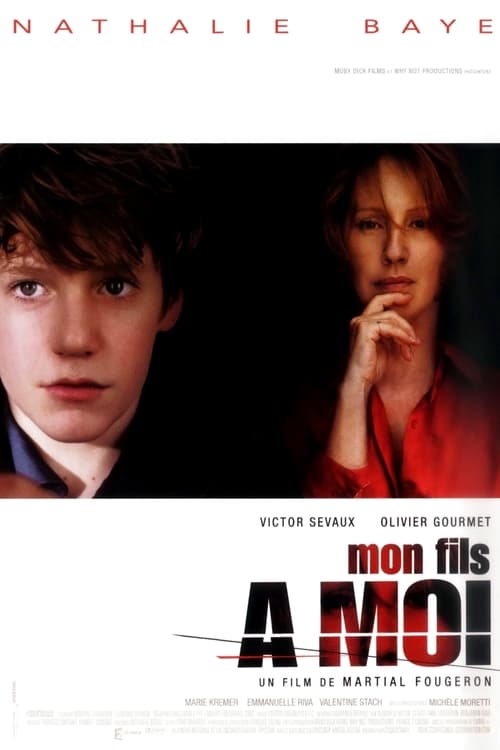 Film
My Son
Film
My Son
A mother's suffocating love and refusal to let her son individuate echoes the possessive family bonds at the novel's core.
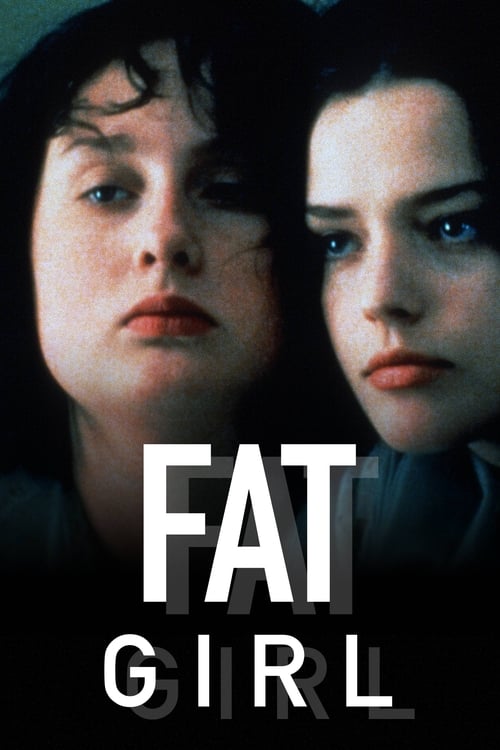 Film
Fat Girl
Film
Fat Girl
A younger sister watches and resents her older sibling, caught between love and the injustice of being overlooked.
Series like My Sister's Keeper
 Series
My Sister
Series
My Sister
Step-siblings find themselves trapped in an unexpected and complicated romantic entanglement.
 Series
Nakaimo: My Little Sister Is Among Them!
Series
Nakaimo: My Little Sister Is Among Them!
A father's will imposes conditions on his son's future, putting family loyalty in tension with individual choice.
 Series
Written in the Stars
Series
Written in the Stars
A physician uses reproductive science to replace a lost child, raising unsettling questions about parental desire and medical ethics.
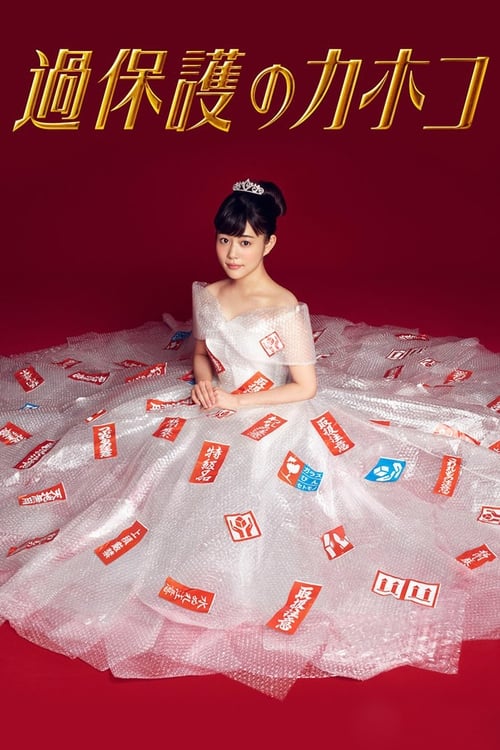 Series
Overprotected Kahoko
Series
Overprotected Kahoko
An overprotected young woman must reckon with an identity entirely shaped by her parents' choices — not her own.
 Series
Mistresses
Series
Mistresses
A group of women navigate family pressure, personal ambition, and the expectations placed on them by the people closest to them.
 Series
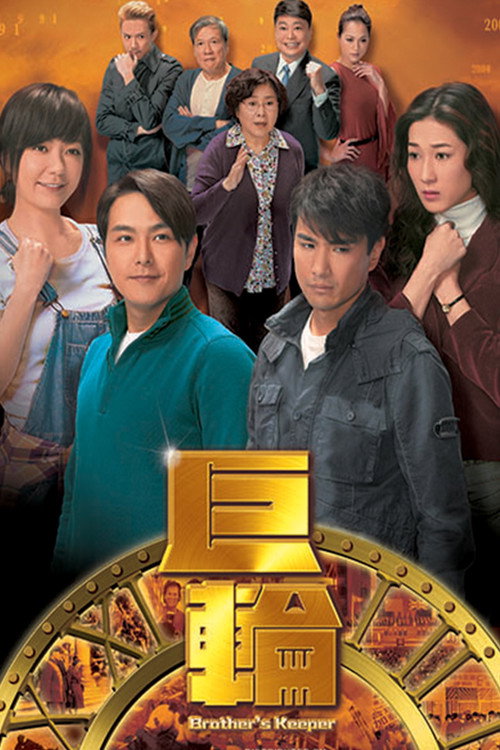
Brother's Keeper
Series
Brother's Keeper
Two brothers separated by circumstance must reckon with years of shared history pulling them apart and together.
More books like My Sister's Keeper
 Book
Keeping Faith
Book
Keeping Faith
A mother and daughter face a family crisis alone, testing what it means to hold a family together under pressure.
 Book
Kaleidoscope / Family Album
Book
Kaleidoscope / Family Album
Three children cruelly separated after family tragedy are left to piece together identity and belonging across a lifetime.
 Book
Small great things
Book
Small great things
Another Picoult novel built around a moral dilemma with high personal stakes and richly drawn characters.
 Book
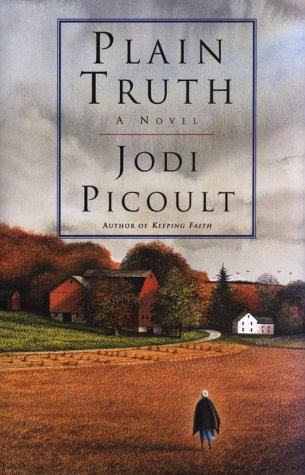
The Plain Truth
Book
The Plain Truth
A murder in Amish country puts a lawyer's convictions — and her full self — on the line.
 Book
A Spark of Light
Book
A Spark of Light
Picoult returns with interlocking lives converging on a single crisis, foregrounding moral complexity over easy answers.
 Book
My sister's keeper
Book
My sister's keeper
A brother returns home after his reporter sister is brutally attacked, testing the limits of sibling loyalty.
Frequently asked
What should I read after My Sister's Keeper?
If you want more morally charged family drama from the same author, Small Great Things and A Spark of Light follow a similar structure — pressing ethical questions, multiple perspectives, and characters caught between conviction and consequence.
What films explore similar themes to My Sister's Keeper?
The 2009 film adaptation covers the same story. Four Hands takes the sibling-protection theme into darker territory, showing how a promise between sisters can become a destructive obsession over time.
Why does My Sister's Keeper resonate so strongly with readers?
It refuses to make anyone the clear villain — the parents, Anna, even the legal system each have their own logic. That structural honesty, combined with the multiple-narrator form, keeps readers genuinely uncertain about what the right answer is.