 CrossBinge
Book: One Flew Over the Cuckoo's Nest →
CrossBinge
Book: One Flew Over the Cuckoo's Nest →
More like One Flew Over the Cuckoo's Nest
Cross-media recommendations across film, TV, games, books & music — picked by taste.
Ken Kesey's One Flew Over the Cuckoo's Nest sets a battle between raw human will and the cold machinery of control inside an Oregon psychiatric ward. The hospital functions less as a place of recovery than as an engine of compliance, and the novel earns its force by making that compliance feel reasonable — even compassionate — until it isn't. Readers drawn to it tend to want stories where authority wears a helping hand, rebellion carries a real price, and the boundary between illness and non-conformity refuses to stay fixed.
About One Flew Over the Cuckoo's Nest
One Flew Over the Cuckoo's Nest is a novel by Ken Kesey published in 1962. Set in an Oregon psychiatric hospital, the narrative serves as a study of institutional processes and the human mind, including a critique of psychiatry and a tribute to individualistic principles. It was adapted into the Broadway play One Flew Over the Cuckoo's Nest by Dale Wasserman in 1963. Bo Goldman adapted the novel into a 1975 film of the same name directed by Miloš Forman, which won five Academy Awards.
From the Wikipedia article One_Flew_Over_the_Cuckoo's_Nest_(novel), available under CC BY-SA.
Films like One Flew Over the Cuckoo's Nest
 Film
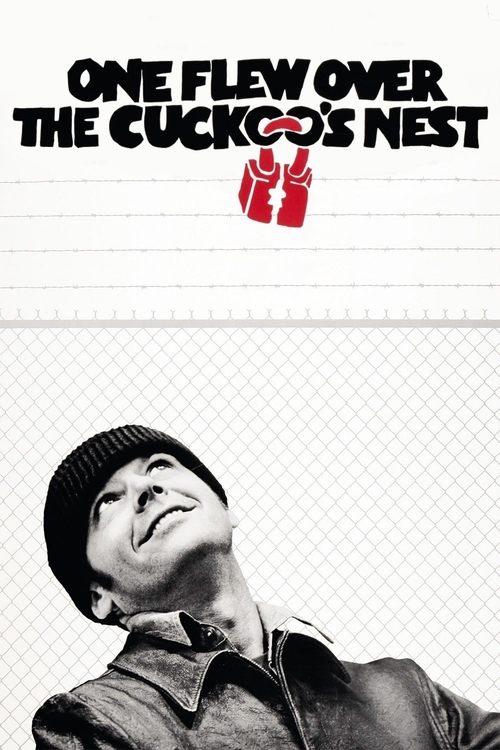
One Flew Over the Cuckoo's Nest
Film
One Flew Over the Cuckoo's Nest
The direct film adaptation — a man who feigns insanity finds that resisting the ward's domineering nurse has an irreversible cost.
 Film
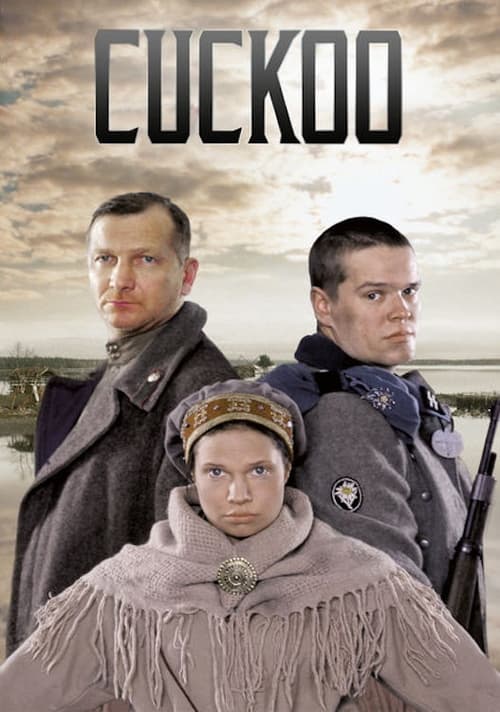
The Cuckoo
Film
The Cuckoo
A Finnish sniper chained to a rock frees himself; a Soviet officer arrested by military police — two enemies stranded together in 1944 Finland.
 Film
Cuckoo
Film
Cuckoo
After moving to the German Alps, Gretchen finds her new town hiding sinister secrets — strange noises and a woman relentlessly pursuing her.
 Film
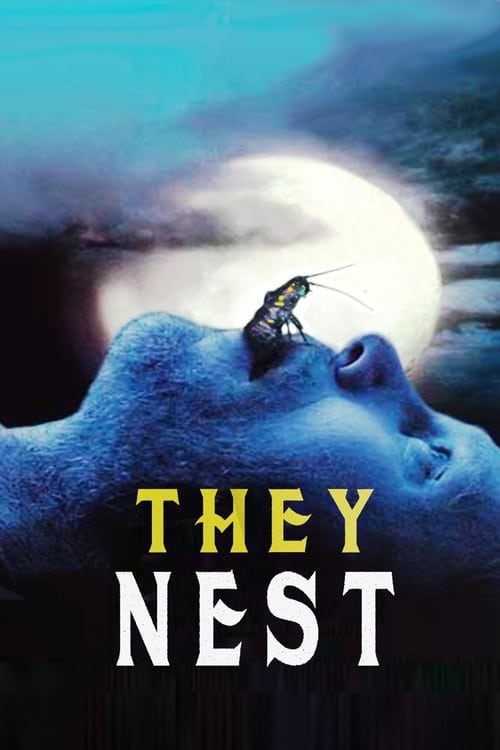
They Nest
Film
They Nest
A doctor who froze under emergency-room pressure retreats to a Maine island — and immediately finds new trouble with the locals.
Series like One Flew Over the Cuckoo's Nest
 Series
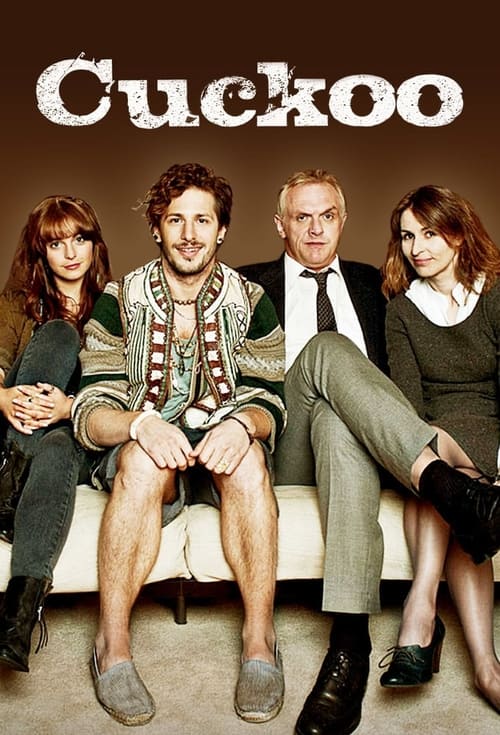
Cuckoo
Series
Cuckoo
An unruly American hippie with outlandish New Age ideas collides with an over-protective British father — chaos played for dark comedy.
 Series
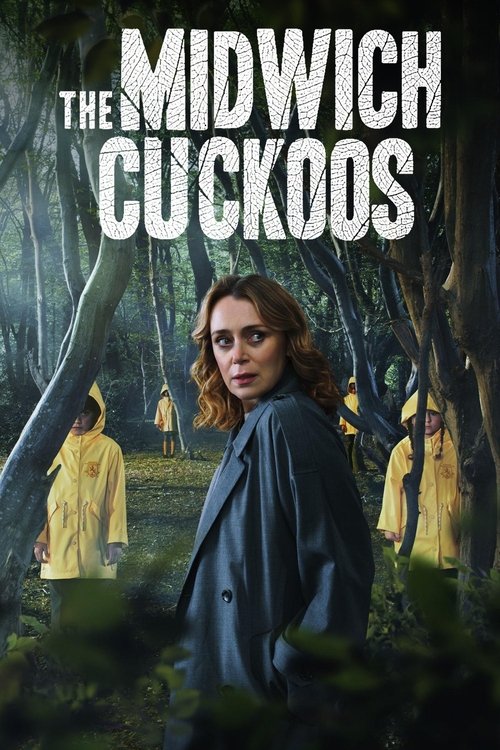
The Midwich Cuckoos
Series
The Midwich Cuckoos
An alien presence subdues an entire English village for a day; the women who wake up pregnant have no say in what happened to them.
 Series
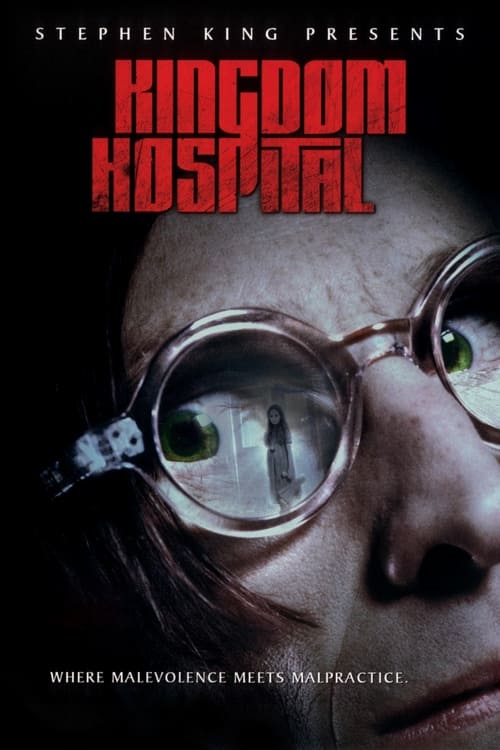
Stephen King's Kingdom Hospital
Series
Stephen King's Kingdom Hospital
A hospital with a bizarre, dysfunctional staff becomes a place where patients and staff alike hear the voice of a mysterious girl.
 Series
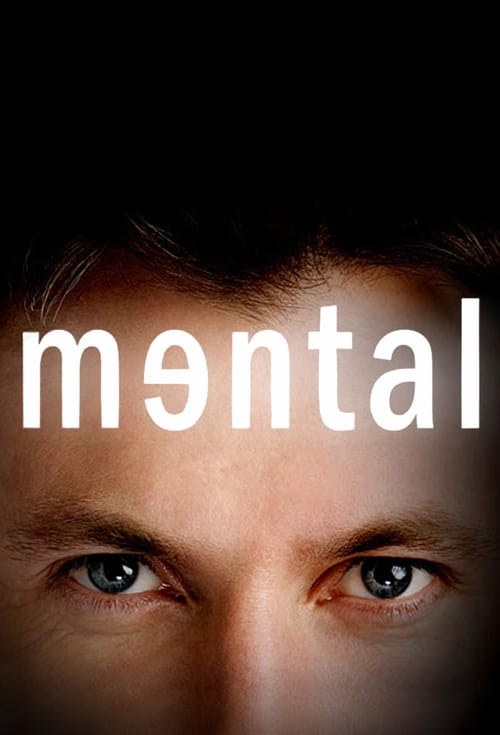
Mental
Series
Mental
A psychiatrist balances unorthodox treatments against the resistance of his own conservative boss.
 Series
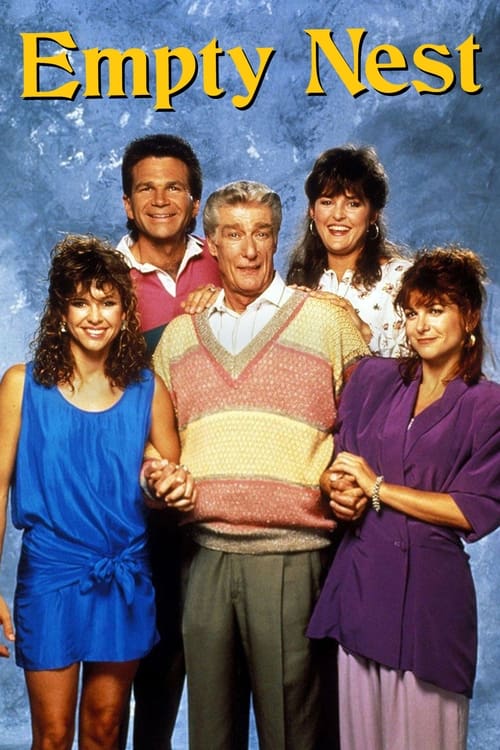
Empty Nest
Series
Empty Nest
Widowed pediatrician Harry Weston handles young patients well but is perpetually challenged by his two daughters and wisecracking office staff.
More books like One Flew Over the Cuckoo's Nest
 Book
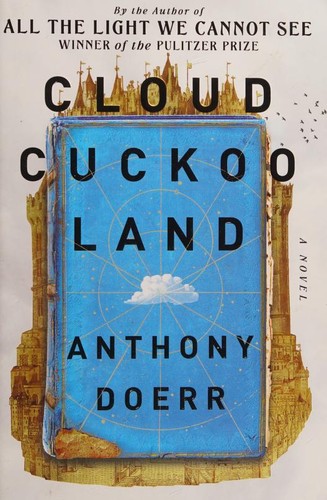
Cloud Cuckoo Land
Book
Cloud Cuckoo Land
Children on the cusp of adulthood navigate a broken world, holding onto imagination and story as a lifeline.
 Book
The Boy with the Cuckoo-Clock Heart
Book
The Boy with the Cuckoo-Clock Heart
A dark, tender fairytale: Little Jack is born on the coldest night in history with a cuckoo clock where his heart should be.
 Book
A nest is noisy
Book
A nest is noisy
An introduction to the extraordinary variety of nests built by birds, animals, and insects around the world.
 Book
The bird of night
Book
The bird of night
Harvey Lawson watched and protected the brilliant, tormented poet Francis Croft until his final suicide — and writes about it in old age.
 Book
Psychiatric tales
Book
Psychiatric tales
A non-fiction graphic novel presenting factual accounts of depression, self-harm, and bipolar disorder with documentary directness.
 Book
Novels (Animal Farm / Burmese Days / Clergyman's Daughter / Coming Up for Air / Keep the Aspidistra Flying / Nineteen Eighty-Four)
Book
Novels (Animal Farm / Burmese Days / Clergyman's Daughter / Coming Up for Air / Keep the Aspidistra Flying / Nineteen Eighty-Four)
Collected Orwell novels including *Animal Farm* and *Nineteen Eighty-Four* — the individual crushed by institutions that claim to serve them.
Frequently asked
What should I read after One Flew Over the Cuckoo's Nest?
If the institutional-power theme gripped you, Psychiatric Tales offers a non-fiction graphic account of mental illness from the inside, while the collected Orwell novels — especially Nineteen Eighty-Four — pursue the same war between the individual and the controlling system.
What films are like One Flew Over the Cuckoo's Nest?
The 1975 film adaptation is the obvious companion, dramatising the same ward, nurse, and rebellion. Mental (the TV series) and Stephen King's Kingdom Hospital both place unorthodox characters inside medical institutions where authority and strangeness collide.
Why does One Flew Over the Cuckoo's Nest resonate so strongly?
It frames the psychiatric ward as a mirror for any institution that mistakes compliance for health. The novel's critique lands because the hospital's cruelty is procedural, not cartoonish — which makes the small acts of resistance feel both necessary and costly.