 CrossBinge
Book: Persepolis 1-4 →
CrossBinge
Book: Persepolis 1-4 →
More like Persepolis 1-4
Cross-media recommendations across film, TV, games, books & music — picked by taste.
Persepolis 1-4 is Marjane Satrapi's autobiographical graphic novel series: a childhood and young adulthood split between Tehran during the Islamic Revolution and adolescent exile in Vienna, then a homecoming that is both longed-for and disillusioning. It holds the contradiction between a warm private family life and a politically convulsed public world, and follows displacement from first departure through an impossible return to a homeland that no longer feels like one.
About Persepolis 1-4
Persepolis is a series of autobiographical graphic novels by Marjane Satrapi that depict her childhood and early adult years in Iran and Austria during and after the Islamic Revolution. The title Persepolis is a reference to the ancient capital of the Persian Empire. Originally published in French, Persepolis has been translated to many other languages. As of 2018, it has sold more than 2 million copies worldwide.
From the Wikipedia article Persepolis_(comics), available under CC BY-SA.
Films like Persepolis 1-4
 Film
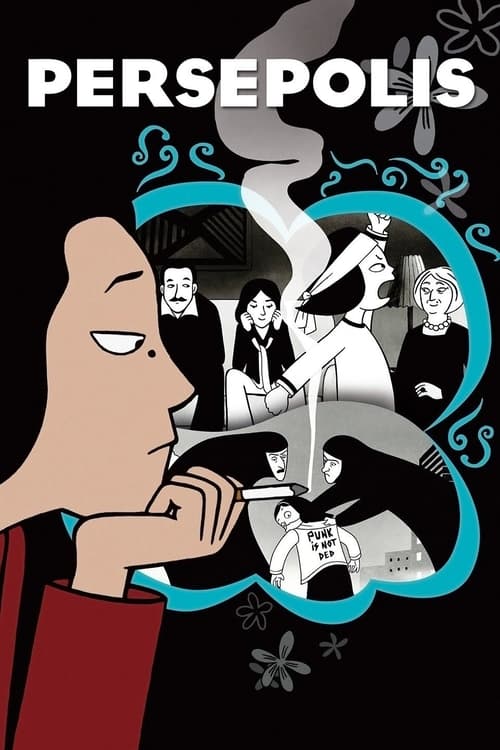
Persepolis
Film
Persepolis
A young girl watches the Iranian Revolution unfold through idealistic eyes that gradually lose their innocence.
 Film
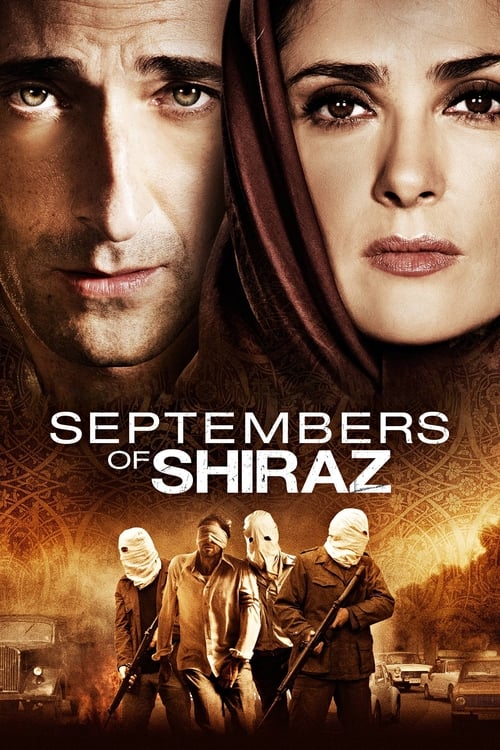
Septembers of Shiraz
Film
Septembers of Shiraz
A secular Jewish family caught in the 1979 Iranian Revolution's chaos mirrors the collision of private life and political upheaval.
 Film
No Hard Feelings
Film
No Hard Feelings
A son of exiled Iranians navigates identity and displacement in a small foreign town, far from his roots.
 Film
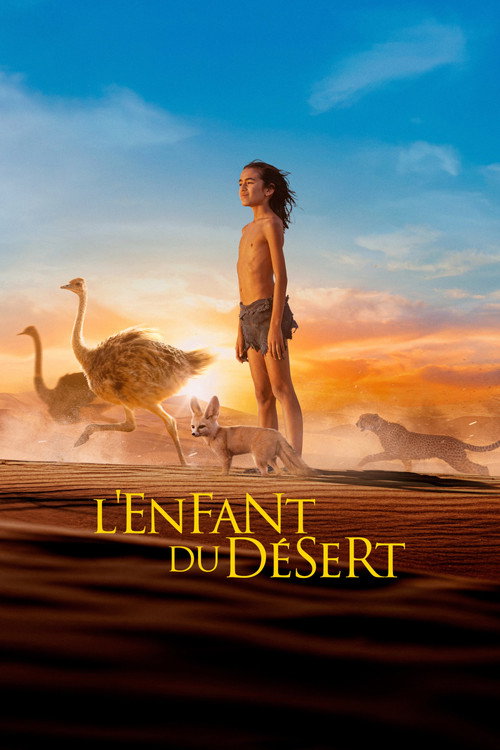
The Desert Child
Film
The Desert Child
A teenager's published story, drawn from her late grandfather's extraordinary tale, bridges family memory and imagination.
 Film
The Persian Version
Film
The Persian Version
A family secret surfaces in an Iranian-American family, forcing an estranged mother and daughter to excavate the past.
 Film
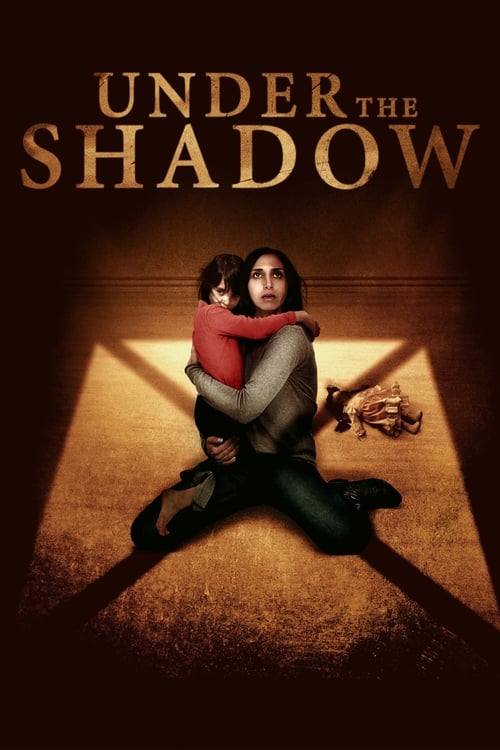
Under the Shadow
Film
Under the Shadow
A Tehran woman faces missile strikes and a possibly cursed supernatural presence inside her own home.
Series like Persepolis 1-4
 Series
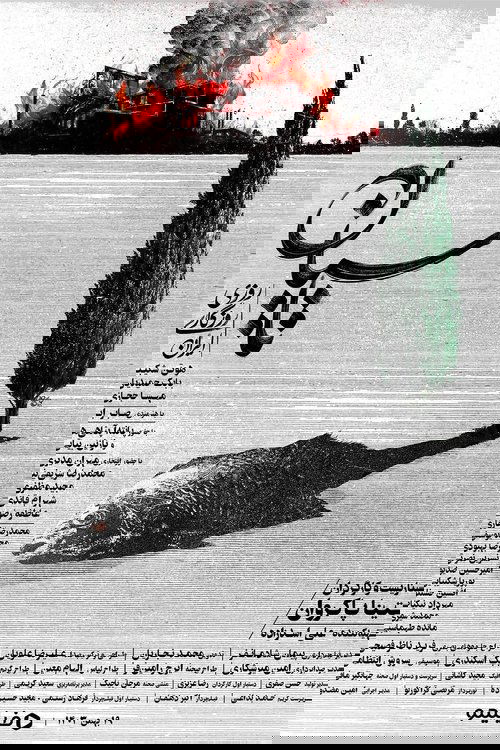
Tasian
Series
Tasian
On the eve of the Iranian Revolution, forbidden love between a SAVAK officer and a political activist grows dangerous.
 Series
Joan of Arcadia
Series
Joan of Arcadia
A teenager receives specific instructions from people who each claim to be God, unsure what to make of it.
 Series
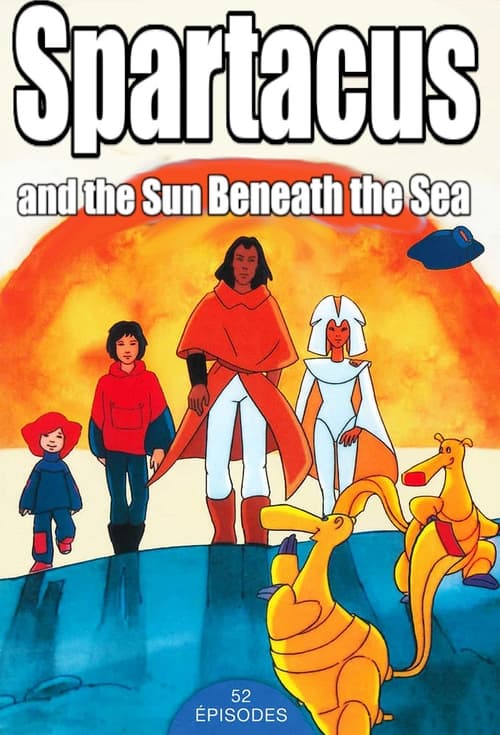
Spartakus and the Sun Beneath the Sea
Series
Spartakus and the Sun Beneath the Sea
A hidden underground civilization's survival hinges on their failing artificial sun.
 Series
Baraki
Series
Baraki
An orphan raised by an unconventional family discovers unsettling truths about his own origins and belonging.
 Series
Bahar
Series
Bahar
A woman who sacrificed her medical career for family confronts mortality and finds her labour has gone unacknowledged.
 Series
Stranger in the Mirror
Series
Stranger in the Mirror
A woman's seemingly perfect life conceals dark secrets that gradually force their way into the open.
Games like Persepolis 1-4
 Game
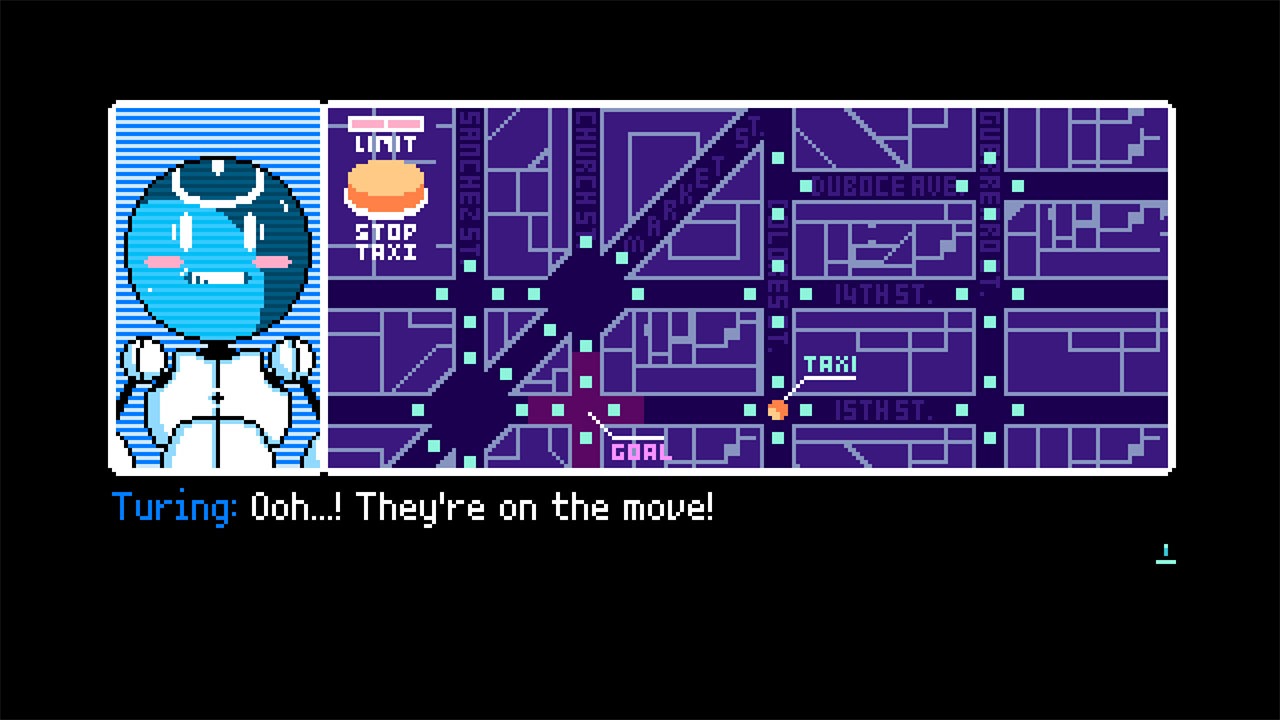
2064: Read Only Memories
Game
2064: Read Only Memories
In a near-future cyberpunk world shaped by augmentation, questions of identity press hard against the individual.
 Game
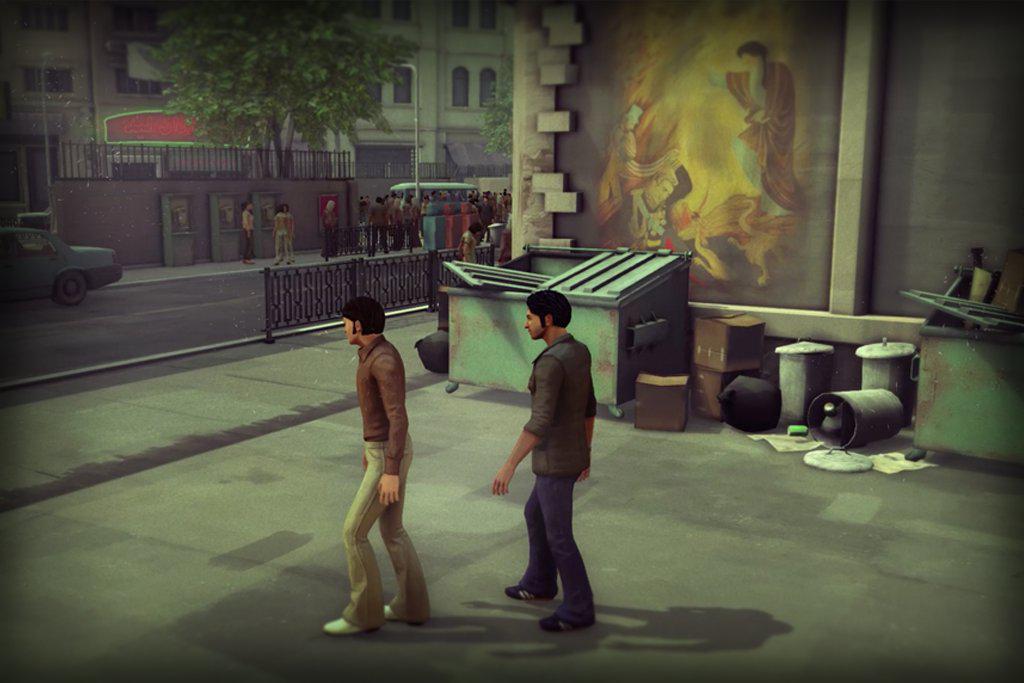
1979 Revolution: Black Friday
Game
1979 Revolution: Black Friday
Set in the real 1979 Iranian Revolution, every choice about trust and loyalty carries moral weight.
 Game
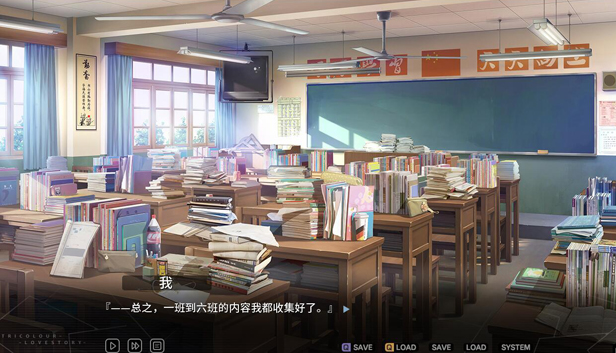
Tricolour Lovestory
Game
Tricolour Lovestory
A story of longing for freedom and the inner constraints that keep it out of reach, set in autumn 2005.
More books like Persepolis 1-4
 Book
Teta, Mother, and Me
Book
Teta, Mother, and Me
Three generations of women carry unrecorded private histories through decades of Middle-Eastern political upheaval.
 Book
Metro
Book
Metro
A graphic novel about a man who turns to robbery when every lawful avenue in Mubarak's corrupt Egypt closes.
 Book
The ayatollah begs to differ
Book
The ayatollah begs to differ
An insider-outsider perspective on Iran, caught between an ayatollah grandfather and American citizenship.
 Book
The Arab of the future
Book
The Arab of the future
A graphic childhood memoir of growing up under authoritarian regimes, seen through a child's sharp eyes.
 Book
My life as a traitor
Book
My life as a traitor
A young Iranian woman imprisoned at Evin tells her story of political detention and survival.
 Book
Missione speciale... diluvio universale!
Book
Missione speciale... diluvio universale!
Muskrat City floods as the Heromice race to stop the Sewer Rats' weather-wrecking device.
Frequently asked
What should I read after Persepolis 1-4?
The Arab of the Future is the closest companion — another graphic memoir of a child growing up across multiple authoritarian states, told from the child's own point of view. My Life as a Traitor extends the Iranian thread through a young woman's account of political imprisonment at Tehran's Evin prison.
What game captures the feel of Persepolis 1-4?
1979 Revolution: Black Friday is the most direct match — a narrative game built from real eyewitness accounts of the Iranian Revolution, where every choice about who to trust carries genuine moral weight.
Why does Persepolis 1-4 resonate beyond Iran?
It holds a tension many readers recognise: the gap between a loving private life and a public world that demands conformity. The displacement arc — leaving home to survive, then returning to find it unrecognisable — speaks to anyone caught between where they are from and where they have had to go.