More like The 48 Laws of Power
Cross-media recommendations across film, TV, games, books & music — picked by taste.
The 48 Laws of Power synthesises three thousand years of strategic history into forty-eight unflinching laws drawn from the examples of queens, con-artists, and heads of state. It treats power as a field with its own rules — rewarding concealment, punishing naivety, demanding full commitment — and illustrates each law through real figures who gained, wielded, or were destroyed by it. Readers drawn to this book tend to seek out works that dissect authority: who holds it, how it is abused, and what it extracts from those who resist or serve it.
About The 48 Laws of Power
The 48 Laws of Power (1999) is a self-help book by American author Robert Greene. The book is a New York Times bestseller, selling over 1.2 million copies in the United States. Greene was inspired to write the book after noticing many powerful figures of today share similar traits to those of the past. Several scholars and critics have praised the book for its in-depth research and examples, while others criticize it as unethical and not built upon valid research.
From the Wikipedia article The_48_Laws_of_Power, available under CC BY-SA.
Films like The 48 Laws of Power
 Film
The Corporation
Film
The Corporation
Examines how a legal fiction granted corporations personhood — and the global dominance that followed.
 Film
Power
Film
Power
Traces how American policing grew in scope over centuries until it embodied a single word: power.
 Film
Comedy of Power
Film
Comedy of Power
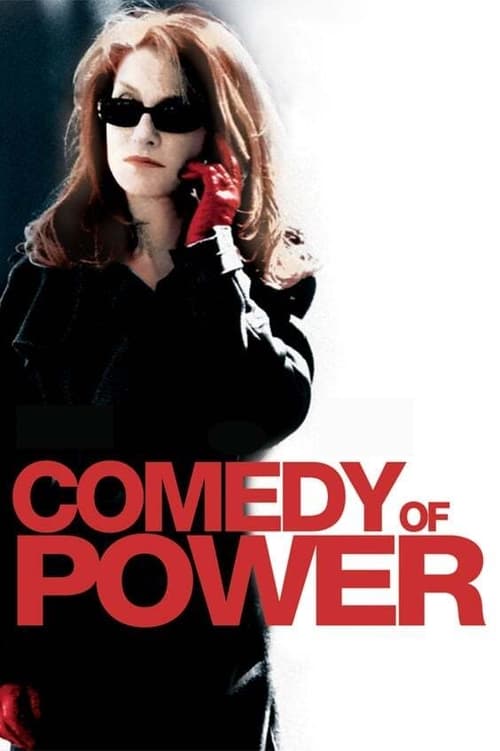
A magistrate probing corporate malfeasance finds herself intoxicated by the authority she investigates.
 Film
1984
Film
1984
Total surveillance and the erasure of imagination show what happens when control achieves absolute dominion.
 Film
Equilibrium
Film
Equilibrium
A regime enforcer tasked with suppressing emotion eventually rises to overthrow the system.
Series like The 48 Laws of Power
 Series
Rake
Series
Rake
A lawyer weaponises legal intelligence to shield those the system would rather discard.
 Series
Power
Series
Power
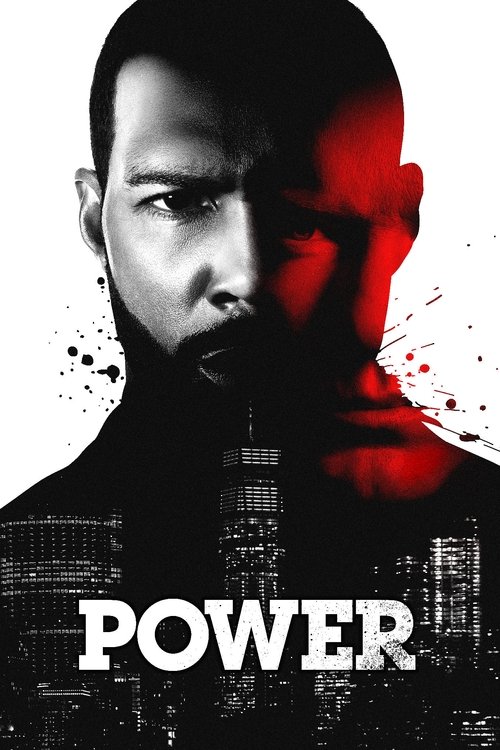
A New York entrepreneur running a secret drug empire for the wealthy tries to keep his family safe.
 Series
The State Counsellor
Series
The State Counsellor
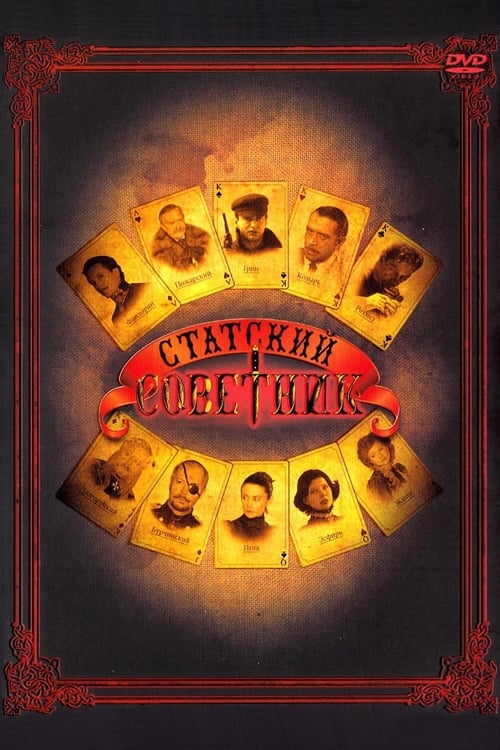
A general's murder and a terrorist group's cryptic sign draw investigator Fandorin into a deadly web.
More books like The 48 Laws of Power
 Book
The art of action
Book
The art of action
Reformulates Clausewitz's strategic doctrine into a practical leadership framework for avoiding failure.
 Book
The constitution of liberty
Book
The constitution of liberty
A classic work of liberal political philosophy on the nature and limits of political power.
 Book
De l'esprit des lois
Book
De l'esprit des lois
Montesquieu's foundational treatise on the relationship between laws, government, and society.
 Book
Groundwork of the metaphysic of morals
Book
Groundwork of the metaphysic of morals
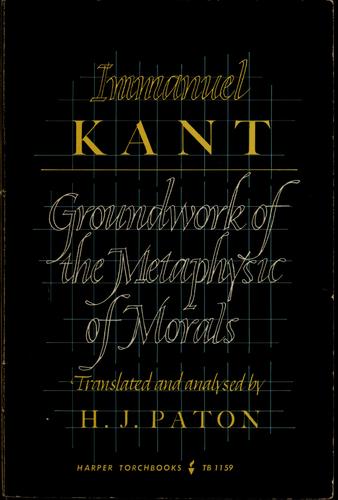
Kant examines what morality demands, unpacking the conditions under which ethical obligation exists.
 Book
The Higher Powers of Mind and Spirit
Book
The Higher Powers of Mind and Spirit
Argues that most people live below their possibilities, urging a reach toward latent higher capacities.
 Book
Life code
Book
Life code
Exposes how manipulators operate in everyday life and offers rules for navigating a self-interested world.
Frequently asked
What should I read after The 48 Laws of Power?
The Art of Action takes a similarly unsentimental approach to strategy, reformulating Clausewitz's military thinking into practical leadership principles — a natural next read if Greene's Machiavellian lens resonated with you.
Are there any TV shows or movies about power and manipulation like The 48 Laws of Power?
The TV series Power follows a New York entrepreneur running a drug empire for the city's elite — a gripping dramatisation of many of Greene's laws in action, from concealing intentions to crushing rivals.
Are there documentaries that explore how power really works, similar to the themes in The 48 Laws of Power?
The Corporation examines how corporate power structures shape society by treating the organisation itself as a legal person — a forensic, real-world companion to Greene's historical case studies.