More like The Fragile
Cross-media recommendations across film, TV, games, books & music — picked by taste.
The Fragile is a vast, inward-turning record — a triple album assembled across years of sessions in New Orleans, where industrial textures and raw emotional weight were layered into something that resists easy listening. It signals a taste for work that treats pain not as spectacle but as material: long, immersive, structurally ambitious things that reward patience. Across film, books, and music the adjacent territory is creative collapse and reconstruction, the cost of making things, and the kind of art that insists on its own difficult terms.
About The Fragile
The Fragile is the third studio album by the American industrial rock band Nine Inch Nails, released as a triple album by Nothing Records and Interscope Records on September 21, 1999. It was produced by Nine Inch Nails frontman Trent Reznor and the English producer Alan Moulder, a longtime Reznor collaborator. It was recorded throughout 1997 to 1999 in New Orleans.
From the Wikipedia article The_Fragile, available under CC BY-SA.
Films like The Fragile
 Film
Nine
Film
Nine
A director's creative paralysis and desperate search for meaning mirror the artistic crisis at the heart of *The Fragile*.
 Film
Still Crazy
Film
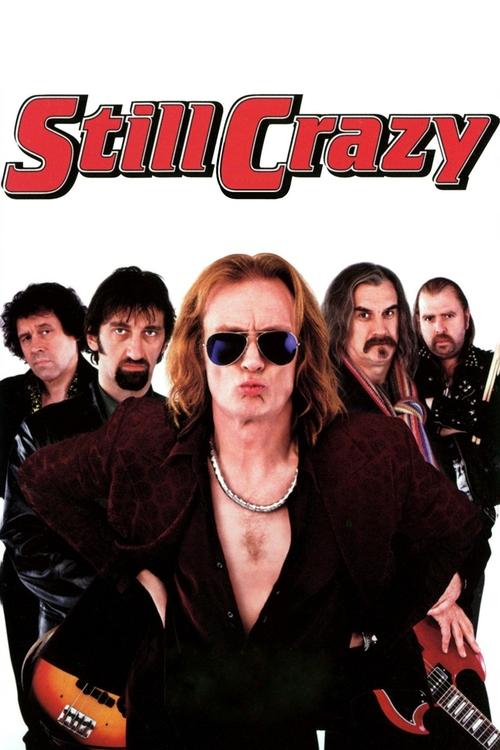
Still Crazy
Strange Fruit's rock excess — drugs, internal tension, a dead frontman — resurfaces when surviving members attempt a reunion.
 Film
Fragile as the World
Film
Fragile as the World
Two people unable to find space or time for each other — a love story built entirely from impossibility and longing.
 Film
Yesterday
Film
Yesterday
A musician wakes into an alternate reality where The Beatles have been forgotten and he alone remembers them.
 Film
A Dark Song
Film
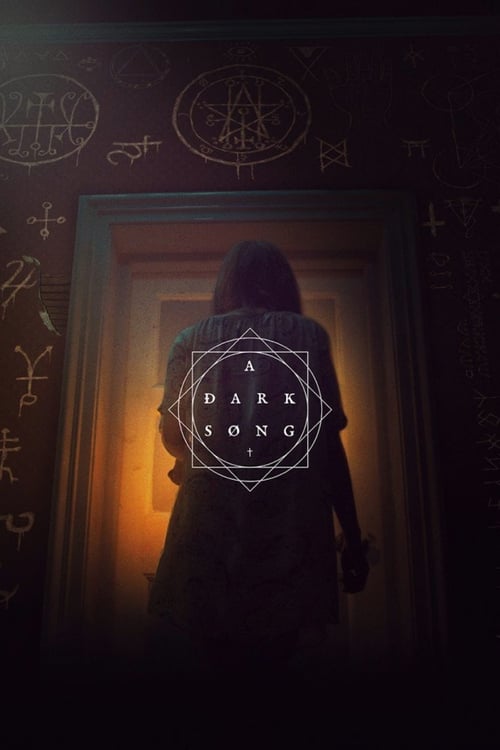
A Dark Song
A determined woman and a damaged occultist risk their lives and souls performing a dangerous ritual.
 Film
Body Rock
Film
Body Rock
A disco owner lures a New York breakdancer away from his friends into something bigger.
Books to read after The Fragile
 Book
This fragile life
Book
This fragile life
A parent watches a carefully built life fracture without warning — the fragility underneath apparent stability.
 Book
The '90s: The Inside Stories from the Decade That Rocked
Book
The '90s: The Inside Stories from the Decade That Rocked
Rolling Stone interviews from across the 1990s, collecting the decade's voices in one volume.
 Book
Without You
Book
Without You
Bad luck, poor decisions, and depression dismantled a band — creative promise collapsing under structural and personal weight.
 Book
A child of a CrackHead
Book
A child of a CrackHead
Trauma's aftermath refuses to end even after the immediate violence stops — nightmares persisting beyond the crisis.
Frequently asked
What should I watch after listening to The Fragile?
Fans of Nine Inch Nails' dark, introspective atmosphere often connect with A Dark Song, a brooding horror-fantasy about obsession and ritual, or Still Crazy, which captures the raw emotional cost of living inside a music career.
Are there books about the kind of emotional turbulence in The Fragile?
Without You chronicles the self-destruction of a beloved band with unflinching honesty, while The '90s: The Inside Stories from the Decade That Rocked captures the era that shaped NIN's dense, confessional sound.
Why do people still love The Fragile so much?
Recorded over two years in New Orleans, it's Nine Inch Nails' most sprawling and emotionally exposed work — a double album where Trent Reznor and Alan Moulder built entire sonic landscapes around vulnerability and collapse rather than aggression.