 CrossBinge
Series: The Killing →
CrossBinge
Series: The Killing →
More like The Killing
Cross-media recommendations across film, TV, games, books & music — picked by taste.
The Killing follows Detective Inspector Sarah Lund through season-long murder cases where each episode covers exactly one day of the investigation. The Copenhagen setting is captured with particular care, and the series divides its attention equally between the police procedural and the lives of the victim's family. If The Killing held you, you're drawn to crime that earns its resolutions slowly: dark tone, plot twists that build over weeks, and a refusal to let the human cost sit quietly in the background.
About The Killing
The Killing is a Danish police procedural drama television series created by Søren Sveistrup and produced by DR in co-production with ZDF Enterprises. It premiered on the Danish national television channel DR1 on 7 January 2007 and has since been broadcast in several other countries.
From the Wikipedia article The_Killing_(Danish_TV_series), available under CC BY-SA.
Films like The Killing
 Film
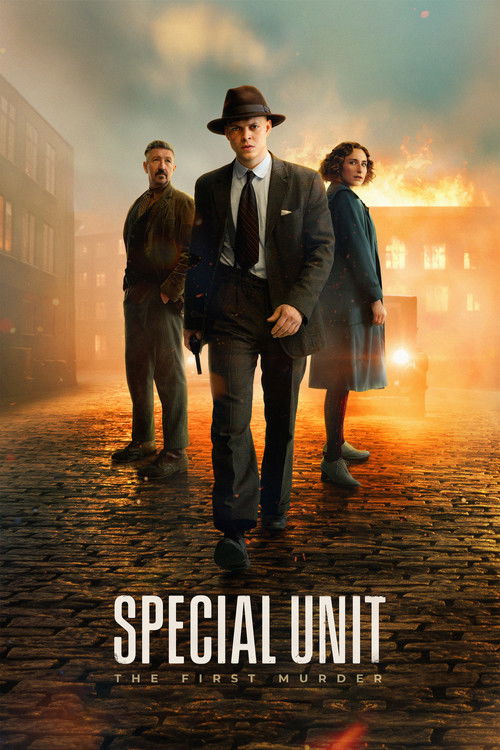
Special Unit - The First Murder
Film
Special Unit - The First Murder
1927 Denmark: ambitious officer Otto Himmelstrup leads a newly formed Special Unit assigned to the most difficult cases.
 Film
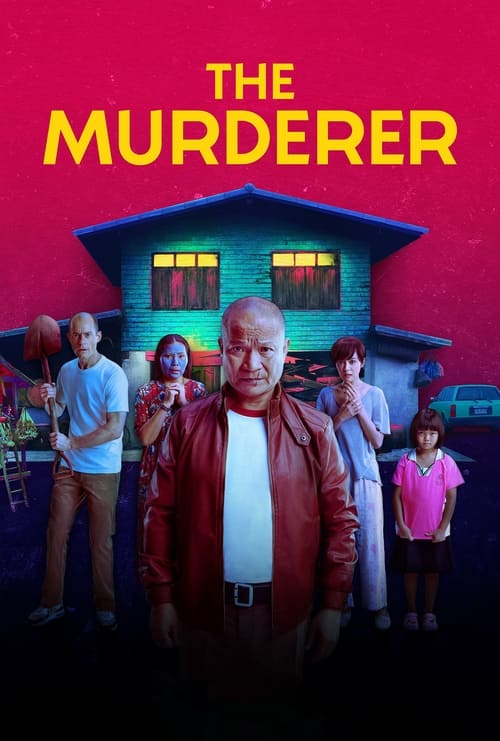
The Murderer
Film
The Murderer
A determined detective investigates a series of deaths in a small provincial town where British expat Earl is the prime suspect.
 Film
The Investigation
Film
The Investigation
A true-story manhunt for a serial killer derailed by obstruction — he could have been stopped after his first crime.
 Film
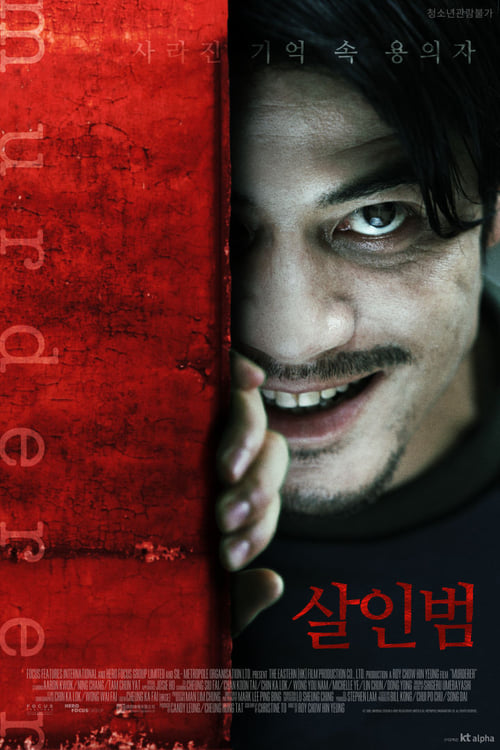
Murderer
Film
Murderer
A Hong Kong detective framed for a series of gruesome murders finds himself both investigator and suspect.
 Film
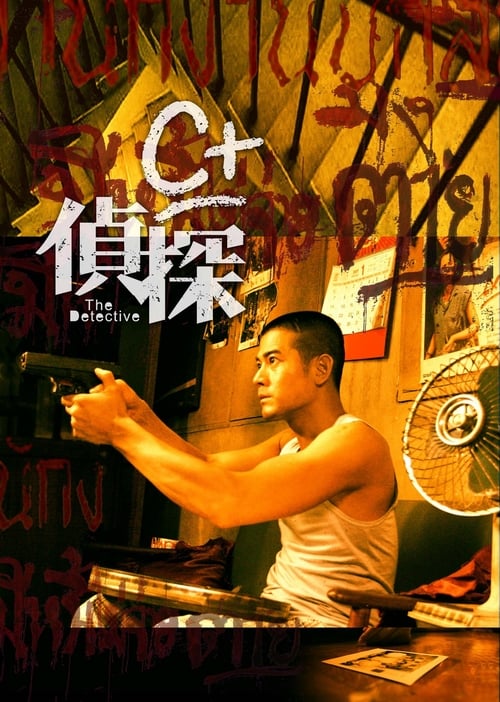
The Detective
Film
The Detective
A private detective hired to find a missing young woman is drawn into a complex murder mystery.
 Film
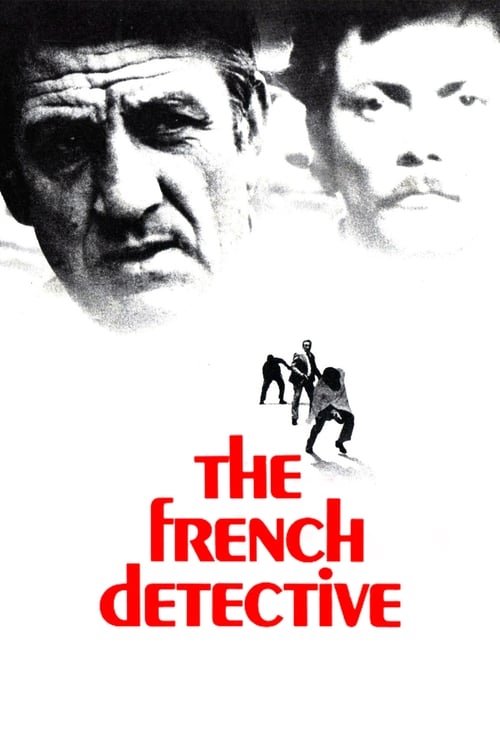
The French Detective
Film
The French Detective
An inspector convinced a politician ordered a murder pursues the case despite being warned directly to stop.
Books to read after The Killing
 Book
The kill
Book
The kill
Detective Maeve Kerrigan's countryside break for a colleague's wedding is cut short by a murder investigation.
 Book
Brandbilen som försvann
Book
Brandbilen som försvann
The fifth Martin Beck novel — classic 1960s Swedish crime fiction widely cited as a foundational influence on the genre.
 Book
Marekors
Book
Marekors
Detective Harry Hole investigates a murder where a tiny red diamond hidden behind the victim's eyelid suggests a calculated killer.
 Book
The killing woods
Book
The killing woods
Emily fights to exonerate her father, arrested for murder, venturing into the woods to uncover what really happened.
 Book
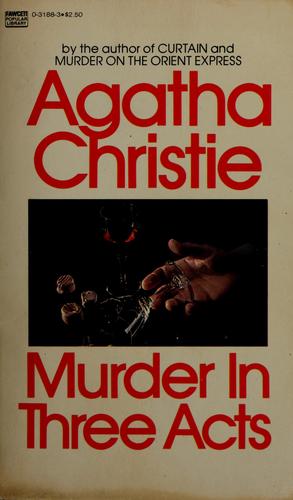
Murder in Three Acts
Book
Murder in Three Acts
After a dinner-party guest is found dead with no trace of poison, Hercule Poirot picks apart the impossible circumstances.
 Book
Learning Curve
Book
Learning Curve
A dying chemist's final words accuse someone of murder, and Detective Inspector Sloan follows the thread methodically.
More series like The Killing
 Series
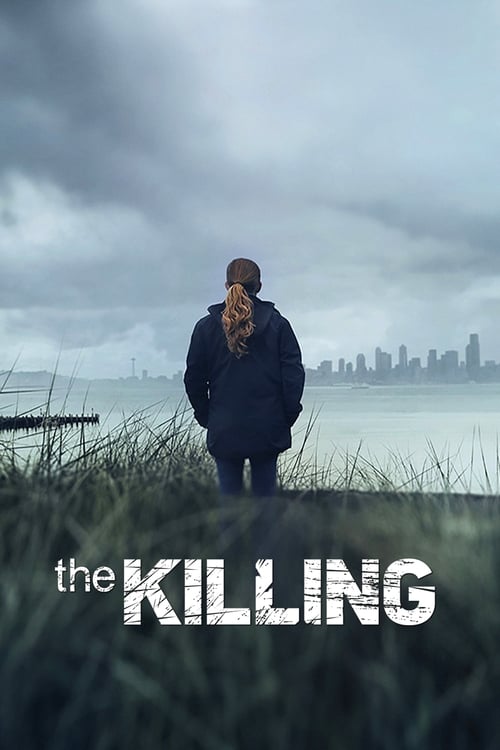
The Killing
Series
The Killing
An American remake set in Seattle, following two homicide detectives through the same day-by-day murder structure.
 Series
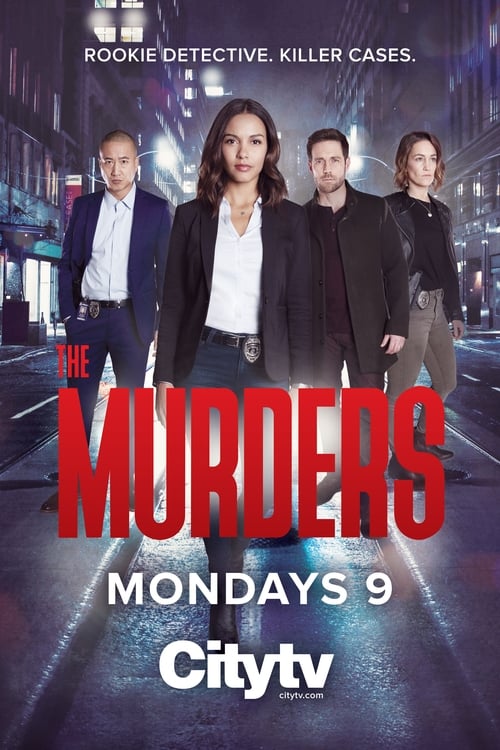
The Murders
Series
The Murders
A rookie homicide detective whose negligence caused a colleague's death seeks redemption through her investigations.
 Series
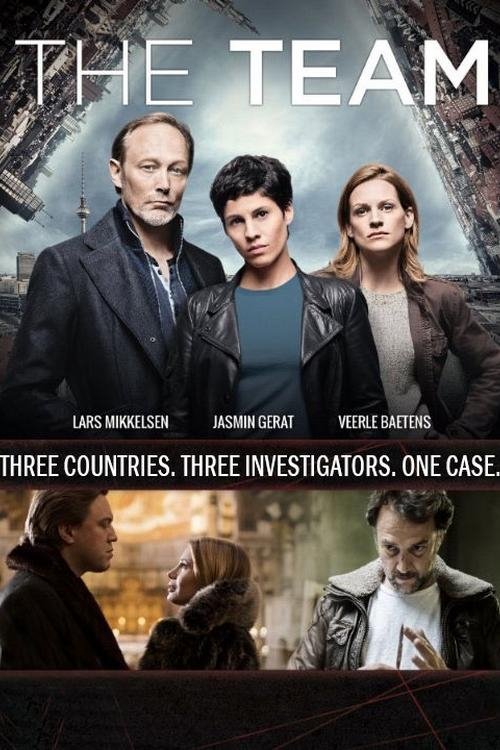
The Team
Series
The Team
A Europol taskforce pairs a Danish, a German, and a Belgian detective on a string of linked murders across borders.
 Series
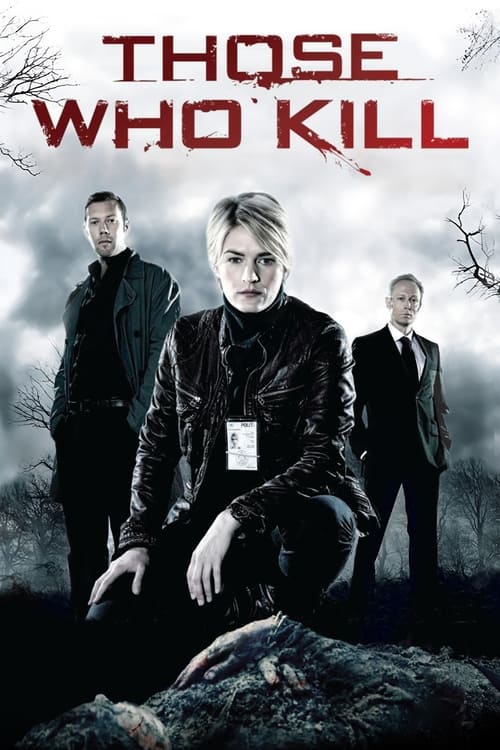
Those Who Kill
Series
Those Who Kill
A Copenhagen special unit pairs a detective inspector with a forensic psychiatrist on difficult criminal cases.
 Series
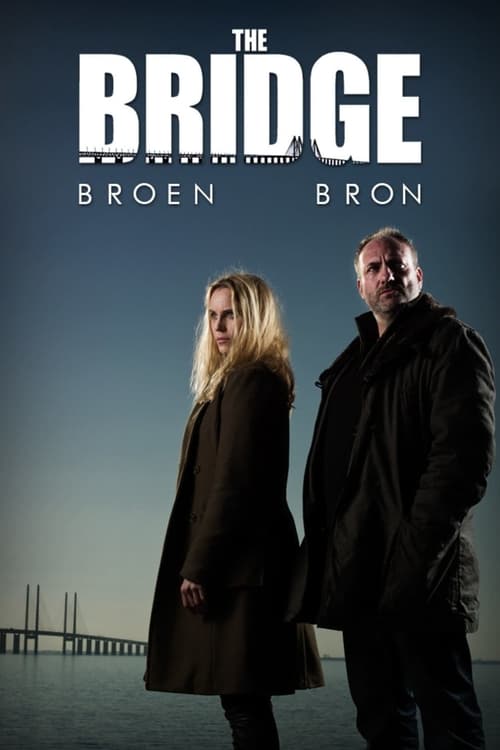
The Bridge
Series
The Bridge
A body on the bridge between Denmark and Sweden forces a Danish and a Swedish inspector to share jurisdiction.
 Series
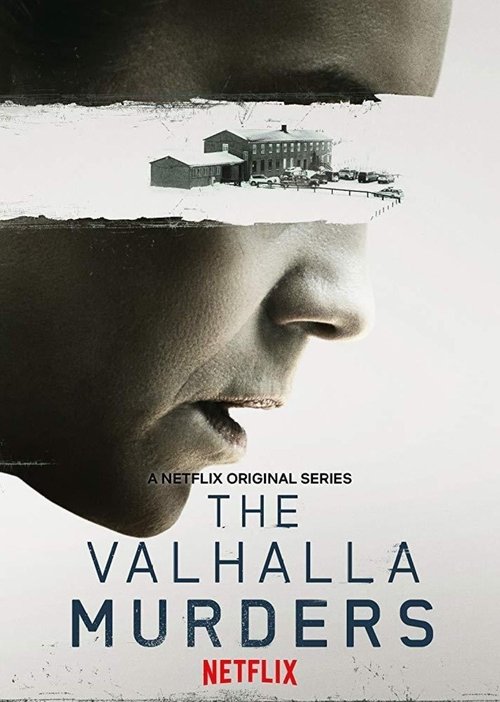
The Valhalla Murders
Series
The Valhalla Murders
An Oslo detective with a painful past returns to Iceland to help hunt a serial killer linked to a mysterious photo.
Frequently asked
What should I watch after The Killing?
The Bridge is the closest match — also Nordic, also procedural, with a body found on the border between Denmark and Sweden. Those Who Kill is set in the same Copenhagen police world and follows a special unit pairing a detective inspector with a forensic psychiatrist.
What books are similar to The Killing?
Try Marekors, where Detective Harry Hole investigates a murder marked by a strange clue hidden on the victim's body, or The Killing Woods, where a daughter fights to exonerate her father after he is arrested for murder — both share The Killing's interest in crime's cost to the people closest to it.
Why does The Killing feel so different from other crime dramas?
Each episode covers exactly one day of the investigation, so tension builds through accumulation rather than fast reveals. The series also gives the victim's family storyline equal weight to the police procedural, making the human cost feel unavoidable rather than incidental.