 CrossBinge
Book: The Murders in the Rue Morgue →
CrossBinge
Book: The Murders in the Rue Morgue →
More like The Murders in the Rue Morgue
Cross-media recommendations across film, TV, games, books & music — picked by taste.
The Murders in the Rue Morgue is a short story by Edgar Allan Poe, published in 1841 and widely regarded as the first modern detective story. C. Auguste Dupin, a man living in Paris, solves the brutal murder of two women by applying what Poe called "ratiocination" — patient observation and systematic reasoning. If you're drawn to this, you likely love mysteries that reward thinking alongside the detective, atmospheric urban crime, and stories where the method of reasoning is as gripping as the solution.
About The Murders in the Rue Morgue
"The Murders in the Rue Morgue" is a short story by Edgar Allan Poe published in Graham's Magazine in 1841. It has been described as the first modern detective story; Poe referred to it as one of his "tales of ratiocination".
From the Wikipedia article The_Murders_in_the_Rue_Morgue, available under CC BY-SA.
Films like The Murders in the Rue Morgue
 Film
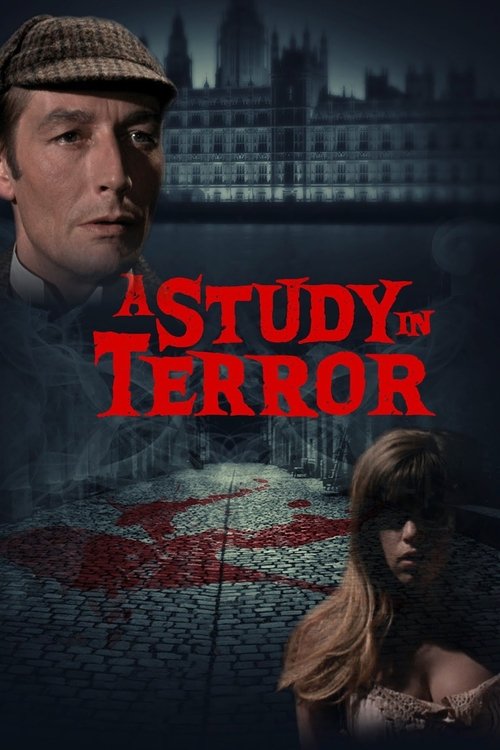
A Study in Terror
Film
A Study in Terror
Holmes applies the same sharp deductive elimination to a brutal serial murder investigation.
 Film
Murder!
Film
Murder!
A juror doubts a murder verdict and conducts his own private inquiry, driven by logic over consensus.
 Film
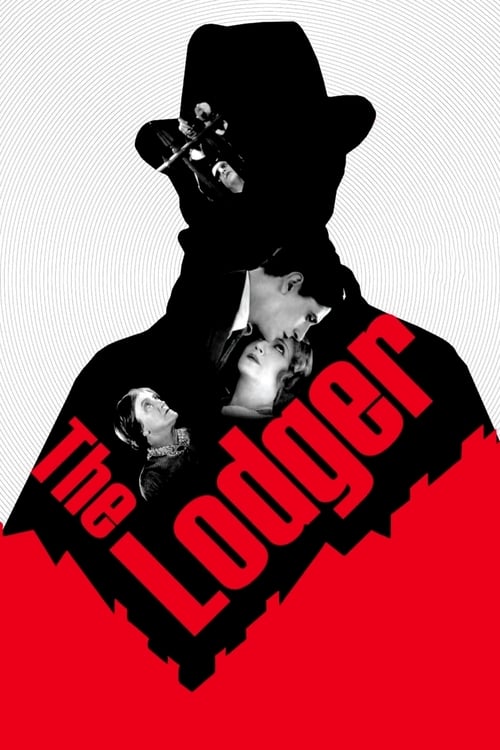
The Lodger: A Story of the London Fog
Film
The Lodger: A Story of the London Fog
A mysterious stranger arrives amid foggy London murders, building dread through observation and suspicion.
 Film
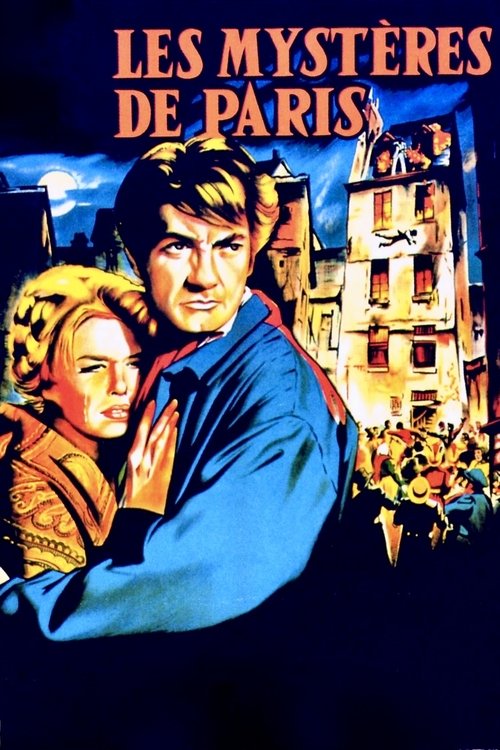
The Mysteries of Paris
Film
The Mysteries of Paris
A Parisian nobleman investigates injustice and a missing person in the shadows of the city.
 Film
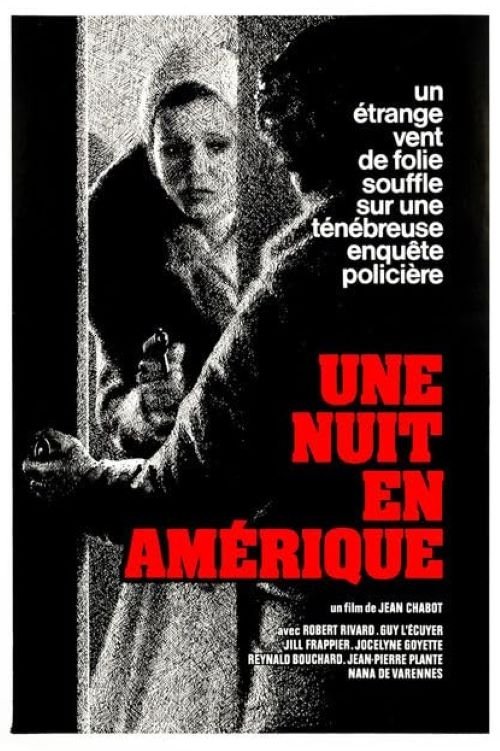
Une Nuit en Amérique
Film
Une Nuit en Amérique
Enigmatic corpses, baffled police, and mounting inconsistencies pile up in a single bewildering night.
 Film
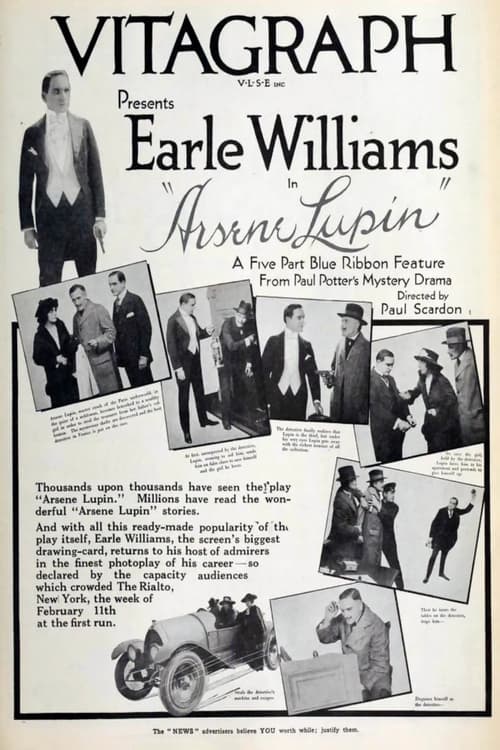
Arsene Lupin
Film
Arsene Lupin
A gentleman thief operating through cunning rather than violence shares Dupin's world of Parisian crime.
Series like The Murders in the Rue Morgue
 Series
The Art of Crime
Series
The Art of Crime
An unconventional investigator solves crimes through cultural expertise, echoing Dupin's outsider analytical method.
 Series
Navarro
Series
Navarro
An out-of-the-norm Paris detective tackles the city's most serious and troubling cases.
 Series
The Little Murders of Agatha Christie
Series
The Little Murders of Agatha Christie
Christie's puzzle-driven murder plots adapted for French television share Dupin's tradition of clever deduction.
 Series
The Shadow Line
Series
The Shadow Line
A murder examined from both sides of the law, where moral lines prove as murky as the facts.
 Series
Crime Stories
Series
Crime Stories
A chief inspector and team investigate in fog-shrouded Montreal, matching wits with criminals of all kinds.
 Series
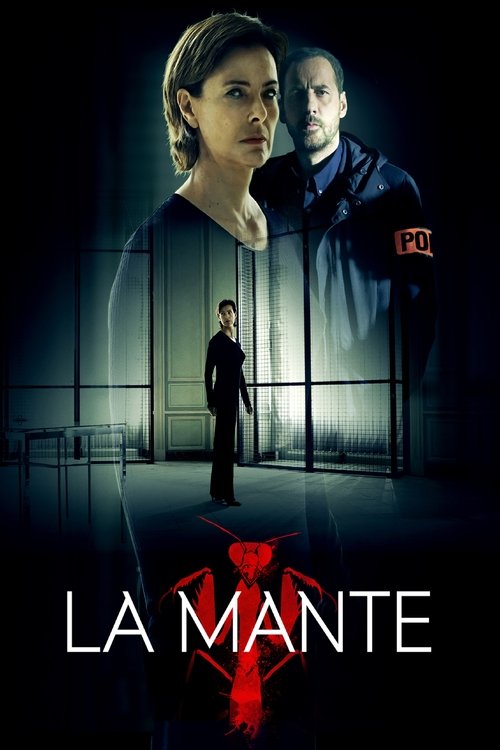
La Mante
Series
La Mante
A famous serial killer emerges from isolation to hunt a copycat, inverting the detective formula.
More books like The Murders in the Rue Morgue
 Book
The Purloined Letter
Book
The Purloined Letter
The third Dupin case — a theft solved by reasoning about the thief's psychology rather than physical clues.
 Book
El enigma de París
Book
El enigma de París
A murder mystery set at the 1889 Paris World's Fair recreates the atmospheric Parisian crime-solving tradition.
 Book
Tales of Edgar Allan Poe
Book
Tales of Edgar Allan Poe
A collection of Poe's tales spanning horror, mystery, and the macabre that surrounds the Rue Morgue.
 Book
The Collected Tales of Edgar Allan Poe
Book
The Collected Tales of Edgar Allan Poe
A broader Poe collection placing the detective story within his full range of dark, unsettling fiction.
 Book
It Walks by Night
Book
It Walks by Night
A severed head discovered in a locked gambling room — a brutal Paris puzzle demanding Dupin-style reasoning.
 Book
The best horror stories
Book
The best horror stories
Poe's darkest tales collected alongside other horror writers, for those drawn to his bleaker, more visceral side.
Frequently asked
What should I read after The Murders in the Rue Morgue?
Start with The Purloined Letter, the third Dupin story, where the same analytical method is applied to a theft. For something longer, El enigma de París sets a murder mystery in the 1889 Paris World's Fair with a similar atmosphere.
What films are like The Murders in the Rue Morgue?
Try A Study in Terror, which applies Sherlock Holmes' deductive elimination to a serial murder case, or Murder!, where a doubting juror launches his own private investigation after a verdict he can't accept.
Why is The Murders in the Rue Morgue considered such an important story?
It established the core template of the detective story: an amateur investigator, a seemingly impossible crime, and a solution arrived at through systematic reasoning. Poe called this approach 'ratiocination,' and nearly every detective story since has built on that foundation.