More like Through the Looking-Glass
Cross-media recommendations across film, TV, games, books & music — picked by taste.
Through the Looking-Glass takes the logic of its predecessor and inverts it — literally. Where the first Alice story played with scale and a deck of cards, this one works through the geometry of chess, reversed time, and a world where cause follows effect and directions fold back on themselves. The taste it signals is a fondness for playful unreality with an underlying structure: worlds that have rules, but rules that are bent, mirrored, or run backwards. It draws readers, viewers, and players drawn to the whimsical-but-rigorous, the absurdist-but-earnest.
About Through the Looking-Glass
Through the Looking-Glass, and What Alice Found There is a novel published in December 1871 by Lewis Carroll, the pen name of Charles Lutwidge Dodgson, a mathematics lecturer at Christ Church, Oxford. It is the sequel to his Alice's Adventures in Wonderland (1865), in which many of the characters were anthropomorphic playing cards. In this second novel the theme is chess. As in the earlier book, the central figure, Alice, enters a fantastical world, this time by climbing through a large looking-glass into a world that she can see beyond it. There she finds that, just as in a reflection, things are reversed, including logic.
From the Wikipedia article Through_the_Looking-Glass, available under CC BY-SA.
Films like Through the Looking-Glass
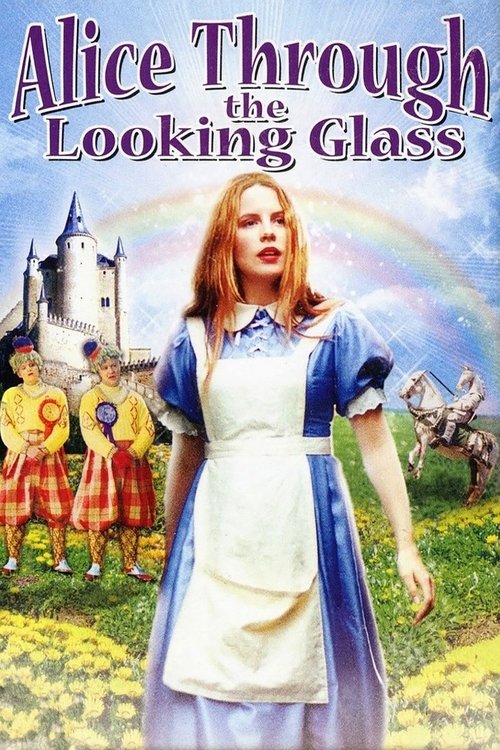 Film
Alice Through the Looking Glass
Film
Alice Through the Looking Glass
A modern frame — a mother reading aloud — wraps the same mirror-world story Alice steps into.
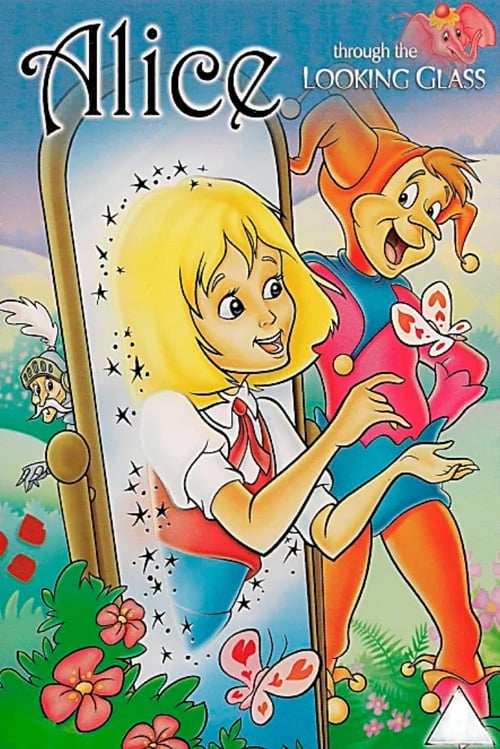 Film
Alice Through the Looking Glass
Film
Alice Through the Looking Glass
Alice must cross a chess-structured landscape — the board-game logic at the heart of *Through the Looking-Glass*.
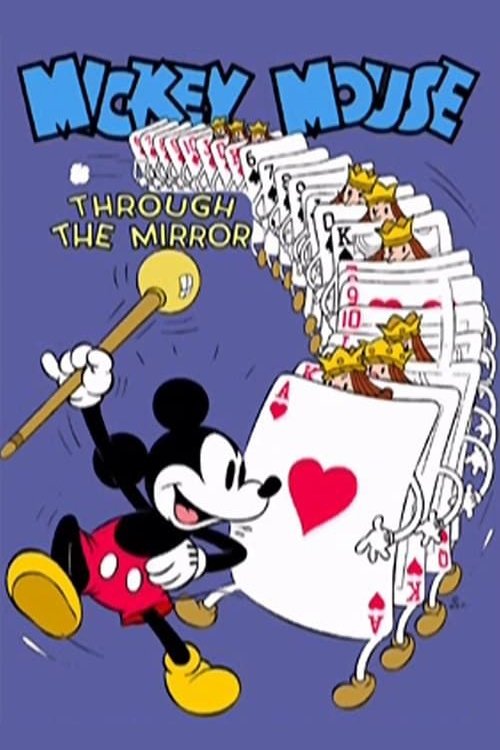 Film
Thru the Mirror
Film
Thru the Mirror
A character falls asleep and crosses into a reflected world where ordinary objects come alive.
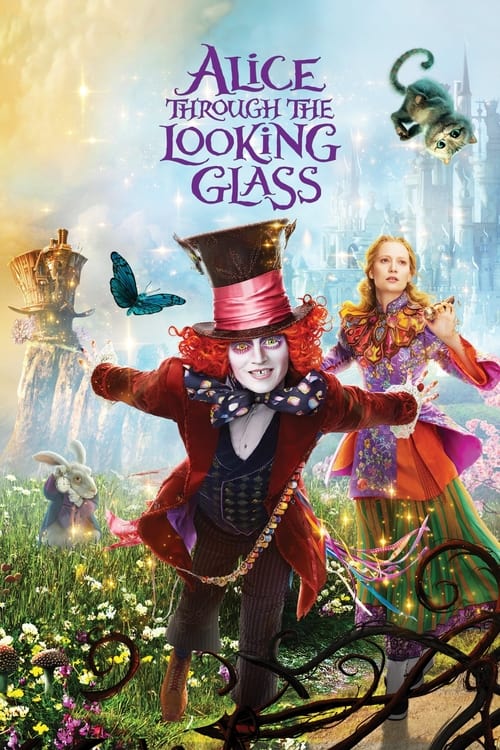 Film
Alice Through the Looking Glass
Film
Alice Through the Looking Glass
Alice returns to a fantastical underland to navigate another strange, high-stakes adventure.
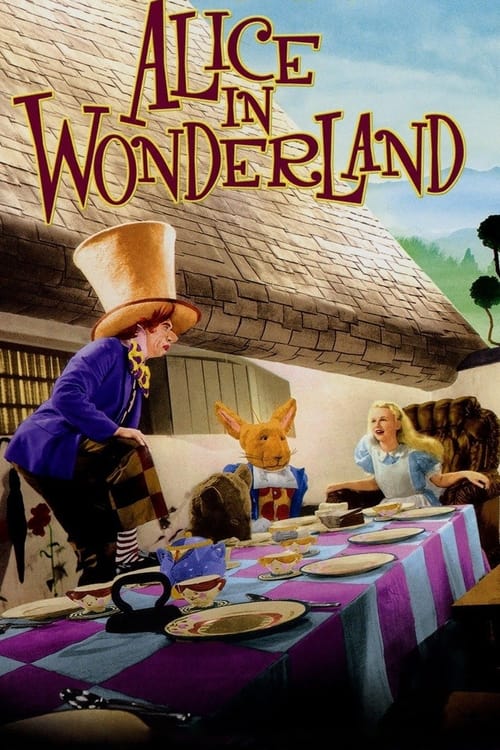 Film
Alice in Wonderland
Film
Alice in Wonderland
A bored girl dreams herself into a fantasy world dense with impossible, fantastic characters.
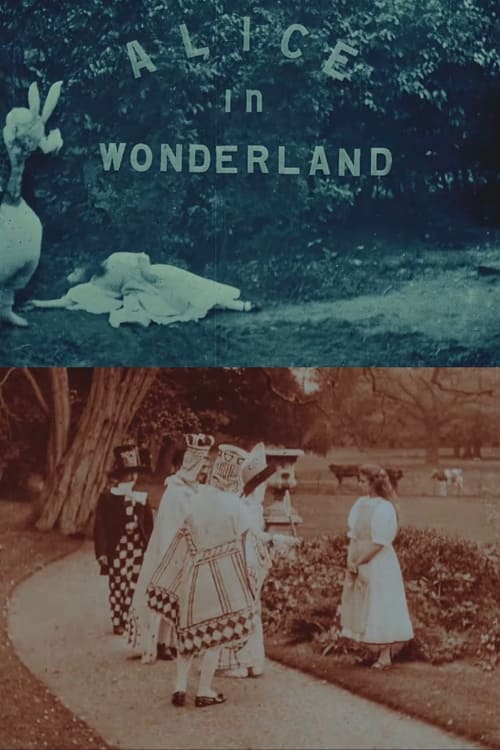 Film
Alice in Wonderland
Film
Alice in Wonderland
Alice follows a white rabbit through a threshold into an impossible world — the original source.
Series like Through the Looking-Glass
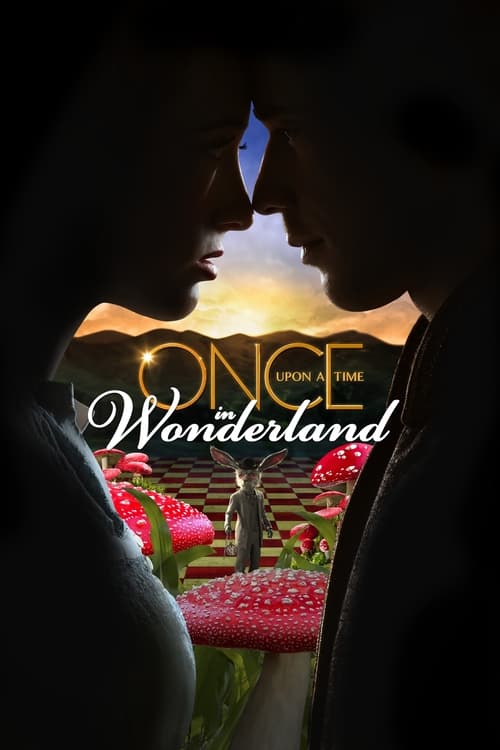 Series
Once Upon a Time in Wonderland
Series
Once Upon a Time in Wonderland
Victorian-era Alice insists her strange other-world is real while the adults around her refuse to believe.
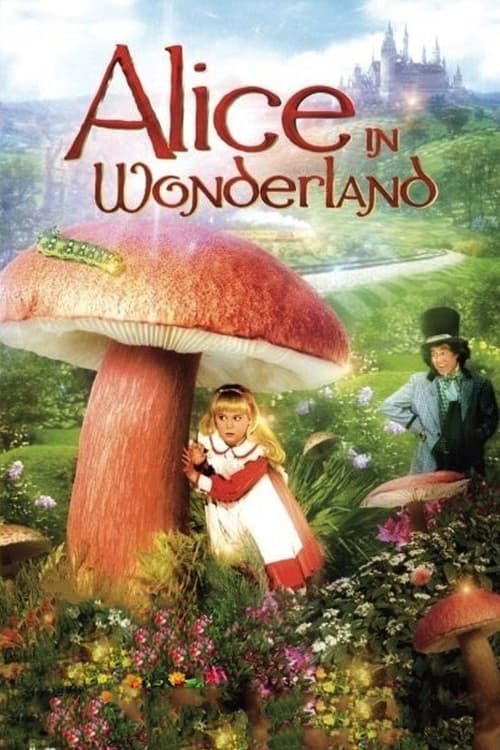 Series
Alice in Wonderland
Series
Alice in Wonderland
Things are backwards, scale keeps shifting — the disorienting, rule-inverting texture of the Looking-Glass world.
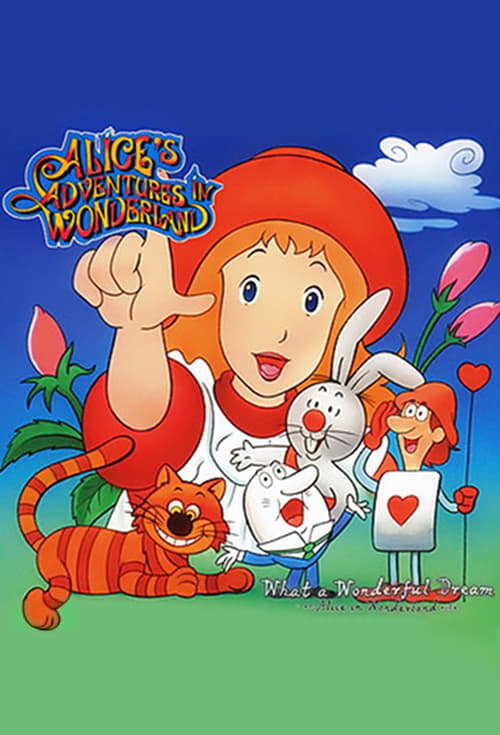 Series
Alice in Wonderland
Series
Alice in Wonderland
A girl tumbles into Wonderland and encounters eccentric characters including the mysterious Cheshire Cat.
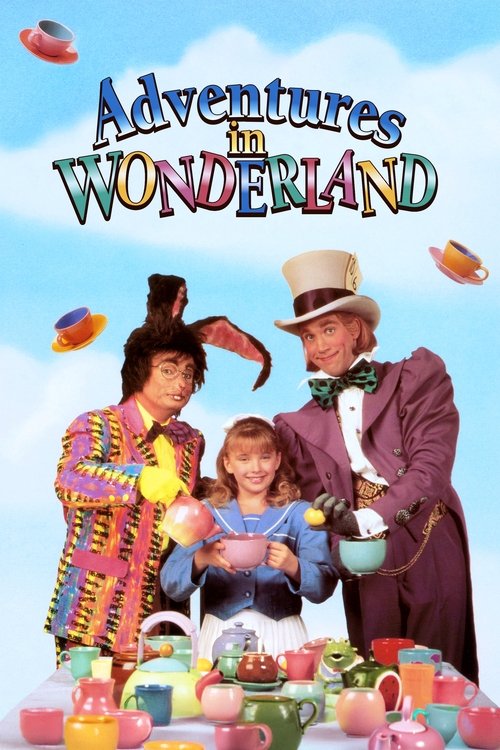 Series
Adventures in Wonderland
Series
Adventures in Wonderland
Alice passes through her mirror to reach Wonderland — the same threshold device as the source book.
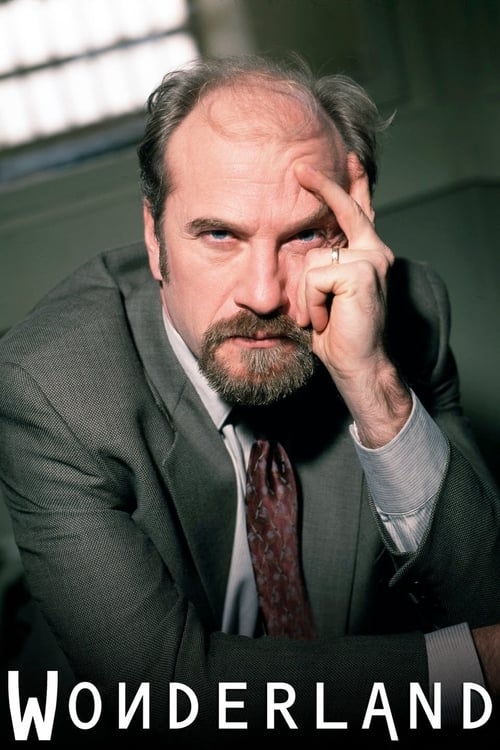 Series
Wonderland
Series
Wonderland
Daily life in a mental institution, seen from the perspectives of doctors and patients alike.
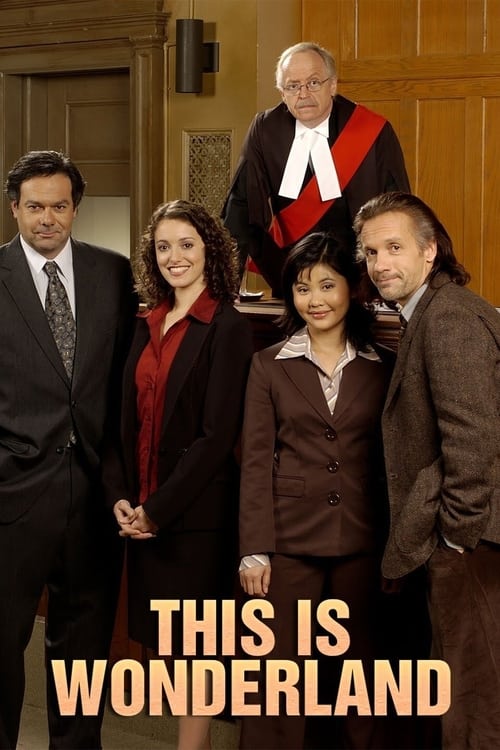 Series
This Is Wonderland
Series
This Is Wonderland
A newly minted attorney joins the chaotic world of Toronto criminal justice, surrounded by eccentric characters.
More books like Through the Looking-Glass
 Book
The Complete Works of Lewis Carroll
Book
The Complete Works of Lewis Carroll
Collects the Looking-Glass story alongside Carroll's other nonsense works and verse.
 Book
Alice's Adventures in Wonderland / Through the Looking Glass
Book
Alice's Adventures in Wonderland / Through the Looking Glass
Both Alice books in one volume — the rabbit-hole and the mirror paired together.
 Book
Alice's Adventures in Wonderland / Through the Looking-Glass / The Hunting of the Snark
Book
Alice's Adventures in Wonderland / Through the Looking-Glass / The Hunting of the Snark
Pairs the two Alice books with *The Hunting of the Snark* for Carroll's core nonsense trilogy.
 Book
The Looking Glass Wars
Book
The Looking Glass Wars
Reimagines Wonderland as a real kingdom, with Alyss as a rightful heir fighting to reclaim her throne.
 Book
A Tangled Tale
Book
A Tangled Tale
Carroll embeds mathematical puzzles inside narrative form — the logical game-playing beneath the whimsy.
 Book
Alice's Adventures in Wonderland / The Hunting of the Snark
Book
Alice's Adventures in Wonderland / The Hunting of the Snark
The Wonderland story bound with Carroll's nonsense-verse quest, sharing its absurdist adventure spirit.
Frequently asked
What should I watch after reading Through the Looking-Glass?
The 1987 animated Alice Through the Looking Glass takes Alice on a chess-board quest to become Queen, capturing the book's playful logic and memorable characters like Humpty Dumpty and the Jabberwocky in a fun family-friendly format.
Are there books that continue or reimagine the Alice and Looking-Glass world?
The Looking Glass Wars flips the premise entirely — Wonderland is real, Alyss Heart is its exiled princess, and Carroll's story is exposed as a myth, making it a gripping dark reimagining for readers who want more.
Is there a TV series based on Through the Looking-Glass or Alice in Wonderland?
Once Upon a Time in Wonderland is the most story-driven option, following Alice in a Victorian drama where her sanity and memories of Wonderland are at stake, blending fantasy with emotional stakes.